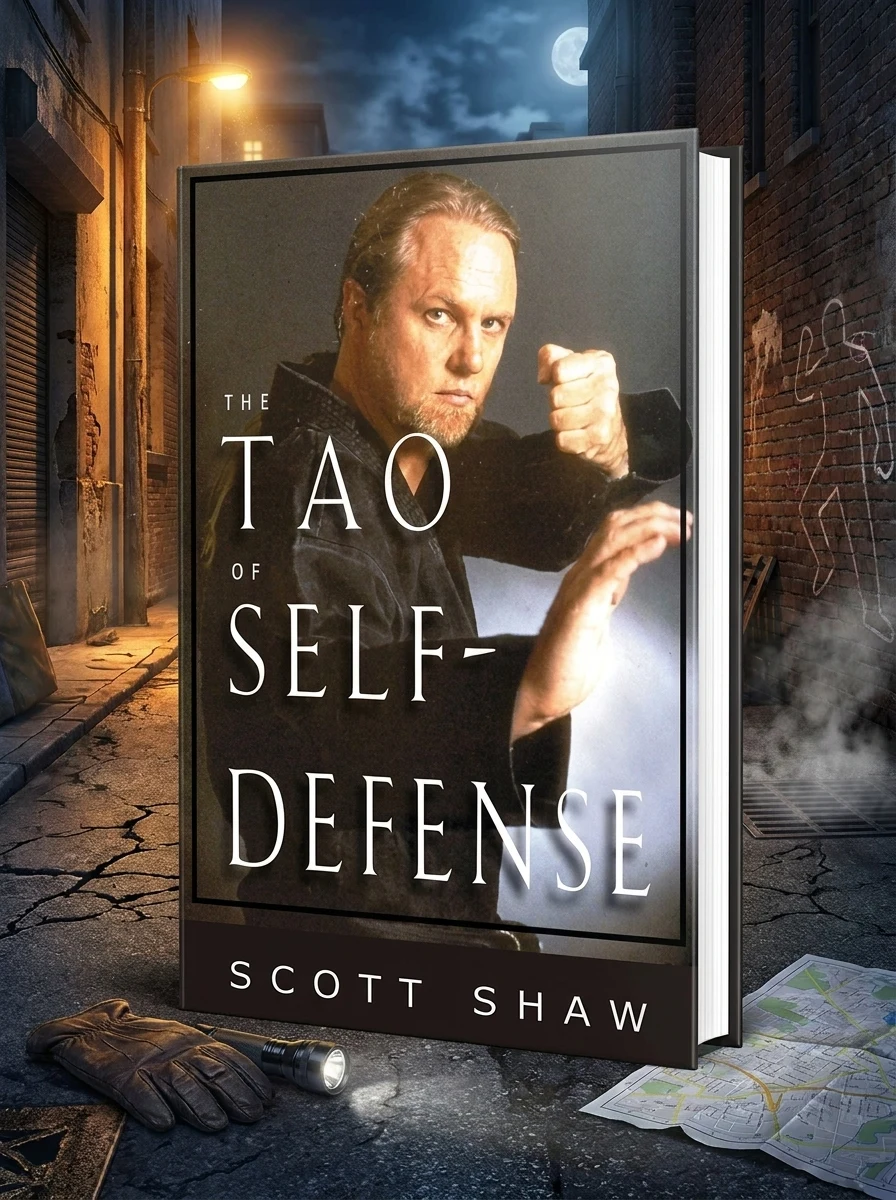
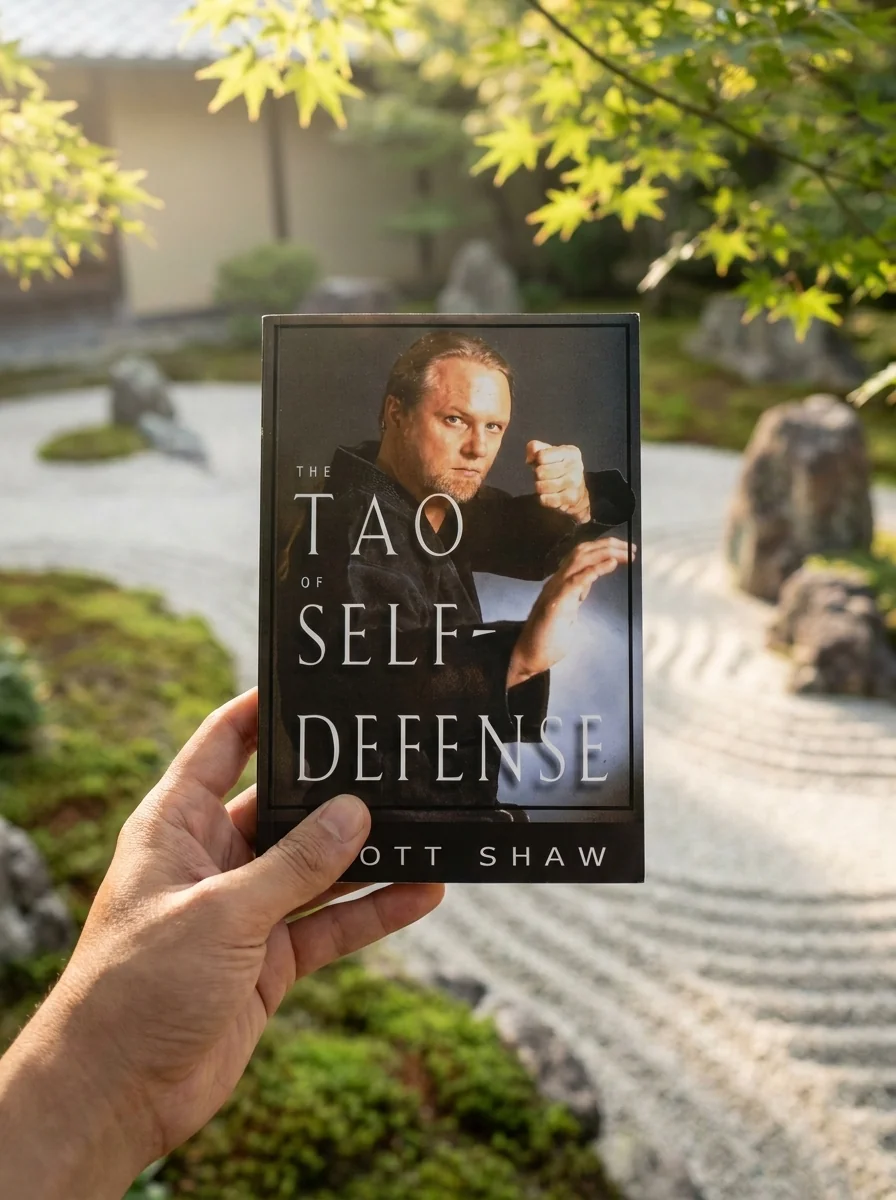
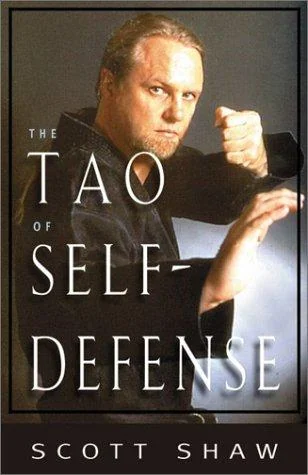
The Tao of Self-Defense
✍️ Shaw, ScottThis profound guide, reinterpreted through an esoteric lens, transcends mere physical technique to explore the deeper currents of personal protection. It offers a comprehensive framework for cultivating heightened intuition, enabling swift discernment of potentially volatile situations. Readers will uncover methods for harmonizing their internal energy with external threats, fostering immediate and fluid responses. Far from a simple combat manual, it delves into the energetic vulnerabilities and strengths of the human form, providing insights into impactful yet ethical defensive strategies rooted in ancient wisdom and self-mastery.


📝 Description: The Tao of Self-Defense
💎 Expert review
📖 Why choose it
Why this book is worth reading
Readers seeking to harmonize their spiritual growth with practical safety will find immense value in this guide. It is ideal for those who view self-defense not just as a physical skill but as a path to inner awareness and ethical mastery. By transforming danger into spiritual discipline, the book appeals to practitioners of esoteric traditions who wish to cultivate heightened intuition and energetic harmony. Those interested in ancient wisdom applied to modern threats will appreciate its comprehensive framework for discernment and fluid response, making it a profound resource for holistic personal protection.
⭐ Reader reviews
Reader rating
This text offers a unique perspective by merging combat strategy with metaphysical insight, providing readers with tools to navigate volatile situations through energetic awareness. However, it may not suit those seeking purely technical, step-by-step instructional manuals devoid of philosophical context or spiritual framing. Readers looking for aggressive, high-impact tactical advice without the esoteric lens might find the approach too abstract or contemplative. The emphasis on ethical defense and internal harmony requires a willingness to engage with non-material concepts, making it less accessible to strictly pragmatic martial artists who prioritize physical mechanics over spiritual alignment.
❓ Frequently asked questions
📖 Who should read this
For those seeking more than mere physical defense, but a path to inner power and heightened awareness. If you desire to integrate spiritual principles with practical self-preservation, fostering an unshakeable presence in a chaotic world, this book is your guide.
🎯 Key themes and symbolism
The Seer's Gaze
This book illuminates the art of intuitive perception, moving beyond superficial observation to attune to the subtle energetic signatures preceding conflict. It teaches how to cultivate an inner radar, enabling one to sense shifts in atmosphere and intent, thereby pre-empting danger before it fully manifests and preserving one's energetic field.
Fluidity of Spirit
Explore the principle of non-resistance and spontaneous action. This theme reveals how to respond to aggression not with rigid force, but with a flowing, adaptable presence. It emphasizes aligning one's spiritual and physical being to create an unassailable integrity, allowing defensive movements to arise naturally from a state of inner stillness.
Anatomical Alchemy
Delve into the esoteric understanding of the body's vital points, not merely as physical targets but as energetic gateways. The text guides readers in comprehending how precise, minimal engagement with these points can profoundly disrupt an aggressor's intent and balance, rather than relying on brute strength, aligning with principles of energetic manipulation.
📜 Historical context
📚 Glossary
- Energetic Signature
- Rooted Stance
- Void Mind (Mushin)
📔 Questions to reflect on
- Reflect on a time you intuitively sensed a situation was unsafe. How did your body or mind respond? How might you cultivate this 'seer's gaze' further?
- Consider the concept of 'fluidity of spirit' in your daily interactions. Where do you find yourself rigid or resistant, and how might a more adaptable approach serve you?
- If self-defense is an act of self-mastery, what internal 'aggressions' (e.g., fear, self-doubt) might you need to address to strengthen your inner sanctuary?