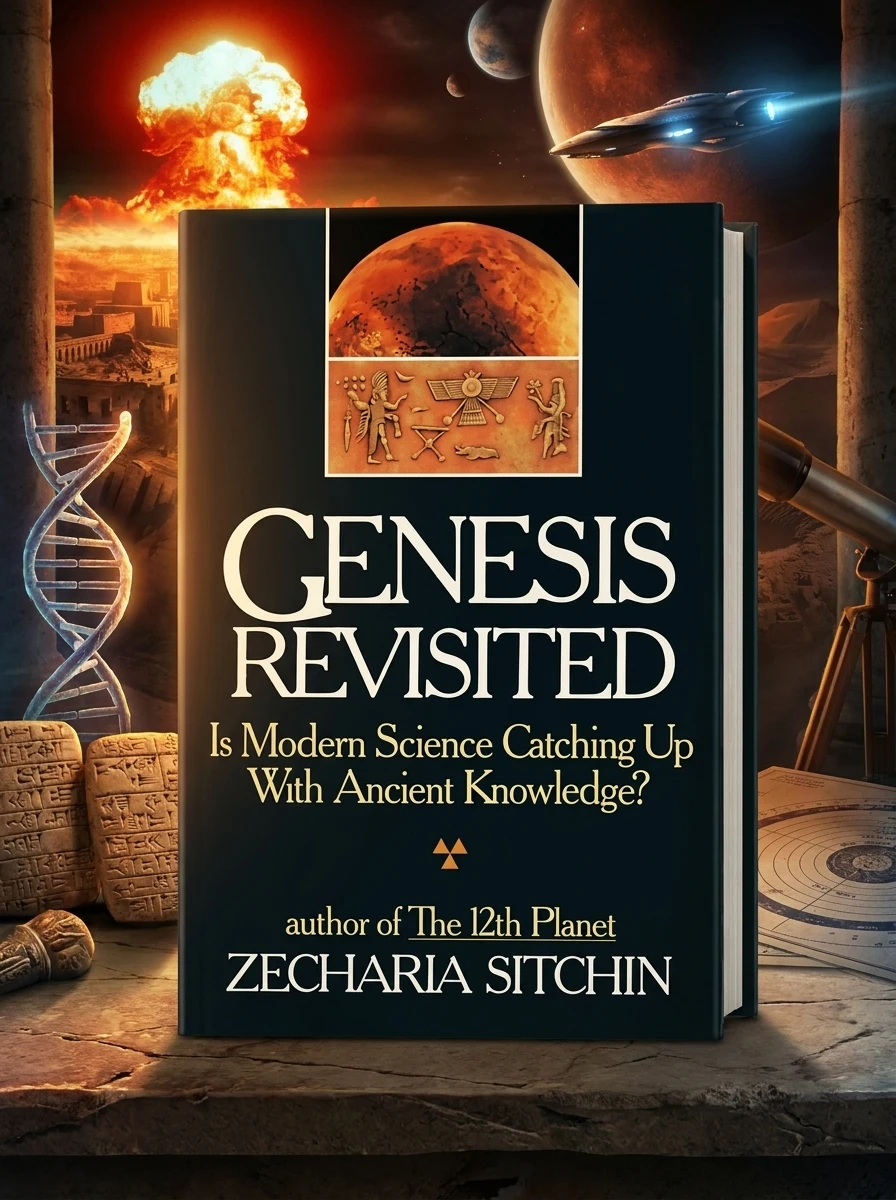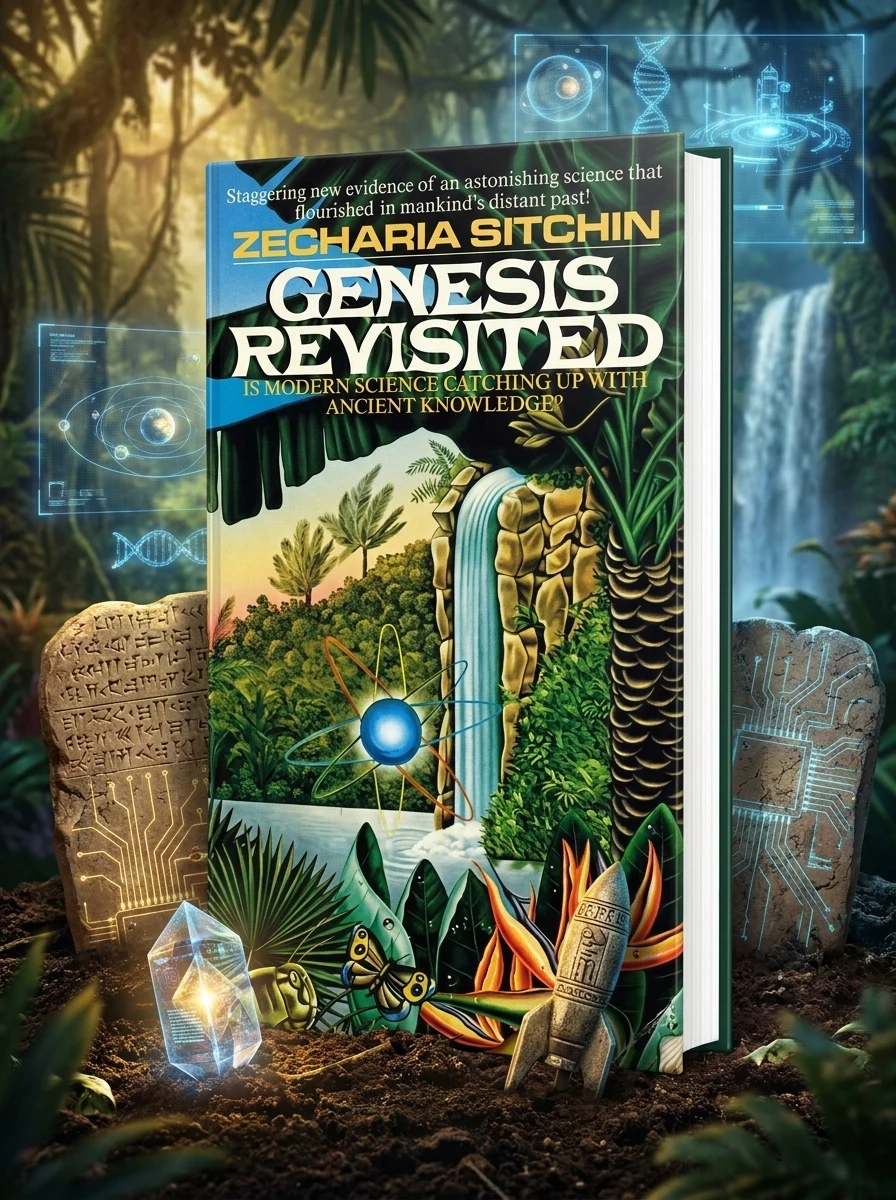
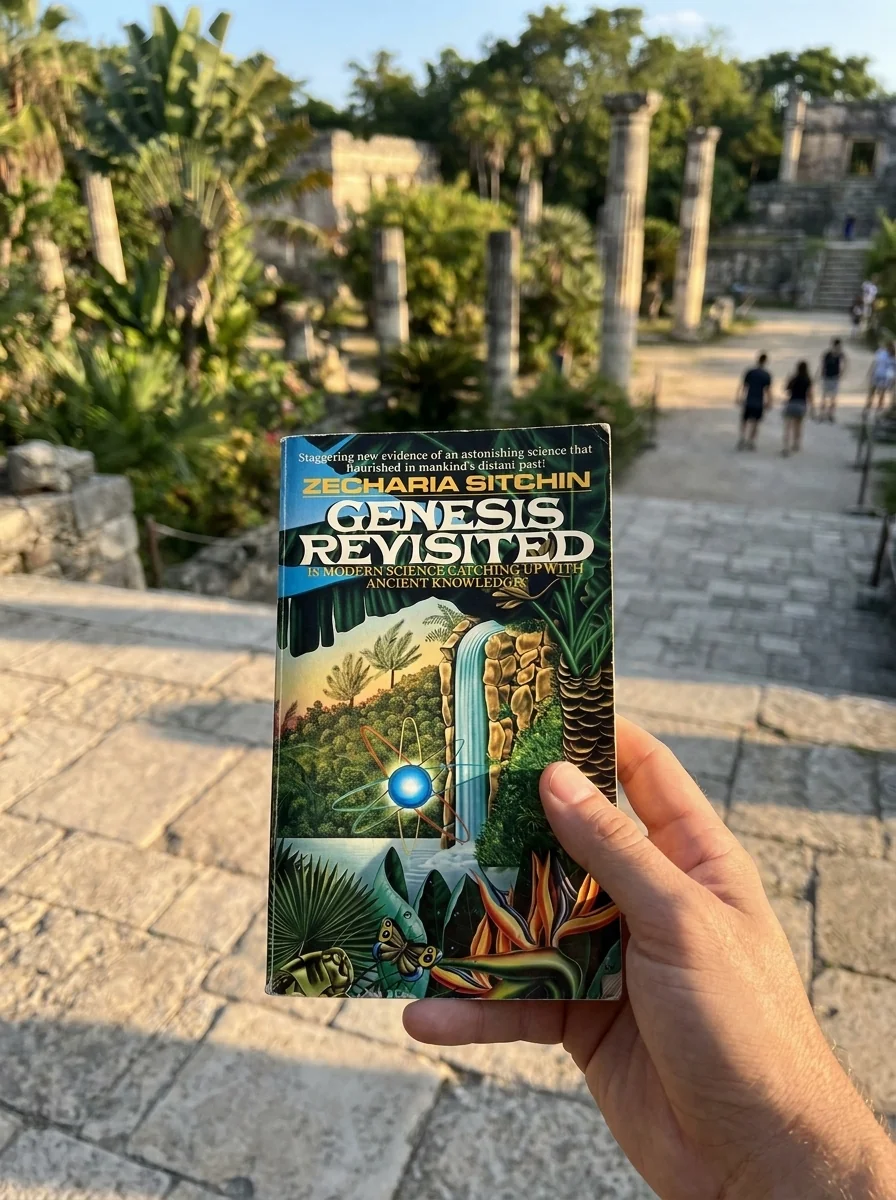

Genesis Revisited
✍️ Sitchin, ZechariaZecharia Sitchin uses Sumerian cuneiform tablets to reexamine ancient human history and modern science.
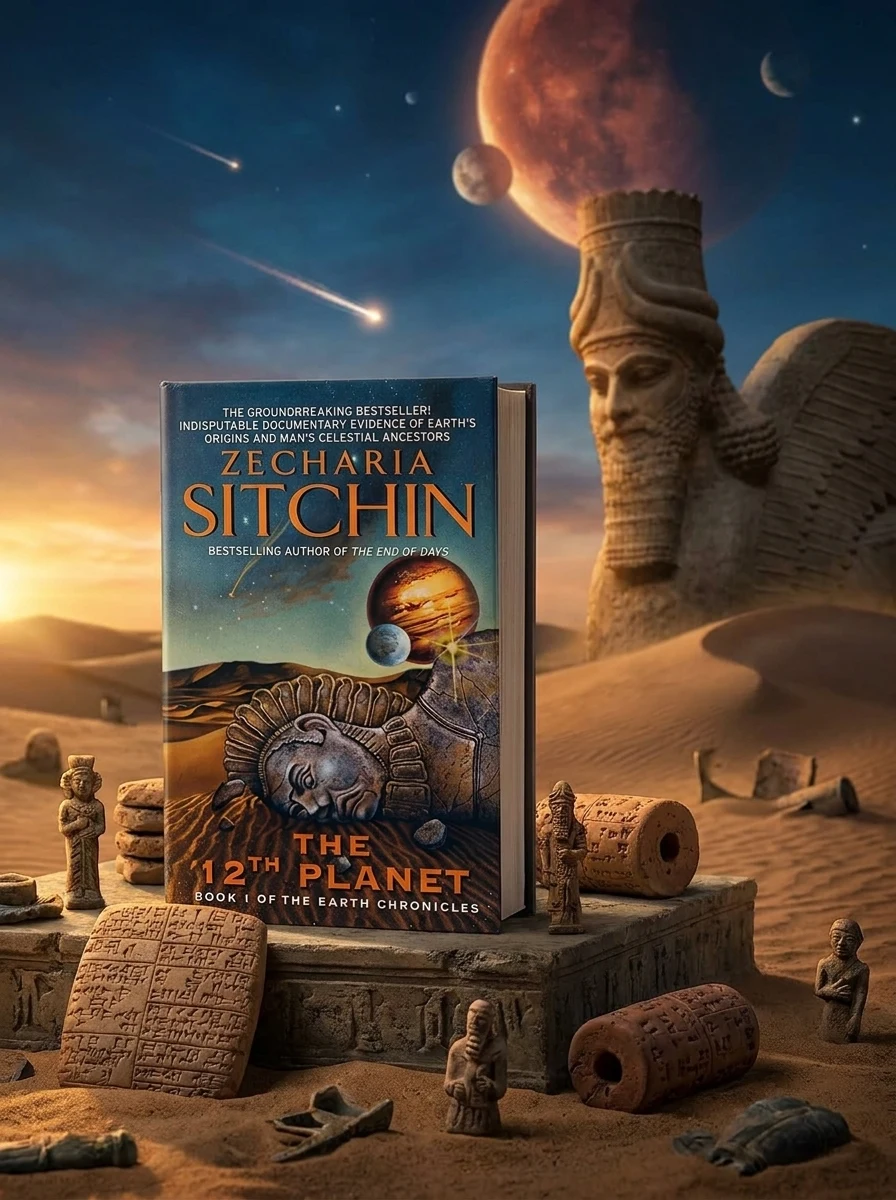
This work reinterprets early human prehistory by contrasting modern technological breakthroughs with ancient records. Sitchin analyzes biblical passages, archaeological artifacts, and Sumerian cuneiform tablets to show that early ancestors possessed advanced knowledge of genetic engineering and space travel. The text focuses on evidence suggesting that intelligent life exists elsewhere within our solar system, offering an alternative perspective on ancient civilizations and unexplained modern phenomena.
Published by William Morrow & Company in October 1990, this paperbound volume reflects late twentieth-century interest in ancient astronaut theories, extraterrestrial life, and alternative readings of biblical and Sumerian history.


📝 Description: Genesis Revisited
💎 Expert review
📖 Why choose it
Why this book is worth reading
Readers fascinated by the mysteries of ancient civilizations and those who enjoy questioning conventional historical narratives will find this book particularly engaging. It appeals to individuals seeking alternative explanations for human ingenuity, offering a provocative perspective on whether our ancestors possessed advanced technological knowledge inherited from extraterrestrial visitors. If you are interested in re-evaluating the origins of civilization and exploring the possibility of a cosmic lineage for human progress, this text provides a bold, fearless challenge to standard timelines. It is ideal for those who appreciate speculative theories that blend Sumerian scholarship with cosmic history, inviting a reconsideration of our ancestors' true capabilities and the potential influence of sophisticated beings from antiquity.
⭐ Reader reviews
Reader rating
Sitchin presents a daring reinterpretation of Sumerian texts, asserting that advanced computing and genetic manipulation were ancient inheritances rather than modern discoveries. While this perspective offers a compelling narrative for those drawn to alternative history, it may frustrate readers seeking rigorous academic consensus or traditional archaeological evidence. The book is not suited for skeptics who require mainstream scholarly validation for historical claims. However, for enthusiasts of esoteric speculation, the argument that extraterrestrial Anunnaki influenced human development provides an intriguing, if controversial, framework. It successfully challenges conventional timelines, making it a valuable addition for those open to radical reimaginings of our cosmic lineage and technological origins.
❓ Frequently asked questions
📖 Who should read this
If you're drawn to speculative history, ancient mysteries, and the possibility of extraterrestrial contact shaping our past, this book is for you. Prepare to have your understanding of human origins and technological progress thoroughly re-evaluated.
🎯 Key themes and symbolism
Ancient Alien Intervention
Sitchin's central thesis explores the provocative idea that extraterrestrial visitors, far from being a modern fantasy, actively participated in shaping early human civilization. He delves into ancient myths and scriptures, meticulously reinterpreting them as historical accounts of alien presence and interaction, rather than mere allegory or religious narrative, challenging our understanding of human origins.
Forbidden Historical Knowledge
This book unveils a narrative that stands in stark contrast to mainstream historical accounts. Sitchin argues that evidence of highly advanced technology and scientific understanding existed thousands of years before accepted timelines, suggesting a deliberate suppression or misinterpretation of ancient records. It compels readers to question established historical paradigms and explore alternative explanations for humanity's rapid development.
Cosmic Genesis of Humanity
Through a re-examination of ancient texts, Sitchin proposes a radical theory for human creation and evolution. He suggests that advanced beings were directly involved in the genetic engineering of early humans, accelerating our development. This perspective offers a compelling, albeit controversial, explanation for the sudden leaps in human intelligence and the rapid emergence of complex societies, linking our past to interstellar origins.
📜 Historical context
📚 Glossary
- Anunnaki
- Ancient Astronaut Theory
- Paleocontact
📔 Questions to reflect on
- If advanced ancient civilizations possessed technologies we are only now rediscovering, how might this alter our perception of human ingenuity and progress?
- Consider the possibility of extraterrestrial intervention in humanity's past. How would such a revelation reshape your understanding of spirituality, science, and our place in the cosmos?
- Reflect on the power of narrative: how do mainstream historical accounts shape our understanding of 'truth,' and what are the implications of challenging those narratives?