If you've heard of Zecharia Sitchin, it's probably through a television show. The Ancient Aliens franchise has made his name synonymous with extraterrestrial gods descending to Earth, mining gold, and engineering human DNA. But this pop-culture version of Sitchin's work—while rooted in his ideas—often strips away the scholarly apparatus, linguistic arguments, and historical nuance that actually define his writing.
Sitchin (1920–2010) was a Russian-born author and researcher who spent decades studying ancient Sumerian, Akkadian, and Hebrew texts. His central claim—that the Anunnaki, beings from a twelfth planet called Nibiru, visited Earth and shaped human civilization—is certainly controversial. Mainstream archaeologists and linguists reject his translations and interpretations. But whether you're skeptical or intrigued, reading Sitchin's primary works reveals a thinker far more methodical and textually engaged than popular media suggests.
The challenge for new readers is knowing where to start. Sitchin wrote over a dozen books, many of them interconnected, and some are more accessible than others. This guide separates the foundational texts from the later works, explains what each contributes, and helps you decide which books suit your reading goals—whether you're a curious skeptic wanting to understand the theory on its own terms, or a believer seeking the deepest engagement with the evidence.
Start Here: The Core Earth Chronicles Series
Sitchin's magnum opus is the Earth Chronicles series, seven books published between 1976 and 2007. These form a narrative arc, each building on the last. If you're serious about understanding Sitchin's work rather than its caricature, this is where you begin.
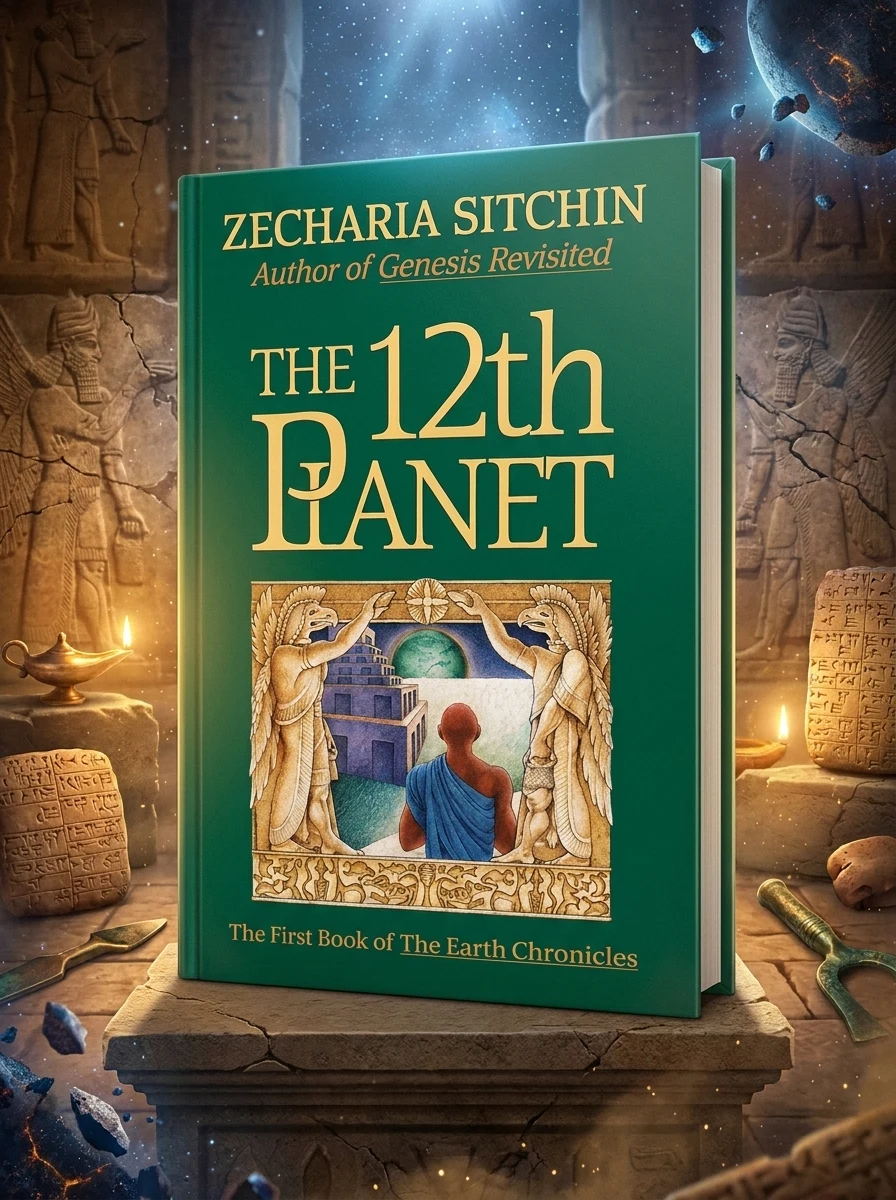
1. The 12th Planet (Book I) — Zecharia Sitchin
The 12th Planet is Sitchin's foundational text and the only place to truly start. Published in 1976, it introduces the Anunnaki, their home planet Nibiru, and Sitchin's interpretation of Sumerian creation myths as historical records of extraterrestrial contact. The book is dense with cuneiform translations, astronomical calculations, and archaeological references. It's not light reading, but it's where Sitchin makes his case methodically—not as speculation, but as textual analysis. A revised edition is available, incorporating updates to his research. This book will take time, but it's essential if you want to engage with Sitchin's actual arguments rather than the simplified versions that appear on television.
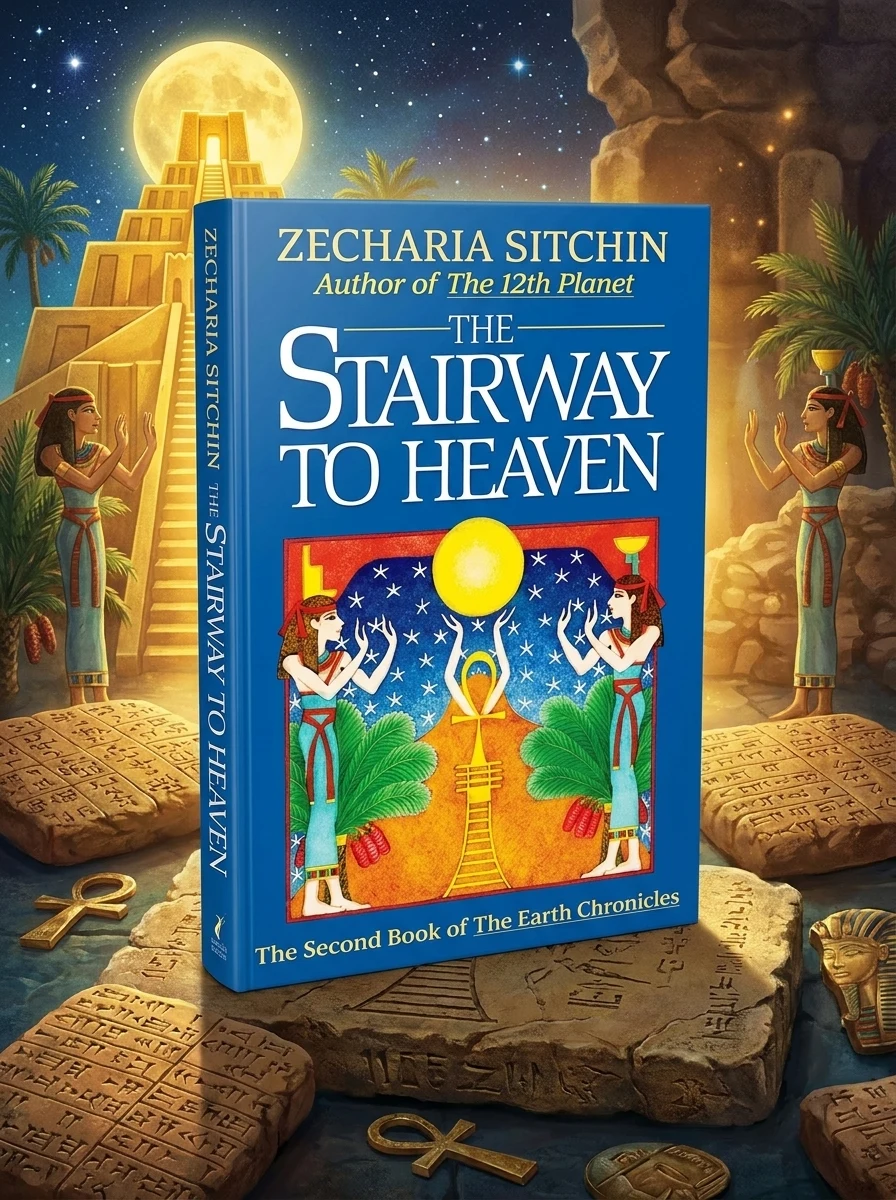
2. The Stairway to Heaven (Book II) — Zecharia Sitchin
The Stairway to Heaven shifts focus to the religious and mythological dimensions of Sitchin's theory. Here, he argues that biblical accounts of angels, divine encounters, and the ascension of figures like Enoch are actually records of interactions with the Anunnaki. The book examines how ancient texts across cultures—Sumerian, Egyptian, Hebrew, Hindu—describe similar beings and events. If you found The 12th Planet too technical, this volume is slightly more narrative-driven while maintaining scholarly rigor. It's where Sitchin's work begins to intersect with religious studies and comparative mythology.
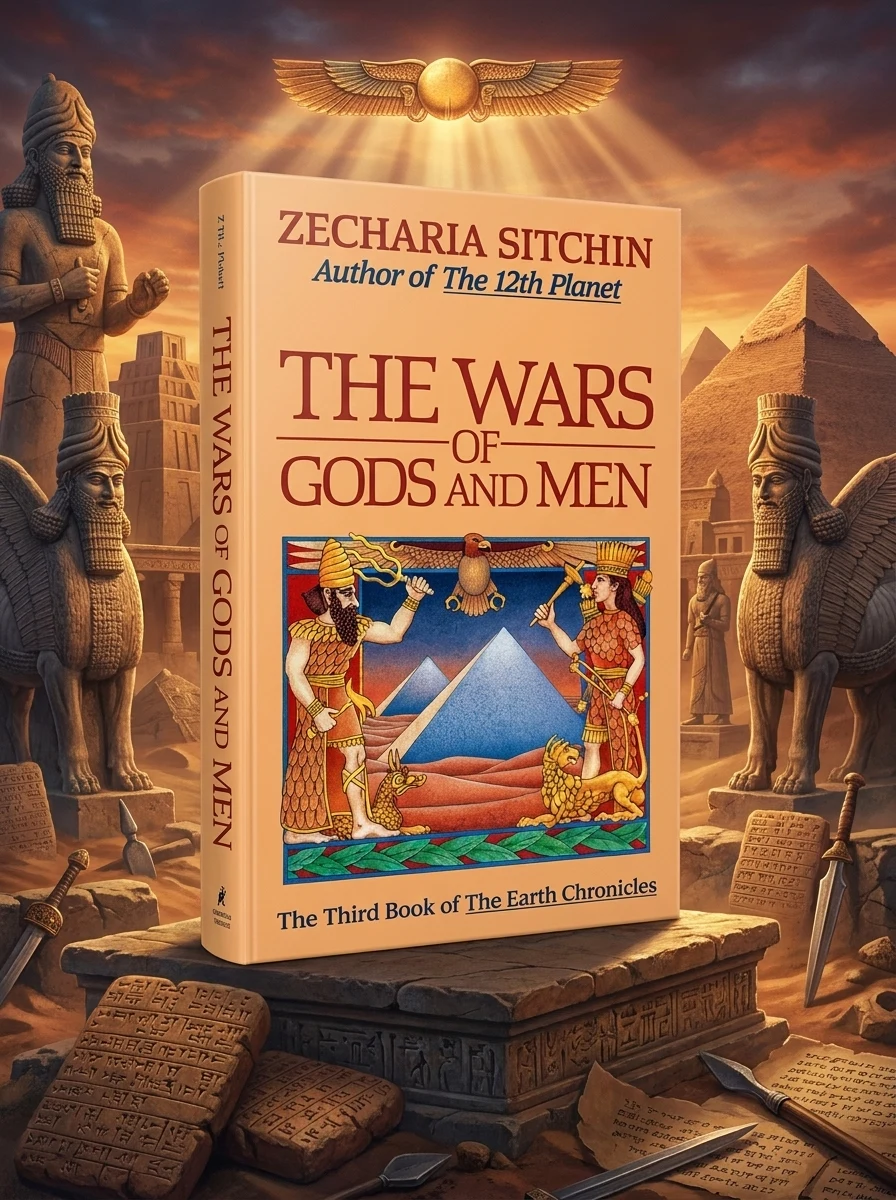
3. The Wars of Gods and Men (Book III) — Zecharia Sitchin
The Wars of Gods and Men explores Sitchin's interpretation of ancient conflicts described in Sumerian and biblical texts. He argues these were not mythological tales but actual wars between Anunnaki factions, with humans sometimes caught in the middle. This book is particularly useful for understanding how Sitchin reads military narratives in ancient sources and how he connects them to archaeological evidence of destruction layers and settlement patterns. It's also where his theory becomes more speculative—the further you move from direct textual analysis into historical reconstruction, the more room there is for disagreement.
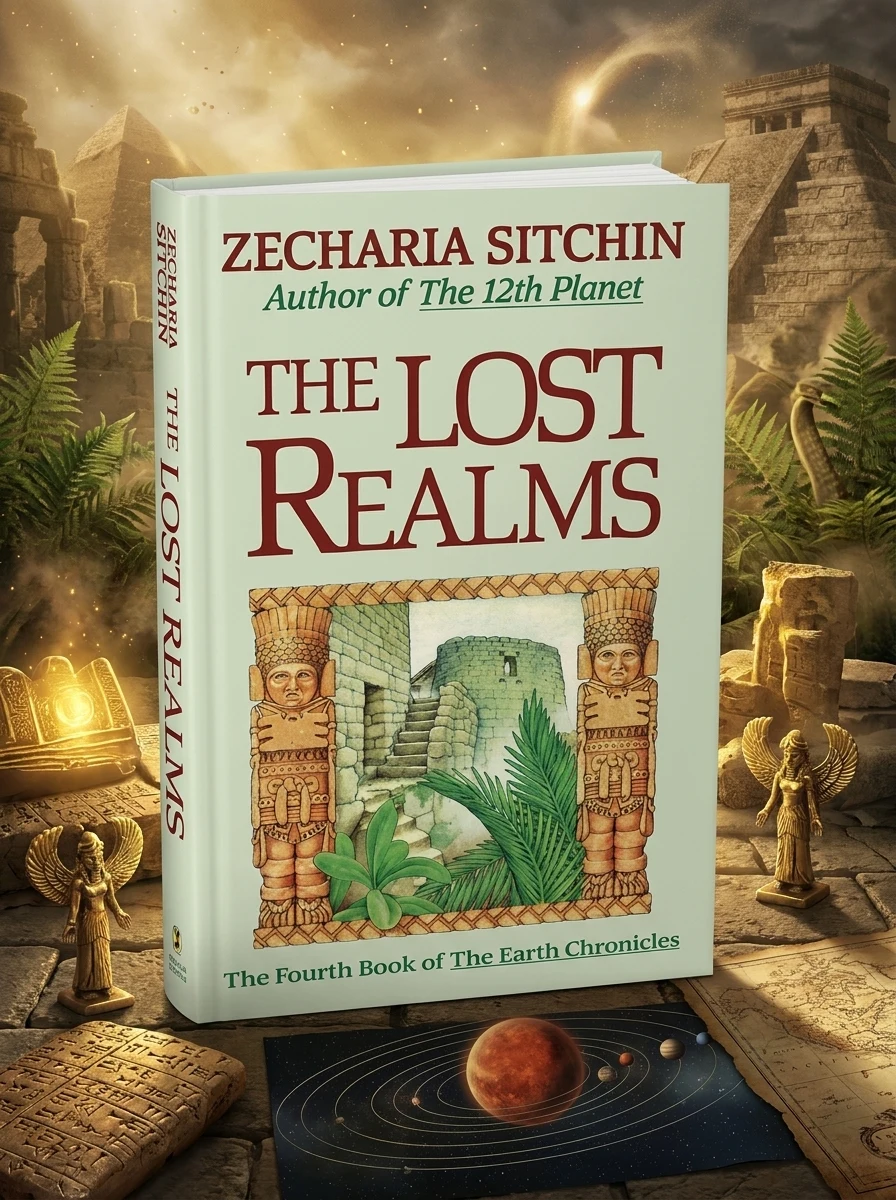
4. The Lost Realms (Book IV) — Zecharia Sitchin
The Lost Realms expands Sitchin's scope beyond the Middle East to pre-Columbian America. He argues that Anunnaki visitors also influenced civilizations in Mesoamerica and South America, and that ancient texts and artifacts reflect this contact. This volume is where many readers begin to feel the theory stretching—the evidence becomes more inferential, and the connections more interpretive. But it's valuable for seeing how Sitchin applies his methodology to a different geographic and cultural context, and for understanding the scope of his claims about global ancient contact.
Deepen Your Understanding: The Later Chronicles and Specialized Works
If you've read the first four books and want to continue, the later volumes offer refinement and expansion rather than fundamental new arguments. They're worth reading if you're committed to Sitchin's work, but they're not essential entry points.
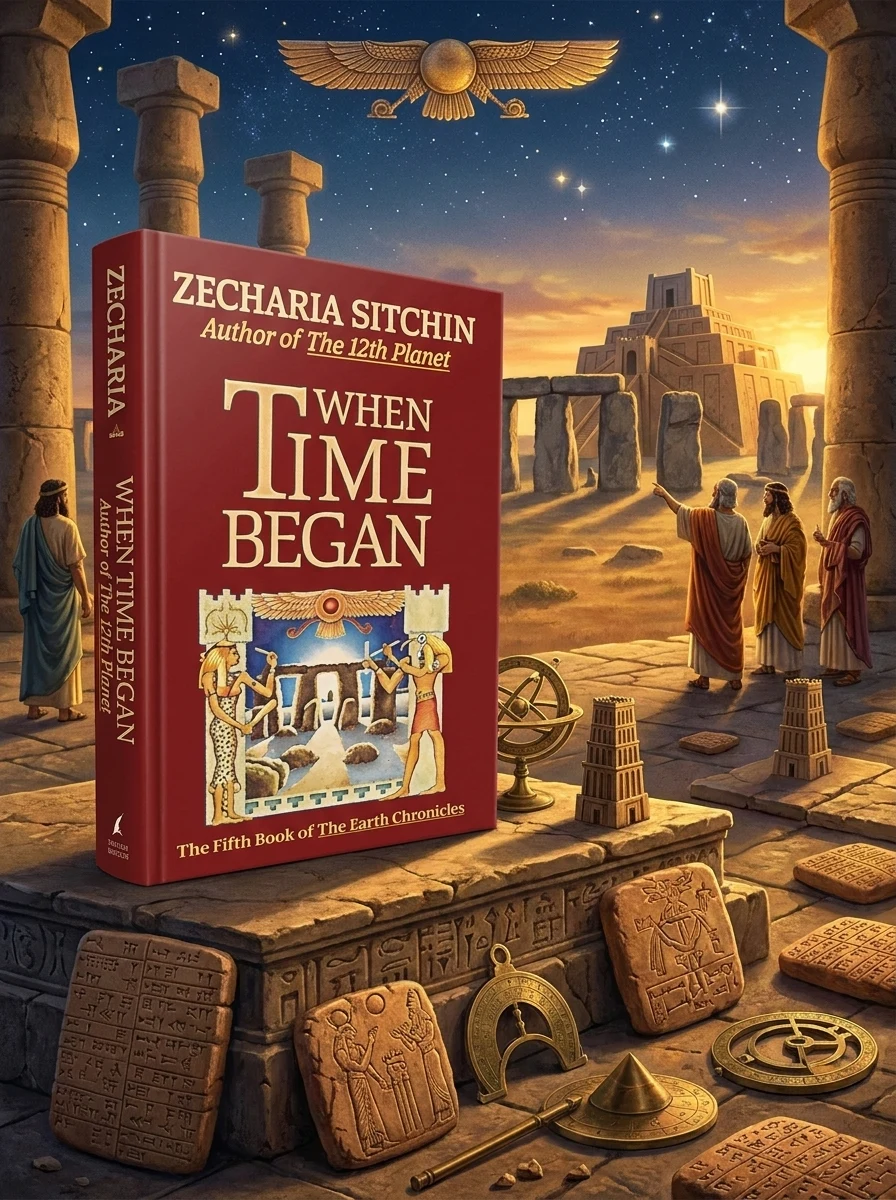
5. When Time Began (Book V) — Zecharia Sitchin
When Time Began focuses on ancient timekeeping, astronomy, and the zodiac. Sitchin argues that the Anunnaki brought advanced astronomical knowledge to Earth, and that ancient calendars and zodiacal systems reflect this extraterrestrial influence. This book appeals to readers interested in the intersection of astronomy and ancient texts, and it shows Sitchin's engagement with scientific data. However, it's more specialized—you don't need it to grasp his core thesis, but it enriches the picture if you're already invested.
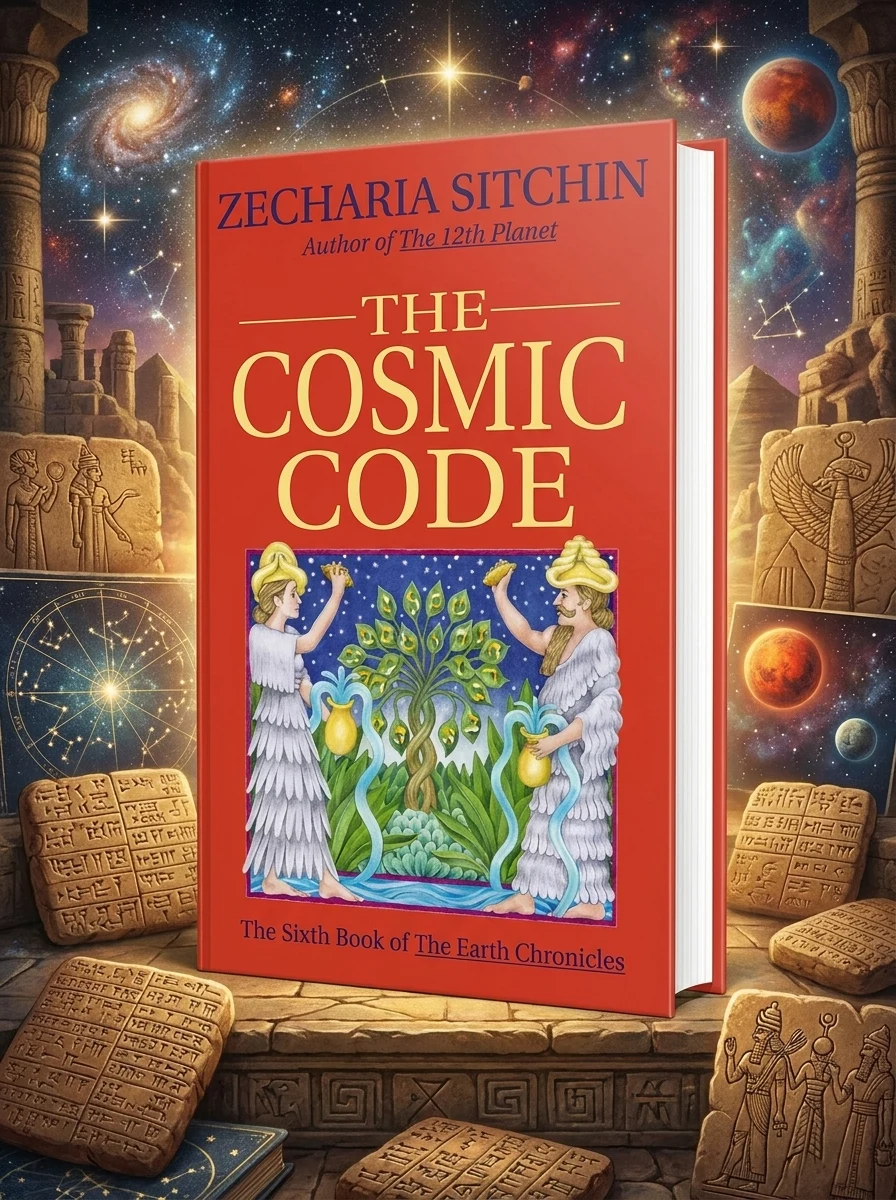
6. The Cosmic Code (Book VI) — Zecharia Sitchin
The Cosmic Code addresses genetics, DNA, and Sitchin's interpretation of how the Anunnaki may have engineered human beings. This is the book most directly cited by Ancient Aliens and popular media, which means it's also the most distorted in popular culture. Reading it yourself reveals that Sitchin's actual argument is more cautious and text-based than the sensationalized versions suggest. Still, this is where his theory ventures most explicitly into speculative science, and where scientific skepticism is most warranted.
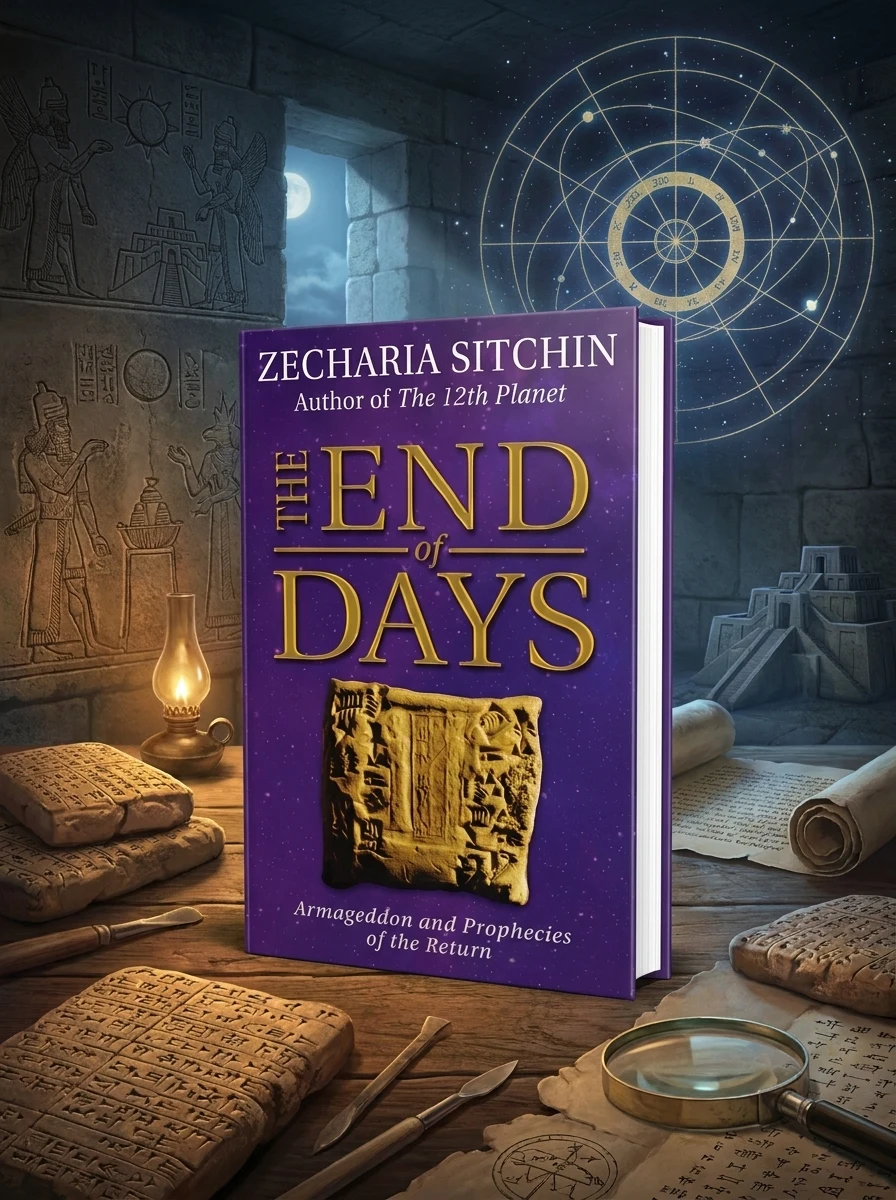
7. The End of Days (Book VII) — Zecharia Sitchin
The End of Days is Sitchin's final Earth Chronicles volume, published in 2007. It synthesizes his earlier work and addresses prophecy, the return of Nibiru, and eschatological themes from various religious traditions. It's the most speculative of the series and the closest to pure prediction rather than textual analysis. Many readers find it the weakest entry, but it's necessary if you want to understand the full arc of Sitchin's thought.
Alternative Entry Points and Specialized Texts
Not everyone has time for a seven-book series. These alternatives offer focused entry points or summaries.
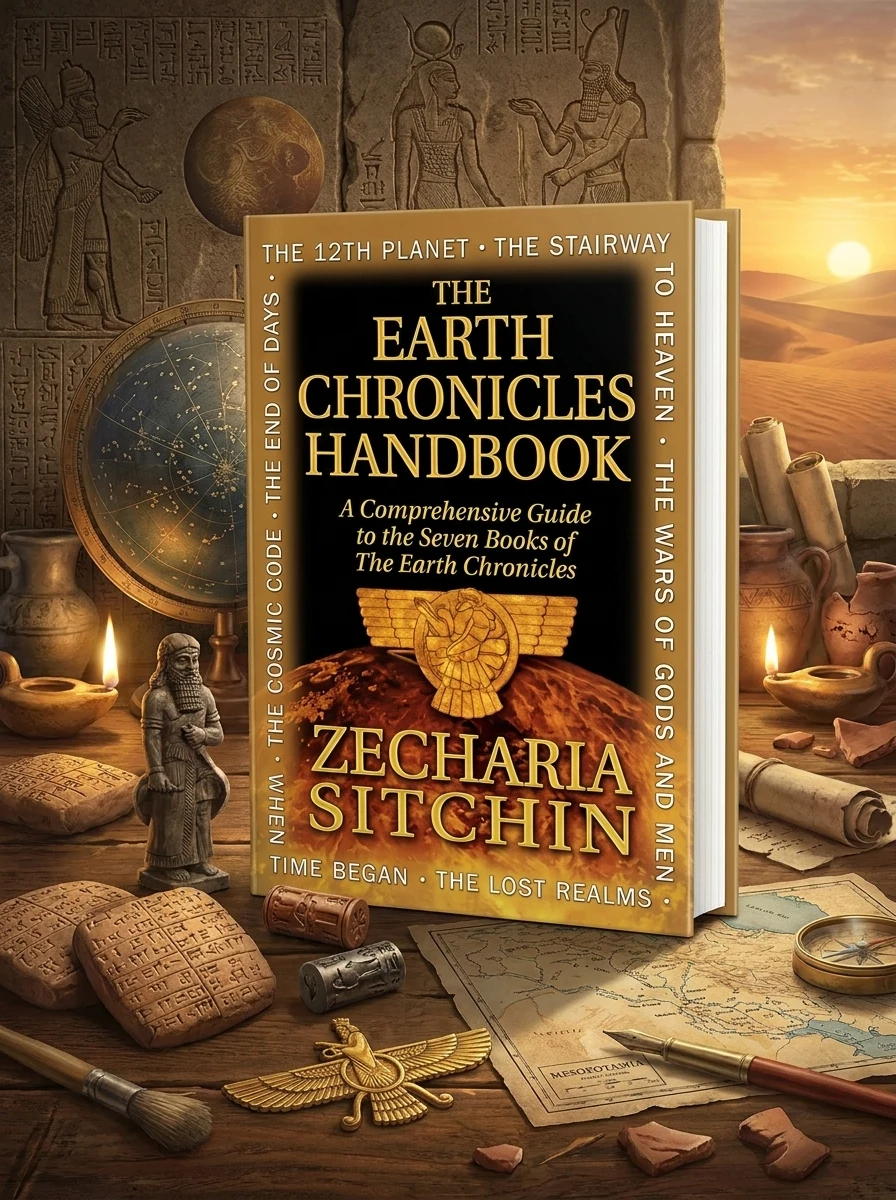
8. The Earth Chronicles Handbook — Zecharia Sitchin
The Earth Chronicles Handbook is a companion guide that summarizes and cross-references all seven books. If you're uncertain whether you want to commit to the full series, start here. It's also invaluable if you've read the books and want a quick reference for key arguments, timelines, and connections. Think of it as a study guide rather than a replacement for the originals.
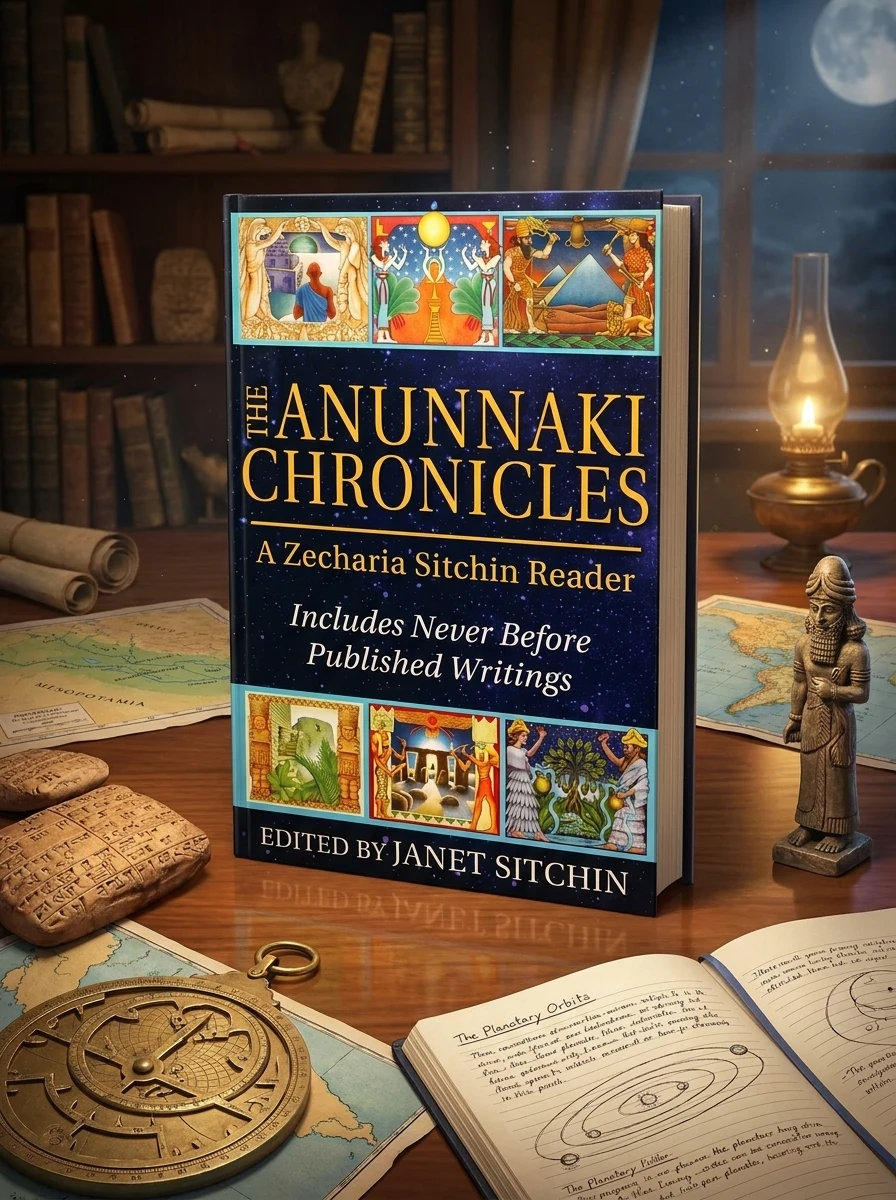
9. The Anunnaki Chronicles: A Zecharia Sitchin Reader — Zecharia Sitchin and Janet Sitchin
The Anunnaki Chronicles is a curated collection of excerpts from Sitchin's works, organized thematically. It's useful for sampling his writing and understanding his main ideas without the full commitment of the Earth Chronicles series. However, excerpts can distort context, so use this as a tasting menu, not a full meal. If something intrigues you, go back to the original book.
For the Deeply Committed: Specialized and Later Works
These books address specific themes or represent Sitchin's later thinking. They're for readers who've already engaged with the core series.
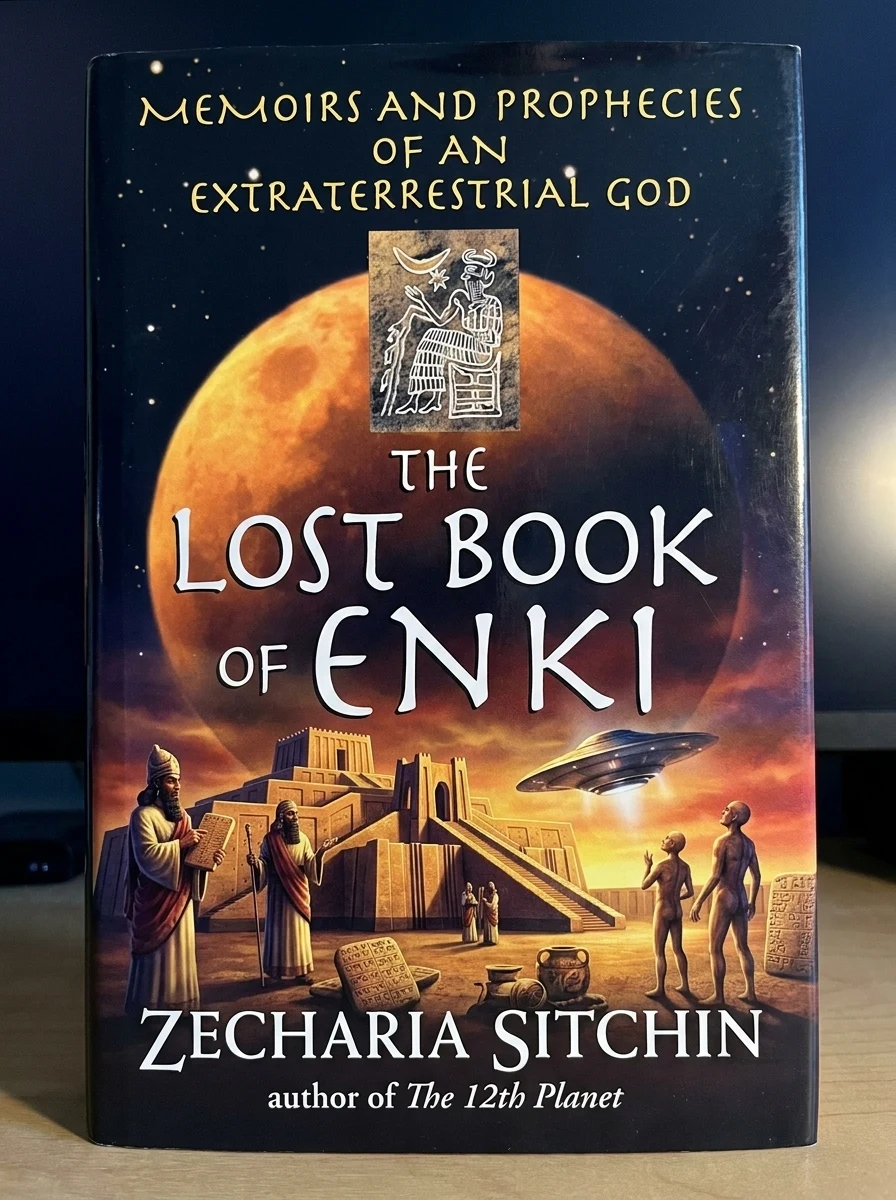
The Lost Book of Enki is a unique work—a first-person narrative supposedly channeled from an Anunnaki being. It's the most literary and least scholarly of Sitchin's books, and it reads almost like historical fiction. Some readers find it the most engaging; others see it as where Sitchin abandoned rigorous textual analysis. It's worth reading if you're curious about how Sitchin imagined Anunnaki consciousness and motivations, but it's not foundational to understanding his historical arguments.
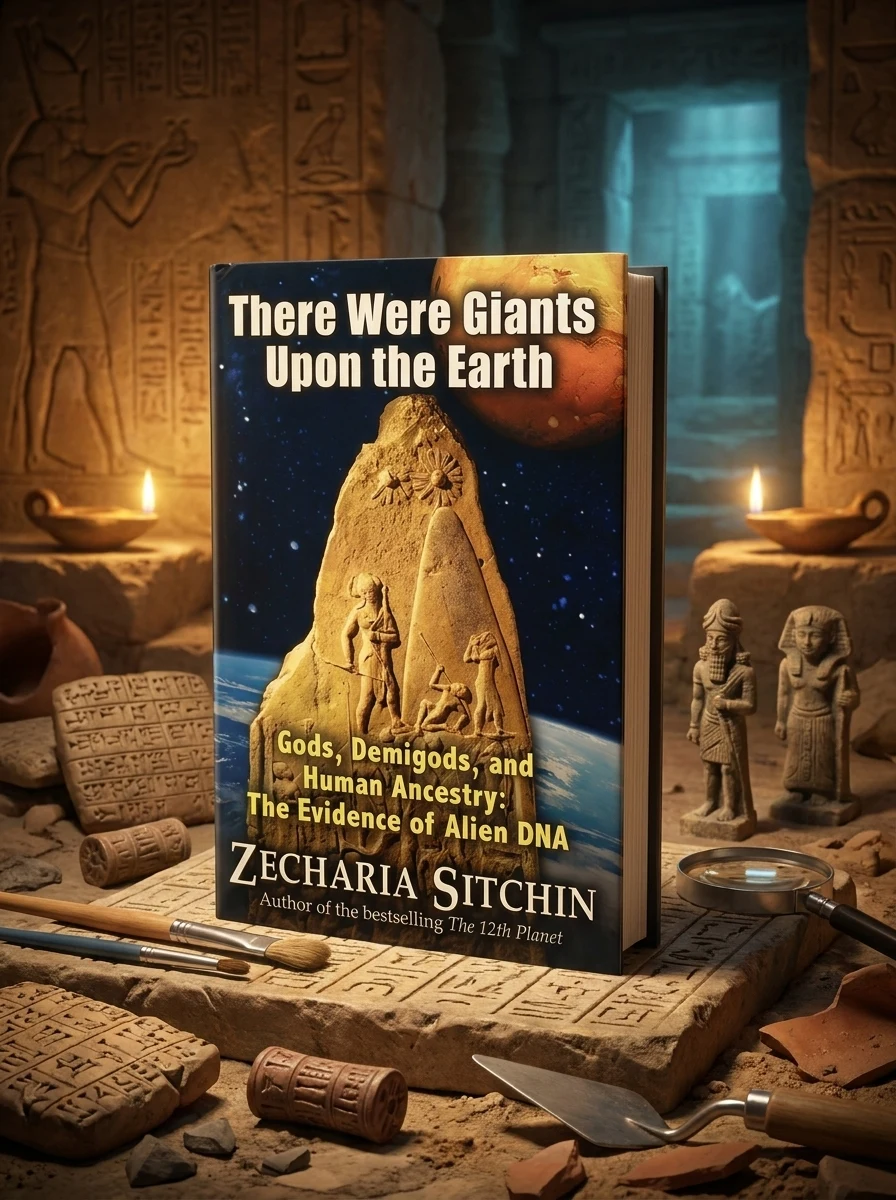
There Were Giants Upon the Earth focuses on biblical giants and hybrid beings, arguing they were the offspring of Anunnaki and humans. It's a narrower study than the main Earth Chronicles books, but it's thorough in its examination of ancient texts describing superhuman figures.
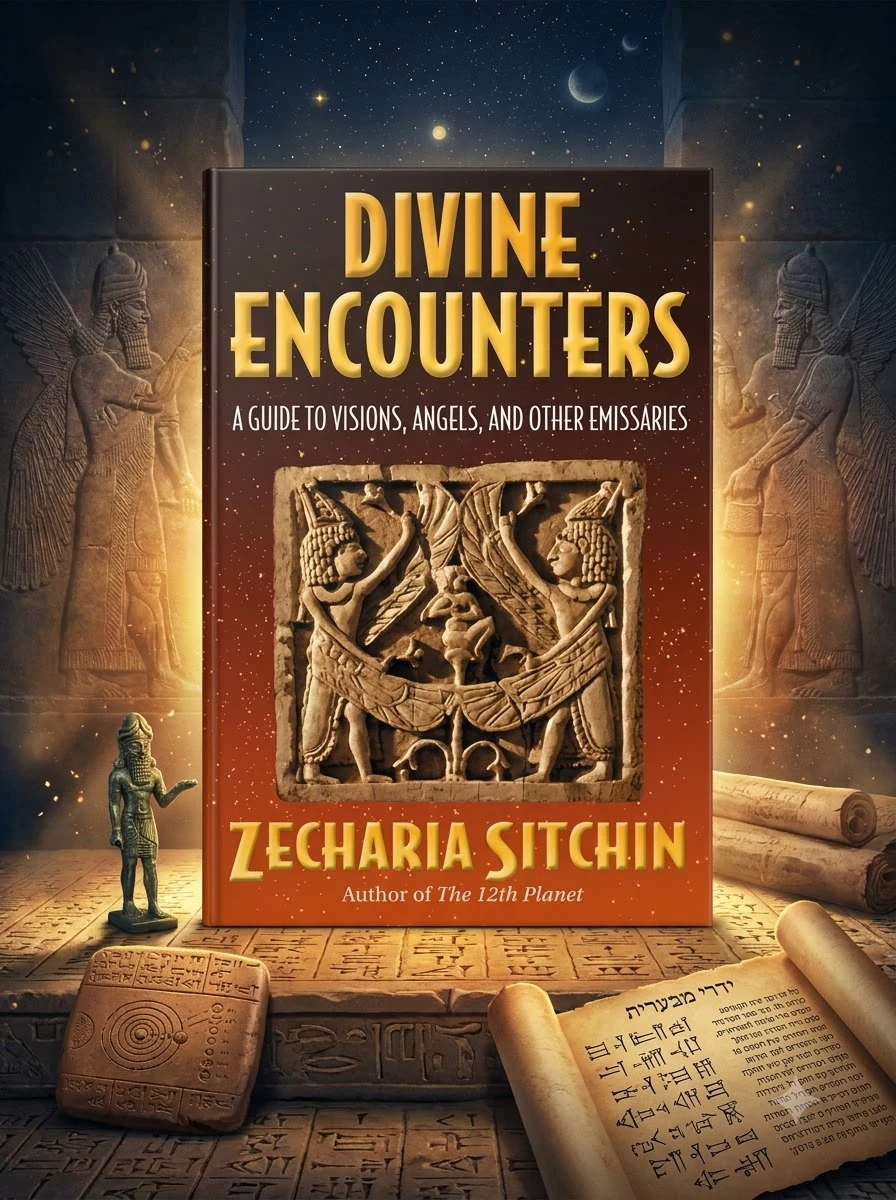
Divine Encounters catalogs accounts of direct contact between humans and divine beings across religious traditions, interpreting them as Anunnaki encounters. It's more of a reference work than a narrative argument, useful if you want to see the breadth of Sitchin's textual research.
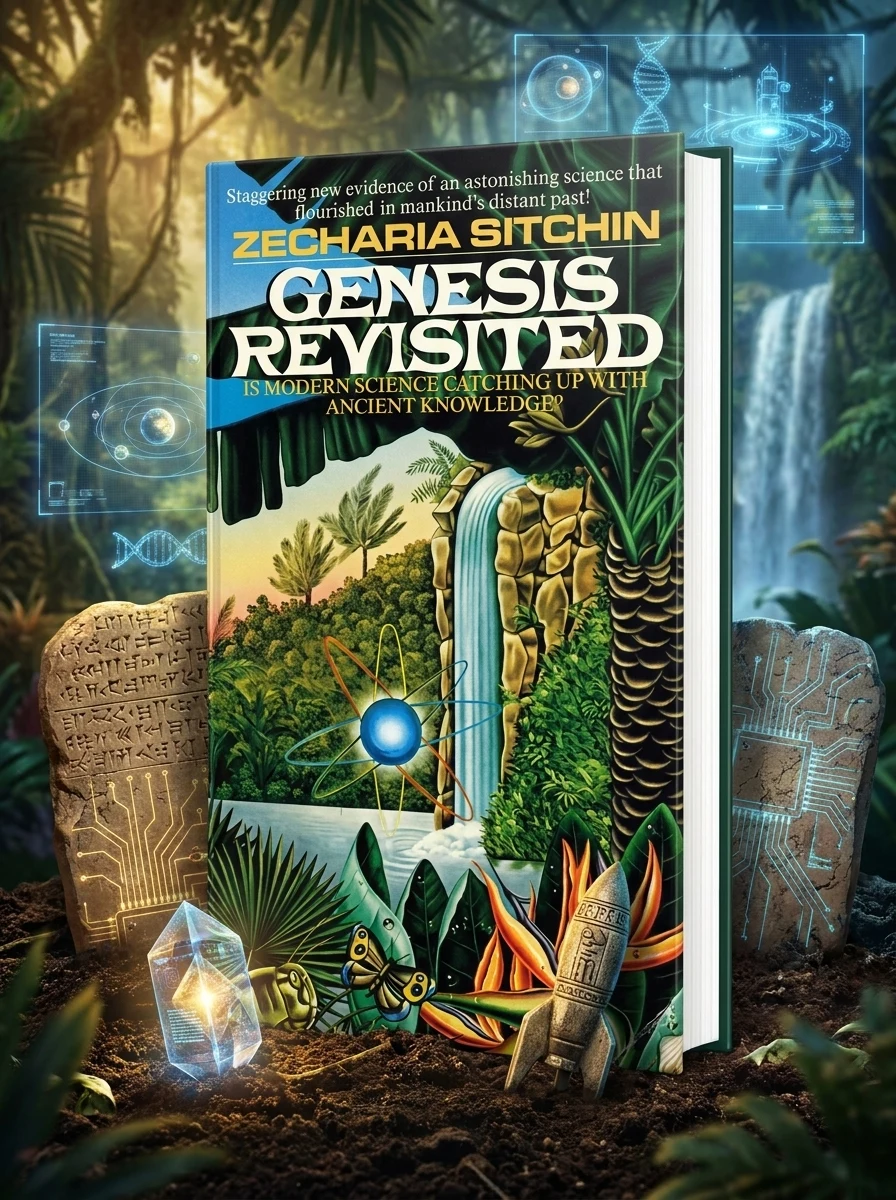
Genesis Revisited is a shorter, more accessible work that revisits biblical creation accounts through Sitchin's lens. It's good for readers who want a focused examination of how Sitchin reinterprets the book of Genesis without the full scope of the Earth Chronicles.
How to Choose Your Path
Your reading strategy depends on your goals and skepticism level.
For the curious skeptic: Start with The 12th Planet and The Stairway to Heaven. These are Sitchin's most rigorous works, grounded in textual analysis. They'll show you what his actual argument is, separate from the sensationalism. You don't need to read further unless you're genuinely interested. Reading these two will inoculate you against the distorted versions you'll encounter in popular media.
For the open-minded explorer: Work through the first four Earth Chronicles books in order. This gives you the full arc of Sitchin's historical narrative without the more speculative later volumes. Stop after The Lost Realms if you want to maintain a degree of critical distance. You'll understand the theory thoroughly without endorsing its more controversial extensions.
For the committed believer: Read all seven Earth Chronicles books, then supplement with The Lost Book of Enki, There Were Giants Upon the Earth, and Divine Encounters. Use The Earth Chronicles Handbook as a reference tool. You'll have the most complete picture of Sitchin's thought.
For the time-pressed reader: Try The Anunnaki Chronicles or Genesis Revisited. These are shorter and give you the essential ideas. If they hook you, move to the full Earth Chronicles series.
One final note: Sitchin's work has been criticized by linguists, archaeologists, and scholars of ancient texts. His translations of Sumerian have been disputed, and his interpretations of ancient sources are not mainstream. Reading Sitchin critically means acknowledging these limitations while engaging with his actual arguments on their own terms. The goal is not to accept or reject his theory wholesale, but to understand what he actually claimed—and why it has captivated so many readers despite its controversial status in academic circles. His work sits at the intersection of occult sciences and alternative history, appealing to those willing to question established narratives about human genesis and civilization.