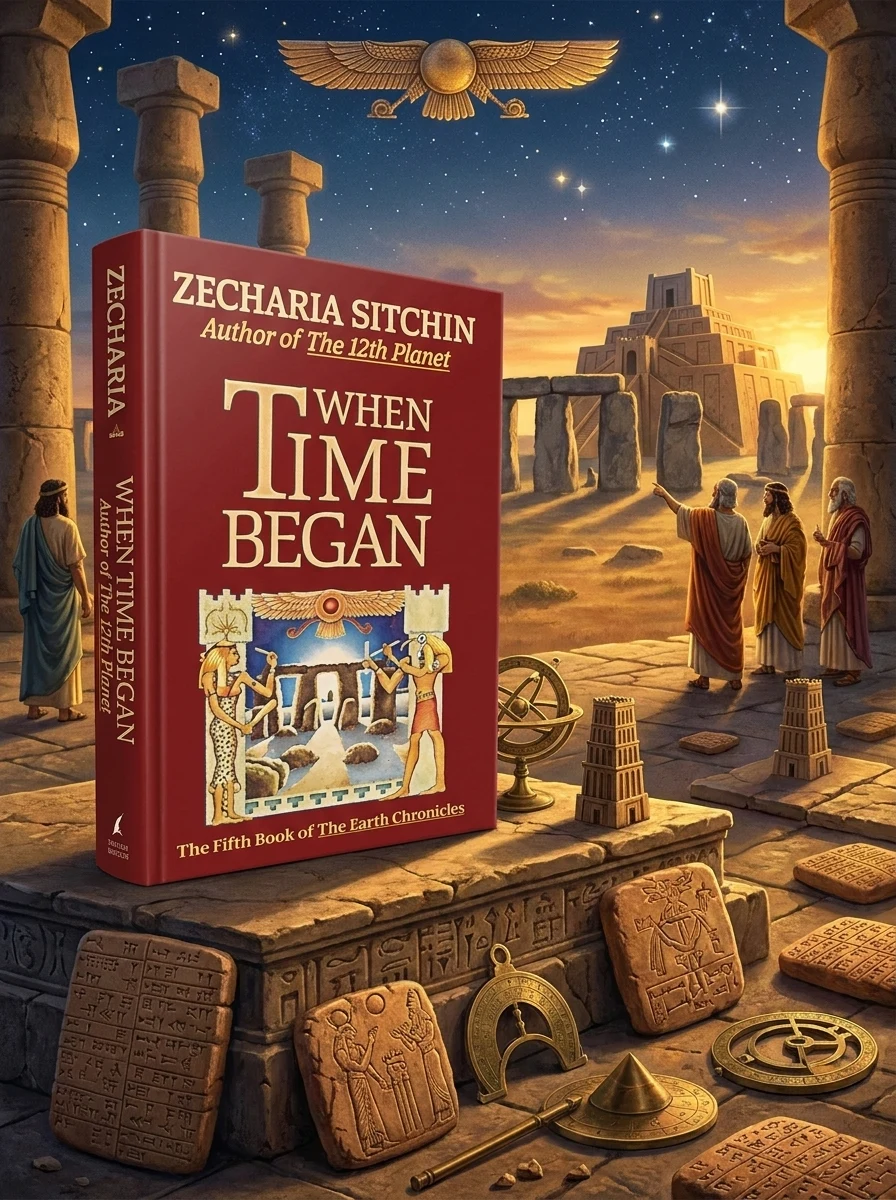
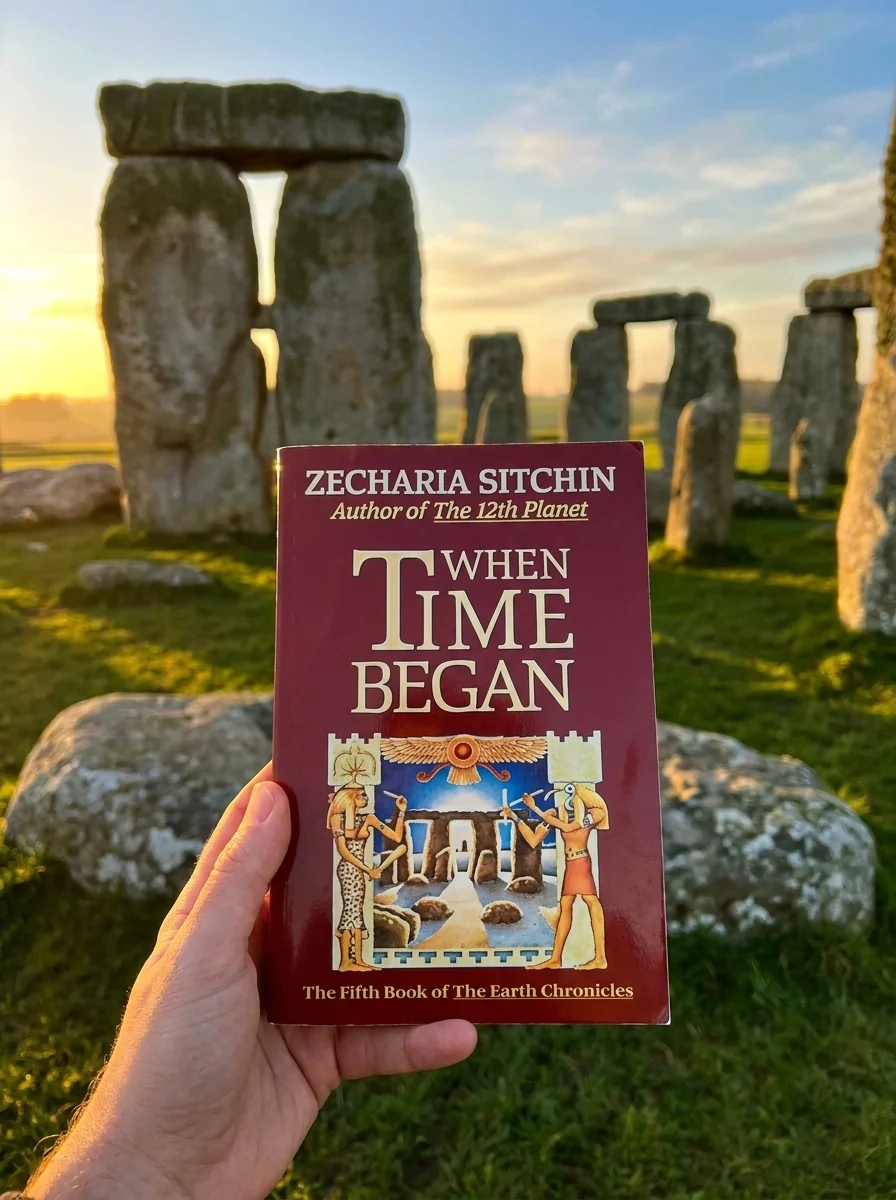
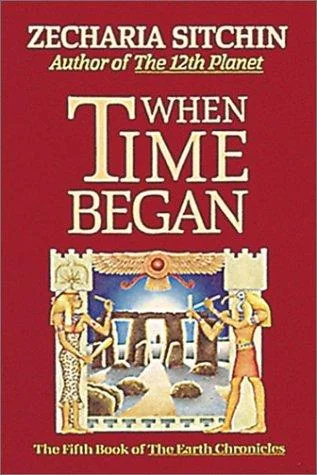
When Time Began (Book V) Sitchin, Zecharia
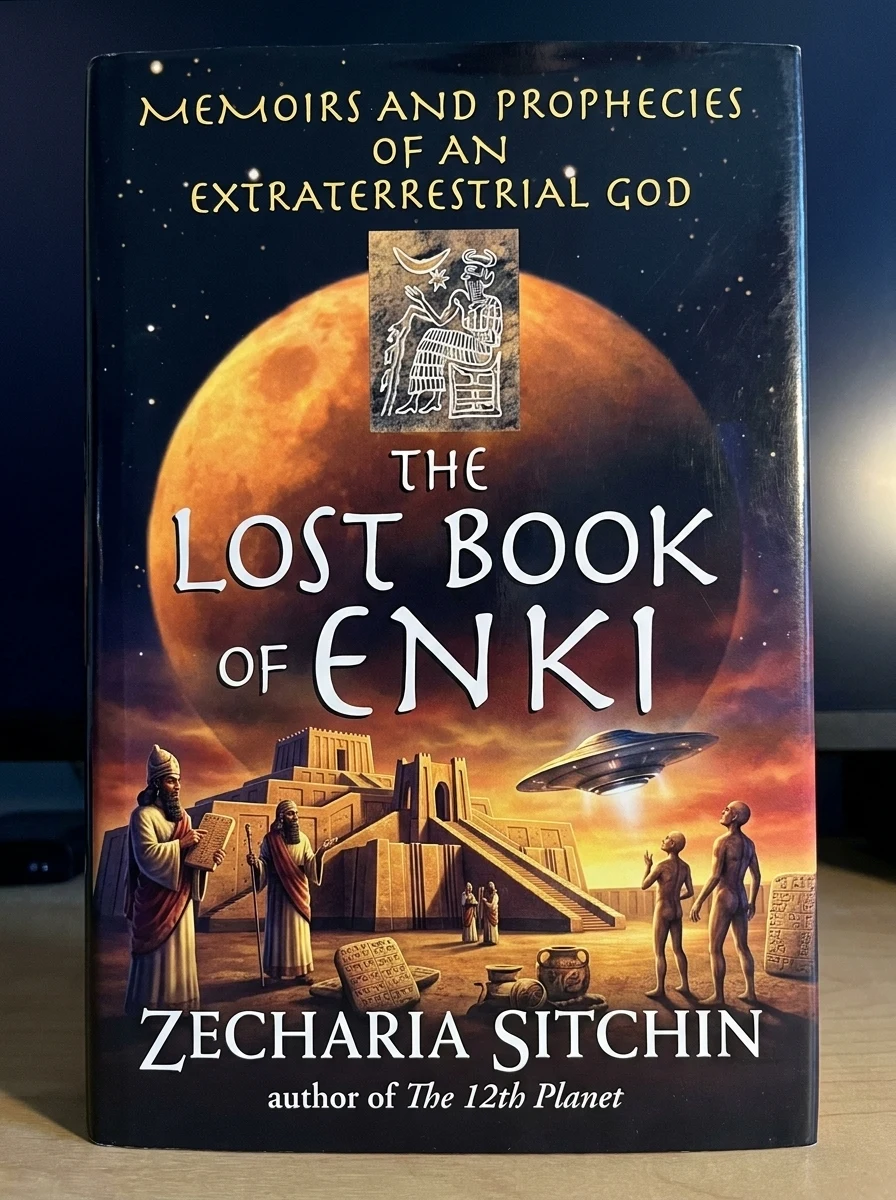
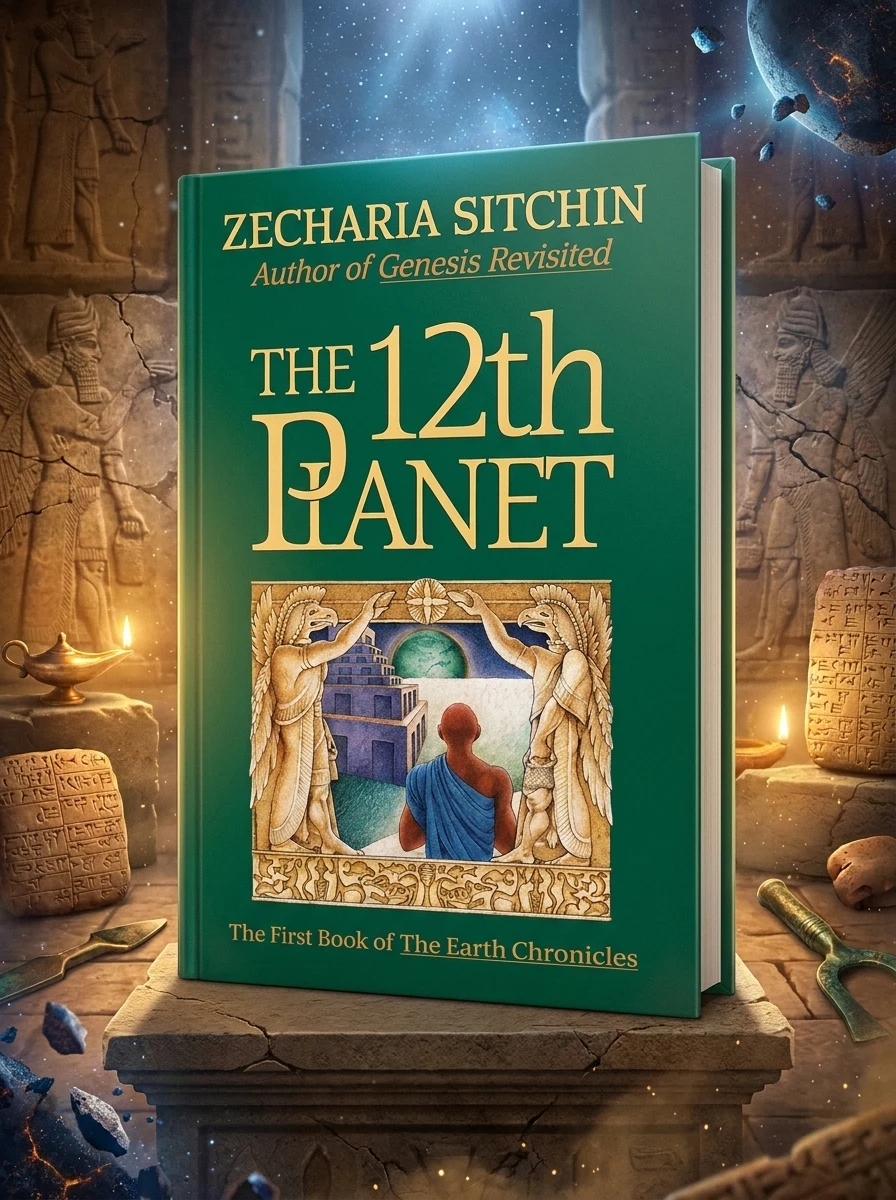
✍️ Sitchin, ZechariaIn this compelling volume, Zecharia Sitchin embarks on a profound exploration of humanity's earliest timelines. He meticulously examines how ancient civilizations, from Sumeria to pre-Columbian America, charted the heavens and constructed colossal structures like Stonehenge and pyramids. Sitchin proposes that these astronomical marvels and precise calendrical systems are not merely human ingenuity, but rather the indelible signature of an advanced, extraterrestrial influence. He culminates his narrative with the pivotal period around 2100 B.C., when the deity Marduk ascended to planetary dominance, reshaping Earth's destiny.


Praise for this book
“Exciting . . . credible . . . most provocative and compelling.”
📝 Description: When Time Began (Book V) Sitchin, Zecharia
📑 What's inside
- Foreword
- 1. The Cycles of Time
- 2. A Computer Made of Stone
- 3. The Temples That Faced Heaven
- 4. DUR.AN.KI--The "Bond Heaven-Earth"
- 5. Keepers of the Secrets
- 6. The Divine Architects
- 7. A Stonehenge on the Euphrates
- 8. Calendar Tales
- 9. Where the Sun Also Rises
- 10. In Their Footsteps
- 11. Exiles on a Shifting Earth
- 12. The Age of the Ram
- 13. Aftermath
- Additional Sources Index
💎 Expert review
📖 Why choose it
Why this book is worth reading
Readers fascinated by the intersection of astronomy, ancient history, and speculative mythology will find this volume deeply engaging. It appeals to those who question conventional historical narratives and seek alternative explanations for monumental achievements like Stonehenge and the pyramids. If you enjoy connecting disparate cultural threads from Sumeria to pre-Columbian America through a unified cosmic lens, this book offers a compelling, if unconventional, perspective. It is ideal for curious minds willing to explore how celestial mechanics might have shaped human destiny, particularly around the pivotal era of 2100 B.C. and the rise of Marduk.
⭐ Reader reviews
Reader rating
Sitchin delivers a provocative synthesis of ancient texts and astronomical data, arguing for extraterrestrial authorship of Earth’s earliest wonders. The narrative is coherent within its own speculative framework, linking Sumerian myths to broader global phenomena. However, this work will not suit readers adhering strictly to mainstream academic archaeology or those seeking evidence-based historical analysis without mythological extrapolation. Skeptics may find the leaps in logic between textual interpretation and physical structures unconvincing. It is best consumed as a piece of esoteric fiction-like nonfiction rather than rigorous science, offering entertainment for believers but frustration for traditionalists.
❓ Frequently asked questions
📖 Who should read this
If you're captivated by ancient mysteries, alternative histories, and speculative theories about humanity's origins, this book offers a radical reinterpretation of archaeological evidence. It’s perfect for those who dare to question conventional narratives.
🎯 Key themes and symbolism
Ancient Celestial Wisdom
Sitchin delves into the sophisticated astronomical knowledge possessed by early societies. He questions how ancient peoples could precisely track celestial movements, develop complex calendars, and align colossal structures with cosmic events, suggesting an intelligence beyond their perceived capabilities guided these advancements.
Megalithic Enigmas Unveiled
The book scrutinizes the purpose and engineering of monumental architecture across the globe, from the megaliths of Europe to the pyramids of Mesopotamia and the Americas. Sitchin argues that these structures, often dating to similar periods, bear a consistent, unexplainable precision, hinting at a singular, shared, and non-human origin for their design and construction.
Divine Architects & History
A central tenet of Sitchin's work is the reinterpretation of ancient myths and deities as extraterrestrial beings. He traces the influence of these 'gods' on human development, culminating in the dramatic power shift around 2100 B.C. where the Babylonian god Marduk's rise to supremacy is presented as a crucial turning point in Earth's history.
📜 Historical context
📚 Glossary
- Sumerian
- Megalithic
- Marduk
📔 Questions to reflect on
- How does Sitchin's reinterpretation of ancient monuments challenge your current understanding of human ingenuity and development?
- If advanced beings did influence early civilizations, what implications might this have for our modern scientific and spiritual paradigms?
- Consider the role of 'mythology' in Sitchin's work. How does he transform traditional narratives of gods and creation into historical events?