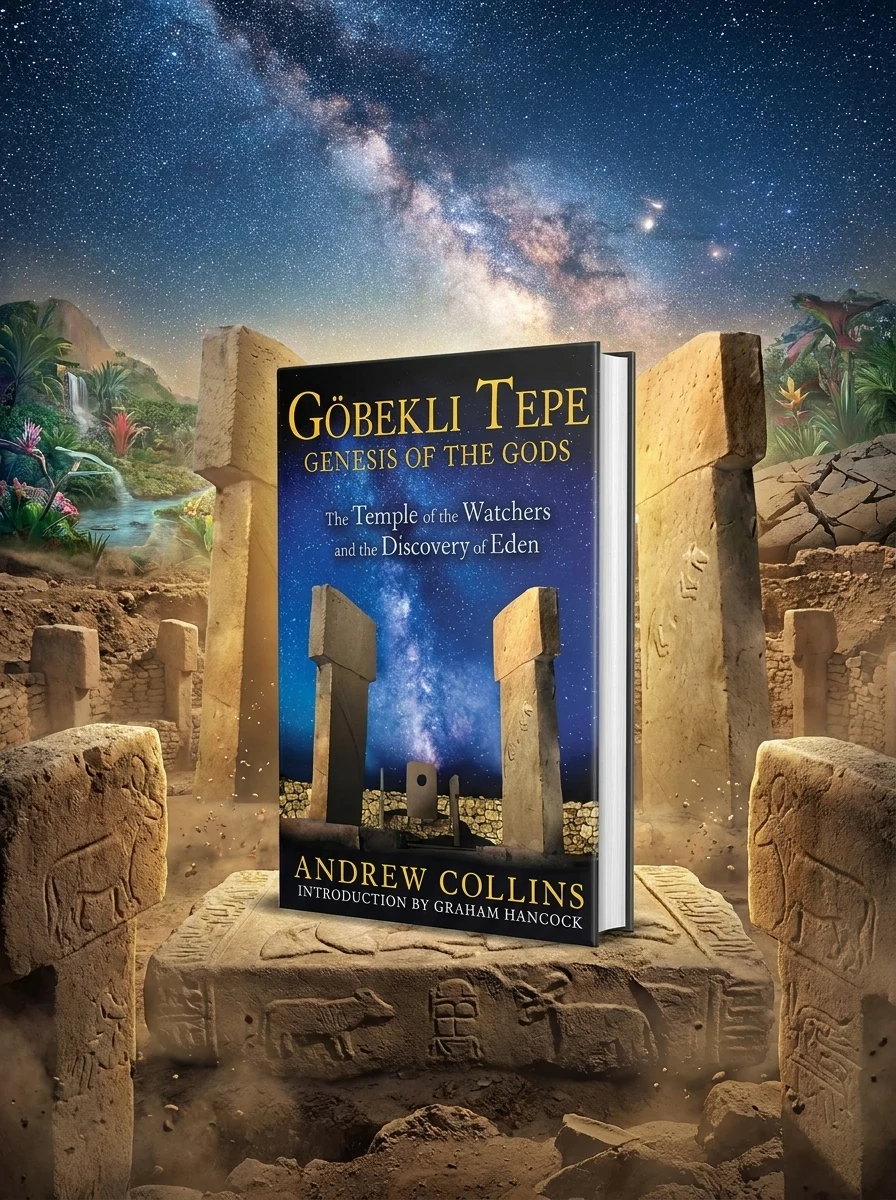
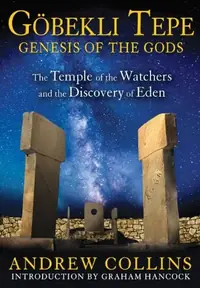
Gobekli Tepe: Genesis of the Gods: The Temple of the Watchers and the Discovery of Eden
Collins, Andrew

Stock reported in the catalog; fulfillment is confirmed with your request.
Discover the megalithic secrets of Göbekli Tepe and its link to ancient myth.
Andrew Collins invites us to Göbekli Tepe, a site that rewrites human history. He argues this 12,000-year-old complex predates civilization, built by post-cataclysm survivors. The text links these T-shaped monoliths to the Watchers and Anunnaki, suggesting a direct line to Eden. Collins blends architectural analysis with mythological interpretation, challenging mainstream archaeology by proposing a lost high culture. This work offers a provocative lens on the origins of spirituality and the sudden appearance of complex art in the Stone Age.
This volume sits firmly within the fringe archaeology and alternative history tradition, specifically exploring esoteric connections between megalithic sites and ancient mythologies like the Watchers and Anunnaki. It challenges mainstream archaeological narratives by proposing that Göbekli Tepe represents a lost high culture predating known civilization.


📝 Description: Gobekli Tepe: Genesis of the Gods: The Temple of the Watchers and the Discovery of Eden
💎 Expert review
📖 Why choose it
Why this book is worth reading
Readers fascinated by the intersection of archaeology, mythology, and spiritual origins will find this book a compelling journey into the mysterious past. Andrew Collins offers a provocative lens on how complex art and spirituality emerged suddenly in the Stone Age, inviting you to rethink the timeline of human history. If you are drawn to megalithic secrets, ancient myths of Eden, or the idea that post-cataclysm survivors preserved high culture, this work provides a stimulating narrative. It is ideal for those who enjoy challenging established historical consensus and exploring the spiritual lineage of modern beliefs through the enigmatic lens of Göbekli Tepe.
⭐ Reader reviews
Reader rating
Collins presents a bold synthesis of architectural analysis and mythological interpretation, arguing that Göbekli Tepe links directly to the Watchers and Anunnaki. This approach will delight alternative history enthusiasts seeking a narrative that rewrites human origins through a spiritual framework. However, readers seeking strict adherence to conventional archaeological evidence or peer-reviewed scientific consensus may find the speculative leaps regarding lost high cultures unconvincing. The book is not for skeptics who require hard data over mythological alignment. It is best suited for those already open to esoteric interpretations of ancient sites and willing to engage with a narrative that prioritizes spiritual genesis over mainstream historical timelines.
❓ Frequently asked questions
📖 Who should read this
Readers fascinated by alternative archaeology, Sumerian mythology, and the Book of Enoch. If you enjoy challenging mainstream historical narratives and exploring the intersection of geology, myth, and ancient spirituality, this book will resonate with your quest for hidden truths.
🎯 Key themes and symbolism
Pre-Flood Cataclysm Memory
Collins posits that the builders survived a global flood, encoding their trauma and astronomical knowledge into the stone. The site serves as a memorial to a lost world, preserving memories of a time before the deluge reshaped the earth and human society.
Anunnaki and Watcher Lore
The author connects the site’s iconography to Sumerian gods and Enochian watchers, suggesting these were real entities or ancestors. He argues the temple was constructed to honor or appease these beings, bridging the gap between archaeological evidence and ancient religious texts.
Eden’s Geographic Location
Collins identifies the region around Göbekli Tepe as the physical location of the Garden of Eden. He uses geological and mythological data to argue that this was the cradle of humanity, where the first humans lived before the catastrophic event that scattered them.
💬 Quotes from the book
“The complexity of Göbekli Tepe suggests a forgotten civilization of profound depth.”
“Stone remembers what history has erased.”
📜 Historical context
📚 Glossary
- T-shaped Monoliths
- Anunnaki
- Pre-Pottery Neolithic
📔 Questions to reflect on
- How does the idea of a lost high culture change your view of human progress?
- In what ways might trauma be encoded in cultural myths and rituals?
- Do you believe archaeology and mythology can intersect to reveal truth?
✍️ More books by this author Collins, Andrew
All books by this author →
🏛 Books from this publisher Bear & Company
All books from this publisher →
You might also like
See more →