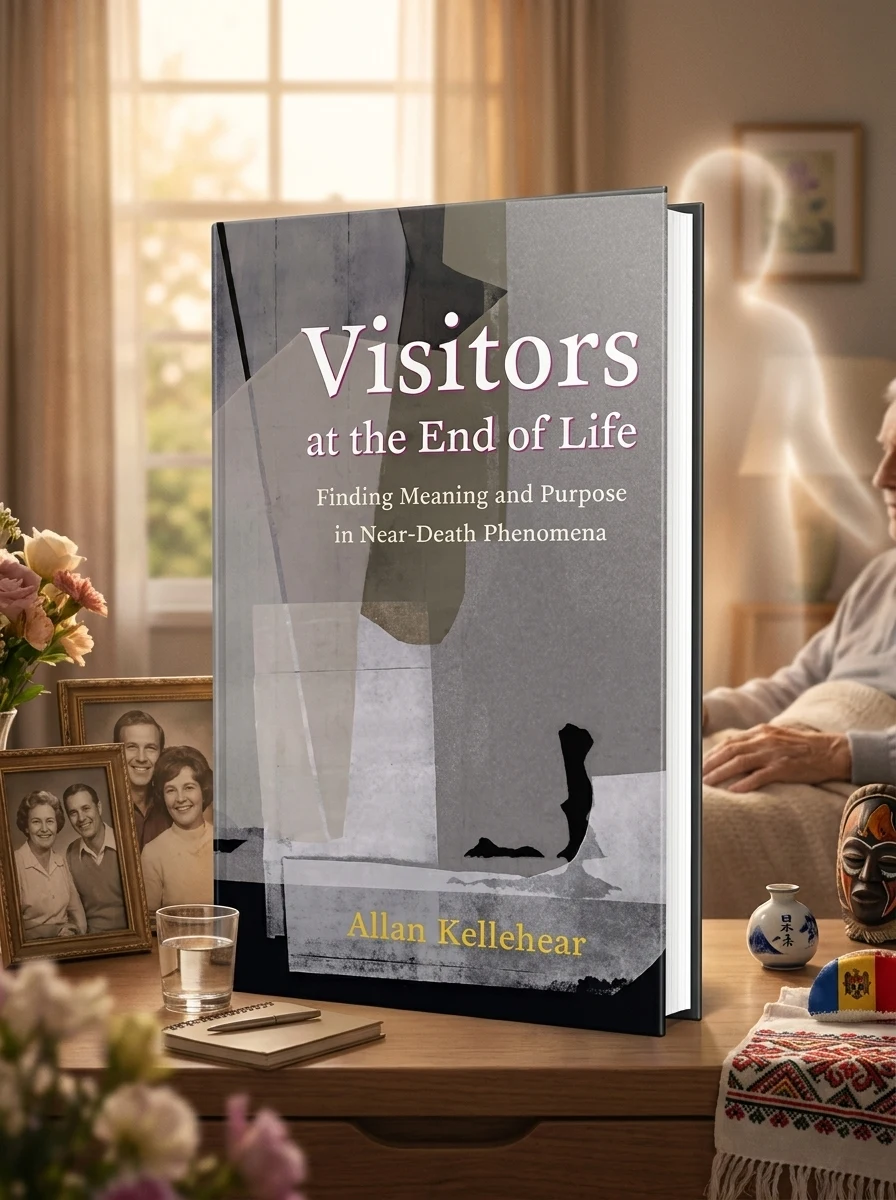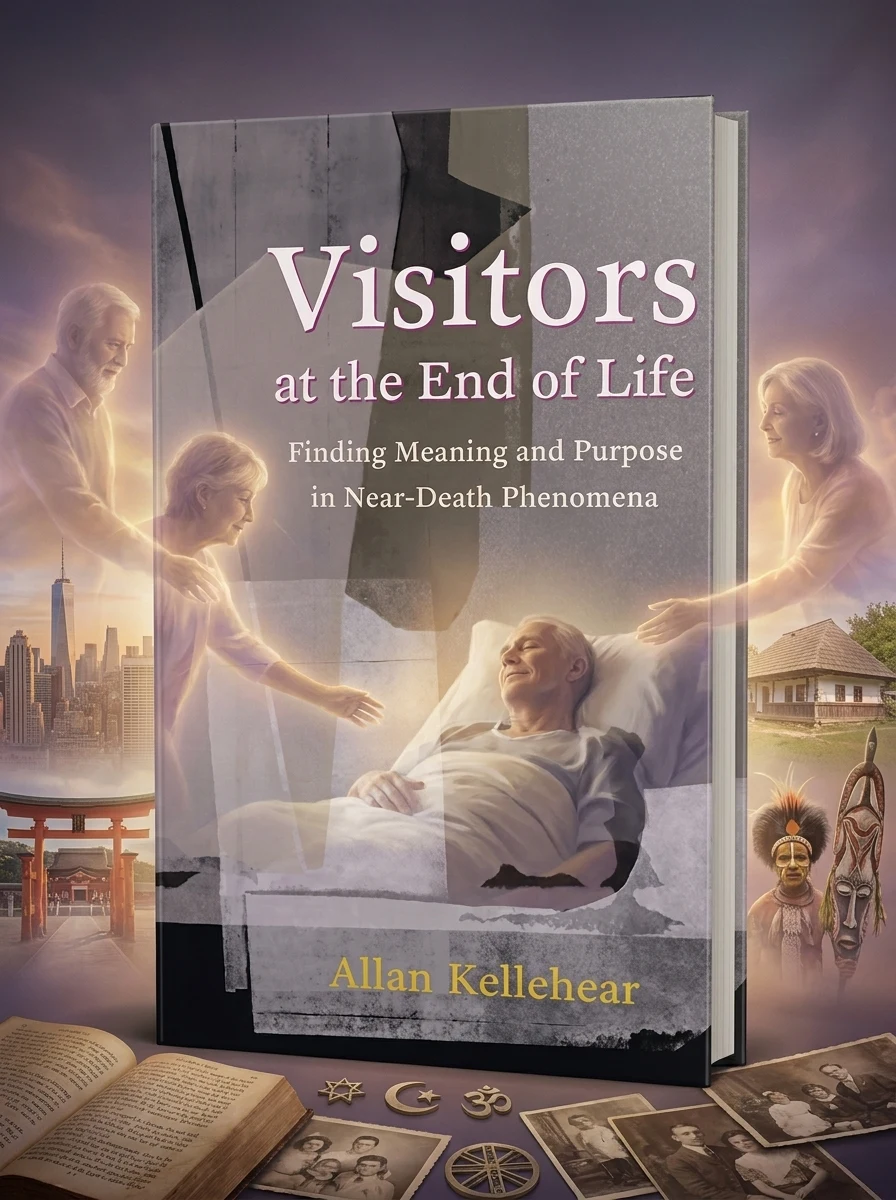

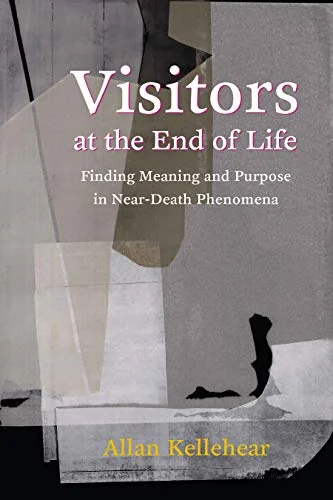
Visitors at the End of Life: Finding Meaning and Purpose in Near-Death Phenomena
✍️ Kellehear, AllanAllan Kellehear, a distinguished medical sociologist, delves into the widespread phenomenon of deathbed visions, where individuals nearing life's end perceive deceased loved ones. This book moves beyond simplistic supernatural or purely biological explanations, instead offering a compelling sociological perspective. Drawing on extensive cross-cultural data and neglected anthropological research, Kellehear reveals how these profound experiences, reported globally from New York to Papua New Guinea, align with universal social rituals of greeting, support, and farewell. It's a vital exploration of why our departed seem to return in our most critical moments.


📝 Description: Visitors at the End of Life: Finding Meaning and Purpose in Near-Death Phenomena
📑 What's inside
- Preface
- Part I. Conflict and Context
- 1. Visitors Near Death: Are They "Real"?
- 2. Hallucinations
- 3. Perception
- Part II. Patterns of Custom and Solicitation
- 4. Greetings and Other Customs
- 5. Advice
- 6. Transformation
- 7. Gifts
- Part III. A Pattern Directing the Patterns
- 8. Vigils
- Conclusion
- Acknowledgments
- Notes
- Bibliography
- Index
💎 Expert review
📖 Why choose it
Why this book is worth reading
Readers seeking a profound, evidence-based understanding of the final moments of life will find deep comfort and clarity in this text. It is ideal for those who have experienced or witnessed deathbed visions and wish to understand their universal significance beyond superstition or biology. By framing these encounters as meaningful social rituals of greeting and farewell, Kellehear offers a compassionate lens for processing grief and existential questions. Professionals in palliative care, sociologists, and individuals interested in the anthropology of mortality will gain valuable insights into how cultures globally interpret these critical transitions, providing both intellectual stimulation and emotional resonance.
⭐ Reader reviews
Reader rating
Kellehear delivers a rigorous sociological analysis that successfully demystifies deathbed visions without stripping them of their spiritual weight. However, readers seeking definitive proof of an afterlife or those preferring purely mystical narratives may find the academic detachment unsatisfying. The reliance on broad anthropological trends rather than intimate case studies might feel distant to some. It is not suitable for casual readers looking for quick comfort or sensationalism, nor for skeptics who demand purely biological explanations. This book demands engagement with complex social theories, making it best suited for those willing to explore the structural underpinnings of human experience at life's edge.
❓ Frequently asked questions
📖 Who should read this
If you're a palliative care professional, a student of death studies, or simply curious about the profound mysteries surrounding end-of-life experiences, this book offers an indispensable, evidence-based perspective that bridges sociology, anthropology, and the human condition.
🎯 Key themes and symbolism
The Visitation Phenomenon
Explore the documented reality of deathbed visions, where approximately 30% of hospice patients experience encounters with deceased individuals. These vivid perceptions, typically occurring days before death, are presented not as aberrations but as significant, recurring events that demand serious consideration beyond medical or mystical reductionism.
Universal Cultural Patterns
Discover how these end-of-life visitations manifest with striking similarities across diverse cultures and belief systems, from bustling Western cities to remote indigenous communities. Kellehear emphasizes that the shared human experience of these encounters points to a deeper, perhaps innate, social function rather than culturally specific hallucination or spiritual belief.
Sociological Interpretation
Kellehear champions a unique sociological lens, interpreting deathbed visions as deeply embedded social interactions. Rather than attributing them solely to brain chemistry or supernatural forces, the book posits these experiences as conforming to fundamental human rituals of communication, exchange, and support, fulfilling essential social needs even at life's conclusion.
📜 Historical context
📚 Glossary
- Deathbed Vision
- Palliative Care
- Medical Sociologist
📔 Questions to reflect on
- How might our understanding of death and dying change if end-of-life visitations were universally acknowledged as meaningful social events?
- Reflect on a time you or someone you know experienced a profound, unexplainable encounter. How does Kellehear's sociological framework resonate with or challenge your interpretation?
- Consider the role of cultural narratives around death. How do these narratives shape our openness or resistance to phenomena like deathbed visions?