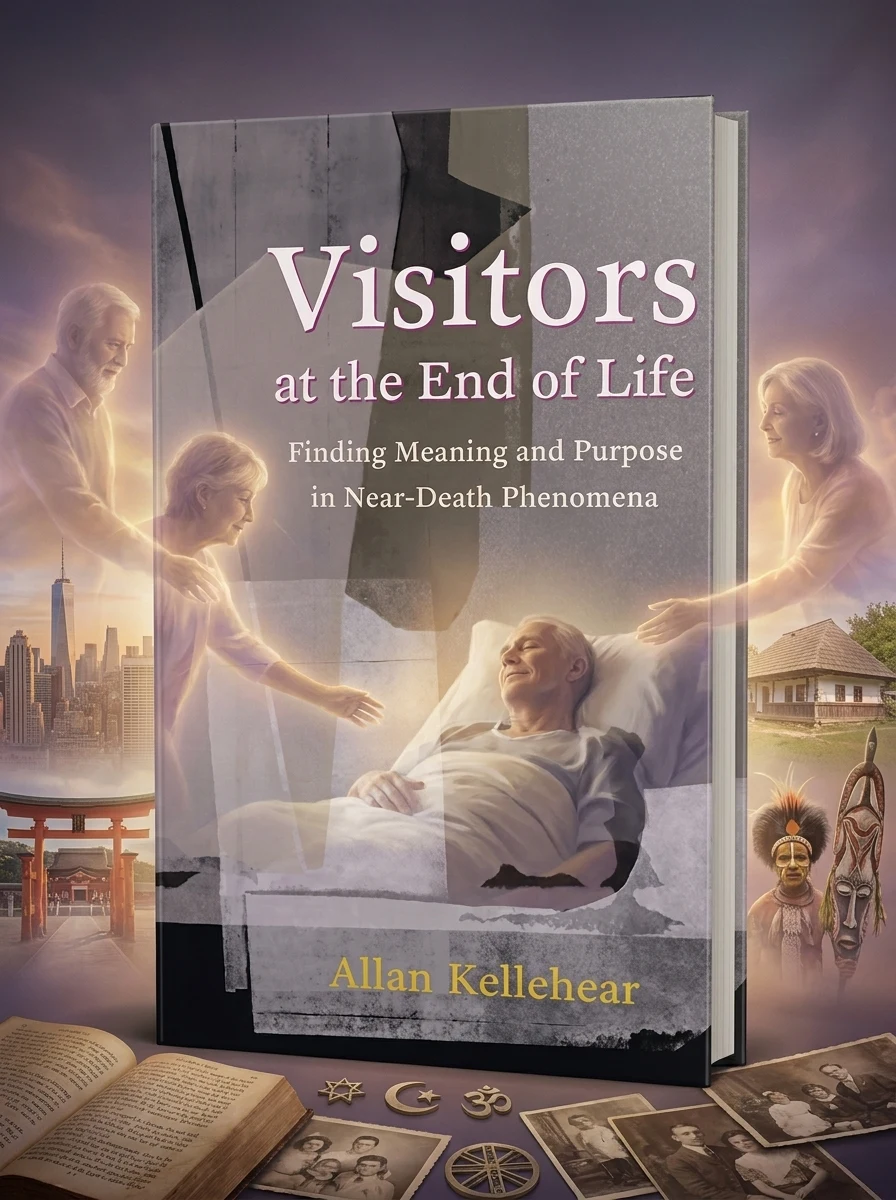
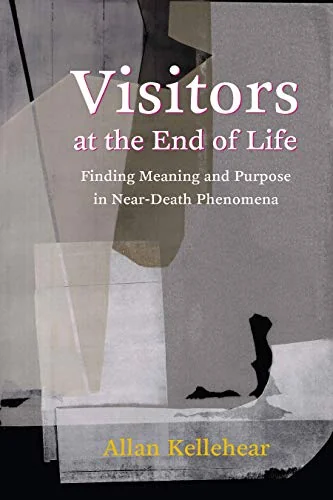
Visitors at the End of Life: Finding Meaning and Purpose in Near-Death Phenomena
✍️ Kellehear, AllanA sociological study of deathbed visions and cross-cultural near-death visitations.
This text approaches near-death visitations through the framework of basic human social relations. Kellehear utilizes historical records, cross-cultural studies, and early anthropological theories to explain how the dead communicate using established cultural customs. By analyzing encounter patterns across distinct geographic regions, the author frames these experiences as meaningful social exchanges that assist the dying during end-of-life care.
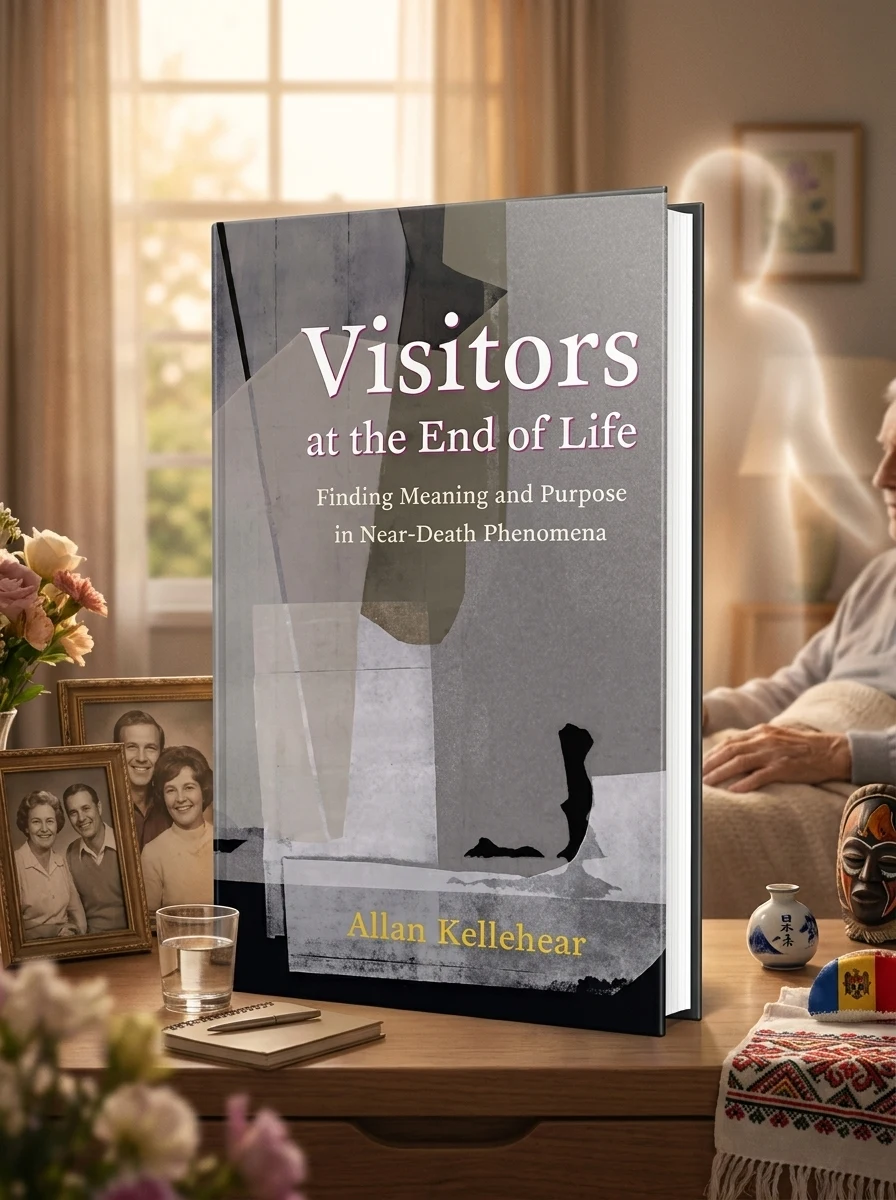
This work connects modern hospice observations from New York, Japan, Moldova, and Papua New Guinea with historical records of visitations during illness and bereavement. It draws on neglected early anthropological research to address modern debates between neuroscientific explanations and supernatural claims.


📝 Description: Visitors at the End of Life: Finding Meaning and Purpose in Near-Death Phenomena
💎 Expert review
📖 Why choose it
Why this book is worth reading
Readers seeking a nuanced understanding of the final moments of life will find this book deeply reassuring and intellectually stimulating. It is ideal for those who have witnessed deathbed visitations or wish to support hospice patients with greater empathy. Kellehear’s approach avoids fear-mongering, offering instead a culturally sensitive framework that validates these experiences without forcing supernatural or purely neurological labels. Those interested in the social rituals surrounding death, or anyone grappling with their own mortality, will gain comfort from the cross-cultural evidence presented here.
⭐ Reader reviews
Reader rating
Kellehear offers a compelling, sociological perspective on deathbed visions that feels both rigorous and compassionate. By drawing on overlooked anthropological insights, he provides a robust alternative to reductive scientific explanations. However, readers seeking definitive proof of an afterlife or those who prefer purely spiritual rather than academic treatments may find the data-driven approach somewhat detached. It is not a manual for grief counseling but a scholarly examination of a universal human phenomenon. The book succeeds in demystifying the experience while honoring its profound emotional weight across diverse cultures.
❓ Frequently asked questions
📖 Who should read this
If you are drawn to the mysteries of life's ultimate frontier, or seek a deeper, more grounded understanding of psychic phenomena and human connection at the end of life, this book offers an indispensable perspective. It’s for those who appreciate rigorous inquiry into profound human experiences.
🎯 Key themes and symbolism
Universal End-of-Life Visions
This work meticulously documents the astonishing similarity of deathbed visions reported across diverse cultures and belief systems, from New York to Papua New Guinea. It highlights how these experiences unify humanity in its approach to the final transition, suggesting a common thread woven into the fabric of human consciousness at life's end.
Sociological Lens on the Beyond
Kellehear presents a groundbreaking sociological interpretation of these phenomena, challenging conventional supernatural fantasies and reductive scientific explanations. He positions visitations within the framework of human social behavior and ritual, offering a nuanced understanding rooted in cultural norms and collective human experience rather than mere hallucination or spiritual revelation.
Ritual and Connection in Death
The book explores how these visitations often mirror fundamental social rituals: greetings, support, exchange, and vigils. It suggests that the appearances of the deceased serve to fulfill deeply ingrained human customs of connection and communication, reinforcing the idea that even in death, our social bonds persist in meaningful, observable ways.
📜 Historical context
📚 Glossary
- Deathbed Vision
- Palliative Care
- Medical Sociologist
📔 Questions to reflect on
- Reflect on any personal experiences or stories you've heard about visitations from the deceased. How do these resonate with the sociological explanations presented in the book?
- Consider how cultural beliefs surrounding death and the afterlife might shape or interpret these end-of-life visions. What role do rituals play in your own understanding of death?
- If deathbed visions are indeed a form of social ritual, what does this imply about the enduring nature of human connection beyond physical presence?