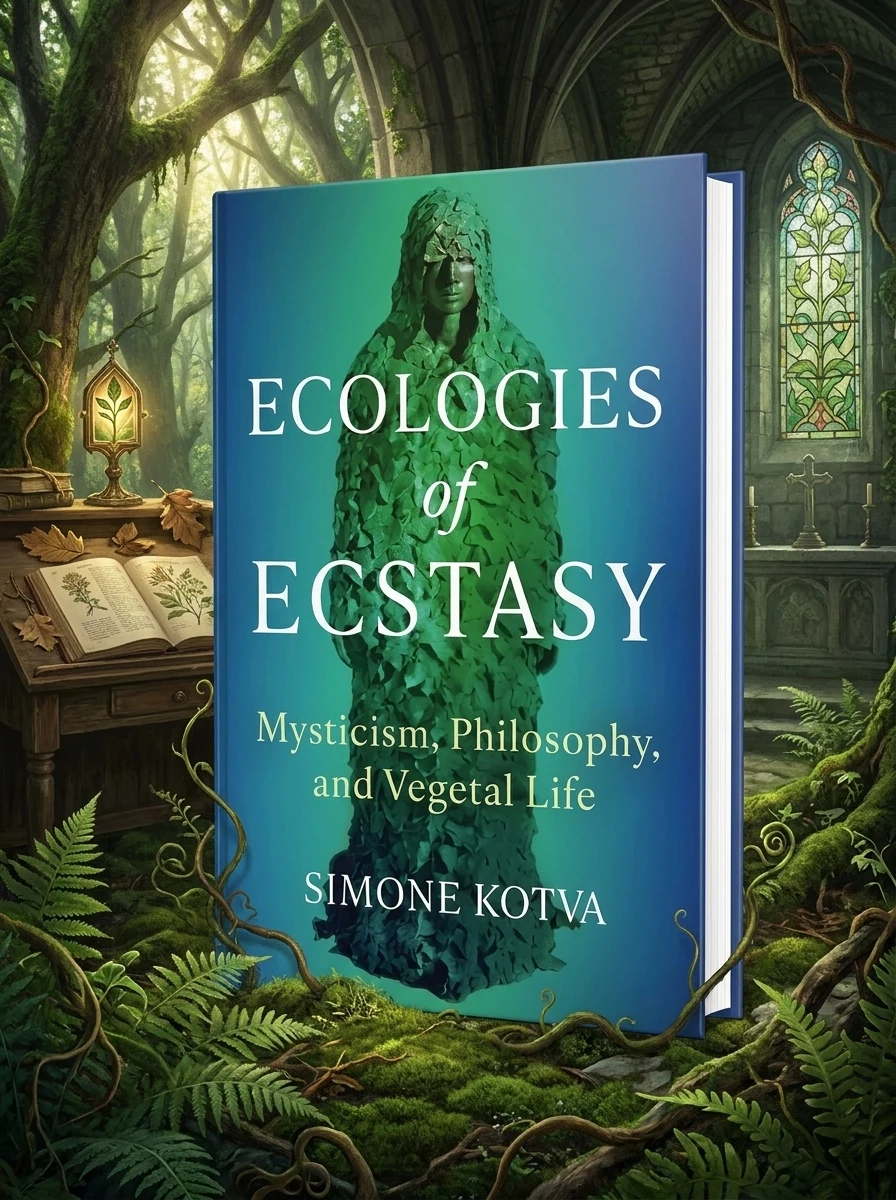
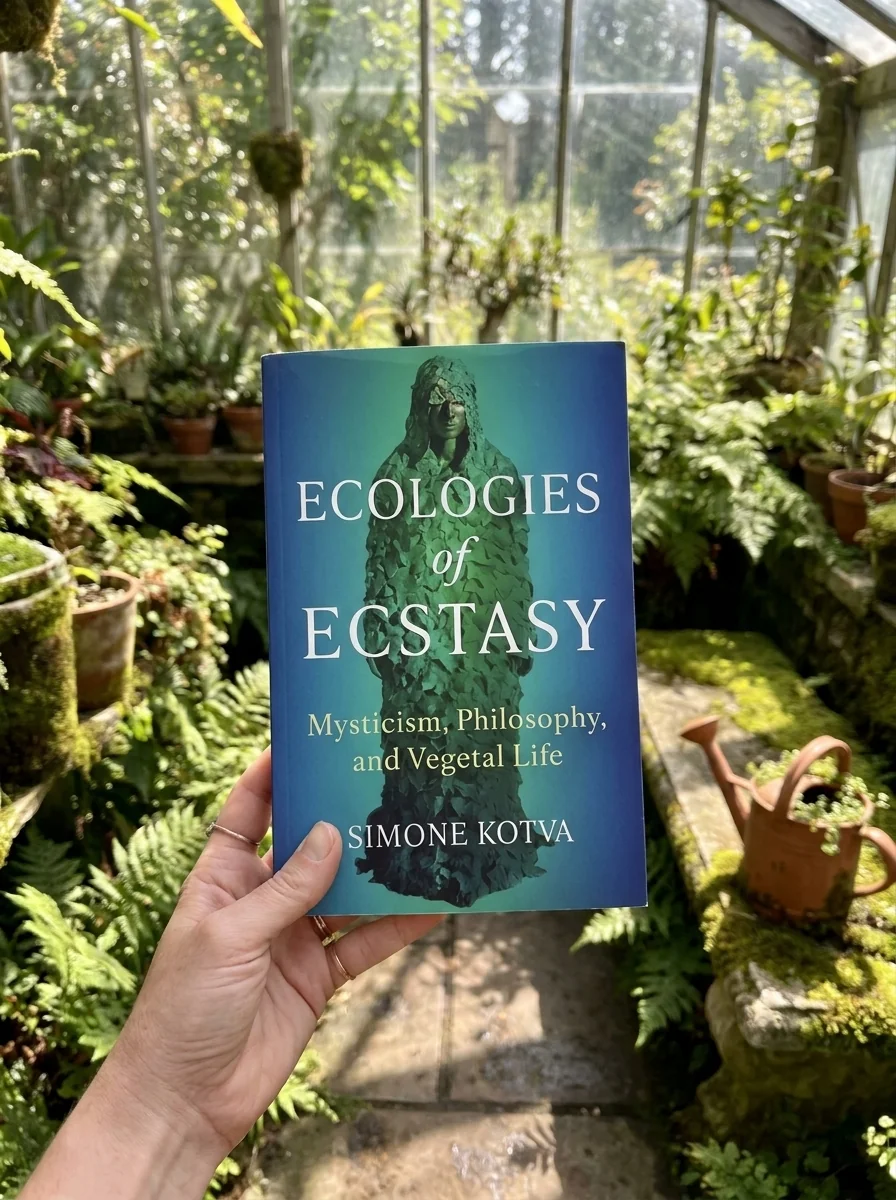
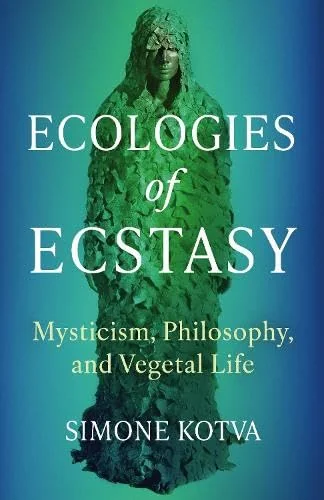
Ecologies of Ecstasy: Mysticism, Philosophy, and Vegetal Life
✍️ Kotva, SimoneSimone Kotva's groundbreaking work invites us to reconsider religious contemplation through the lens of botanical existence. She argues that spiritual practice intrinsically mirrors the life-generating processes of the Earth. Delving into the history of Christian mysticism, Kotva reveals how figures like Hildegard of Bingen understood mystical union as a profound dissolution of self and world, a state akin to vegetal being. This book unearths a forgotten tradition where the very essence of life was seen through contemplation, an idea subsequently marginalized by religious orthodoxies. It's a fresh, radical perspective on our spiritual heritage.


📝 Description: Ecologies of Ecstasy: Mysticism, Philosophy, and Vegetal Life
💎 Expert review
📖 Why choose it
Why this book is worth reading
Readers deeply interested in the intersection of spirituality and nature will find profound value in this text. It offers a radical reimagining of religious contemplation, appealing to those who feel disconnected from traditional dogmatic structures but seek authentic mystical experience. If you are drawn to the idea that spiritual practice mirrors biological processes, this book provides a fresh lens on your heritage. It is ideal for scholars and seekers alike who wish to explore how the dissolution of self can be understood through the silent wisdom of plants. This work illuminates a forgotten tradition, offering comfort and intellectual stimulation to those looking to reconnect with the earth-based roots of their spiritual journey.
⭐ Reader reviews
Reader rating
Kotva presents a bold thesis that mystical union resembles vegetal being, unearthing a marginalized tradition within Christian history. While intellectually stimulating for those versed in theological history, this book is not suited for casual readers seeking simple devotional guides or scientific botanical studies. It requires patience and familiarity with abstract philosophical concepts regarding the self and world. Readers expecting practical meditation techniques or straightforward hagiography may find the dense theoretical framework alienating. However, for those willing to engage with its complex arguments about life-generating processes, it offers a unique and necessary critique of orthodox spiritual frameworks.
❓ Frequently asked questions
📖 Who should read this
If you are a seeker interested in the intersection of philosophy, ecology, and spiritual traditions, or if you're looking for a radical reinterpretation of Christian mysticism, this book offers a verdant path to deeper understanding. Prepare to have your perceptions of religion and nature profoundly transformed.
🎯 Key themes and symbolism
Vegetal Mysticism Unveiled
Kotva recasts religious contemplation not merely as an internal human act, but as a form of 'vegetal being.' She explores how spiritual practices, particularly Christian mysticism, have historically been intertwined with the life cycles and silent existence of plants, suggesting that profound spiritual states echo the interconnectedness found in the natural world.
Mystical Union's Green Roots
The book meticulously traces the concept of mystical union—the ultimate loss of distinction between self and world—back to its ecological and vegetal origins. Kotva demonstrates how various mystics perceived this merging as an embodiment of the Earth's generative processes, a spiritual state deeply embedded in the natural environment rather than solely transcendent.
Reclaiming Suppressed Wisdom
Kotva excavates historical instances where the profound spiritual significance of plants, animals, and other creatures was acknowledged as foundational to existence, only to be later suppressed. She highlights how religious orthodoxies sidelined these 'ecologies of ecstasy,' offering fresh, critical readings of pivotal mystical texts through a modern, interdisciplinary lens.
📜 Historical context
📚 Glossary
- Vegetal Life
- Mystical Union
- Critical Plant Studies
📔 Questions to reflect on
- How might understanding your own spiritual practice as a 'vegetal being' shift your relationship with the natural world and your sense of self?
- Consider a moment of profound connection with nature. How did this experience blur the lines between your individual self and the environment around you, echoing a 'mystical union'?
- Reflect on historical or cultural narratives that have marginalized the spiritual significance of plants or animals. What might be gained by re-integrating these perspectives into contemporary spirituality?