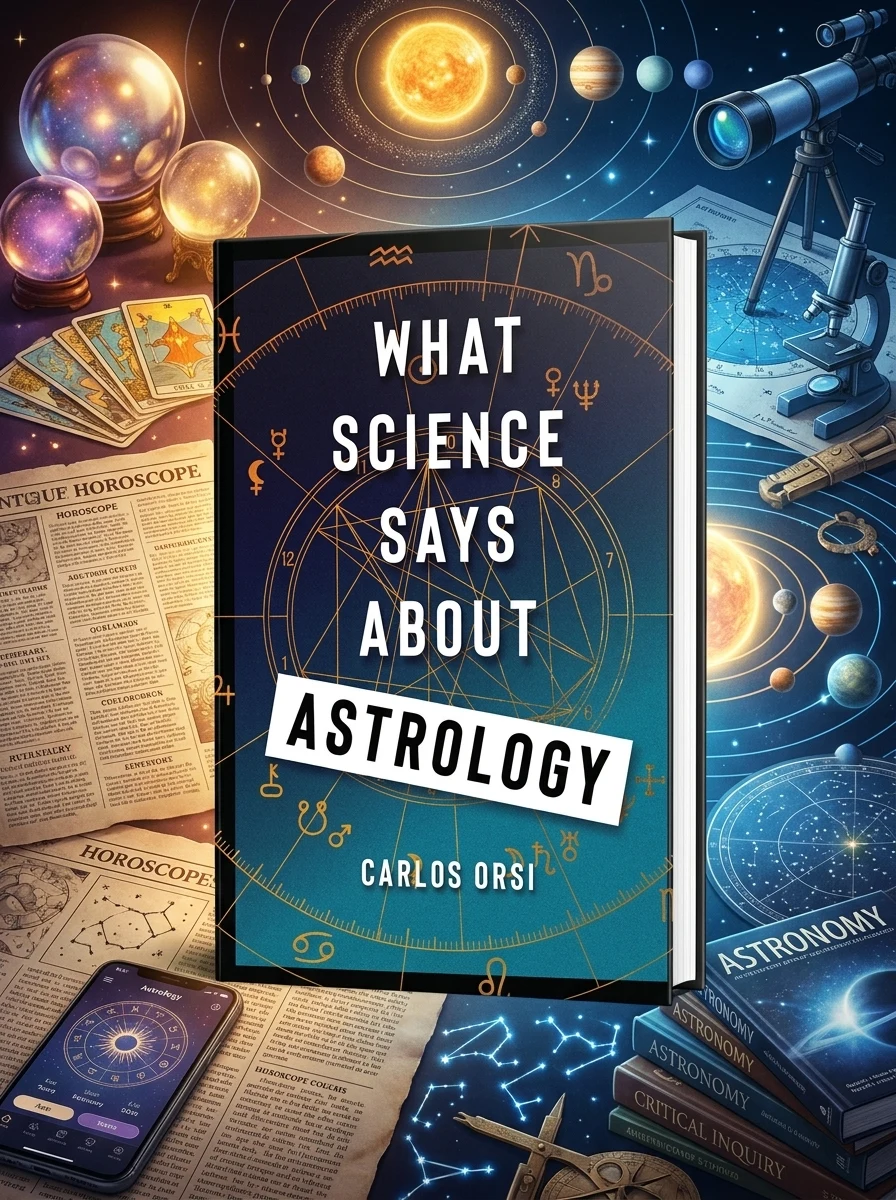
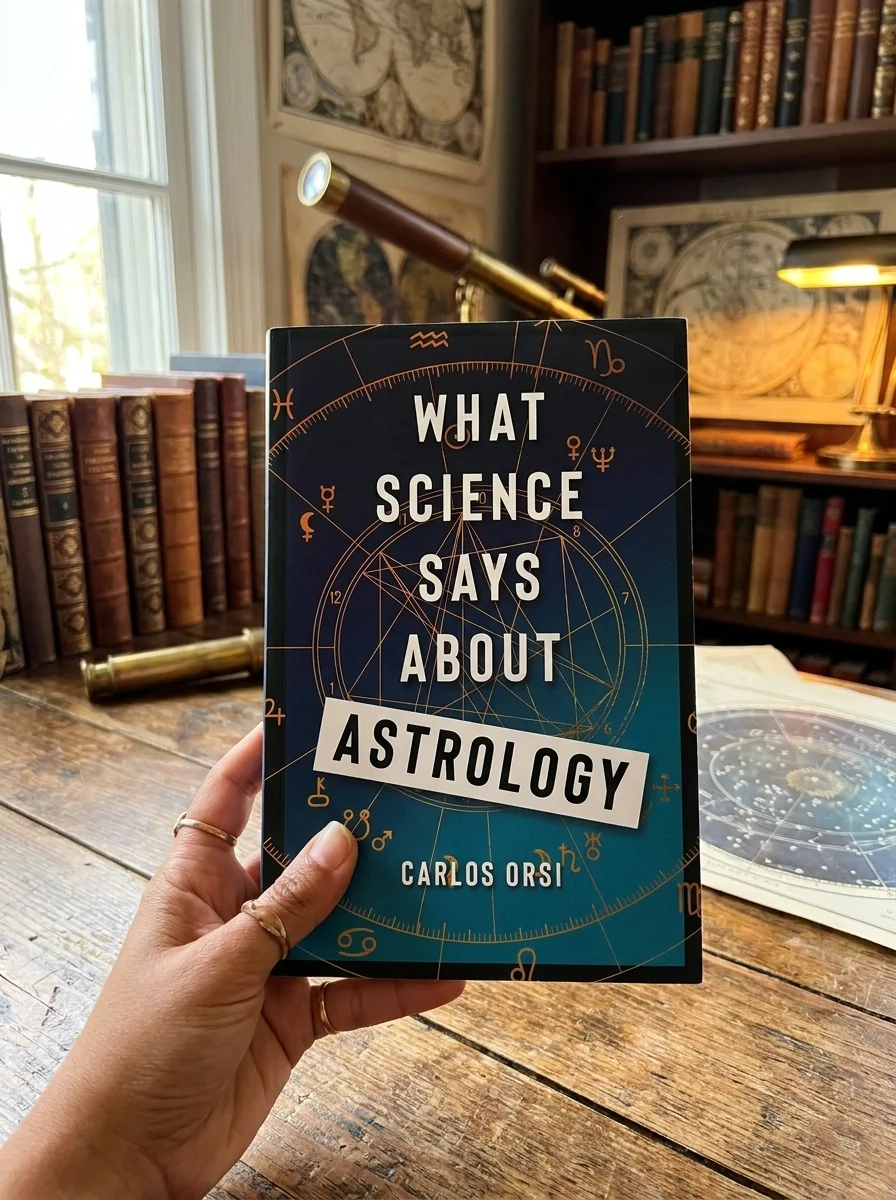
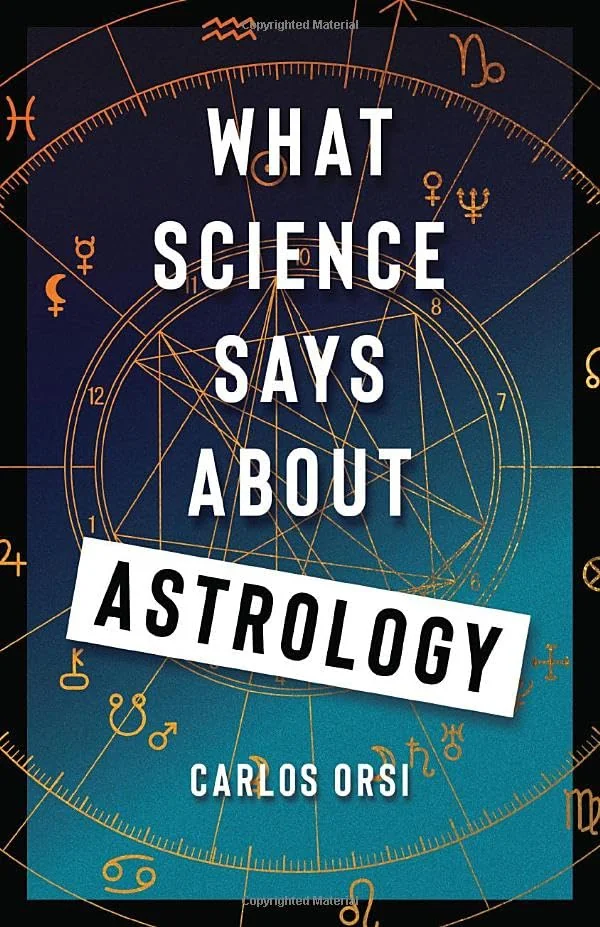
What Science Says about Astrology
A scientific and psychological analysis of astrology's history, debunked claims, and modern appeal.
Journalist Carlos Orsi brings more than thirty years of experience in science writing to this Columbia University Press paperback volume. The book examines astrology through a critical scientific lens, tracing its long history while evaluating its placement as a pseudoscience. Orsi details how rigorous scientific experiments tested and debunked common claims regarding celestial influence on human affairs, explaining the psychological and social mechanisms that sustain its global appeal.
This work addresses thousands of years of celestial belief alongside today's global market of mobile apps, newspaper columns, and professional counselors. It sits within modern discussions on social psychology, public understanding of science, and the dangers of irrational beliefs in decision-making.


📝 Description: What Science Says about Astrology
💎 Expert review
📖 Why choose it
Why this book is worth reading
Readers seeking a balanced perspective on the enduring allure of astrology will find this book invaluable. It appeals to those who appreciate scientific rigor but also possess an empathetic understanding of why celestial beliefs resonate deeply with human psychology. If you are curious about how predictions seem uncannily accurate despite lacking empirical support, Orsi provides the necessary experimental evidence to demystify these phenomena. This text is perfect for skeptics who want to understand the cultural and psychological mechanisms behind astrological appeal without dismissing the phenomenon entirely. It offers an insightful look at the intersection of science, culture, and human thought, helping readers navigate their own beliefs with clarity and critical awareness.
⭐ Reader reviews
Reader rating
Orsi delivers a fascinating journey through astrology’s history, blending scientific debunking with cultural analysis. While the experimental evidence is robust and the psychological insights are compelling, this book may frustrate those seeking validation for astrological practice or preferring mystical interpretations over empirical scrutiny. It does not suit readers who view astrology as an exact science or those unwilling to engage with challenging scientific contradictions. However, for those interested in the psychology of belief, it is a necessary, rigorous examination that clarifies why celestial claims persist despite lacking factual basis.
❓ Frequently asked questions
📖 Who should read this
If you're a curious skeptic, a student of human psychology, or someone who simply wonders why astrology still captivates millions, this book is for you. It offers a clear, balanced perspective on a topic often shrouded in emotion, inviting you to think critically about belief.
🎯 Key themes and symbolism
Astrology's Historical Role
Orsi meticulously traces astrology's profound influence on early scientific development and philosophical thought. He illuminates how it once intertwined with astronomy and medicine, shaping our understanding of the cosmos before the scientific method led to its reclassification as a pseudoscience, marking a pivotal divergence in intellectual history.
Debunking Astrological Claims
This volume rigorously applies a scientific lens to the core tenets of astrology, presenting experimental data and logical arguments that challenge its predictive power. Orsi clearly articulates how various claims have been tested and found wanting, explaining the scientific principles that underpin these refutations and the criteria for distinguishing science from pseudoscience.
Psychological Appeal of Belief
Beyond mere debunking, the book delves into the compelling psychological and social reasons behind astrology's persistent popularity. Orsi explores cognitive biases like confirmation bias and the Forer effect, demonstrating how human perception, emotional needs, and rhetorical devices contribute to the perceived accuracy and comfort derived from astrological readings.
📜 Historical context
📚 Glossary
- Pseudoscience
- Confirmation Bias
- Forer Effect
📔 Questions to reflect on
- Reflect on a time you encountered an astrological prediction. How did it make you feel, and what factors influenced your perception of its accuracy?
- Consider the difference between a comforting belief and an evidence-based conclusion. How do you personally weigh these two aspects when forming opinions?
- In what ways do you think modern society's embrace of astrology might impact critical thinking skills or decision-making processes?