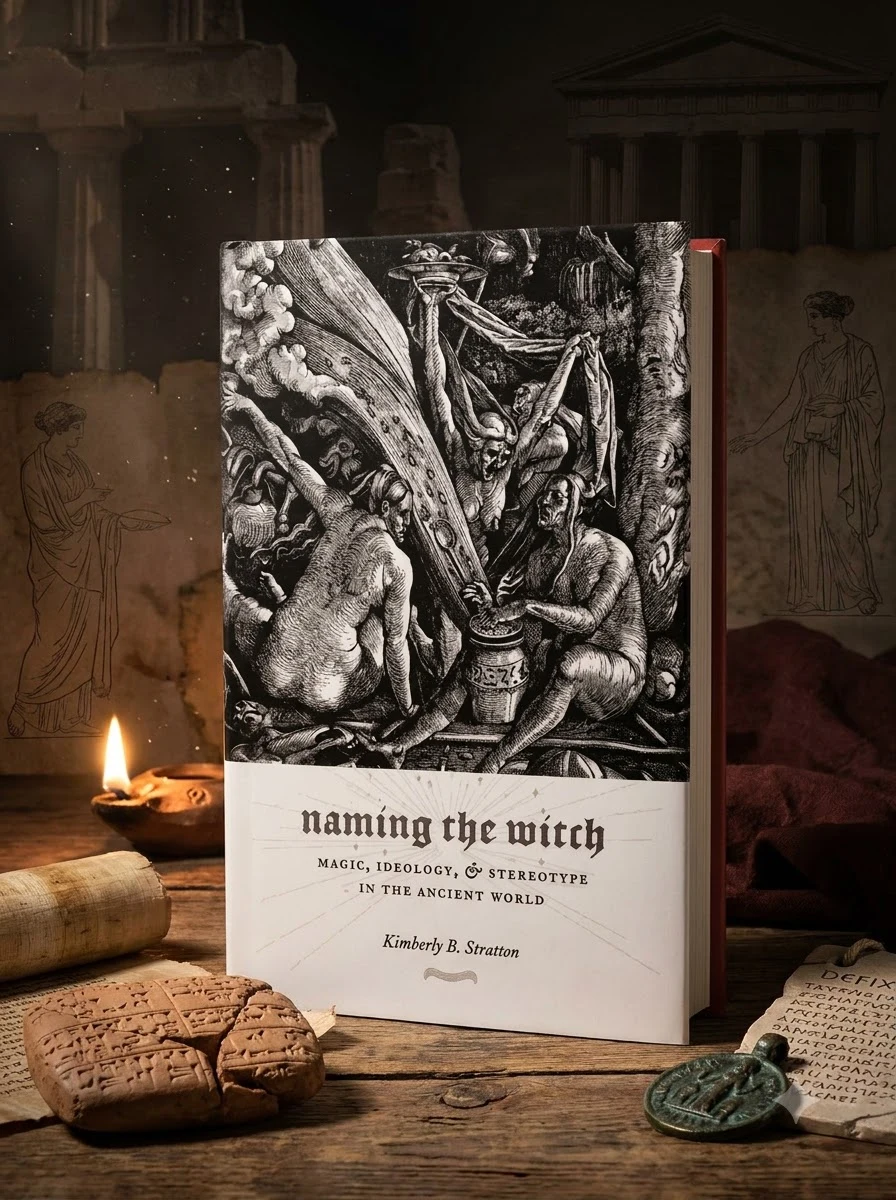
Naming the Witch: Magic, Ideology, and Stereotype in the Ancient World - Ingram Academic Stratton, Kimberly
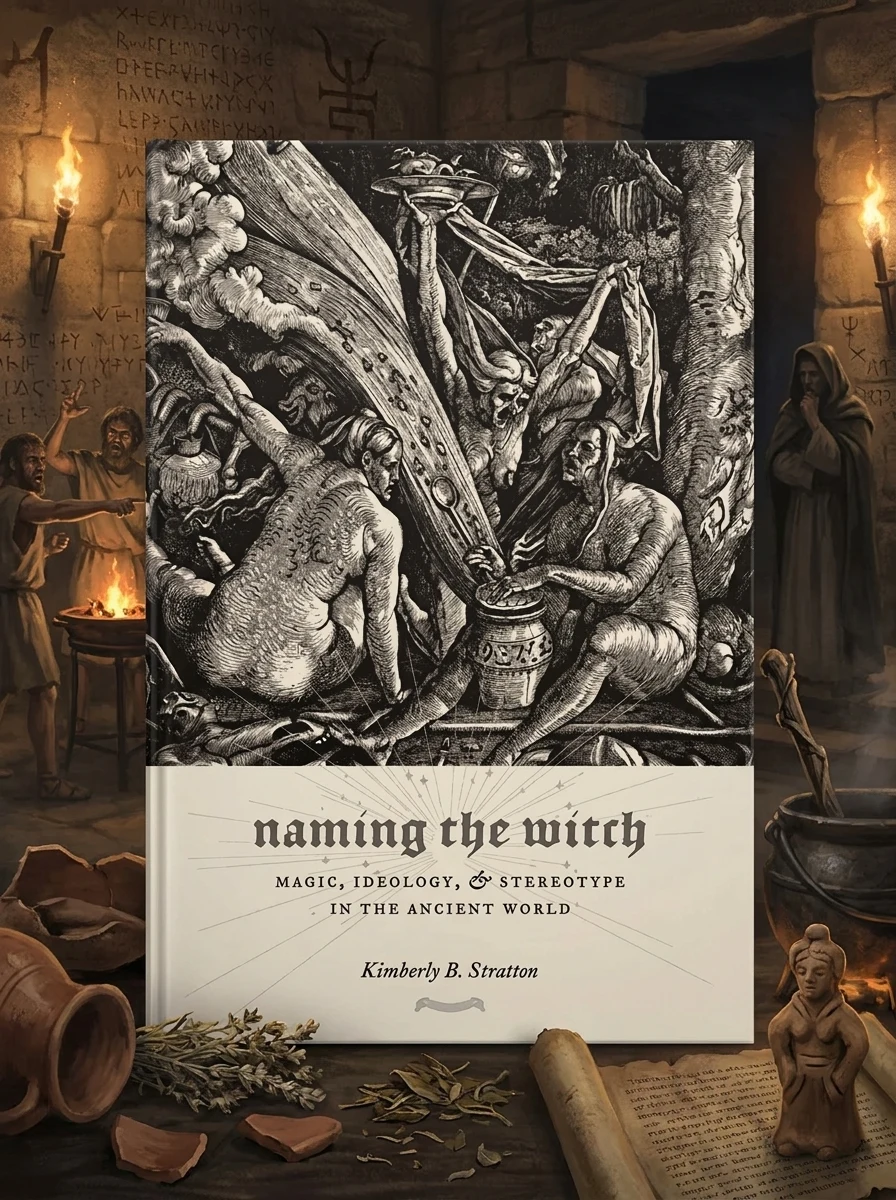
✍️ Stratton, KimberlyKimberly Stratton masterfully deconstructs the origins and evolution of the "witch" and "magician" archetypes in antiquity. Moving beyond simplistic notions of mere slander, Stratton illuminates how accusations of sorcery were potent ideological instruments. She argues these concepts were central to ancient societies' complex efforts to establish authority, legitimize their own practices, and fundamentally delineate who belonged and who was deemed an "Other." Her work reveals how the idea of magic, originating in Athens, dynamically adapted across different cultures and political landscapes.


📝 Description: Naming the Witch: Magic, Ideology, and Stereotype in the Ancient World - Ingram Academic Stratton, Kimberly
💎 Expert review
📖 Why choose it
Why this book is worth reading
Readers interested in the intersection of power, ideology, and social identity will find profound value in this text. Kimberly Stratton offers a masterful deconstruction of how ancient societies used accusations of sorcery not merely as slander, but as potent tools to establish authority and legitimize their own practices. By revealing how these concepts delineated who belonged versus who was deemed an 'Other,' the book provides essential insight into the mechanisms of social control in antiquity. It is particularly rewarding for scholars and serious enthusiasts of ancient history who wish to understand the dynamic adaptation of magical ideas across different cultures. This work challenges simplistic narratives, offering a nuanced perspective on how identity was weaponized through the label of magic, making it an indispensable resource for those seeking depth beyond surface-level historical accounts.
⭐ Reader reviews
Reader rating
Stratton’s rigorous academic approach makes this volume ideal for specialists in ancient ideology and religious studies. However, readers seeking a narrative-driven history or accessible general interest content may find the dense theoretical framework and focus on ideological deconstruction dry and difficult to navigate. The book does not cater to those looking for practical occult knowledge or simple biographical accounts of historical figures. It is strictly for an audience willing to engage with complex arguments about power dynamics and cultural adaptation. Consequently, while intellectually robust, it may alienate casual readers preferring lighter, more straightforward explorations of witchcraft history without the heavy burden of academic analysis regarding ancient political landscapes.
❓ Frequently asked questions
📖 Who should read this
If you are fascinated by the cultural construction of belief, the historical roots of "witchcraft" as a concept, or the intersection of ancient politics and religious accusations, this scholarly inquiry into societal power dynamics will captivate you. It's a must-read for serious students of ancient history and comparative religion.
🎯 Key themes and symbolism
Defining Identity Through Magic
Stratton reveals how the very concept of "magic" first emerged in classical Athens as a discourse to solidify Greek identity. Following the Persian Wars, attributing "magical" practices to outsiders became a crucial way to distinguish Hellenic culture from the perceived "barbarian" world, shaping early understandings of self and other through accusation.
Ideology and Otherness
This study delves into how representations of sorcery were not incidental but deliberately crafted. Accusations of magic served as powerful social tools, enabling societies to marginalize specific individuals or groups. By labeling certain practices or beliefs as "magic," ancient powers reinforced their own legitimacy and control, effectively constructing the 'Other' to maintain social order.
Cultural Evolution of Sorcery
The book traces how the idea of magic, once established in Athens, spread and transformed throughout the Hellenized world and Rome. Stratton demonstrates its fluid adaptation to diverse political forces, societal values, and concerns within each unique context, offering a comparative analysis across classical Athens, early imperial Rome, pre-Constantine Christianity, and Rabbinic Judaism.
📜 Historical context
📚 Glossary
- Discourse
- Otherness
- Hellenized World
📔 Questions to reflect on
- Consider a modern-day accusation or label that functions similarly to how 'magic' was used in ancient times to define an 'Other.' What parallels can you draw?
- How might our understanding of historical figures or groups change if we re-examined accusations of 'witchcraft' or 'magic' as ideological maneuvers rather than literal descriptions?
- Reflect on how your own cultural context defines what is considered 'legitimate' belief or practice versus what might be deemed 'unorthodox' or 'superstitious.' What are the underlying power dynamics?