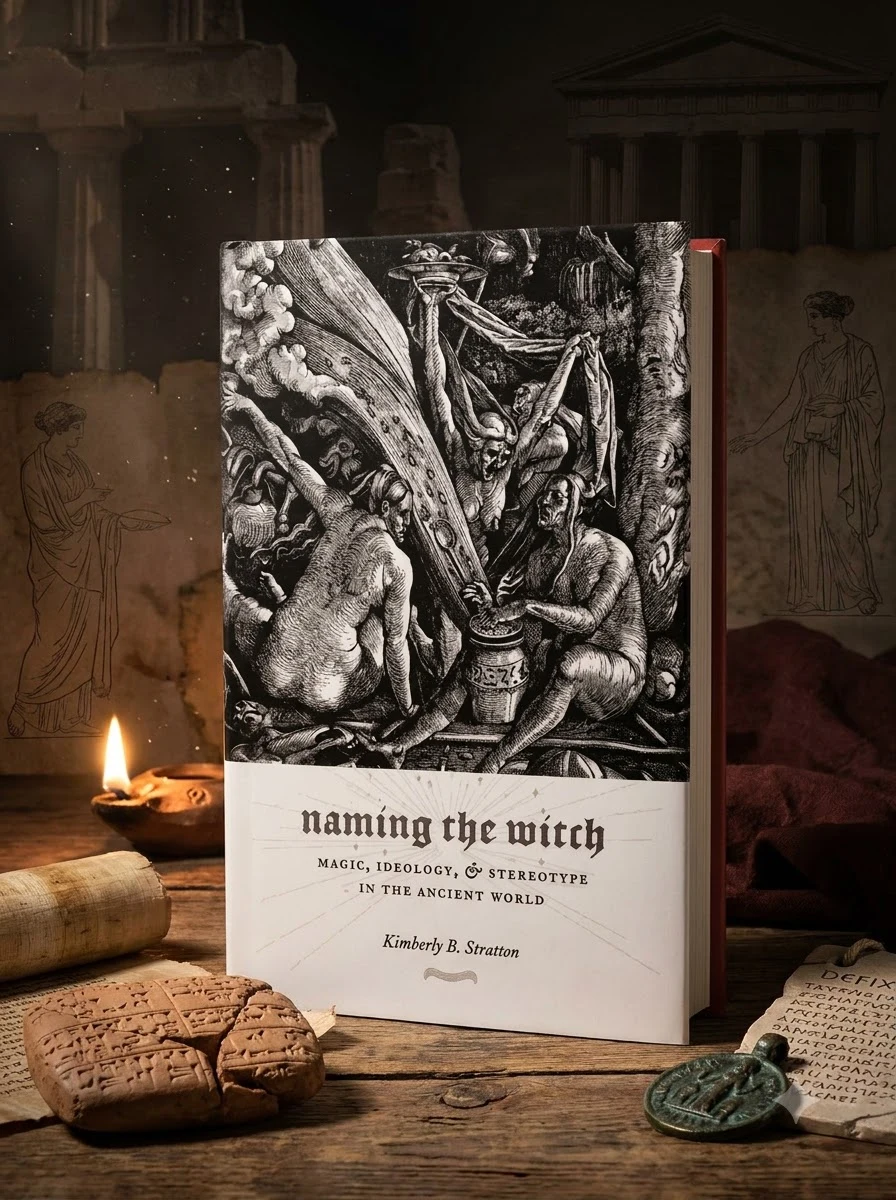
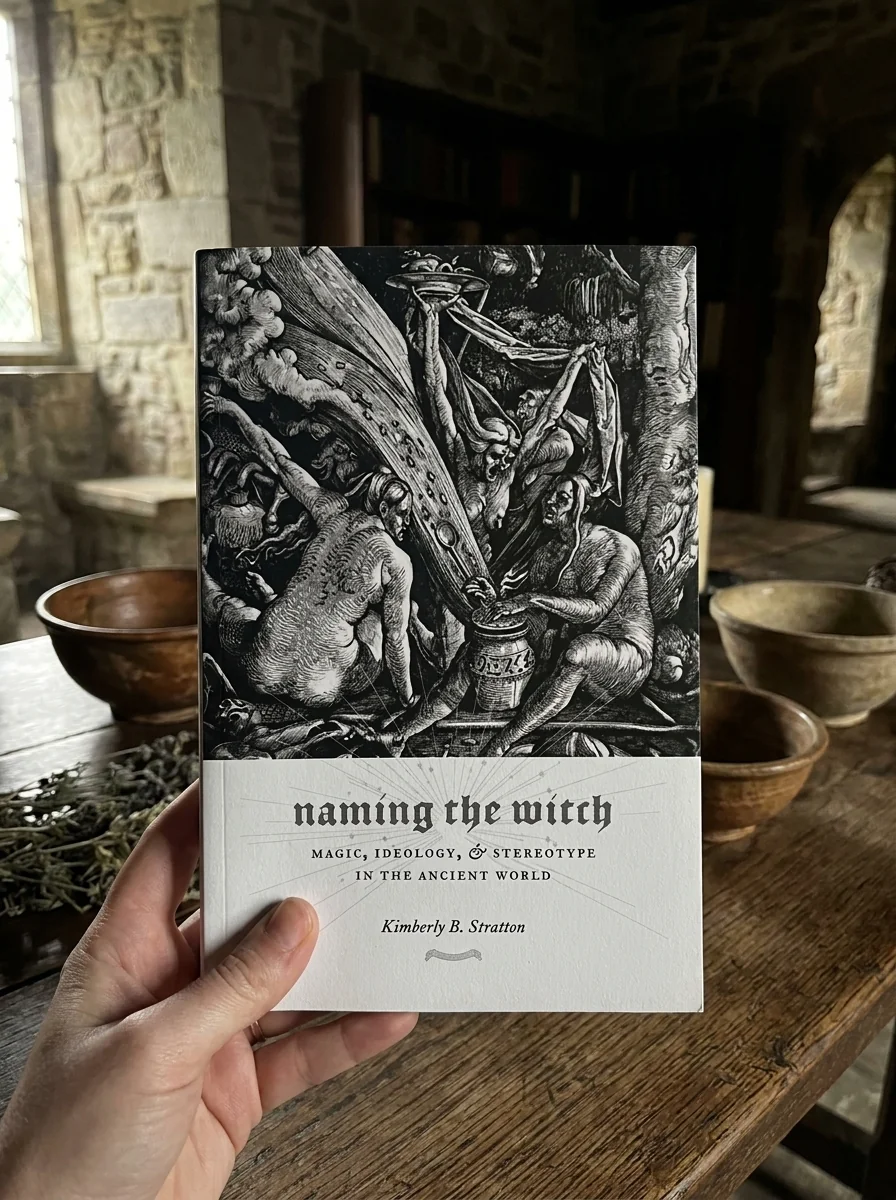
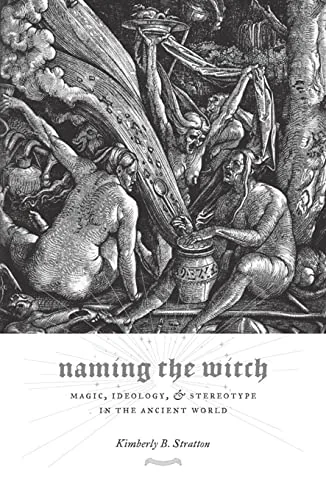
Naming the Witch: Magic, Ideology, and Stereotype in the Ancient World - Ingram Academic Stratton, Kimberly
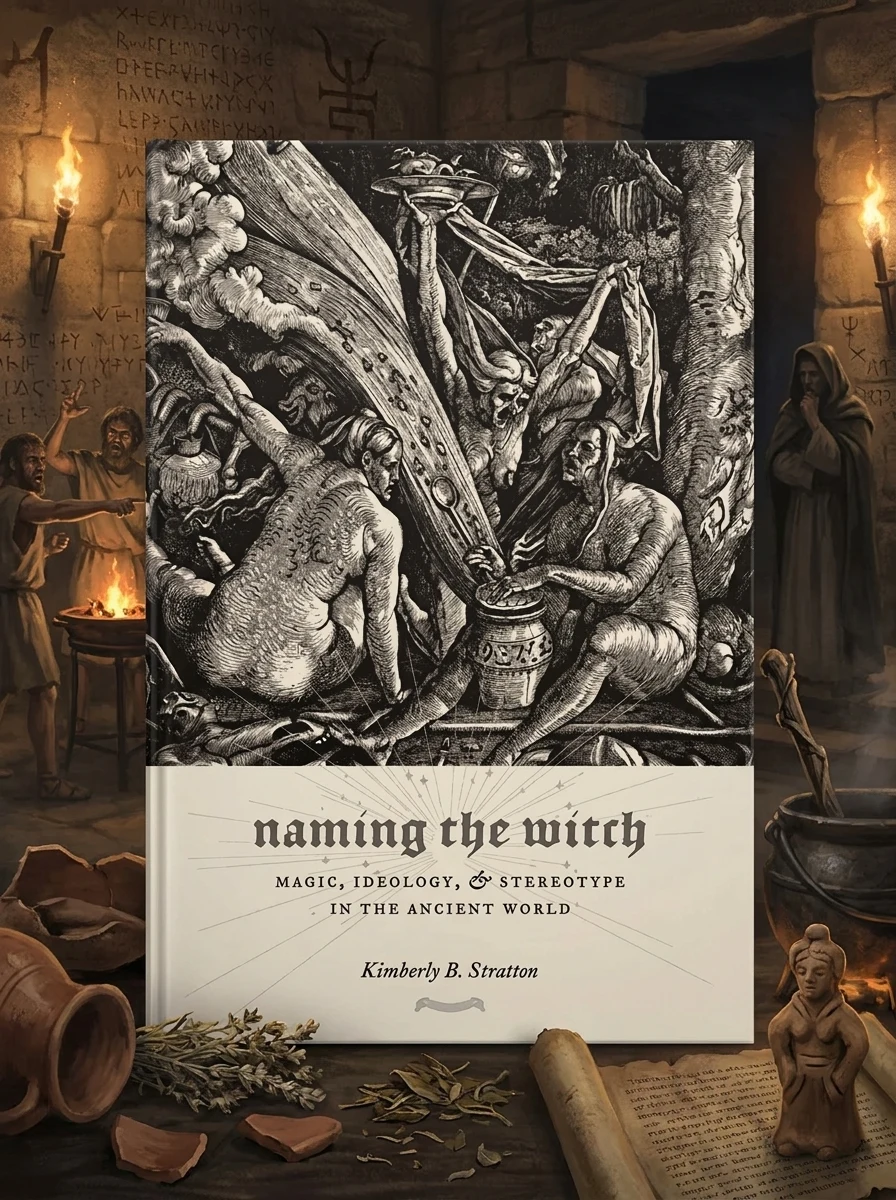
✍️ Stratton, KimberlyKimberly Stratton's compelling study delves into the ideological underpinnings behind the ancient world's conceptualization of magic, sorcerers, and witches. Moving beyond simple slander, she argues that these accusations were pivotal tools societies used to define legitimacy, authority, and the 'Other.' Stratton meticulously traces the emergence of 'magic' as a discourse in classical Athens, a concept that subsequently spread and adapted across the Hellenized world and Rome, reflecting evolving political forces and social concerns. Her work illuminates how such labels were not just about supernatural belief, but about profound cultural self-definition.


📝 Description: Naming the Witch: Magic, Ideology, and Stereotype in the Ancient World - Ingram Academic Stratton, Kimberly
💎 Expert review
📖 Why choose it
Why this book is worth reading
This book offers a profound intellectual reward for readers interested in the intersection of history, ideology, and social control. It is essential for scholars who wish to understand how ancient societies constructed legitimacy by defining the 'Other' through accusations of magic. Readers will gain insight into how political forces shaped cultural narratives, revealing that labels of sorcery were tools of authority rather than mere superstition. By tracing the evolution of these concepts from Athens to Rome, the text illuminates the enduring nature of power dynamics. It is particularly valuable for those seeking to deconstruct historical prejudices and understand the origins of stereotyping in legal and social contexts. This study provides a rigorous foundation for anyone examining how identity is forged through exclusion and ideological labeling in classical antiquity.
⭐ Reader reviews
Reader rating
Stratton delivers a meticulous academic argument that will appeal strongly to historians and theorists of ideology. The text excels in tracing the political utility of magical discourse, offering a sophisticated view of ancient social structures. However, it does NOT suit casual readers seeking narrative adventure or practical guides to modern Wicca. Those expecting simple historical anecdotes or supernatural explanations will find the dense theoretical framework dry and inaccessible. It is strictly for those willing to engage with complex sociological analysis. The work demands patience and a background in classical studies, making it unsuitable for anyone looking for light reading or immediate spiritual application rather than critical historical inquiry.
❓ Frequently asked questions
📖 Who should read this
If you're captivated by the social construction of belief, the intricate dynamics of power, and the historical roots of 'witchcraft' in Western thought, this scholarly yet accessible work offers profound and essential insights into ancient societies and their enduring legacies.
🎯 Key themes and symbolism
Magic as Ideological Construct
Stratton posits that the very concept of 'magic' was not an objective descriptor but a carefully constructed discourse. It served as a potent ideological weapon, utilized by ancient societies to establish boundaries, control narratives, and reinforce prevailing power structures, often by delegitimizing alternative practices or beliefs.
Defining Self and Other
The book explores how accusations of sorcery were instrumental in shaping group identity. By labeling certain individuals or practices as 'magical,' societies could clearly delineate who belonged within the accepted social order and who constituted the dangerous, uncivilized 'Other,' thereby solidifying communal cohesion.
Evolution of Witch Stereotype
This work traces the historical development of the witch and magician stereotype across diverse ancient cultures. From classical Athens to early imperial Rome, and into pre-Constantine Christianity and rabbinic Judaism, Stratton reveals how these figures were reimagined to serve the unique political and social anxieties of each era.
📜 Historical context
📚 Glossary
- Otherness
- Discourse of Magic
- Hellenized World
📔 Questions to reflect on
- How might the ancient use of 'magic' accusations parallel modern societal efforts to label and control perceived threats or 'outsiders'?
- Consider the power dynamics inherent in defining what is 'legitimate' belief versus 'superstition.' What are the lasting impacts of such classifications?
- Reflect on how your own cultural understanding of 'magic' or 'witchcraft' has been shaped by historical narratives and ideological frameworks.