Samba in the Night: Spiritism in Brazil
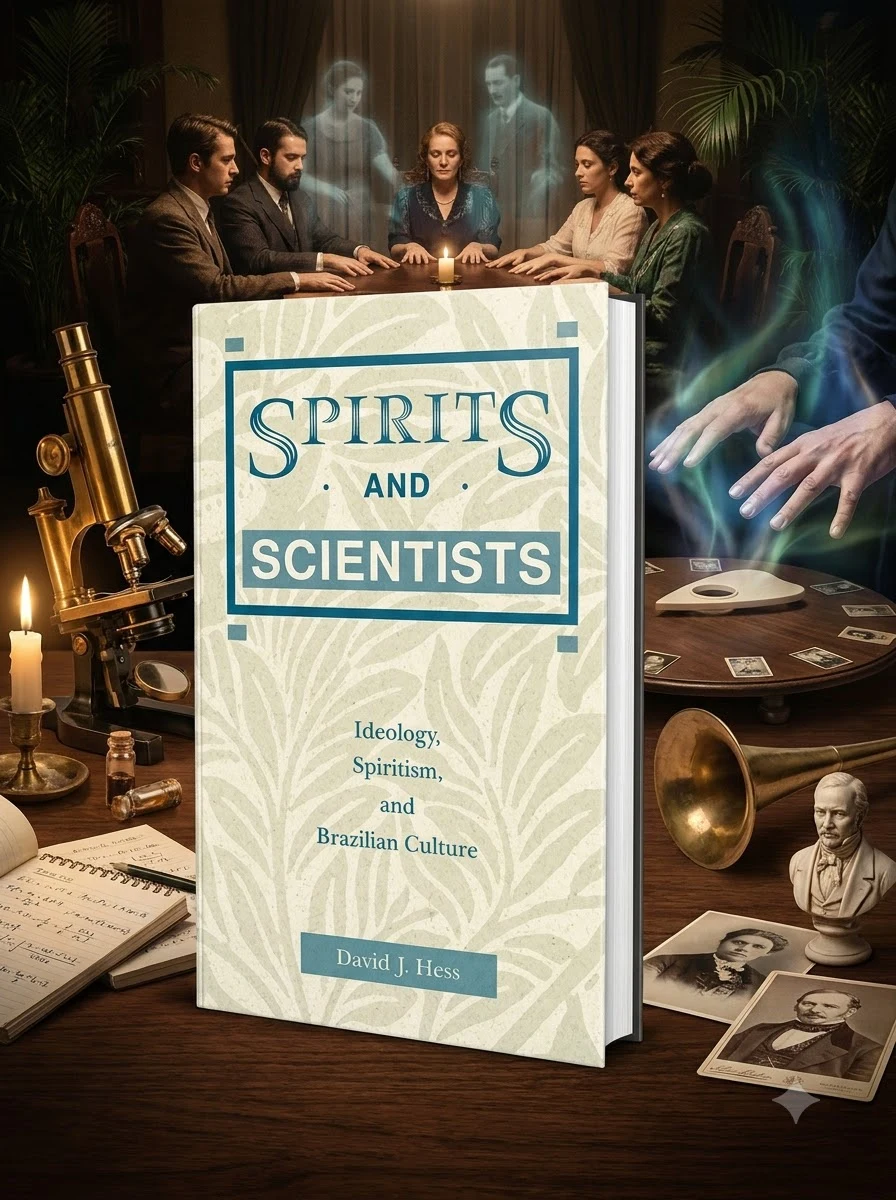
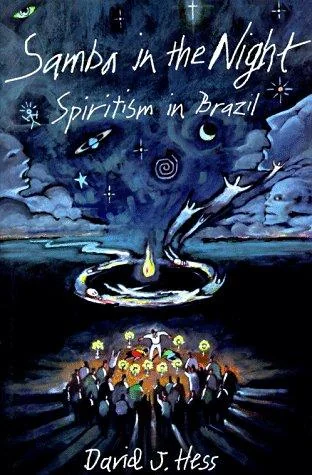
✍️ Hess, David JStep into the heart of Brazilian Spiritism with this captivating anthropological study. David J. Hess offers an immersive look at the syncretic spiritual practices thriving across the nation, from bustling urban centers to remote communities. Through vivid fieldwork, he unveils intricate belief systems surrounding spirit communication, dramatic healing rituals like psychic surgery, and encounters with powerful entities. This book provides a nuanced, scholarly yet accessible exploration of how these alternative spiritual paths profoundly shape individual lives and cultural identity in Brazil, revealing a rich tapestry of faith and experience often misunderstood.


📝 Description: Samba in the Night: Spiritism in Brazil
💎 Expert review
📖 Why choose it
Why this book is worth reading
Readers fascinated by the intersection of culture, spirituality, and anthropology will find this book particularly rewarding. It serves those seeking to understand the profound impact of syncretic beliefs on Brazilian identity beyond superficial stereotypes. The author’s immersive approach allows you to witness how spirit communication and healing rituals function as vital social and personal anchors in both urban and remote settings. If you are interested in how the mundane intersects with the mystical, this text offers a nuanced lens. It is ideal for scholars, spiritual seekers, and cultural enthusiasts who wish to grasp the intricate tapestry of faith that defines much of Brazil’s contemporary spiritual experience without relying on exoticized narratives.
⭐ Reader reviews
Reader rating
David J. Hess delivers a rigorous yet engaging anthropological account of Brazilian Spiritism, grounding ethereal concepts in vivid fieldwork reality. The narrative effectively demystifies practices like psychic surgery and spirit encounters, presenting them as coherent cultural systems rather than curiosities. However, readers expecting a personal memoir or a practical guide to ritual performance will be disappointed by the scholarly distance. It is not suited for those seeking quick spiritual solutions or those uncomfortable with academic detachment. This book demands patience for its detailed exploration of belief systems, making it less accessible to casual readers looking for light entertainment but highly valuable for serious students of global esotericism.
❓ Frequently asked questions
📖 Who should read this
If you're fascinated by the intersection of culture and spirituality, curious about global spiritual practices, or drawn to ethnographic exploration into the unknown, this book offers a compelling journey. A must-read for anyone seeking to understand the rich, complex spiritual tapestry of Brazil.
🎯 Key themes and symbolism
Spirit Communication & Mediumship
The book meticulously documents the diverse forms of mediumship found in Brazilian Spiritism, exploring how individuals serve as conduits for spiritual entities. It examines the profound societal role these mediums play, from offering guidance to facilitating healing, and how their experiences are interpreted within the community's belief framework.
Healing Beyond Medicine
Hess investigates the extraordinary practices of spiritual healing, including the controversial yet widely accepted phenomenon of psychic surgery. The text delves into the cultural context and efficacy of these unconventional methods, examining how they provide comfort and perceived cures where conventional medicine may fall short for many believers.
Anthropology of Belief
As an anthropologist, Hess offers a scholarly yet empathetic lens on the complex belief systems at play. The book explores how Spiritism integrates into daily Brazilian life, examining its social functions, the syncretic nature of its practices, and how practitioners navigate their faith within a broader, often skeptical, modern world.
📜 Historical context
📚 Glossary
- Spiritism
- Medium
- Psychic Surgery
📔 Questions to reflect on
- How might understanding diverse spiritual healing practices, like psychic surgery, challenge or expand your own perceptions of health, belief, and medicine?
- Consider the role of a "medium" in a community. How do figures who bridge the mundane and spiritual realms influence societal norms or individual coping mechanisms?
- If you were to conduct ethnographic research on a spiritual practice, what ethical considerations would be most crucial, and how would you balance observation with respect for belief?