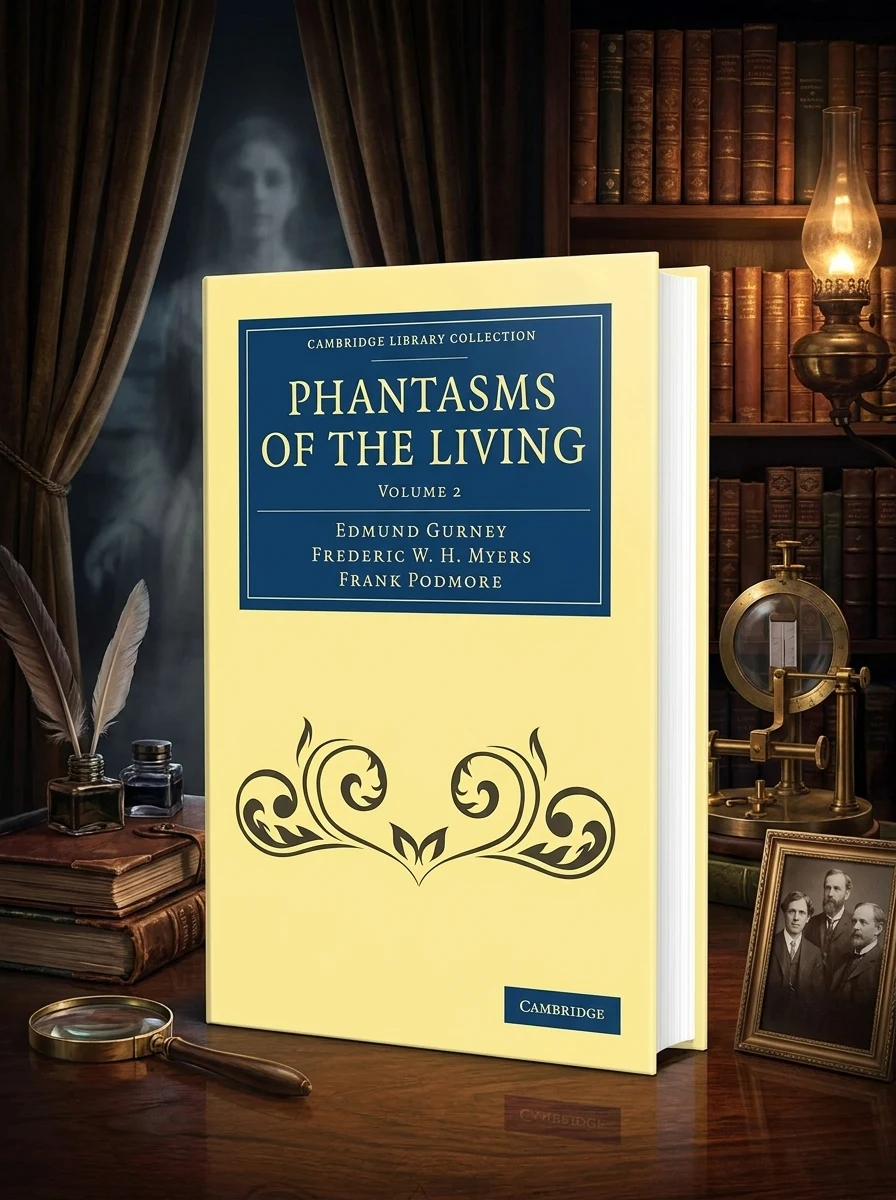
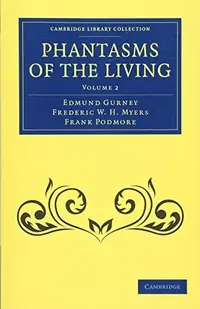
Phantasms of the Living - Volume 2 Gurney, Edmund
Gurney, Edmund; , Myers, Frederic W H; , Podmore, FrankStock reported in the catalog; fulfillment is confirmed with your request.
Unearth the startling evidence of minds connected beyond physical bounds.
Step into the foundational era of psychical research with this monumental second volume, originally published in 1886. Authored by esteemed members of the Society for Psychical Research – Edmund Gurney, Frederic W. H. Myers, and Frank Podmore – this work diligently compiles over 700 meticulously documented accounts of alleged telepathy and apparitions. It represents a pioneering effort to apply rigorous scientific methodology to phenomena often relegated to folklore, offering invaluable insights into 19th-century investigations into the nature of consciousness, communication, and the spectral realm beyond the physical.
This text emerges from the late Victorian era's rigorous attempt to bridge the gap between spiritualism and empirical science through the Society for Psychical Research. It reflects a pivotal moment when scholars sought to validate supernatural phenomena using systematic documentation rather than mere anecdote.


📝 Description: Phantasms of the Living - Volume 2 Gurney, Edmund
💎 Expert review
📖 Why choose it
Why this book is worth reading
This volume is essential for the serious scholar of esoteric history and the dedicated investigator of consciousness who seeks primary source material from the dawn of modern psychical research. Readers fascinated by the intersection of science and the supernatural will appreciate the meticulous compilation of over 700 cases, offering a rare glimpse into how Victorian intellectuals approached the spectral realm with academic rigor. It is not for those seeking quick thrills, but rather for those willing to engage with dense, methodological analysis that laid the groundwork for contemporary studies on telepathy and apparitions. If you value historical authenticity and want to understand the intellectual foundations of spiritualism, this monumental work provides invaluable insights into 19th-century investigations into the nature of communication beyond physical bounds.
⭐ Reader reviews
Reader rating
While Gurney, Myers, and Podmore offer a pioneering effort to apply scientific methodology to folklore, this text demands patience from its audience. It is a dense, archival collection rather than a narrative adventure, making it unsuitable for readers seeking engaging storytelling or casual interest in the occult. Those expecting sensationalist ghost stories or easy answers will likely find the rigorous documentation and academic tone dry and unengaging. However, for historians of science and dedicated psychical researchers, it remains an indispensable resource. The book does not suit those with short attention spans or aversion to Victorian academic prose, but it stands as a critical document for understanding the serious study of consciousness during this foundational era.
❓ Frequently asked questions
📖 Who should read this
If you're fascinated by the origins of parapsychology, the history of occultism, or the enduring mysteries of human consciousness, this seminal work offers a rare glimpse into the diligent efforts of early psychical investigators. It's for those who appreciate historical context in their exploration of the esoteric.
🎯 Key themes and symbolism
Pioneering Psychical Research
This volume showcases the early, earnest attempts by scholarly minds to systematically investigate supernatural claims. It details the methodical collection and analysis of eyewitness testimonies regarding telepathic communication, deathbed visions, and apparitions, aiming to establish an empirical foundation for phenomena previously considered unprovable or purely anecdotal. It’s a testament to the scientific spirit confronting the unknown.
The Nature of Phantasms
Dive deep into the concept of 'phantasms of the living,' exploring documented instances where individuals seemingly project their consciousness or an image of themselves to others at moments of crisis or death. The authors meticulously categorize and discuss these events, positing theories on how such mental projections might occur and what they imply about the extended capabilities of the human mind and its connection to others.
Historical Documentation of Belief
Beyond its scientific aspirations, the book serves as a remarkable historical archive of Victorian-era beliefs and experiences concerning the supernatural. It provides a window into the cultural landscape where spiritualism, mesmerism, and scientific inquiry intersected, offering a rich collection of primary accounts that illuminate societal attitudes towards death, consciousness, and the potential for non-physical interaction.
💬 Quotes from the book
“Our diligent compilation of over seven hundred cases, each scrutinized for its veracity and coherence, presents a formidable challenge to the prevailing materialist dogma.”
“The persistent recurrence of veridical apparitions, often coinciding with the precise moment of a distant individual's demise, demands a re-evaluation of consciousness beyond mere physiological function.”
📜 Historical context
📚 Glossary
- Psychical Research
- Telepathy
- Mediumship
📔 Questions to reflect on
- Considering the 'phantasms' described, how might our modern understanding of quantum entanglement or collective consciousness offer new interpretations of these historical accounts?
- If telepathy were scientifically proven, how would it fundamentally alter human relationships, communication technologies, and our concept of privacy?
- Reflect on a time you felt an inexplicable connection or 'knowing' about someone distant. How does reading these historical accounts resonate with or challenge your personal experiences?
📖 From the series “Phantasms of the Living 2 Volume Set”
All books in the series →
✍️ More books by this author Gurney, Edmund; , Myers, Frederic W H; , Podmore, Frank
All books by this author →🏛 Books from this publisher Cambridge University Press
All books from this publisher →

 75
75

You might also like
See more →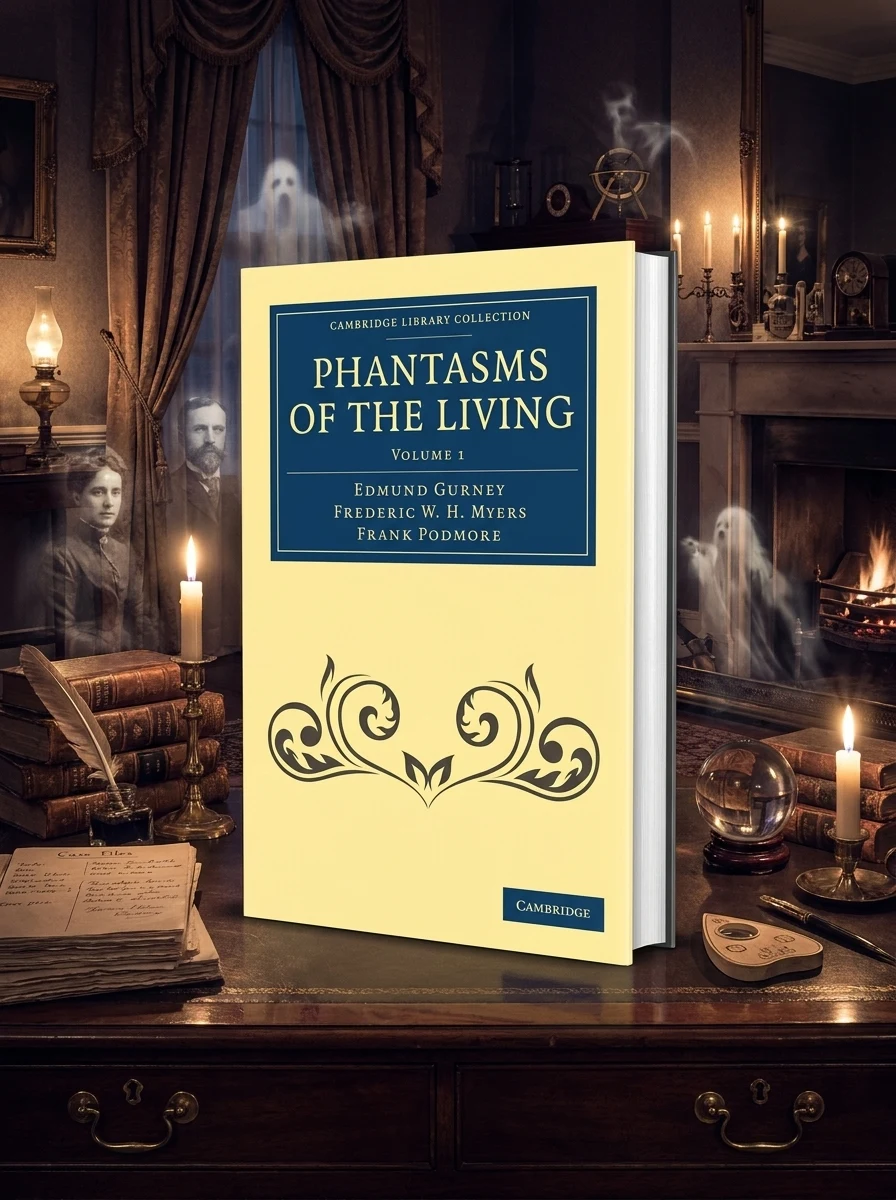

 89
89