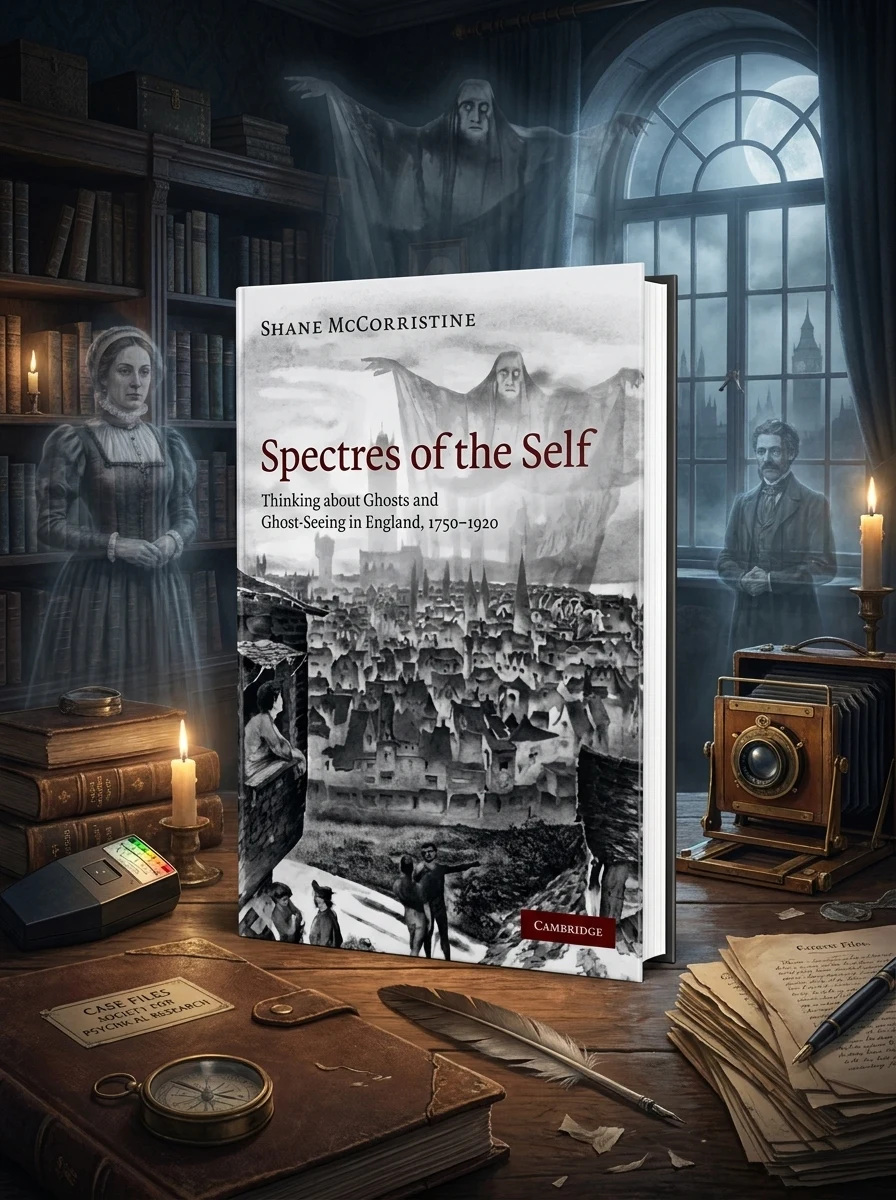
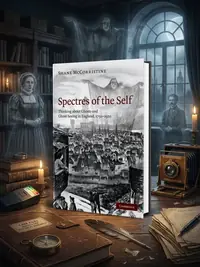

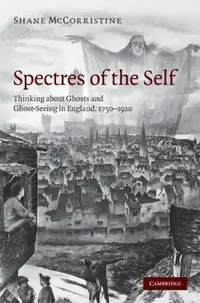
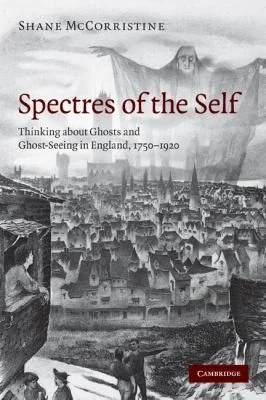
Spectres of the Self
McCorristine, Shane 89
89
 Editorial score
How we rate
Editorial score
How we rate
Stock reported in the catalog; fulfillment is confirmed with your request.
Ghosts are not external threats but mirrors reflecting the haunted psychology of modern existence.
Shane McCorristine’s rigorous scholarship traces the evolution of ghostly encounters in England from the Reformation through the twentieth century. He moves beyond simple folklore to explore how apparitions were interpreted through literature, scientific case studies, and the Society for Psychical Research. The text investigates peculiar questions—such as why spirits wore garments or the nature of waking dreams—revealing that belief in ghosts remained vibrant despite secularization. Ultimately, McCorristine posits that specters serve as projections of our own psychological states, symbolizing the internal fragmentation and haunting inherent to the modern condition.
This work situates itself within the rigorous academic study of English spiritualism and psychical research history. It bridges the gap between theological shifts following the Reformation and the psychological frameworks of the twentieth century.


📝 Description: Spectres of the Self
💎 Expert review
📖 Why choose it
Why this book is worth reading
Readers fascinated by the intersection of history, psychology, and the occult will find profound value in this text. It offers a scholarly yet accessible exploration of how modern existence is internally haunted. By examining apparitions through literature and scientific case studies, the book reveals that ghosts are not external threats but mirrors reflecting our own fractured psyches. Those interested in the Society for Psychical Research or the cultural impact of secularization will appreciate its nuanced argument that specters symbolize internal fragmentation. It is essential for anyone seeking to understand why belief in the supernatural remains vibrant and psychologically significant in contemporary life, providing deep insight into the haunting nature of the human condition.
⭐ Reader reviews
Reader rating
Long-time student of the esoteric here. It reads better in small doses — a chapter at a time with notes.
Honestly wasn't sure what to expect, but I'm impressed. It's become a regular reference in my practice. Recommended if you're ready to do the work.
Ordered this after seeing it referenced in another book I was studying. I appreciated how the argument builds steadily from first principles. Plenty of passages worth underlining; my copy is already full of margin notes.
McCorristine delivers a rigorous scholarship that traces ghostly encounters from the Reformation to the twentieth century. While the analysis of waking dreams and spectral garments is intellectually stimulating, this book is not for casual readers seeking spooky tales or easy folklore. It demands patience for its academic tone and focus on the Society for Psychical Research rather than narrative entertainment. The argument that specters are projections of psychological states may feel abstract to those preferring concrete supernatural explanations. However, for scholars of English spiritualism and modern psychology, it is an indispensable, thought-provoking contribution that redefines how we view the haunted mind.
❓ Frequently asked questions
📖 Who should read this
Readers interested in the intersection of parapsychology, literary history, and the cultural psychology of fear. Ideal for those studying the transition from religious superstition to scientific inquiry regarding the supernatural.
🎯 Key themes and symbolism
Psychic Phenomena
Psychological Projection
Cultural History
💬 Quotes from the book
“The ghost ultimately represented a spectre of the self.”
“The issue of ghosts remained dynamic despite the advance of science and secularism.”
📜 Historical context
📚 Glossary
- Spectre of the Self
- Society for Psychical Research
- Waking Dreams
📔 Questions to reflect on
- When have you felt 'haunted' by a memory or emotion, and how does that compare to the cultural concept of a ghost?
- How might your current anxieties manifest as 'specters' if viewed through McCorristine's psychological lens?
- In what ways does modern secular society still project its fears onto the concept of the supernatural?
✍️ More books by this author McCorristine, Shane
All books by this author →
🏛 Books from this publisher Cambridge University Press
All books from this publisher →
 75
75

You might also like
See more →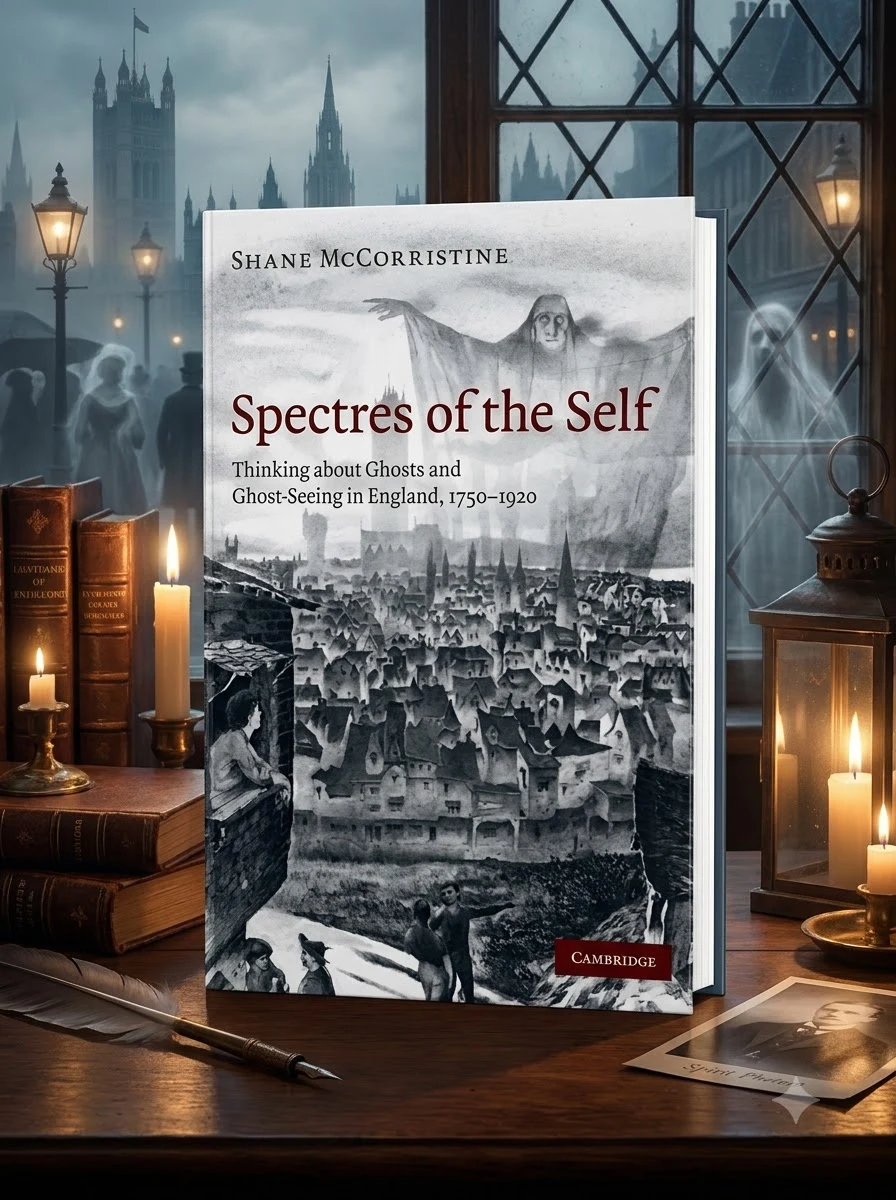
 91
91