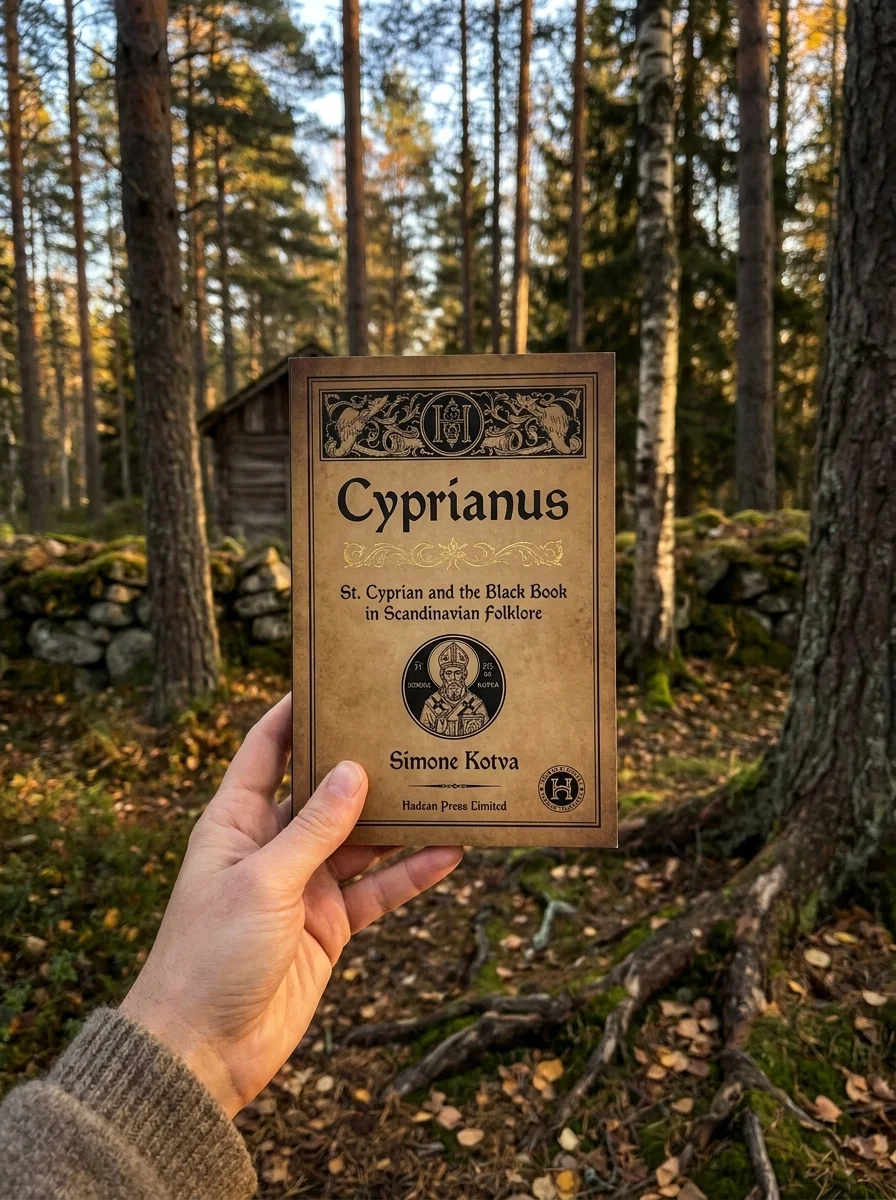

Cyprianus: St. Cyprian and the Black Book in Scandinavian Folklore
✍️ Kotva, SimoneA translation and study of nineteenth-century Danish legends surrounding the infamous Scandinavian grimoire and its author.
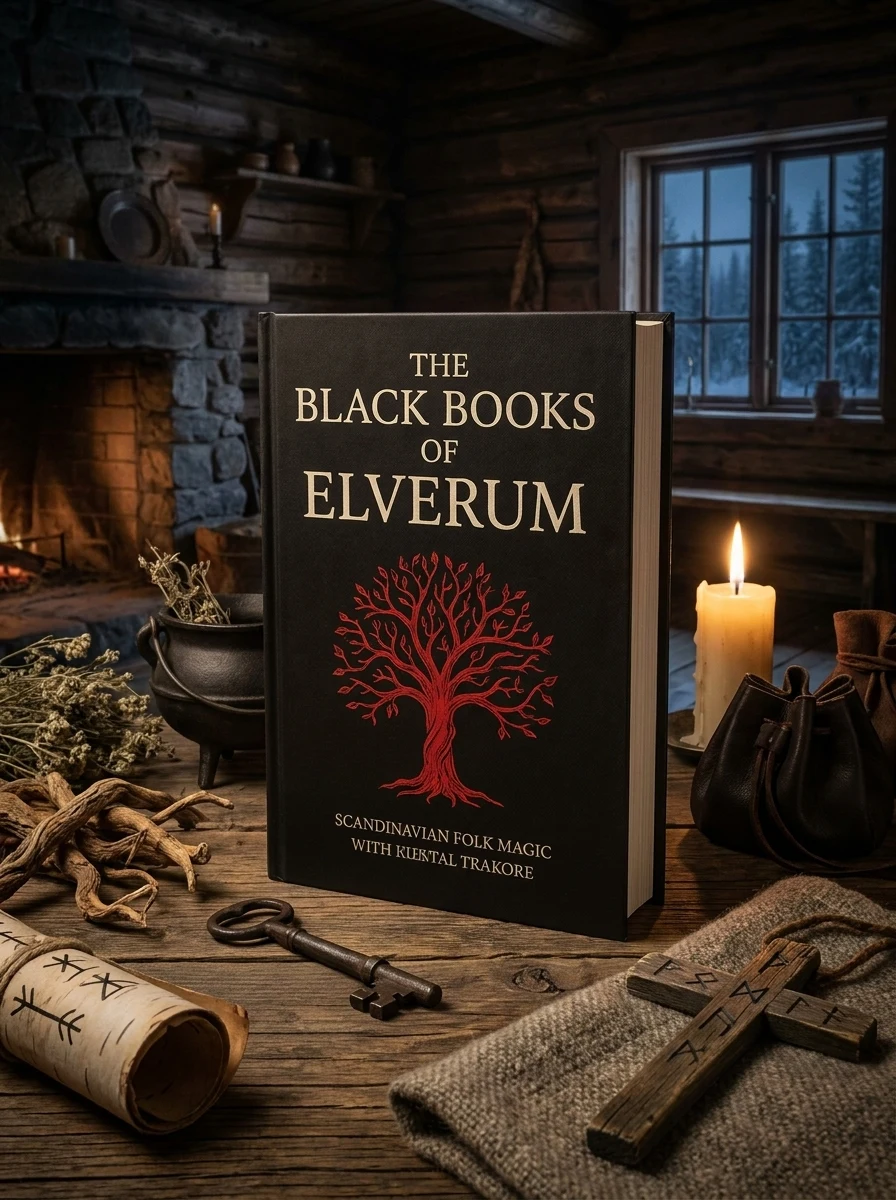
Simone Kotva presents an in-depth exploration of the famous grimoire within Scandinavian folk magic traditions, bridging a key gap in recent translated literature by focusing directly on folklore. Drawing extensively on nineteenth-century Danish legends collected by Evald Tang Kristensen, this work reveals how local communities understood the Black Book, detailing its spirits, readers, and legendary author across its thematic chapters.
The book centers on nineteenth-century Danish folk traditions and oral legends regarding the Cyprianus grimoire, compiled from regional informants across Scandinavia.


📝 Description: Cyprianus: St. Cyprian and the Black Book in Scandinavian Folklore
💎 Expert review
📖 Why choose it
Why this book is worth reading
Readers deeply invested in the nuanced history of European occultism will find this text invaluable for its rare focus on Scandinavian contexts. Simone Kotva provides a meticulous uncoversing of magical operations often overlooked in general grimoire studies. By emphasizing folklore over mere translation, the book offers essential context for understanding the potency and historical significance of these practices. It is particularly beneficial for scholars and practitioners seeking to understand the intersection of sorcery and traditional beliefs within this specific geographical framework. If you wish to move beyond standard translations and grasp the cultural backbone of the Cyprianic tradition, this work serves as a vital resource for contextual depth.
⭐ Reader reviews
Reader rating
Kotva’s work stands out by prioritizing folklore context over simple textual translation, offering a fresh perspective on the Cyprianic tradition. However, readers seeking a practical, step-by-step manual for immediate magical application will be disappointed. This is not a beginner-friendly guide nor a general introduction to occult history; it is a specialized academic and esoteric analysis. Those unfamiliar with comparative grimoire studies or Iberian parallels may find the dense contextualization difficult to navigate without prior knowledge. It suits those who appreciate historical rigor and cultural specificity in occult literature, but it lacks the accessible narrative style expected by casual readers of fantasy or introductory magic books.
❓ Frequently asked questions
📖 Who should read this
If you're a student of historical magic, a devotee of Scandinavian folklore, or a practitioner curious about the roots of traditional European sorcery, this book is an indispensable resource. It offers a profound look into the cultural context of potent grimoires.
🎯 Key themes and symbolism
Scandinavian Grimoire Traditions
This study meticulously traces the presence and evolution of the legendary Cyprianus texts throughout Scandinavian folk magic. It examines their distinctive characteristics and diverse magical applications, highlighting how these 'black books' became synonymous with sorcery and powerful folk practices in the region, distinguishing them from other European traditions.
Folklore's Magical Context
Unlike other recent translations, this volume places a vital emphasis on the rich tapestry of folklore surrounding Cyprianus. It argues that understanding the traditional narratives, beliefs, and local customs is essential to truly grasping the meaning and efficacy of these magical operations, providing depth beyond mere procedural instructions.
Cross-Cultural Occult Links
Kotva skillfully draws connections between the Scandinavian Cyprianus and its Iberian brethren. By identifying shared magical operations and thematic elements, the book reveals a broader, interconnected European magical landscape, demonstrating how esoteric knowledge traveled and transformed across diverse cultural contexts, enriching our understanding of historical sorcery.
📜 Historical context
📚 Glossary
- Cyprianus
- Grimoire
- Folk Magic
📔 Questions to reflect on
- How might a deeper understanding of a magical text's cultural context alter its perceived power or meaning for a modern practitioner?
- Consider the interplay between written grimoires and oral folklore in your own understanding of magic. Which holds more sway, and why?
- If you were to compile a 'black book' of your own region's folk magic, what unique elements would you prioritize, and how would you preserve their traditional essence?