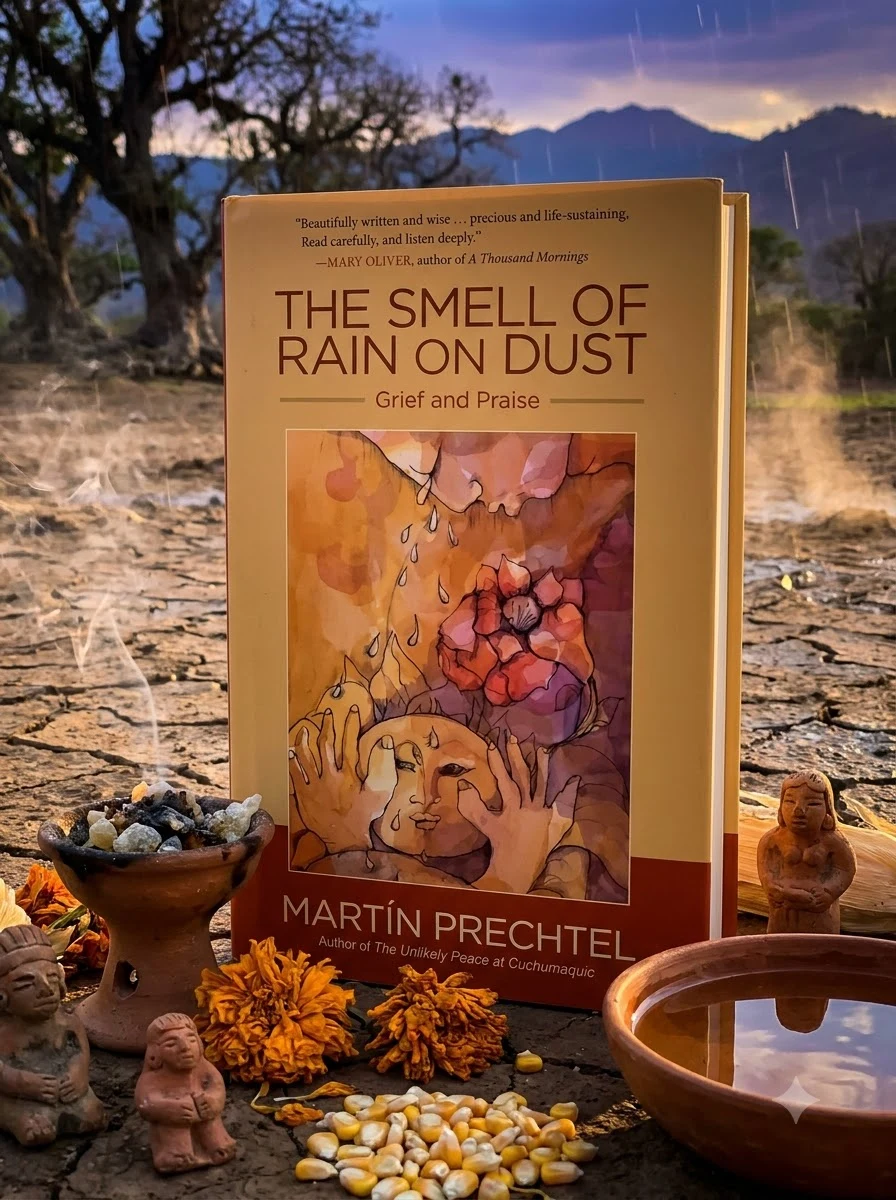
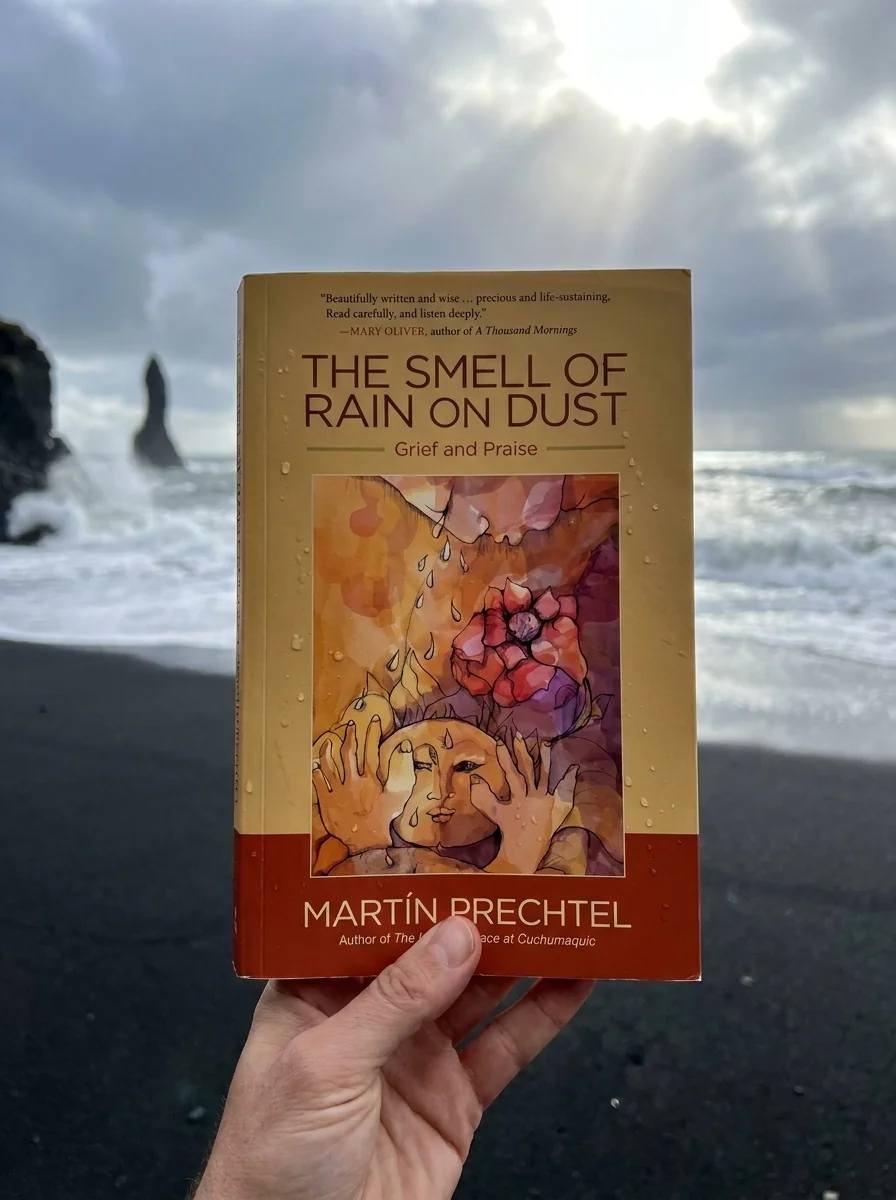
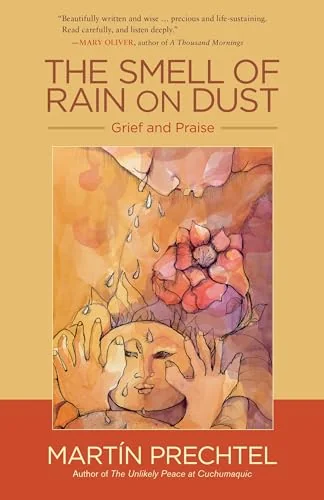
The Smell of Rain on Dust: Grief and Praise
✍️ Prechtel, MartínMartín Prechtel, drawing from his deep immersion in the Tzutujil Maya shamanic tradition, offers a radical perspective on loss. He argues that our culture's tendency to privatize and suppress grief isn't just personally isolating, but actively diminishes our capacity for genuine praise and joy. This profound work explores how the public, communal expression of sorrow is not merely a catharsis, but a sacred act of honoring what we've cherished. Prechtel illuminates how the absence of proper grieving rituals contributes to widespread societal and individual suffering, urging a reintegration of communal lament into our lives for collective healing.


Praise for this book
“Here Martín Prechtel sends us an invitation to peace: to personal, village-level, and world peace. His indigenous wisdom gives us much-needed insights into the reverberating impact of not grieving our heart-rending losses. Most poignantly, he shows us the devastating inheritance of our ever more voracious wars and the misunderstood burden of ghosts that swirl around our modern warriors.”
“but do not know which direction to go. In my work, I see on a daily basis many new patients (veterans) coming in for help: some with traumatic brain injury (TBI), substance abuse (mainly alcohol), post-traumatic disorders, and the all-too-frequent 'suicide attempt' with which a new generation of warriors kick off the repressed memories of Vietnam-era warriors remembering what was suppressed for so many years, their…”
“This wonderful book The Smell of Rain on Dust not only addresses this culture's lack of grief but it discusses in poignant ways how our inability to grieve has created many of our culture's delirious, fast paced, toxic, constant state-of-emergency symptoms where depression, addiction, and mediocrity reign.”
📝 Description: The Smell of Rain on Dust: Grief and Praise
💎 Expert review
📖 Why choose it
Why this book is worth reading
Readers seeking a transformative approach to sorrow will find immense value in this text. Those who feel isolated by their losses or frustrated by society's silence on grief will appreciate Prechtel’s call for communal lamentation. It is ideal for spiritual seekers, shamans, and anyone wishing to reconnect with the sacredness of mourning. By reframing grief as a necessary gateway to praise, it offers healing for both individuals and communities tired of suppressing their true emotional depths.
⭐ Reader reviews
Reader rating
Prechtel presents a compelling argument that privatized grief diminishes our capacity for joy, urging a return to communal lamentation rooted in Maya shamanic practices. While spiritually rich and culturally significant, this book may not suit readers seeking clinical, psychological frameworks for processing loss. Those preferring secular or scientific explanations for emotional states might find the spiritual assertions abstract or unconvincing. However, for those open to esoteric wisdom, it provides a vital counter-narrative to modern emotional suppression, offering profound insights into the sacred nature of sorrow.
❓ Frequently asked questions
📖 Who should read this
If you've navigated loss in a world that often silences sorrow, or if you seek a more profound, ancient understanding of lament, this book offers solace and revelation. It's for anyone ready to transform their relationship with grief, finding praise amidst the pain.
🎯 Key themes and symbolism
Communal Lamentation's Power
The book critically examines modern society's inclination to isolate individuals in their mourning. Prechtel contrasts this with traditional, community-supported grieving practices, asserting that shared sorrow fosters collective healing. He suggests that the privatization of grief deprives both the individual and the community of vital energetic exchange, leading to widespread spiritual and emotional stagnation.
Unexpressed Grief's Impact
Prechtel contends that a significant portion of contemporary societal and individual ailments stems directly from our collective inability to grieve openly and fully. By suppressing natural human sorrow, we inadvertently create a spiritual deficit that manifests as various forms of dis-ease. The book illuminates this profound connection, offering insight into paths towards collective restoration.
📜 Historical context
📚 Glossary
- Tzutujil Maya
- Shamanism
- Lamentation
📔 Questions to reflect on
- In what ways has modern society encouraged you to privatize or suppress your grief, and what impact has this had on your ability to praise?
- Reflect on a time you experienced a significant loss. How might your experience have differed if you had been able to grieve within a supportive, communal ritual?
- Consider the phrase 'Grief is praise.' How does this reframe your understanding of sorrow, and what new possibilities does it open for healing and connection?