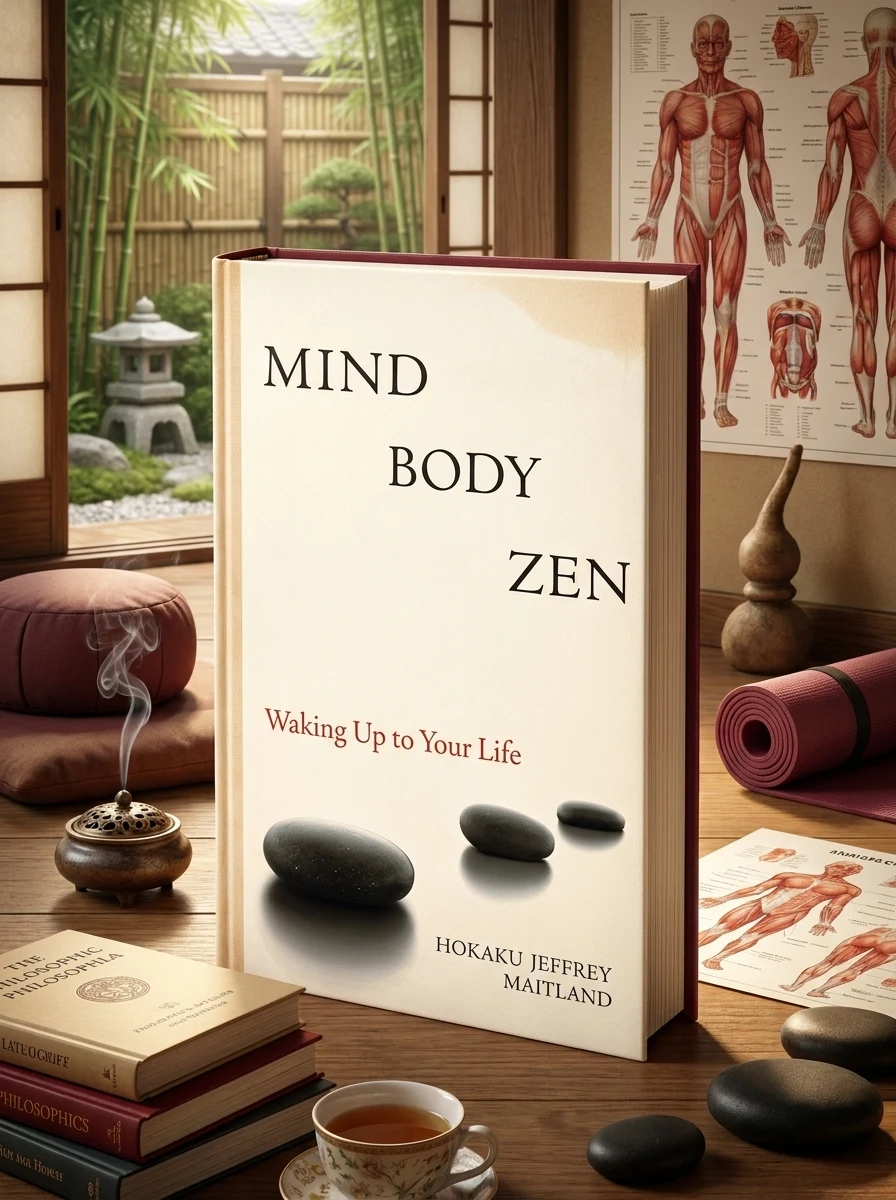
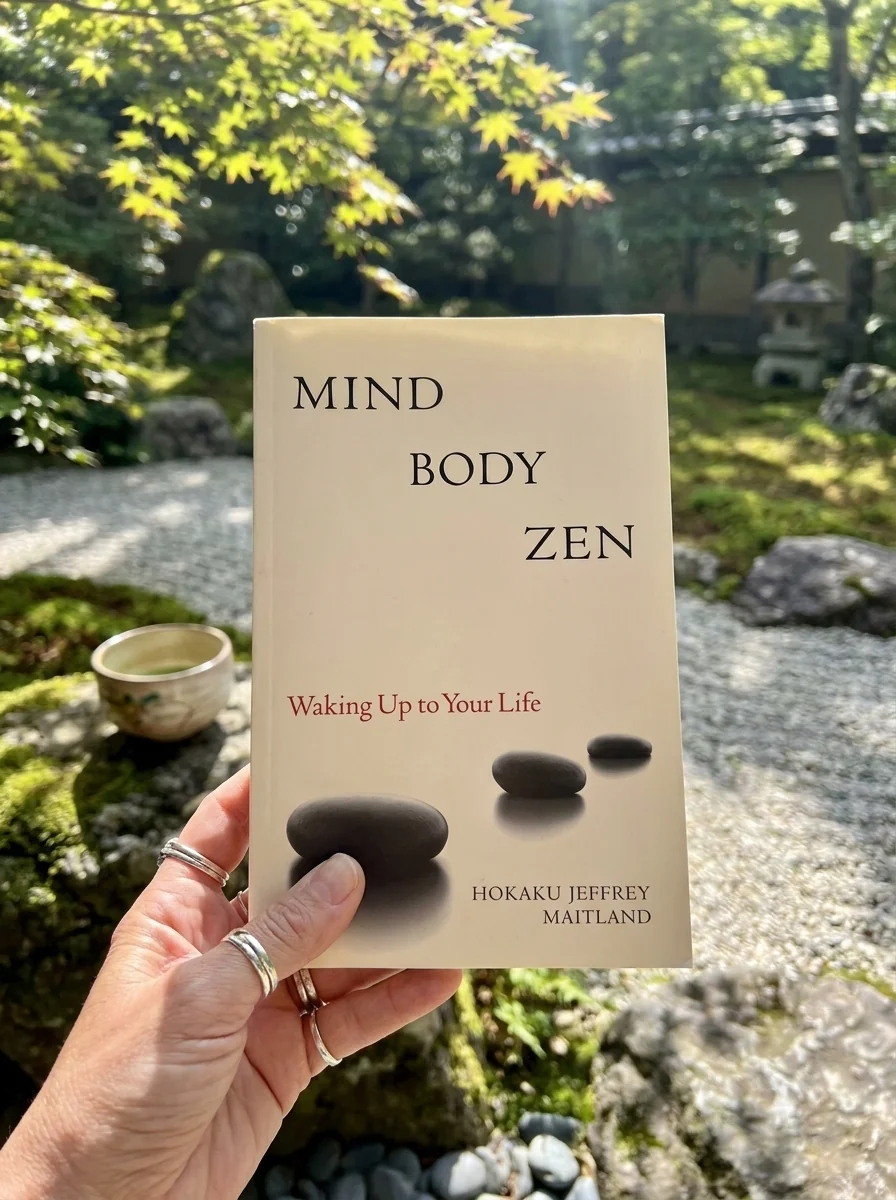
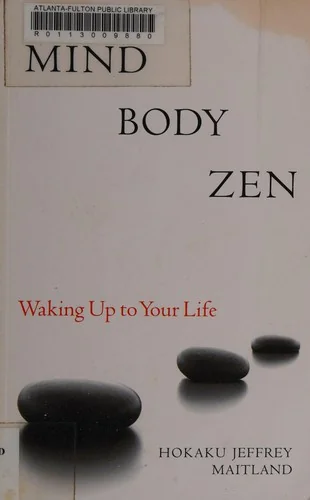
Mind Body Zen: Waking Up to Your Life
Jeffrey Maitland, a seasoned Zen practitioner, Rolfer, and former philosophy professor, deftly navigates the intersections of Eastern spiritual tradition and Western somatic awareness. This book reframes Zen not as an abstract philosophy, but as a grounded, experiential discipline. Drawing from his diverse background, Maitland illuminates the power of direct experience, offering tangible insights for both spiritual seekers and healing professionals. His unique synthesis helps readers integrate profound spiritual truths with the physical realities of being, fostering a deeper, more embodied understanding of awakening.


Praise for this book
“Dr. Jeffrey Maitland is a talented practitioner, author, and lecturer. This book emulates his life as I see him in action. He moves, writes, teaches, and practices in a quiet stillness that commands great respect from the elements and his fellow beings. Being a physician, author, and lecturer myself, I have learned to seek and learn from the best. . . . Part of my healing comes from the concepts taught in this book.”
“In these essays, Hokaku Jeffrey Maitland draws upon his experience as a Zen practitioner, philosopher, and pioneering somatic practitioner to clarify the principles behind Nyorai Zen--not through studies of discrete aspects of Zen practice but by addressing the whole. Mind Body Zen captures the spirit of the teachings of Zen master Kyozan Joshu, and is a compassionate call to practice--to know for oneself the beauty of what Joshu Roshi calls our true home.”
“Mind Body Zen is a pick for collections strong in Zen Buddhism and philosophy... Long-time Zen student and former philosophy professor uses this blend of mind-body experience and Zen knowledge to bridge East/West gaps in thinking.”
📝 Description: Mind Body Zen: Waking Up to Your Life
📑 What's inside
- Preface
- Introduction
- Essays
- 1. Is There Karma in Heaven?
- 2. Who's Attached to What?
- 3. The Zen Way of Knowing Nothing
- 4. Everything is in Love
- 5. The Reality of Duality
- 6. Buddhism and the Challenge of Postmodern Philosophy
- 7. The Zen of Sitting and Walking
- 8. Zen and the Art of Healing
- 9. Dark Wisdom
- Zennits
- Teaching Laughter
- Past Lives
- Henry Saves the Day
- Few Moving Parts
- Plane Zen
- No Respect
- Not Clear
- Ninety-Five Percent
- Monk on a Roll
- Floating with the Birds
- Driving Zen
- Great Love
- No Toilets in Heaven
- Birth and Death
- Schoolboy Zen
- Good Doggie
- Sick Bird
- Professor Appears
- Feeding Buddha
- A Magical Incantation
- Picking Up the Prize
- Teaching Laughter, Part 2
- Close, but No Cigar
- Glossary
- Acknowledgments
- Index
- About the Author
💎 Expert review
📖 Why choose it
Why this book is worth reading
Readers seeking a tangible approach to spiritual awakening will find profound value in this synthesis of Zen practice and somatic awareness. It is ideal for those who feel disconnected from abstract religious doctrines and crave an embodied, experiential path to enlightenment. Healing professionals, Rolfer practitioners, and philosophy enthusiasts alike will appreciate the grounded perspective that bridges ancient wisdom with modern physical understanding. By focusing on direct experience rather than intellectual abstraction, the book offers a refreshing, practical framework for integrating spiritual truths into daily life, making it essential for anyone wishing to deepen their connection between mind, body, and spirit.
⭐ Reader reviews
Reader rating
This title effectively demystifies Zen by anchoring it in physical reality, offering a refreshing alternative to purely textual or doctrinal studies. However, readers seeking traditional, lineage-based Zen instruction or rigorous academic philosophy may find the somatic focus too informal or lacking in historical depth. It is not suited for those who prefer strict adherence to canonical Buddhist texts without modern interpretation. The blend of Rolfer techniques with spiritual insight is unique but may feel disjointed to purists. Ultimately, it serves best as a bridge for Western seekers rather than a definitive guide for established practitioners.
❓ Frequently asked questions
📖 Who should read this
If you're a Western Buddhist, a spiritual seeker curious about Zen, or a somatic therapist looking to integrate deeper spiritual dimensions into your practice, this book offers a unique and practical perspective. It's for anyone ready to move beyond intellectual understanding into embodied wisdom.
🎯 Key themes and symbolism
Zen as Practical Discipline
Maitland challenges the common perception of Zen as purely an intellectual pursuit, instead presenting it as an eminently practical path. He demonstrates how Zen principles are meant to be lived and embodied, offering a refreshing perspective that grounds spiritual inquiry in direct, actionable experience rather than abstract thought, making awakening accessible and tangible.
Mind-Body Integration
Leveraging his expertise in Rolfing and extensive meditation practice, Maitland explores the inseparable connection between our mental and physical states. The book provides a framework for understanding how spiritual growth is deeply intertwined with somatic awareness, offering practical approaches for healers and individuals to cultivate a more unified sense of self through integrated mind-body work.
Power of Direct Experience
At the heart of Maitland's teaching lies the emphasis on simple, unmediated experience. He guides readers away from conceptual understanding towards immediate, felt reality, illustrating how true insight arises from direct engagement with the present moment. This theme resonates throughout the text, encouraging a profound shift from intellectualizing spirituality to genuinely living it.
📜 Historical context
📚 Glossary
- Zen
- Rolfing
- Roshi
📔 Questions to reflect on
- How might approaching your spiritual practice as a 'practical discipline' rather than a philosophy change your daily routine or outlook?
- Reflect on a time when your physical state significantly impacted your mental or spiritual clarity. How does Maitland's work resonate with this experience?
- Consider a 'simple, direct experience' from your day. How might deepening your awareness of it reveal a profound insight, as suggested by the author?