Visions of the Prophet
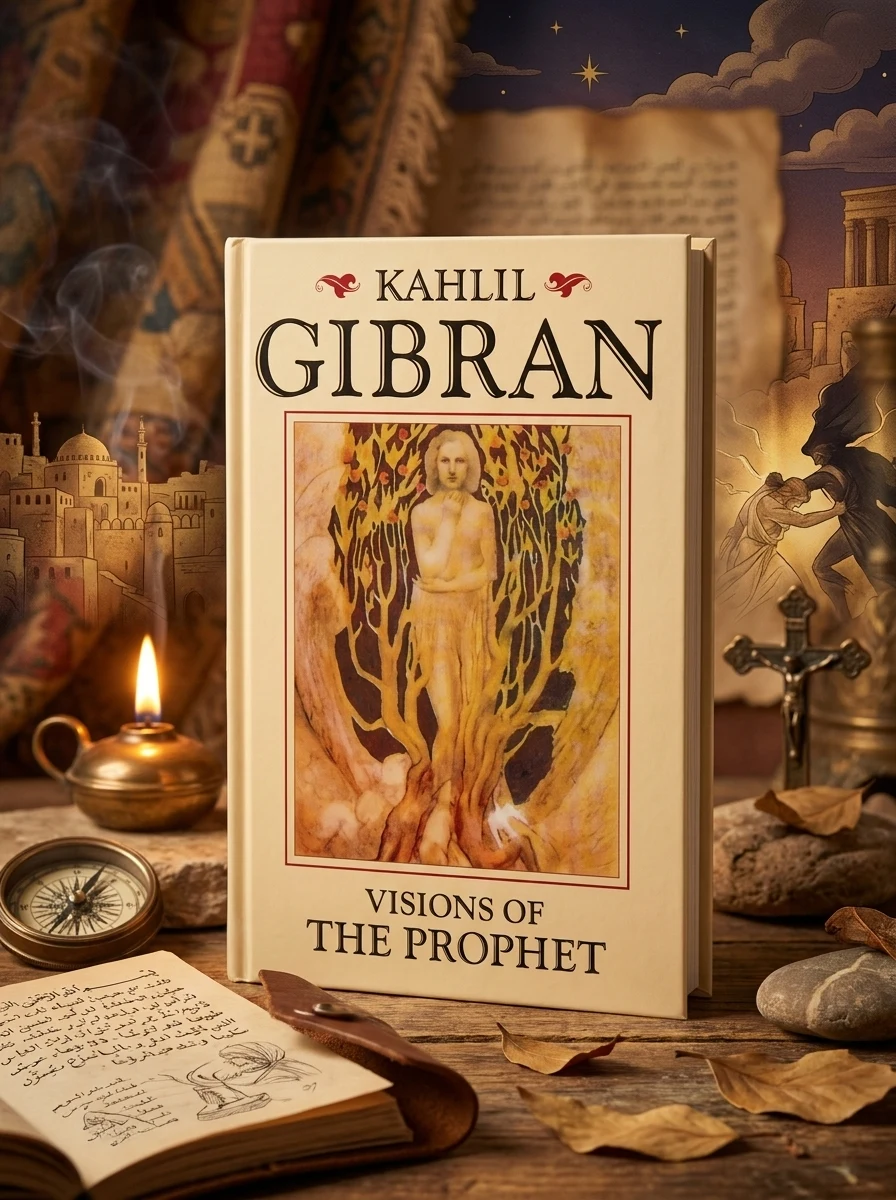
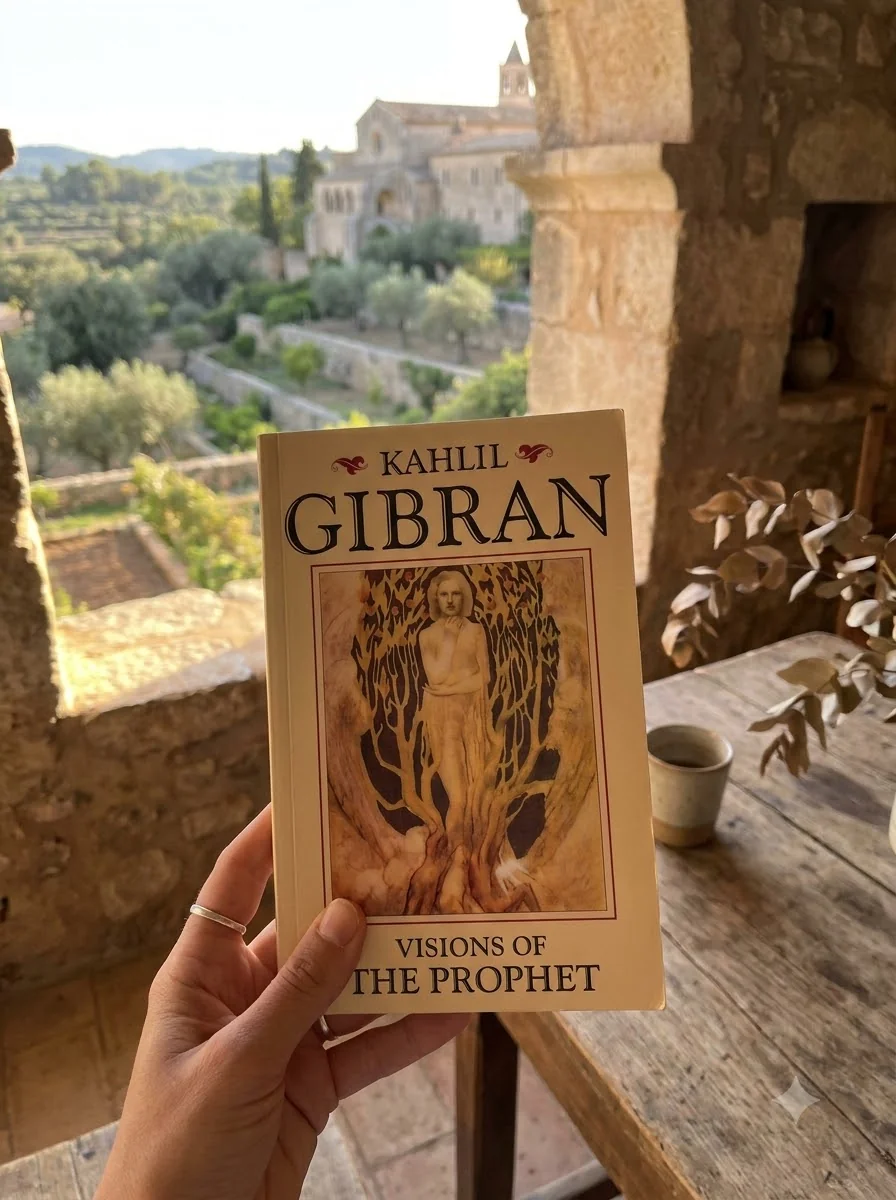
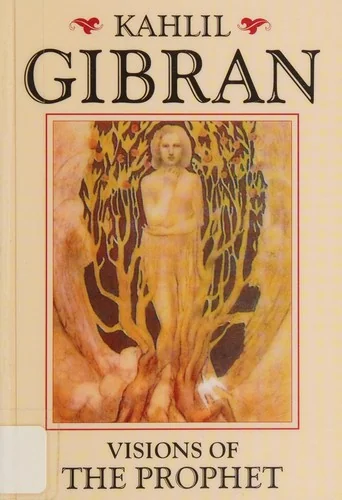
✍️ Gibran, KahlilKahlil Gibran’s *Visions of the Prophet* offers a more intense and introspective journey than his celebrated *The Prophet*. This compilation of lesser-known Arabic writings reveals a philosopher grappling with societal injustices and spiritual truths. He fearlessly examines religious dogma, societal hypocrisy, and the struggles of the human spirit amidst hardship. Through essays, parables, and a dramatic play, Gibran urges readers to cultivate an inner sanctuary, challenging conventional wisdom and advocating for a deeply personal, unfettered spiritual path. It’s a profound exploration of what it means to truly live.


📝 Description: Visions of the Prophet
💎 Expert review
📖 Why choose it
Why this book is worth reading
Readers seeking a deeper, more unvarnished spiritual experience than that found in Gibran’s famous *The Prophet* will find immense value here. This book is ideal for those drawn to intense introspection and the confrontation of life's profound paradoxes without the comfort of conventional religious dogma. It appeals to individuals who feel constrained by societal hypocrisy and are eager to cultivate a deeply personal, unfettered spiritual path. If you crave a philosopher grappling with spiritual truths amidst hardship, this compilation of essays, parables, and drama offers a challenging yet rewarding journey into the human spirit’s inner sanctuary.
⭐ Reader reviews
Reader rating
Gibran delivers a fierce, introspective exploration that strips away the polish of his more famous works to reveal a raw philosophical core. While the dramatic play and essays offer profound insights into religious dogma and societal injustice, this intensity may alienate readers preferring gentle, uplifting wisdom. Those seeking easy comfort or traditional religious affirmation will likely find the critique of hypocrisy too abrasive. However, for those willing to endure the weight of spiritual truth and societal critique, this book provides a necessary, unflinching look at the struggle for an authentic inner life amidst external chaos.
❓ Frequently asked questions
📖 Who should read this
If you seek a deeper, more challenging side of Kahlil Gibran, beyond the gentle wisdom of *The Prophet*, this collection is for you. It’s for those ready to confront uncomfortable truths and embrace a rigorous path of self-examination and spiritual independence.
🎯 Key themes and symbolism
Challenging Dogma & Hypocrisy
Gibran incisively critiques religious and social pretenses, exemplified by characters wrestling with Christian hypocrisy and societal facades. He uses figures like "Mad John" to expose the chasm between professed beliefs and actual conduct, urging readers to look beyond superficial piety to a more authentic spirituality.
Cultivating Inner Life
The collection emphasizes the paramount importance of nurturing one's spiritual core. Gibran guides readers toward developing a robust inner world as a moral compass, especially amidst external turmoil. He suggests that true wisdom and resilience stem from a rich, cultivated inner landscape, distinct from worldly concerns.
Societal Injustice & Soul
Gibran confronts the painful reality of children born into corrupt environments and poverty, questioning how their souls can flourish. He highlights the destructive impact of societal failings on individual spiritual growth, advocating for a compassionate understanding of human suffering and the inherent value of every soul.
📜 Historical context
📚 Glossary
- Dogma
- Sufism
- Hypocrisy
📔 Questions to reflect on
- How do societal expectations or religious doctrines hinder your personal spiritual growth?
- What "inner life" practices do you cultivate to maintain your moral compass amidst external pressures?
- Reflect on a time you witnessed hypocrisy. How did it affect your understanding of truth and belief?