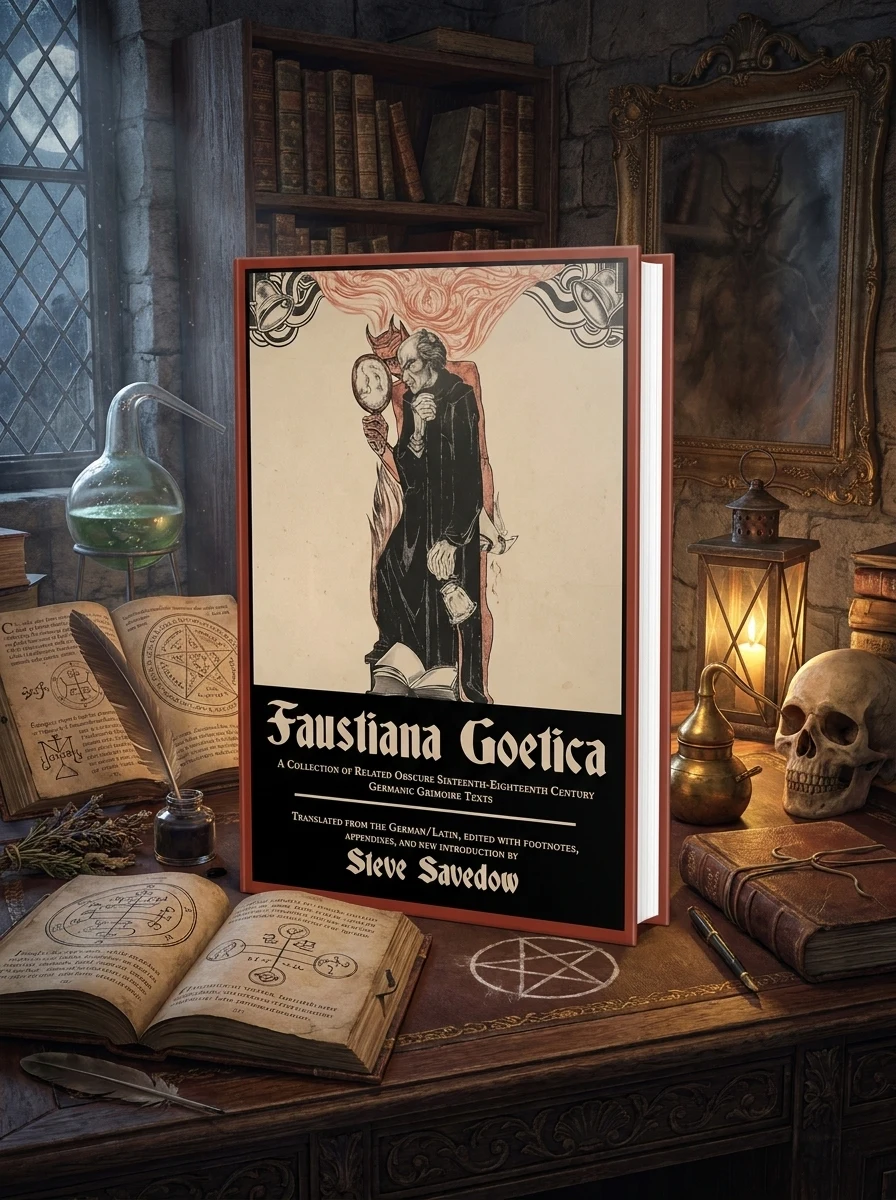
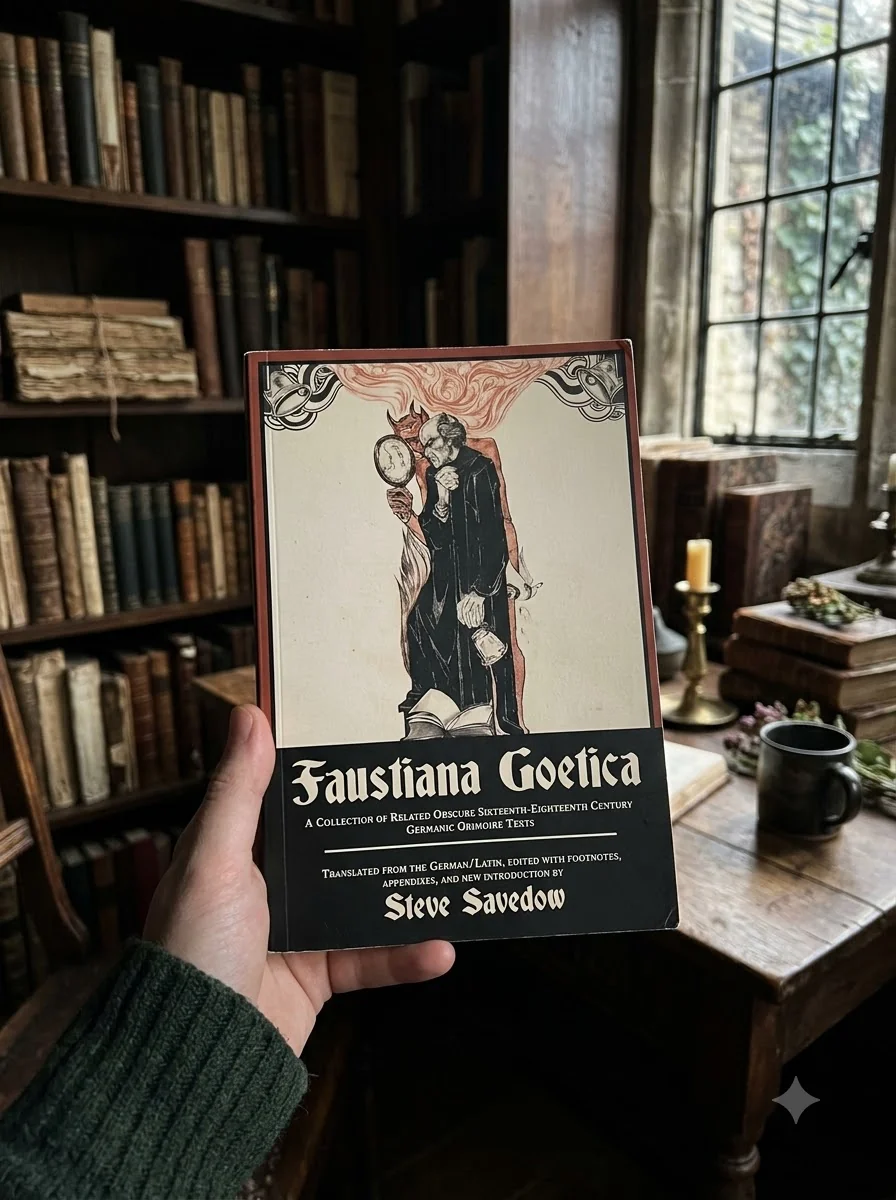
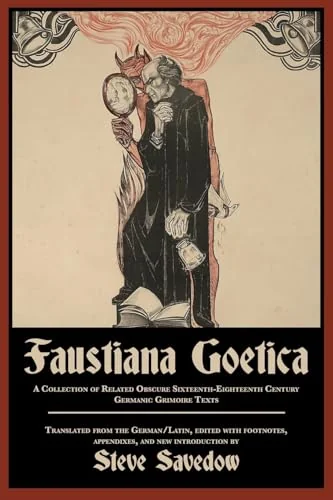
Faustiana Goetica: A Collection of Related Obscure Sixteenth-Eighteenth Century Germanic Grimoire Texts
✍️ Savedow, SteveSteve Savedow meticulously compiles a foundational treasury of previously inaccessible Germanic grimoires from the 16th to 18th centuries. For the first time in English, these practical 'Black Books' illuminate the direct art of spirit evocation, often termed 'Goetica.' Readers will uncover detailed instructions for crafting powerful talismans, acquiring wealth, scrying through water, and even communicating with the deceased. This collection offers a clear, unembellished approach to Faustian magical traditions, making potent historical practices available to contemporary practitioners and scholars alike.


📝 Description: Faustiana Goetica: A Collection of Related Obscure Sixteenth-Eighteenth Century Germanic Grimoire Texts
💎 Expert review
📖 Why choose it
Why this book is worth reading
This collection is an indispensable resource for serious practitioners and academic scholars who seek unvarnished access to historical Germanic magical traditions. Steve Savedow provides a rare, curated window into the 'Black Books' of the 16th through 18th centuries, translating previously inaccessible texts that detail spirit evocation and talismanic crafting. Readers will appreciate the direct, practical nature of these instructions on wealth acquisition and scrying, which are presented without modern embellishment. For those fascinated by the Faustian lineage of magic, this book offers a tangible connection to the past, allowing contemporary readers to engage with potent historical methods that were once hidden from view. It is essential for anyone dedicated to preserving or practicing these specific arcane arts.
⭐ Reader reviews
Reader rating
While historically significant, this compilation demands a reader with high tolerance for archaic concepts and dense esoteric material. It is not suited for casual occult enthusiasts seeking quick rituals or modernized spellwork; the text remains firmly rooted in its original context, offering no hand-holding for beginners. The focus on direct spirit evocation and 'Goetica' practices may also alienate those with ethical reservations regarding traditional demonology. However, for researchers and dedicated magicians who value authenticity over accessibility, this is a valuable, if rigorous, addition to their library. It succeeds in its goal of preservation but requires scholarly patience.
❓ Frequently asked questions
📖 Who should read this
If you are a serious student of historical magic, a practitioner seeking authentic grimoire traditions, or simply fascinated by the raw, unembellished workings of 16th-18th century Germanic occultism, this volume is an essential addition to your library. Prepare to engage with the practical heart of Faustian Goetica.
🎯 Key themes and symbolism
Direct Spirit Evocation
Central to these texts is the 'Goetica' tradition, offering straightforward methods for summoning and interacting with spirits. Unlike more elaborate rituals, these grimoires present a practical, no-frills approach to calling forth entities, focusing on clear instructions for direct engagement rather than complex philosophical frameworks.
Faustian Talismanic Magic
The collection deeply explores the creation and utilization of talismans, a hallmark of Germanic magical practice. These 'Black Books' detail how specific sigils and materials are imbued with power, serving as conduits for various magical operations, from wealth acquisition to spirit conjuration, embodying the Faustian pursuit of worldly influence.
Necromancy and Divination
Beyond conventional evocation, these grimoires delve into methods for contacting the dead and divining hidden knowledge. Techniques include using a glass of water for scrying and specific necromantic rites designed to gain information or insight from departed souls, offering unique perspectives on communication across the veil.
📜 Historical context
📚 Glossary
- Goetica
- Grimoire
- Faustian
📔 Questions to reflect on
- How do these 'no-nonsense' approaches to evocation compare with more complex ceremonial magic you might be familiar with?
- Reflect on the ethical implications of using magic solely for material gain, as suggested by some of these texts.
- Considering the historical context, what might have driven individuals in the 16th-18th centuries to seek out and practice such potent forms of 'Black Magic'?