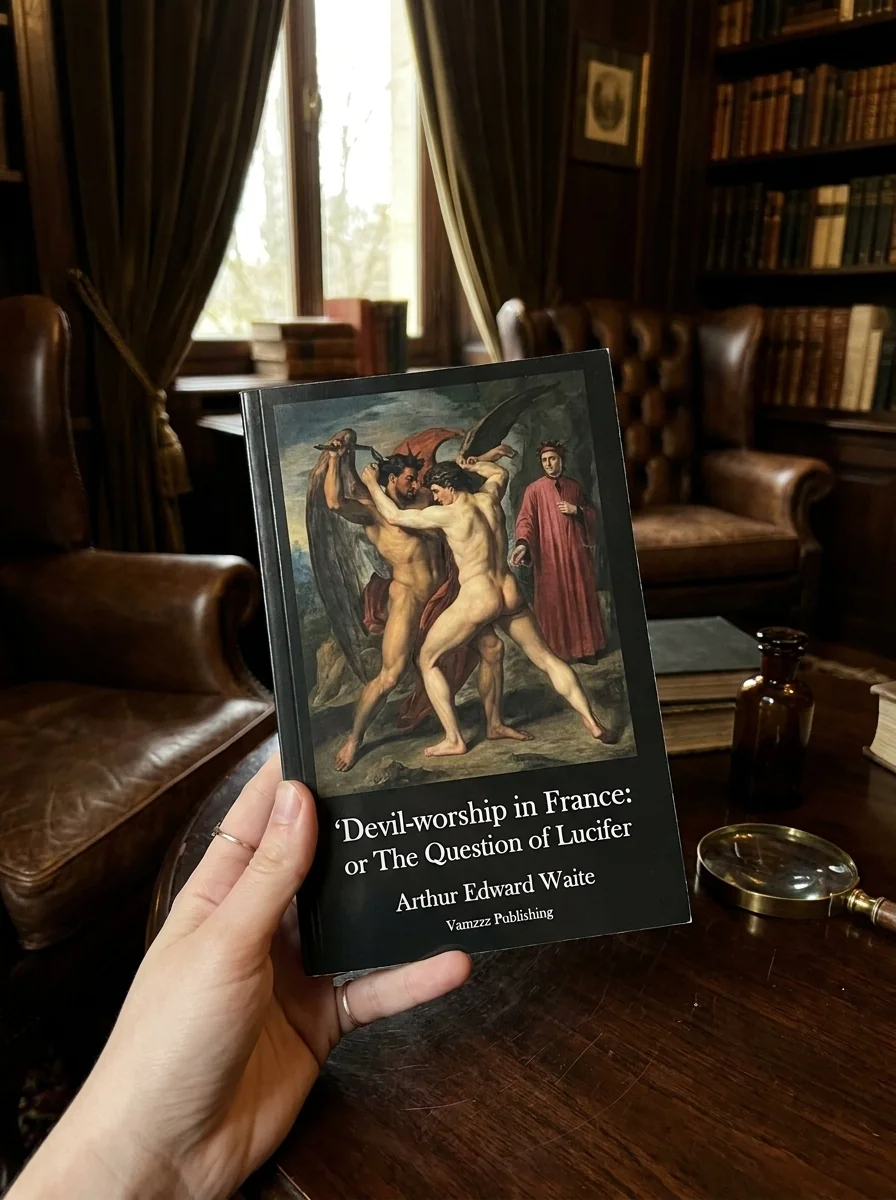
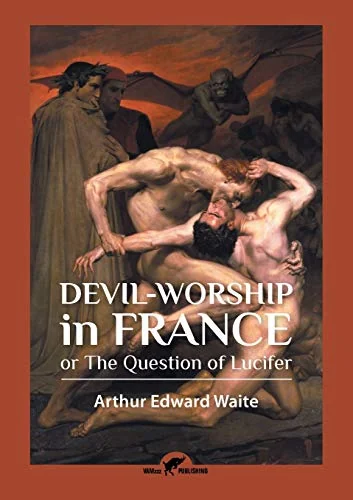
Devil-worship in France: or The Question of Lucifer
✍️ Waite, Arthur EdwardArthur Edward Waite, the erudite mystic, meticulously examines the sensational claims of 19th-century French Satanism in this foundational text. Driven by the dark allure of works like Huysmans' *Là-Bas* and a desire to clarify the true nature of occult practices, Waite embarks on a forensic investigation. He meticulously sifts through whispers and accusations, particularly those implicating Masonic circles, to distinguish genuine spiritual currents from elaborate deceptions. His incisive analysis ultimately exposes a vast fabricated conspiracy, offering a crucial historical corrective to the era's lurid fantasies about devil-worship.


📝 Description: Devil-worship in France: or The Question of Lucifer
💎 Expert review
📖 Why choose it
Why this book is worth reading
This book is an essential resource for serious students of Western esotericism who wish to separate historical fact from the sensationalist fabrications of the 19th century. Readers interested in the intellectual history of occultism, particularly the intersection of Catholicism and Freemasonry, will find Waite’s forensic investigation invaluable. It offers a clear-eyed view of how rumors were constructed and sustained, providing crucial context for understanding later esoteric developments. By dismantling the elaborate deceptions regarding French Satanism, Waite clarifies genuine spiritual currents from mere invention. It is particularly beneficial for those seeking to understand the cultural anxieties of the period and the accurate lineage of ceremonial magic without the distortion of anti-occult propaganda.
⭐ Reader reviews
Reader rating
Waite’s work is a rigorous, albeit dense, dissection of 19th-century occult rumors. While his erudition is undeniable and his exposure of fabricated conspiracies historically significant, this text may not suit readers seeking narrative thrills or practical magical instruction. Those expecting the atmospheric dread found in Huysmans’ fiction will likely find Waite’s analytical approach dry and academic. Furthermore, casual enthusiasts of 'Satanism' might feel disappointed by the lack of ritual content, as the book focuses on debunking myths rather than exploring dark practices. It is a scholarly corrective for the dedicated historian of ideas, not a general audience primer.
❓ Frequently asked questions
📖 Who should read this
If you're fascinated by the intersection of occult history, social panic, and the critical analysis of spiritual claims, this book is essential. It's for anyone seeking to understand how "Satanism" was constructed in the public imagination and the diligent work required to dismantle such pervasive falsehoods.
🎯 Key themes and symbolism
Deconstructing Occult Fabrications
Waite meticulously dismantles the elaborate fictions surrounding alleged Satanic cults in 19th-century France. He distinguishes between genuine esoteric inquiry and sensationalist conspiracies, revealing how easily rumors can be crafted and spread to discredit spiritual movements, particularly within the Masonic establishment, which was a key target of these falsehoods.
The Nature of Devil-Worship
Beyond simply debunking, Waite seeks to precisely delineate what constitutes "Satanism" and what does not. His work offers a nuanced perspective on the phenomenon, challenging readers to critically examine historical accounts and popular misconceptions surrounding the adoration of Lucifer and diabolical rites, separating true belief from public hysteria.
Masonic Defense & Legacy
This investigation served a dual purpose: a scholarly pursuit and a strategic defense of Freemasonry and the Golden Dawn from accusations of Luciferian worship. Waite's successful refutation of these widespread rumors significantly bolstered his standing within esoteric fraternities, solidifying his reputation as a formidable intellectual and a protector of esoteric integrity.
📜 Historical context
📚 Glossary
- Luciferianism
- Golden Dawn
- Là-Bas
📔 Questions to reflect on
- How do contemporary moral panics or conspiracy theories about spiritual groups echo the 19th-century anxieties Waite addresses?
- In what ways might a personal agenda (like defending an organization) both motivate and potentially bias a scholarly investigation, and how can a reader discern this?
- Reflect on the difference between genuine esoteric practice and sensationalized public perception. Where do you see this distinction most clearly or most blurred today?