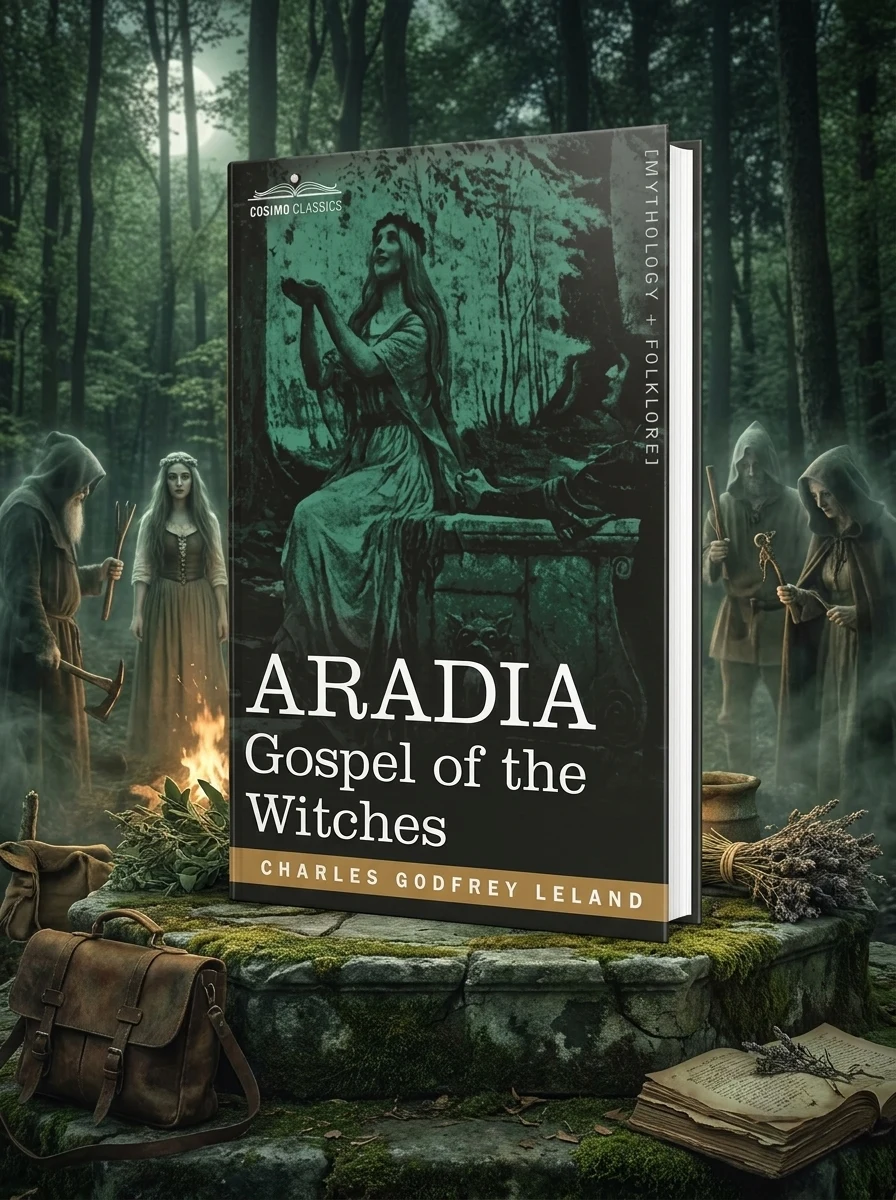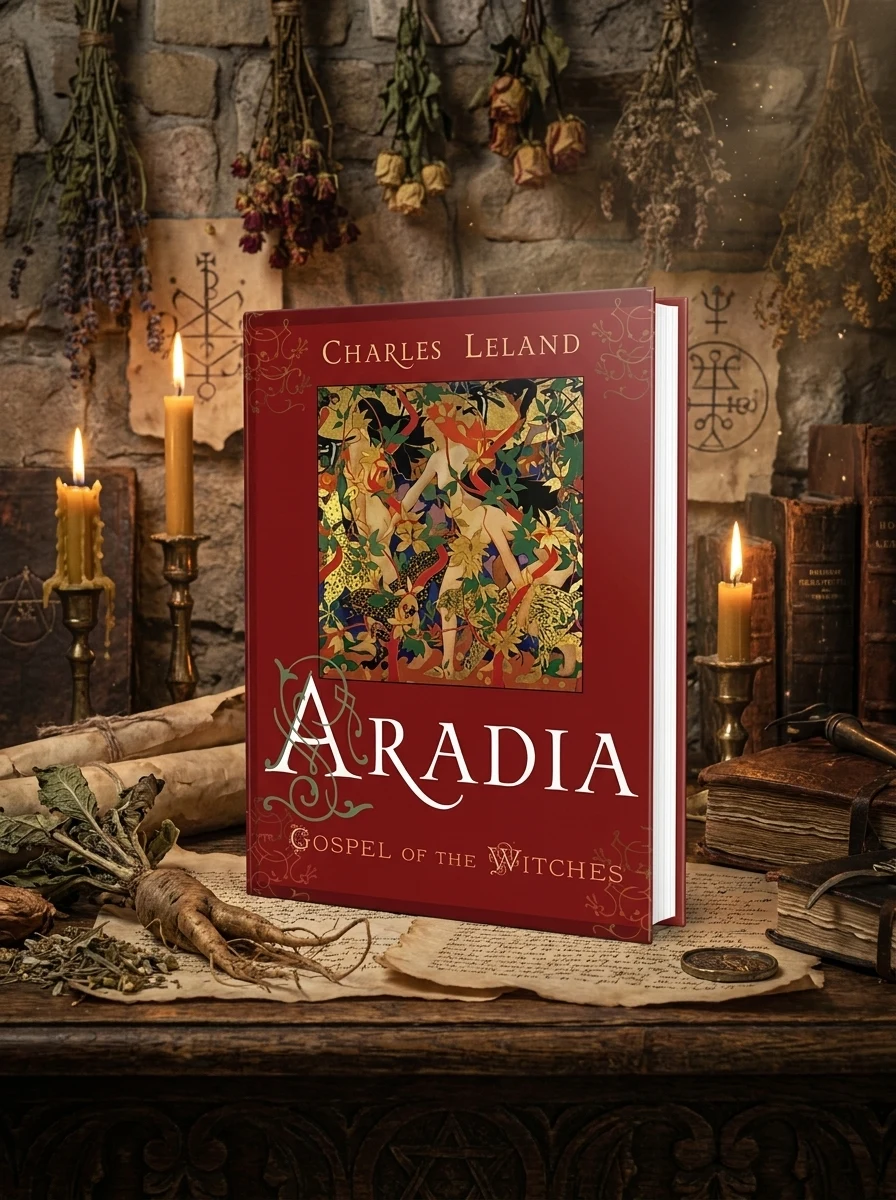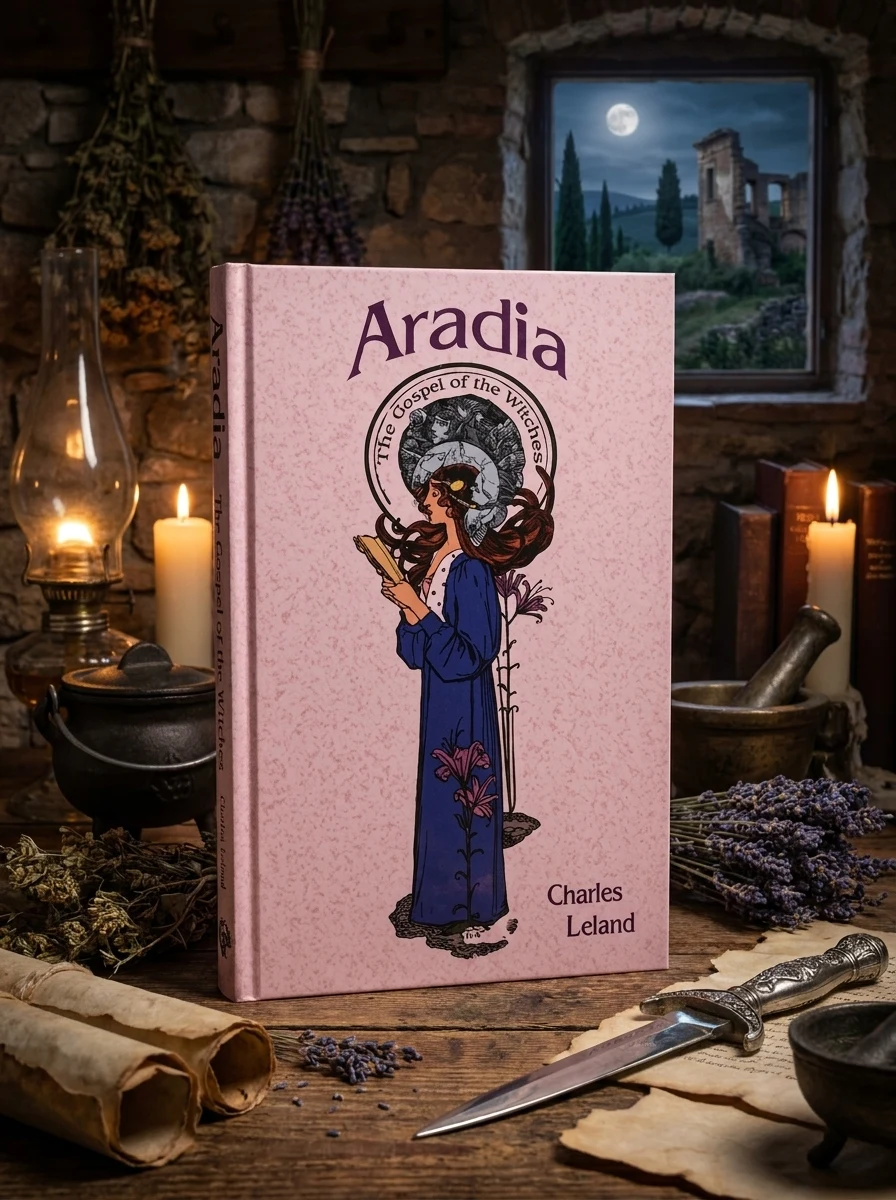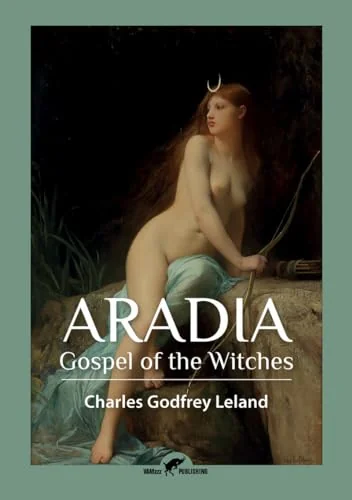
Aradia: Gospel of the Witches
✍️ Leland, Charles GodfreyDelve into the foundational narratives of Italian stregheria with this seminal text. Charles Godfrey Leland meticulously compiles a captivating tapestry of ancient lore, detailing the creation myth according to Italian witch tradition. Readers will discover the rituals of the treguenda (witch meeting), alongside authentic magical formulas for love and prosperity. The book centers on the divine triad of Diana, her daughter Aradia—revered as the queen of Italian witches—and Lucifer. Leland also explores Aradia’s enigmatic origins, connecting her to figures like Herodias and Lilith. This edition further enriches the work with critical insights into Leland’s life, his informant Maddalena, and historical evidence of enduring Diana worship.


📝 Description: Aradia: Gospel of the Witches
💎 Expert review
📖 Why choose it
Why this book is worth reading
This book is an essential read for those seeking to uncover the ancient heart of Italian witchcraft and its unique theological framework. Readers fascinated by the legendary lore of Diana and her daughter Aradia will find deep value in this compilation of foundational narratives. It offers a captivating glimpse into the rituals of the treguenda and authentic magical formulas for love and prosperity, all centered on the divine triad including Lucifer. Furthermore, it appeals to historians and occultists interested in the enigmatic origins of Aradia, connecting her to figures like Herodias and Lilith. The inclusion of critical insights into Leland’s life and his informant Maddalena provides necessary historical context, making this edition particularly enriching for anyone dedicated to exploring the enduring legacy of Diana worship within the broader tapestry of Western esotericism.
⭐ Reader reviews
Reader rating
Charles Godfrey Leland presents a captivating tapestry of ancient lore that remains vital for understanding Italian stregheria. The text effectively details the creation myth and ritual structures, offering readers a direct window into the divine triad of Diana, Aradia, and Lucifer. However, this work is not suited for those seeking modern, eclectic Wiccan practices or those skeptical of late 19th-century anthropological methods. Readers expecting purely contemporary magical instruction may find the historical focus on Leland’s informant Maddalena dry or dated. It is best appreciated by scholars and serious practitioners interested in the historical roots of witchcraft rather than casual enthusiasts looking for immediate practical spells without contextual depth.
❓ Frequently asked questions
📖 Who should read this
If you're drawn to the historical roots of European witchcraft, curious about the divine feminine in pagan traditions, or seeking to understand the foundational myths of Italian stregheria, this book is essential. It offers a direct conduit to ancient wisdom.
🎯 Key themes and symbolism
The Divine Feminine & Pantheon
Central to the work are the figures of Diana and Aradia. Diana is portrayed as a powerful lunar deity connected to the fae, while Aradia, her daughter, emerges as the queen and teacher of witchcraft. The book also introduces Lucifer as a significant figure within this unique pantheon.
Magical Practices & Spells
Beyond theoretical lore, the book provides practical examples of traditional magic. It details various "magical recipes" or spells, specifically for attracting love and ensuring good fortune. These elements offer insight into the practical applications and intentions behind historical Italian folk magic.
📜 Historical context
📚 Glossary
- Strega/Streghe
- Treguenda
- Diana
📔 Questions to reflect on
- How do the roles of Diana and Aradia in this text challenge or align with your existing understanding of divine feminine figures in magic?
- Reflect on the concept of 'Lucifer' presented here. What insights does this offer into pre-Christian or non-Christian interpretations of such powerful archetypes?
- Consider the 'magical recipes' for love and fortune. How do these simple spells connect to broader principles of manifestation and intention in your own practice?