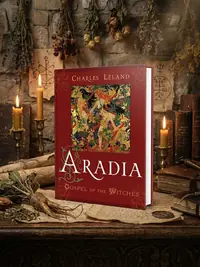
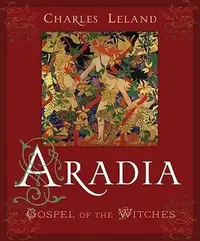
US shipping Secure card payment Occult and esoteric books

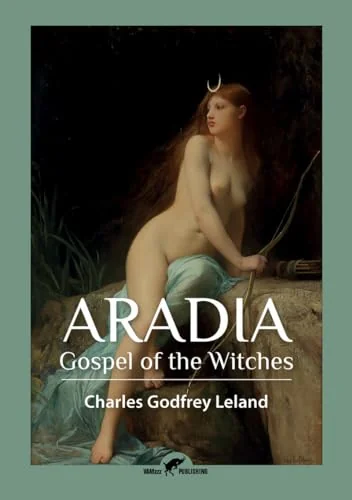
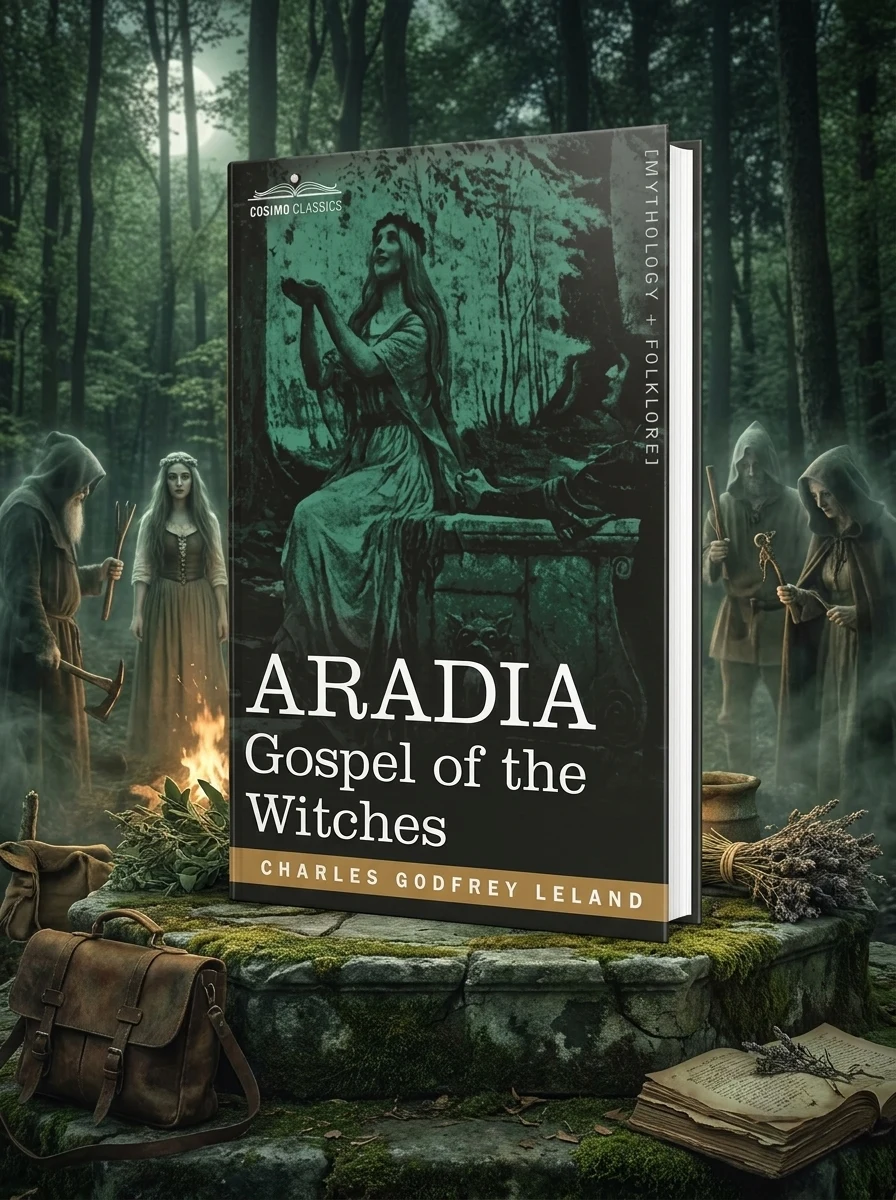
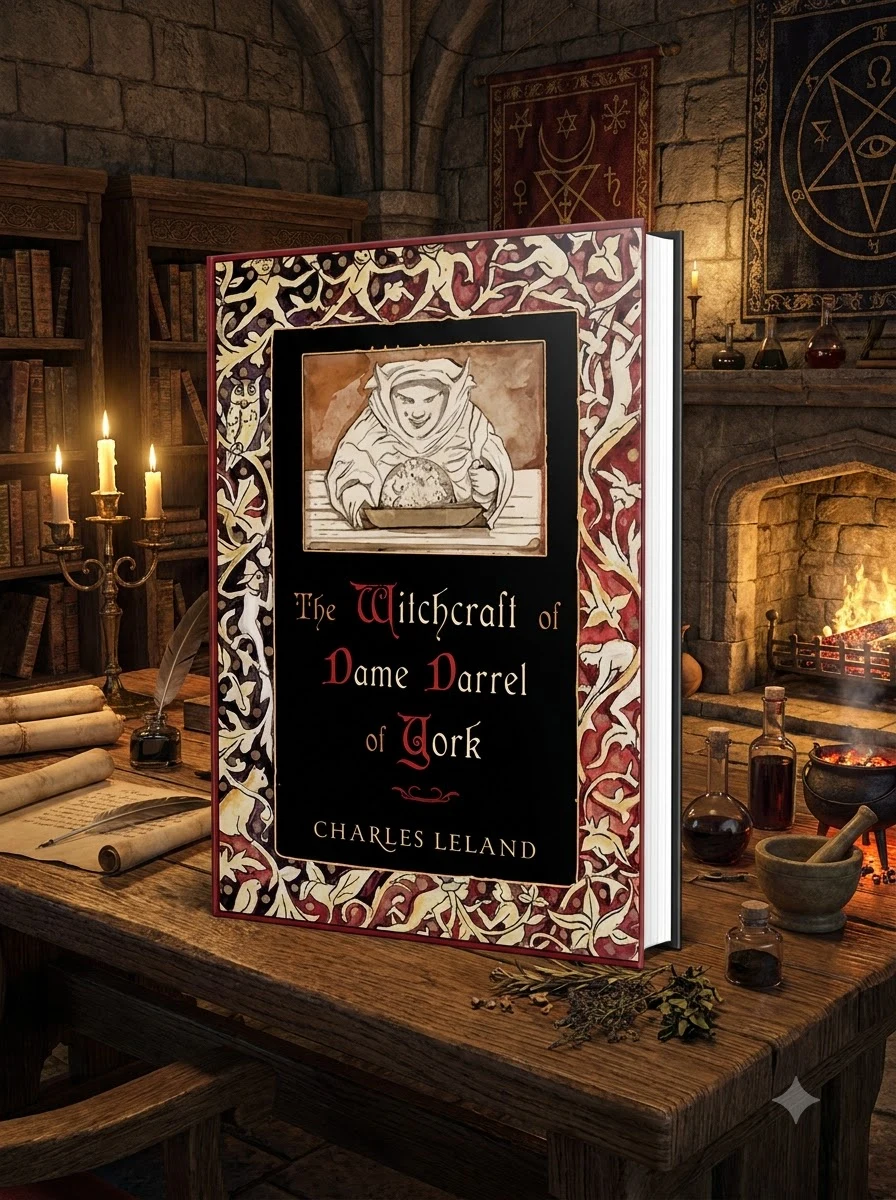
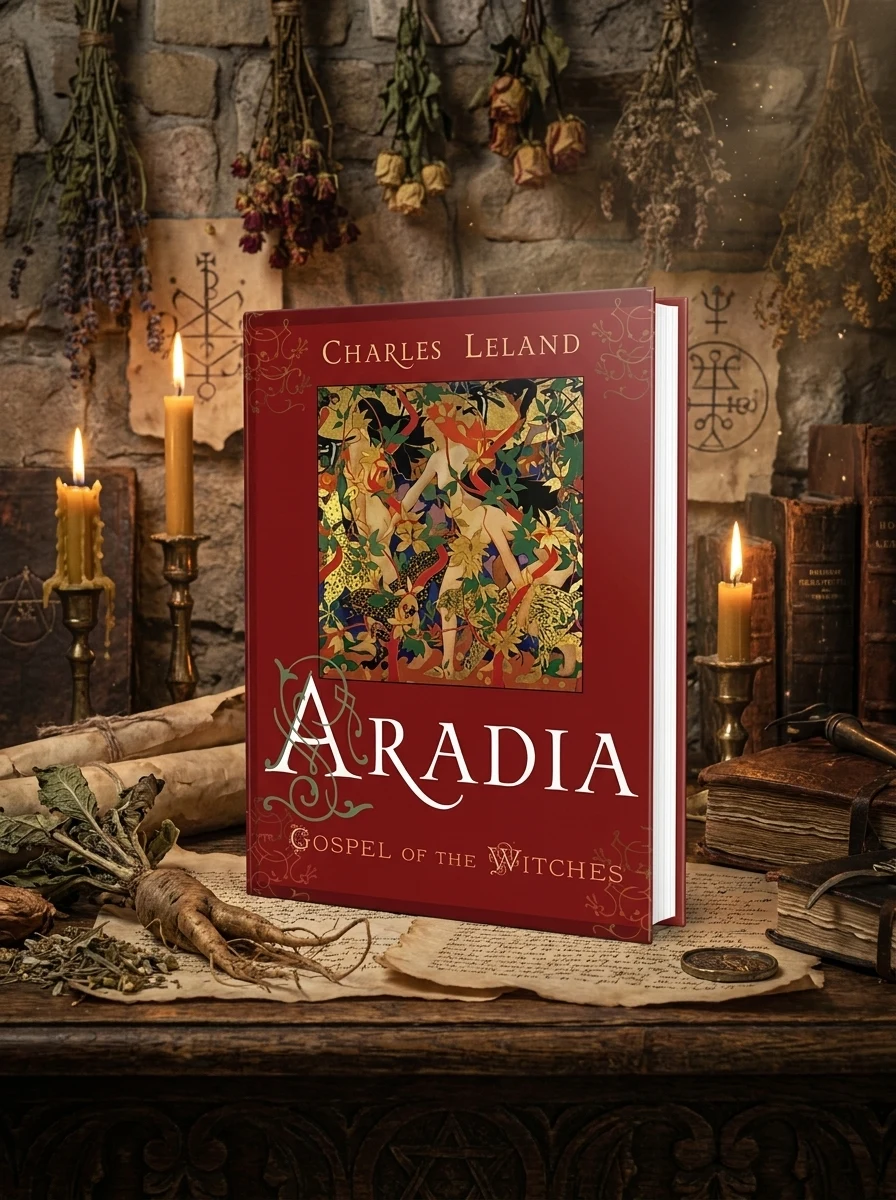
Aradia: Gospel of the Witches

Leland, Charles Godfrey
Reader rating
4.7
(1 reviews) 39 sold
Availability to be confirmed

This edition can be ordered. No arrival date is confirmed.

📚 ABOUT THE BOOK

The secret gospel of the old religion, resurrected from obscurity to define modern witchcraft.

Charles Godfrey Leland’s 1899 text serves as the foundational mythos for English-speaking witchcraft, framing the craft not as a modern invention but as a clandestine survival of ancient pagan traditions. Though initially ignored and poorly received, this rare volume eventually influenced key figures like Theda Kenyon and Doreen Valiente, who wove its lyrical passages into contemporary Wiccan liturgy. This edition finally restores the missing final page lost in previous flawed reprints, offering a complete and authentic glimpse into the spiritual lineage that shaped the modern witch’s path.

Key themes
Pagan Survival Narrative Divine Femininity Ritual Liturgy
Historical context

This text serves as the foundational mythos for English-speaking witchcraft, framing the craft not as a modern invention but as a clandestine survival of ancient pagan traditions.


Difficulty
●● Moderate
Fans will love it
Doreen Valiente · Theda Kenyon · Gerald Gardner
🌙 Witchcraft & Wicca
🏛 Witches Almanac 📖 172 pages 📔 Paperback 📐 Paperback ISBN: 9780982432358
Fun fact
Leland’s work is a vital historical artifact, beautifully restored here with its missing pages. It succeeds in creating a compelling mythos for modern witchcraft, offering rich, poetic language that continues to inspire. However, academic readers may find its ethnographic methods flawed. For practitioners, it remains an indispensable touchstone, sitting uniquely at the intersection of folklore and religious foundation.
📚 This book appears in Esoterica Books

📝 Description: Aradia: Gospel of the Witches

If Gerald Brosseau Gardner is the father of the religion that calls itself Wicca, then Charles Godfrey Leland is the grandfather of Witchcraft as a religion in the English-speaking world, and his small book, Aradia, is that religion's birth-announcement. It is the first work in English in which Witchcraft is portrayed as an underground old religion, surviving in secret from ancient Pagan times. Until now Aradia has been a work more often cited than read. Its first edition (1899) garnered only one review, and sank from sight like a stone cast into murky waters/ it sold poorly and is now a rare book. By chance a copy fell into the hands of Theda Kenyon, who devoted a few pages to it in her sensational Witches Still Live (1929), thereby calling it to the attention of many readers. By the 1950s Doreen Valiente had read Aradia, and she incorporated some of its most beautiful passages into the Wiccan rituals that she wrote. In the '60s and '70s it was reprinted four times, but always from a defective copy of the first edition that had lost its last page. Only in the '90s did another reprint finally restore the missing page. Aradia has always been a controversial work, among Witches and scholars alike. Scholars have questioned whether it may be a fiction or a forgery by Leland or by his principal informant, Maddalena (Margherita Taludi). Witches have objected to it on theological and ethical grounds, since some of the myths that it tells are about Lucifer and Cain as well as Diana and Aradia, some of its spells work by threatening or coercing the Deities and spirits, and in its revolutionary fervor it does not shrink even from teaching that the poor and downtrodden should use poisons to destroy their feudal overlords. Despite all that, it remains a beautiful and compelling work. This edition has brought the format and typography up to date, while keeping the text unchanged. A modern reader will undoubtedly find this new edition of Aradia much easier to read than the original or any of its facsimile reprints.

💎 Expert review

💎
Esoterica Books editorial team
Occult literature desk
While influential in shaping key figures like Theda Kenyon and Doreen Valiente, this 1899 text may not suit readers seeking purely historical archaeology without esoteric interpretation. Those expecting a dry academic treatise might find its mythic framing too subjective. However, for those valuing the restoration of lost pages and the authentic lineage of English-speaking witchcraft, it remains a vital resource. It does not cater to casual observers unfamiliar with occult terminology or modern Wiccan liturgical structures.
✓ EDITOR'S REVIEW

📖 Why choose it

📖

Why this book is worth reading

Readers seeking to understand the spiritual lineage that shaped the modern witch’s path will find this volume essential. It offers a complete and authentic glimpse into the secret gospel of the old religion, resurrected from obscurity to define contemporary practices. By restoring the missing final page lost in previous flawed reprints, this edition provides clarity for those interested in the historical roots of Wiccan liturgy. It is ideal for practitioners who wish to connect with the lyrical passages woven into modern ceremonies and appreciate the clandestine survival of ancient pagan traditions.

⭐ Reader reviews

The starting rating comes from the team Esoterica Books —
⭐ Esoterica editorial review Editorial rating 4.7/5
★★★★
Readers seeking the historical roots of Wicca, scholars of religious history, and practitioners interested in the mythological foundations of their craft. It is essential for those who wish to understand the literary and spiritual lineage that shaped modern pagan rituals.

Reader rating

4.7
Based on 1 reviews
5
0
4
1
3
0
2
0
1
0
E
Esoterica Books editorial team

While influential in shaping key figures like Theda Kenyon and Doreen Valiente, this 1899 text may not suit readers seeking purely historical archaeology without esoteric interpretation. Those expecting a dry academic treatise might find its mythic framing too subjective. However, for those valuing the restoration of lost pages and the authentic lineage of English-speaking witchcraft, it remains a vital resource. It does not cater to casual observers unfamiliar with occult terminology or modern Wiccan liturgical structures.

❓ Frequently asked questions

Leland claimed to transcribe the beliefs of Tuscan witches, but scholars debate the authenticity of these sources. It is best viewed as a foundational mythos for modern witchcraft rather than a strict historical record.
Previous reprints omitted the final page due to defective source copies. This edition restores it, providing the complete narrative arc and concluding rituals that were previously absent from the text.

📖 Who should read this

Readers seeking the historical roots of Wicca, scholars of religious history, and practitioners interested in the mythological foundations of their craft. It is essential for those who wish to understand the literary and spiritual lineage that shaped modern pagan rituals.

🎯 Key themes and symbolism

Pagan Survival Narrative

Leland presents witchcraft as a hidden lineage, preserving pre-Christian beliefs in secret from the shadows of history. This framing establishes a sense of continuity and resilience, suggesting that the practices described are not new but rather an ancient faith that evaded destruction through secrecy and adaptation across centuries.

Divine Femininity

The text centers on Aradia, a goddess who brings knowledge and liberation to her followers. This focus elevates the feminine divine as the primary source of spiritual power and wisdom, challenging patriarchal religious structures and offering a model of empowerment through divine feminine authority and magical practice.

Ritual Liturgy

Beyond theory, the book provides specific chants and rituals that became integral to Wiccan practice. Its poetic structure and ceremonial language offer practitioners a direct connection to the emotional and spiritual tone of the craft, serving as both a historical document and a functional guide for modern magical workings.

💬 Quotes from the book

“Ye shall be as gods, knowing good and evil.”

“The night is dark enough for all our needs.”

📜 Historical context

Published in 1899, the book emerged during a period of rising interest in the occult but was largely ignored until the mid-twentieth century. Its rediscovery by Gerald Gardner’s circle and subsequent adoption by Wiccan leaders like Doreen Valiente transformed it from a obscure curiosity into a central text of the modern pagan revival, bridging folkloric study and religious practice.

📚 Glossary

Aradia
Leland
Wicca

📔 Questions to reflect on

  1. How does the concept of hidden knowledge resonate with your personal spiritual journey?
  2. In what ways do you see the theme of overcoming oppression reflected in your current life?
  3. How might the idea of the divine feminine influence your understanding of power and authority?

✍️ More books by this author Leland, Charles Godfrey

All books by this author →
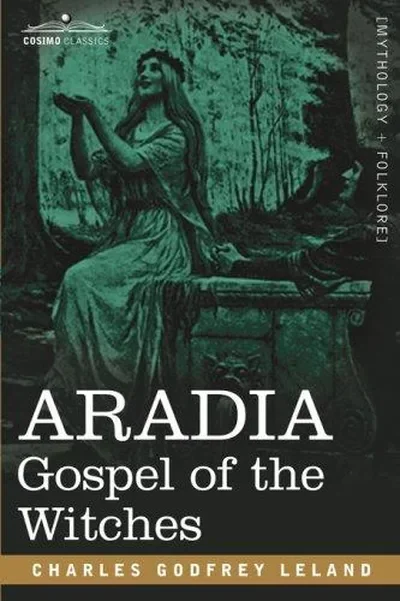
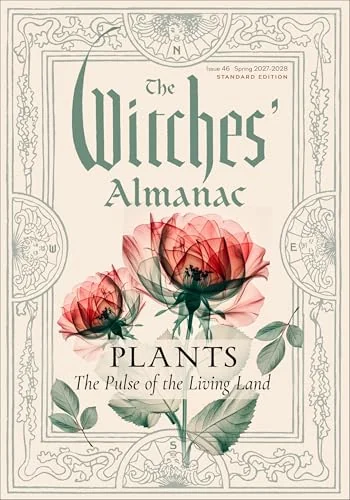
🏛 Books from this publisher Witches Almanac

All books from this publisher →
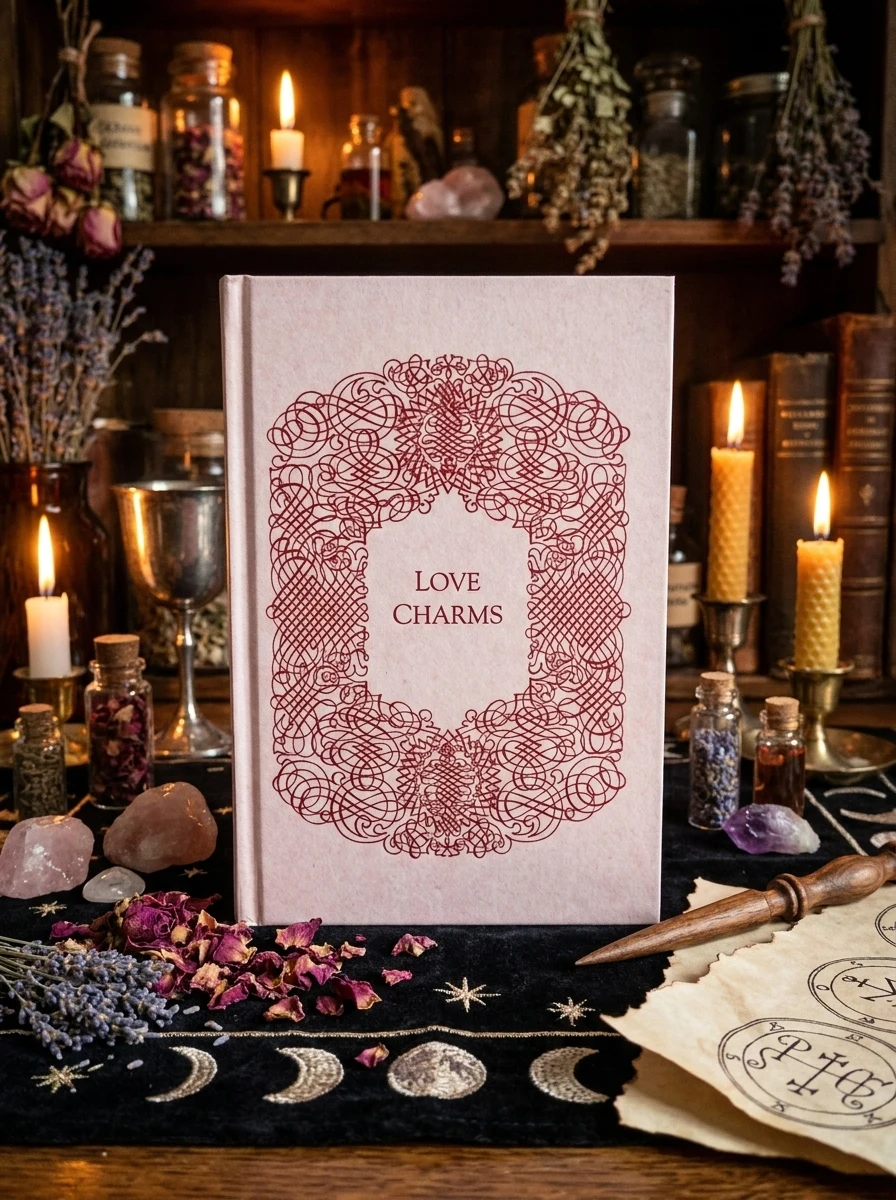
Cover unavailableLove CharmsPepper, Elizabeth Love Charms
🔥 Bestseller
Pepper, Elizabeth
Love Charms
$10.00
89
View book

You might also like

See more →
Cover unavailableLove CharmsPepper, Elizabeth Love Charms
🔥 Bestseller
Pepper, Elizabeth
Love Charms
$10.00
89