US shipping Secure card payment Occult and esoteric books

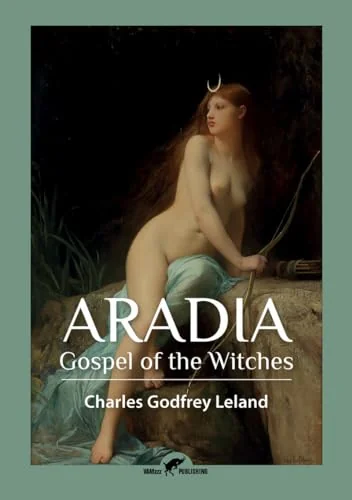
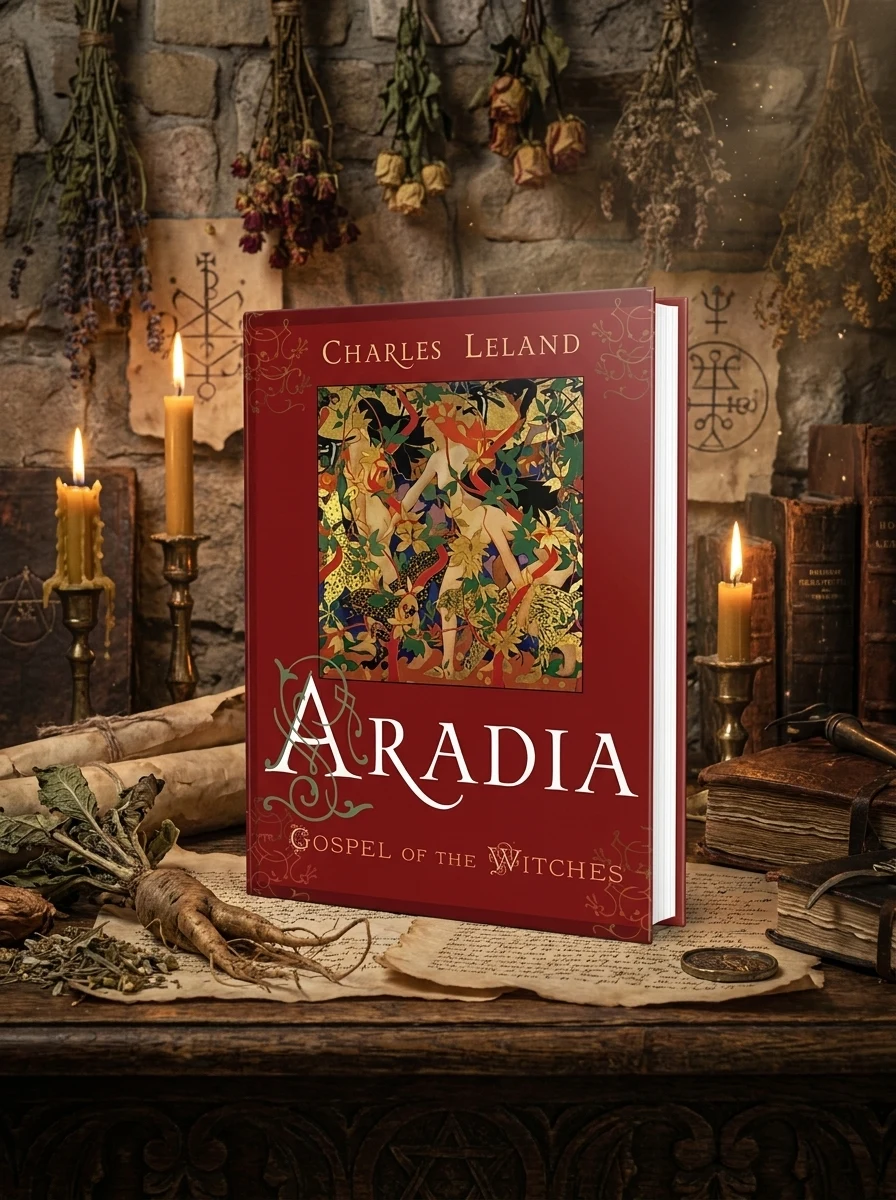
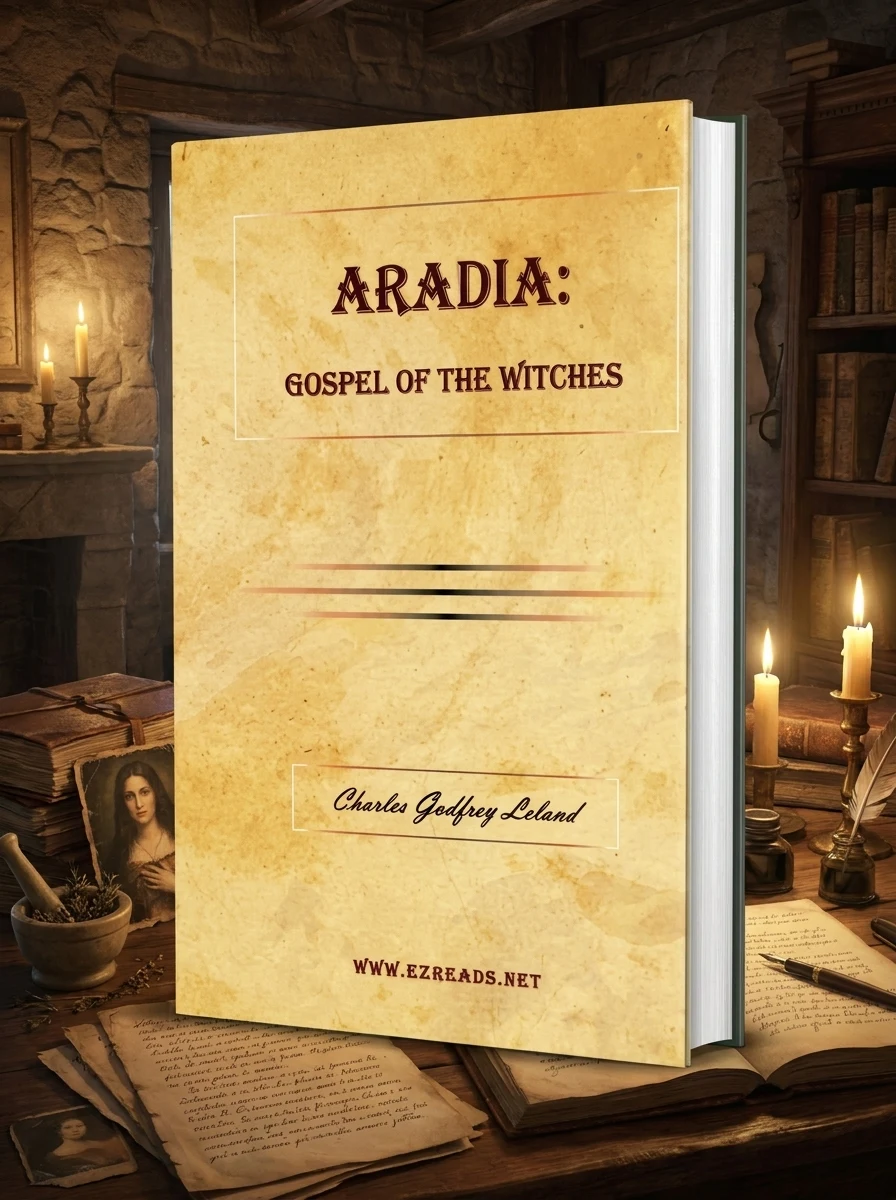
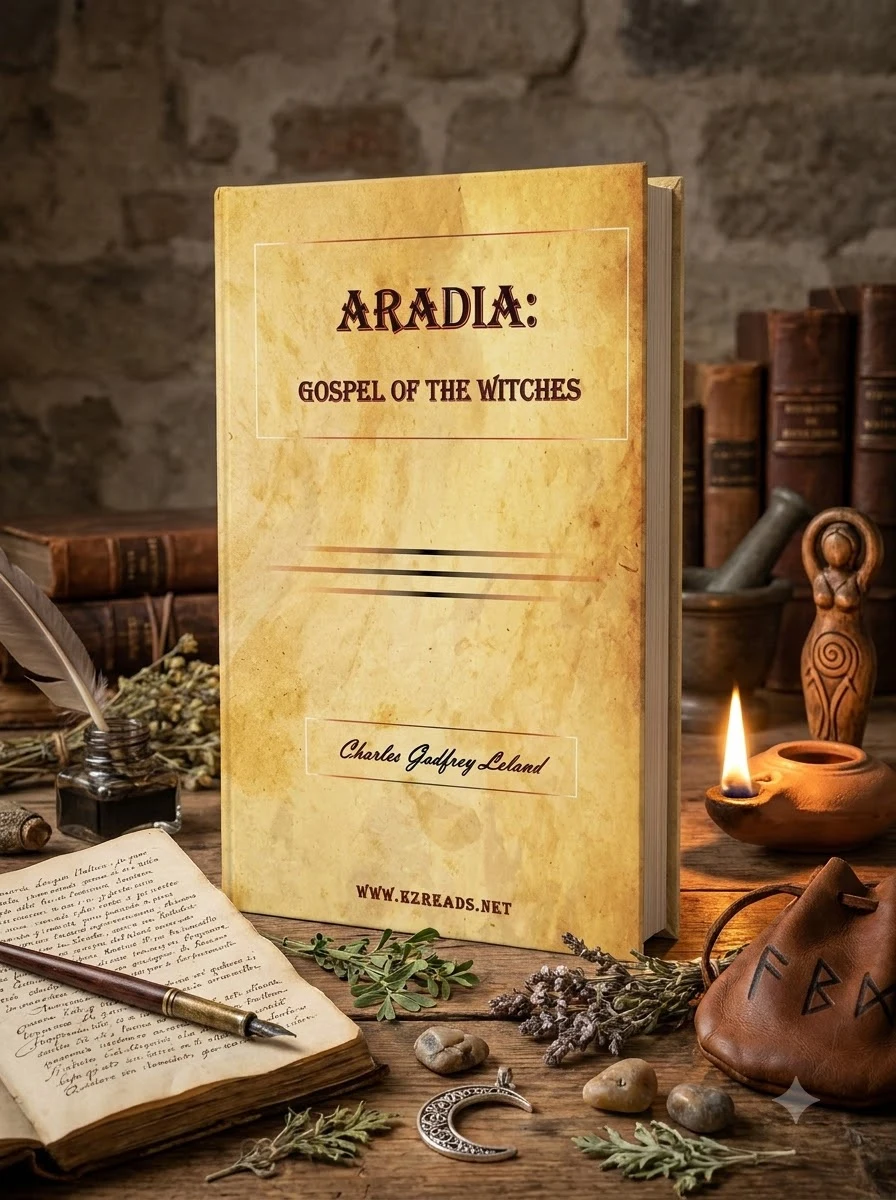
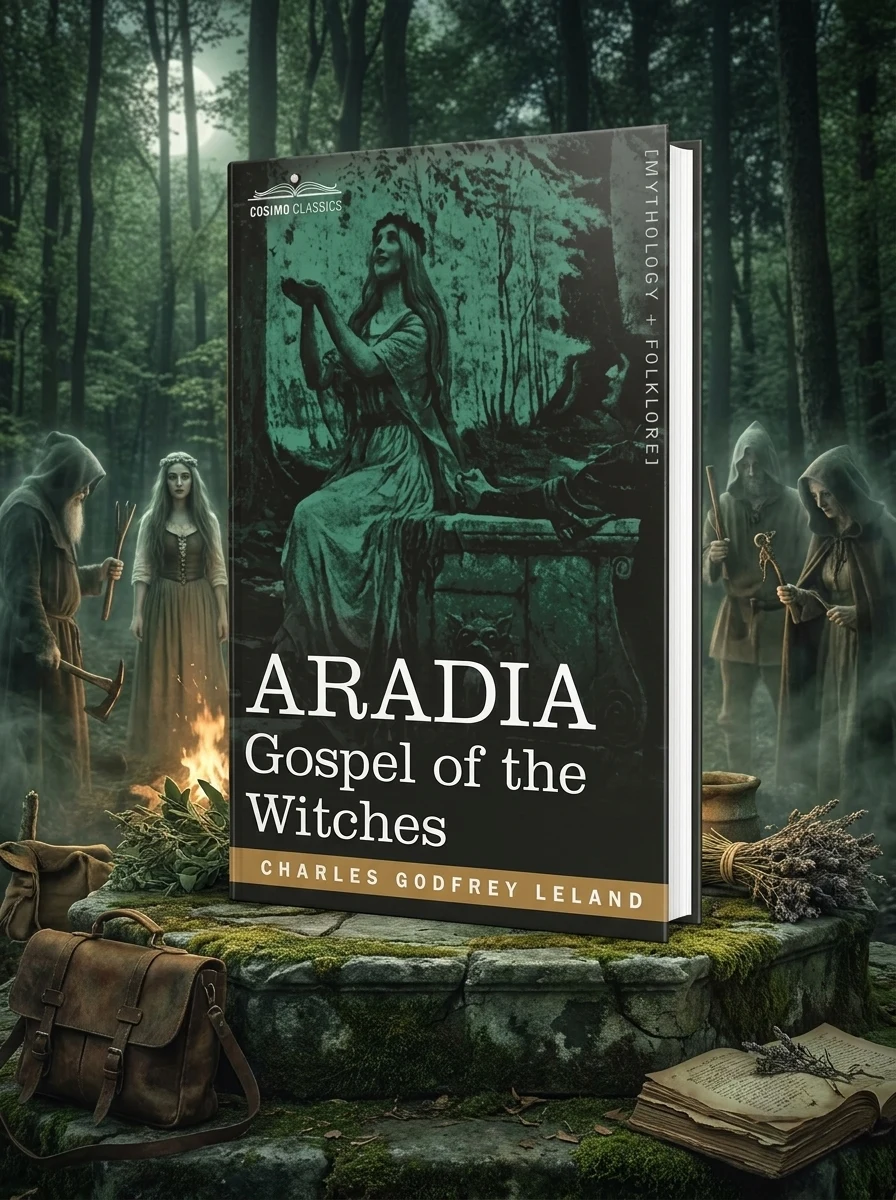
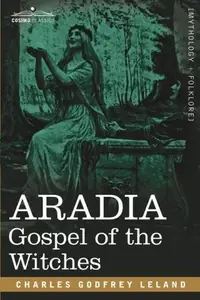
Aradia: Gospel of the Witches

Leland, Charles Godfrey
Reader rating
4.7
(2 reviews) 83 sold
In stock

Stock reported in the catalog; fulfillment is confirmed with your request.

📚 ABOUT THE BOOK

A controversial 1899 folkloric text bridging Italian witchcraft and modern pagan ritual.

Charles Leland presents a provocative collection of chants, spells, and prayers attributed to an Italian fortune-teller named Maddalena. Centered on the goddess Aradia, who aids peasants against feudal and ecclesiastical oppression, the work blends ethnography with esoteric practice. Though scholars debate its authenticity, it remains a cornerstone for understanding 19th-century witch folklore and serves as a primary liturgical source for contemporary Wiccan and neopagan traditions.

Key themes
Italian folk magic Goddess worship Anti-clerical resistance
Historical context

This text serves as a vital bridge between 19th-century ethnographic folklore and modern neopagan ritual, specifically grounding contemporary Wiccan practices in historical Italian witchcraft traditions.


Difficulty
●● Moderate
Fans will love it
Gavin Fox · Raven Grimassi · Doreen Valiente · The Key of Solomon
🌙 Witchcraft & Wicca
🏛 Cosimo Classics 📖 80 pages 📔 Paperback 📐 Paperback ISBN: 9781602063020
Fun fact
This volume excels as a vibrant artifact of folkloric history and a liturgical touchstone for Wiccans. Its poetic intensity and ritual structure are compelling. However, academic readers seeking rigorous ethnographic verification may find it frustratingly opaque or fabricated. It sits uniquely as both a historical curiosity and a living spiritual text, indispensable for those tracing the lineage of modern pagan revival.
📚 This book appears in Esoterica Books

📝 Description: Aradia: Gospel of the Witches

Its accuracy is disputed by some, while others consider it a vital resource for studying and understanding Italian witch folklore of the 19th century. What is certain is that this 1899 classic has become a foundational document of modern Wicca and neopaganism. Leland claimed his "witch informant," a fortune-teller named Maddalena, supplied him with the secret writings that he translated and combined with his research on Italian pagan tradition to create a gospel of pagan belief and practice. Here, in the story of the goddess Aradia, who came to Earth to champion oppressed peasants in their fight against their feudal overlords and the Catholic Church, are the chants, prayers, spells, and rituals that have become the centerpieces of contemporary pagan faiths. American journalist and folklorist CHARLES GODFREY LELAND (1824-1903) was editor of Continental Monthly during the Civil War and coined the term emancipation as an alternative to abolition, but he is best remembered for his books on ethnography, folklore, and language, including The Gypsies (1882), The Hundred Riddles of the Fairy Bellaria (1892), and Unpublished Legends of Virgil (1899).

💎 Expert review

💎
Esoterica Books editorial team
Occult literature desk
This work is a fascinating yet contentious cornerstone for Wiccans and neopagans. However, it does not suit readers seeking strictly verified historical accounts or those who prefer polished literary prose over ethnographic transcription. Scholars looking for objective folklore analysis may find the esoteric framing biased. It is best approached as a liturgical source rather than a definitive history. The text’s value lies in its impact on modern practice, not its factual precision. Readers expecting straightforward narrative will be frustrated by its disjointed structure. It is essential for those studying the origins of contemporary witchcraft but less relevant for general fantasy enthusiasts.
✓ EDITOR'S REVIEW

📖 Why choose it

📖

Why this book is worth reading

Readers seeking the roots of modern pagan liturgy will find this volume indispensable. It offers a unique window into the spiritual resistance of oppressed peasants, framed through the deity Aradia. Those interested in the intersection of folklore and occult practice will appreciate the raw chants and prayers that inform current Wiccan ceremonies. While its authenticity is debated, its influence on neopagan identity is undeniable. It provides essential context for understanding how historical narratives shape contemporary spiritual identities. This book is not merely a collection of spells but a cultural artifact that illuminates the enduring power of folk magic against institutional authority. It appeals to historians, occultists, and anyone curious about the evolution of witchcraft from ancient rites to modern ritual.

⭐ Reader reviews

The starting rating comes from the team Esoterica Books —
⭐ Esoterica editorial review Editorial rating 4.7/5
★★★★
If you seek the roots of modern witchcraft or study how folklore shapes spiritual identity, this volume offers essential historical context and ritual structure.

Reader rating

4.7
Based on 2 reviews
5
1
4
1
3
0
2
0
1
0
V
Vera F. ✓ Verified purchase
April 7, 2025
A serious text

Grabbed this during a weekend order. Some sections stopped me cold in the best way. Already eyeing my next order.

E
Esoterica Books editorial team

This work is a fascinating yet contentious cornerstone for Wiccans and neopagans. However, it does not suit readers seeking strictly verified historical accounts or those who prefer polished literary prose over ethnographic transcription. Scholars looking for objective folklore analysis may find the esoteric framing biased. It is best approached as a liturgical source rather than a definitive history. The text’s value lies in its impact on modern practice, not its factual precision. Readers expecting straightforward narrative will be frustrated by its disjointed structure. It is essential for those studying the origins of contemporary witchcraft but less relevant for general fantasy enthusiasts.

❓ Frequently asked questions

Scholars debate whether Leland fabricated the text or faithfully recorded Maddalena's traditions. Regardless of authenticity, it reflects genuine 19th-century Italian folk beliefs.
It offers accessible rituals but requires context. New readers should pair it with scholarly critiques to understand its complex legacy.

📖 Who should read this

If you seek the roots of modern witchcraft or study how folklore shapes spiritual identity, this volume offers essential historical context and ritual structure.

🎯 Key themes and symbolism

Italian folk magic

Goddess worship

Anti-clerical resistance

💬 Quotes from the book

“And so the witches kept their Sabbath, and their rites were kept secret from the priests.”

“Aradia, the Holy Mother, has come to earth to teach you the art of the witches.”

📜 Historical context

Published in 1899, the book emerged during a period of intense folkloric collection in Italy. Leland claimed to translate secret texts from a witch informant, blending genuine regional superstitions with his own romanticized interpretations. Despite academic skepticism regarding its origins, it influenced Gerald Gardner and other early 20th-century occultists, becoming a foundational text for the revival of witchcraft as a religious practice.

📚 Glossary

Aradia
Maddalena
La stregoneria

📔 Questions to reflect on

  1. How does the figure of Aradia challenge traditional narratives of religious authority?
  2. What parallels do you see between the peasant rebellion in the text and modern social justice movements?
  3. How might the ambiguity of the source material influence your interpretation of the rituals?

✍️ More books by this author Leland, Charles Godfrey

All books by this author →
You might also like

See more →