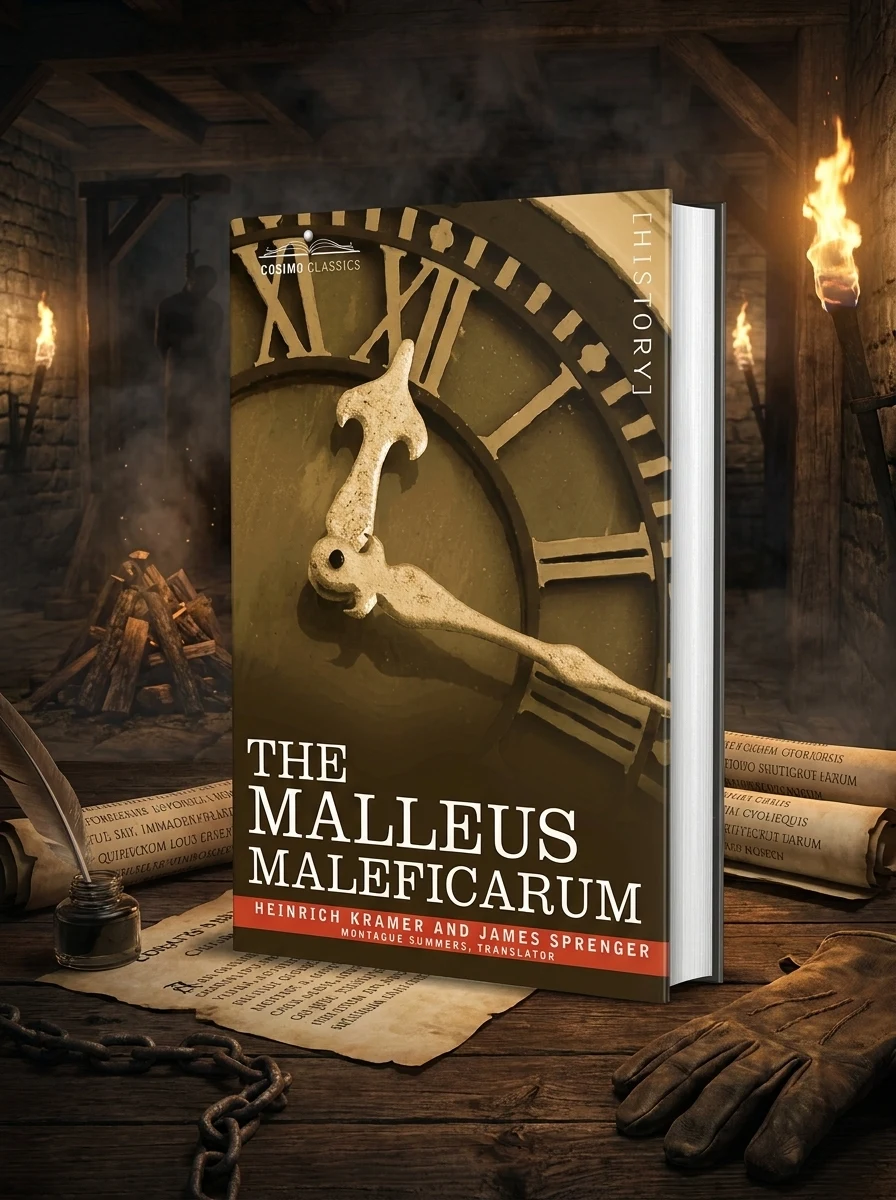

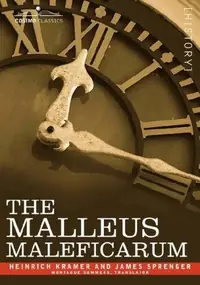
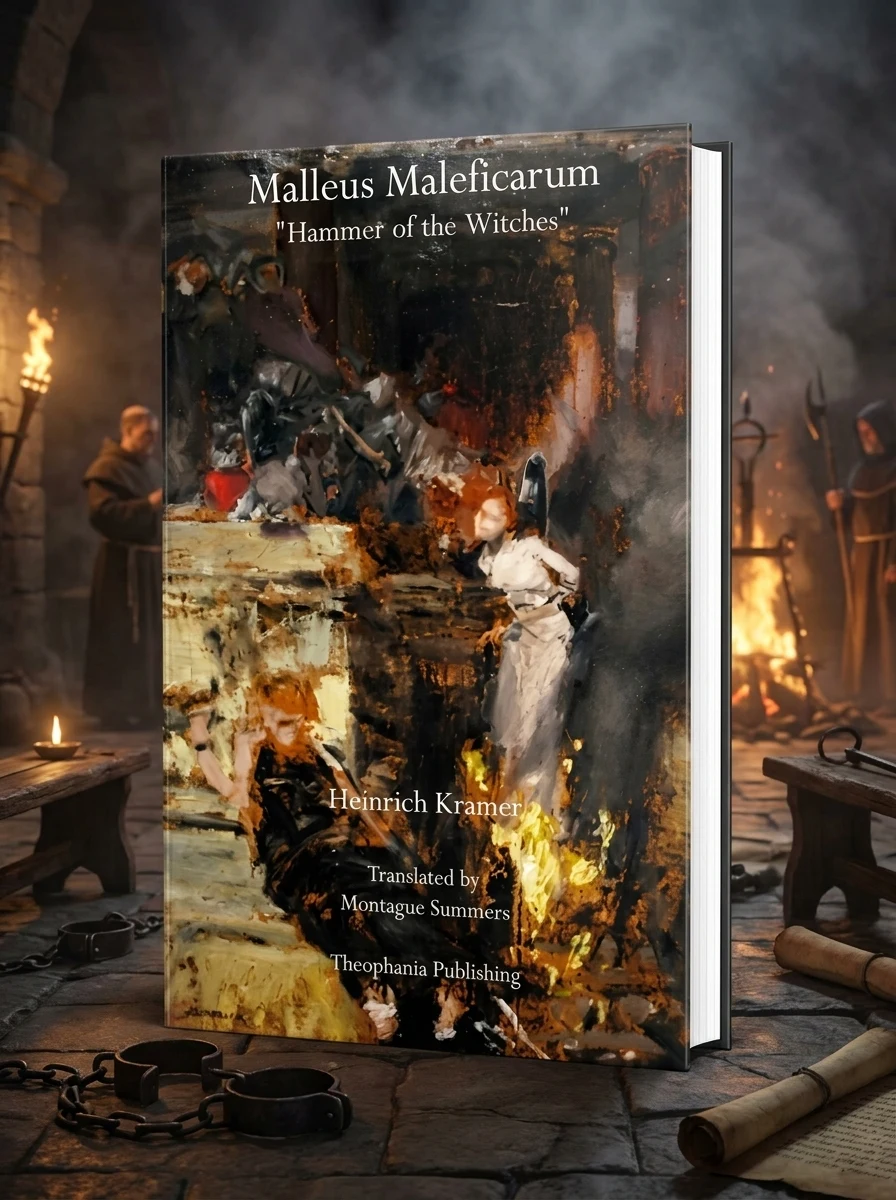
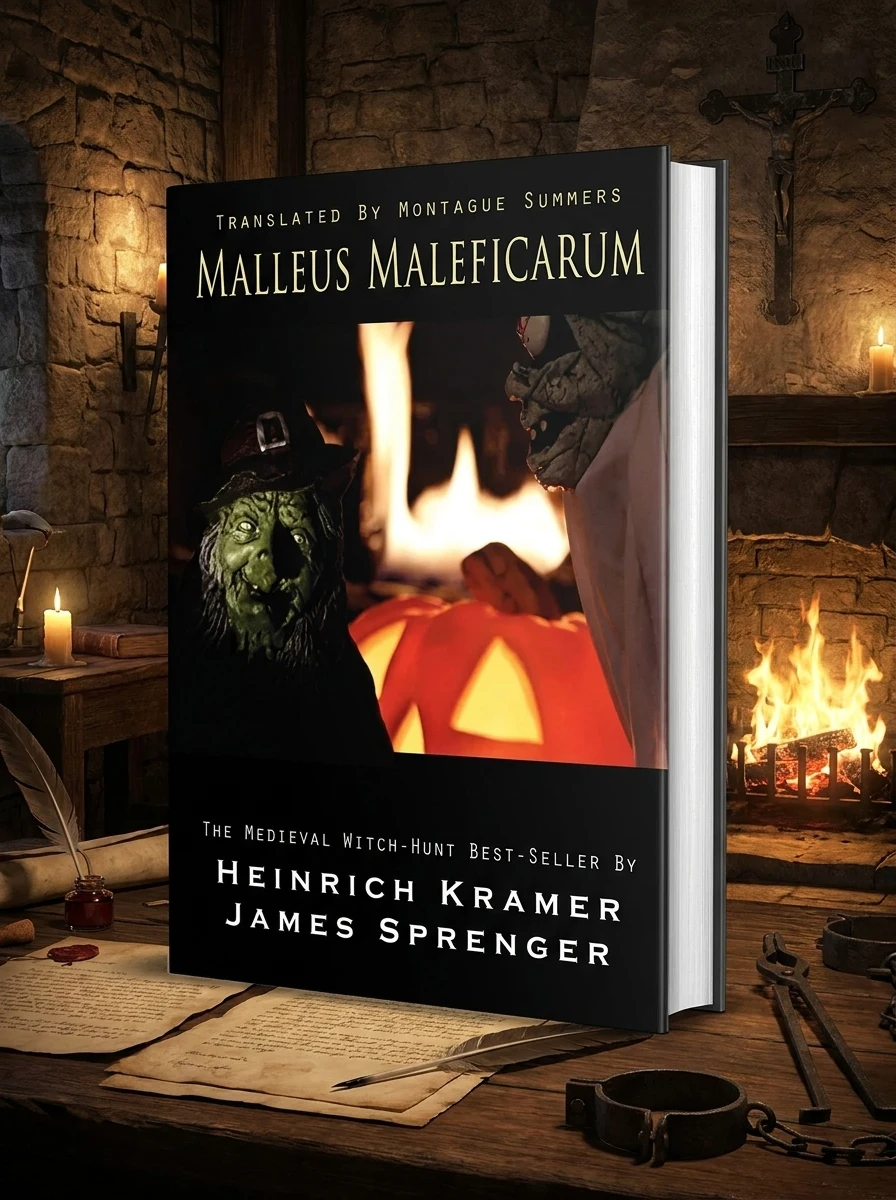
The Malleus Maleficarum
Kramer, HeinrichStock reported in the catalog; fulfillment is confirmed with your request.
A terrifying 15th-century manual that weaponized faith to justify the systematic slaughter of the accused.
This 1928 translation by Montague Summers brings Heinrich Kramer and James Sprenger’s infamous 1486 treatise into English, offering a chilling glimpse into the mechanics of the early modern witch hunts. More than a mere historical artifact, the text functions as a procedural guide for inquisitors, detailing the theological and legal frameworks used to identify, interrogate, and execute those suspected of sorcery. Summers’ version preserves the brutal logic of the original, presenting a worldview where the mundane and the demonic were inextricably linked. It stands as a stark reminder of how institutional power can be mobilized through fear and superstition to enforce social conformity.
This text serves as a foundational and terrifying artifact of the early modern period, illustrating how institutional power was mobilized through fear to enforce social conformity. It stands as a stark example of the systematic slaughter justified by weaponized faith during the height of the witch hunts.


📝 Description: The Malleus Maleficarum
💎 Expert review
📖 Why choose it
Why this book is worth reading
Scholars of history, theology, and gender studies will find immense value in this text as a primary source for understanding the mechanics of persecution. Readers interested in the sociology of fear and the manipulation of legal frameworks to target marginalized groups will gain critical insight into how mundane suspicions were escalated into demonic accusations. This translation preserves the brutal logic of the original treatise, offering a chilling glimpse into the procedural guide used by inquisitors. It is essential for those seeking to comprehend the intersection of religious doctrine and state-sanctioned violence, providing a sobering reminder of the consequences when superstition dictates policy.
⭐ Reader reviews
Reader rating
Perfect companion for my morning study sessions. It's become a regular reference in my practice. The ideas are old but land with surprising force today. I'd have loved an index, but that's on the original text. Happy enough with the purchase.
This edition finally does the material justice. The material is presented clearly and the structure makes it easy to revisit key passages. Recommended if you're ready to do the work.
Took a chance on this and glad I did. It connects ideas I'd only seen treated separately elsewhere. Some chapters demand a slow, careful read, and that's exactly the point. Will be gifting a copy to a friend.
As someone who reads a lot in this field, I can be picky. The symbolism is layered and generous to patient readers. Five stars from me.
This translation offers a raw, unvarnished look at the 1486 treatise, preserving its chilling procedural nature without softening its harsh edges. While historically significant, it is not for readers seeking comfort or modern ethical perspectives on justice. The text’s brutal logic and worldview, where the mundane and demonic are inextricably linked, may prove deeply disturbing to sensitive audiences. It is best suited for academic study or those with a strong stomach for historical horror. Casual readers expecting narrative flair will likely find it dry and oppressive. Use caution: this book documents systematic slaughter, not fantasy.
❓ Frequently asked questions
📖 Who should read this
Readers fascinated by the intersection of theology and legal history, those studying the sociology of mass hysteria, and scholars examining the cultural roots of Western demonology.
🎯 Key themes and symbolism
Inquisitorial procedure
Gender and heresy
Demonic pact theology
💬 Quotes from the book
“All witchcraft comes from carnal lust which is in women inordinately mad.”
“It is better that the death of many should be hastened than that the sweetness of our Lord should be tarnished.”
📜 Historical context
📚 Glossary
- Inquisition
- Demonology
- Malleus
📔 Questions to reflect on
- How does the language of this text dehumanize its subjects, and what modern parallels might you observe?
- In what ways does institutional authority amplify individual fear into collective action?
- How might the historical context of the 15th century have made these arguments plausible to contemporary readers?
✍️ More books by this author Kramer, Heinrich
All books by this author →

🏛 Books from this publisher Cosimo Classics
All books from this publisher →
 90
90



 87
87
 90
90
 89
89
You might also like
See more →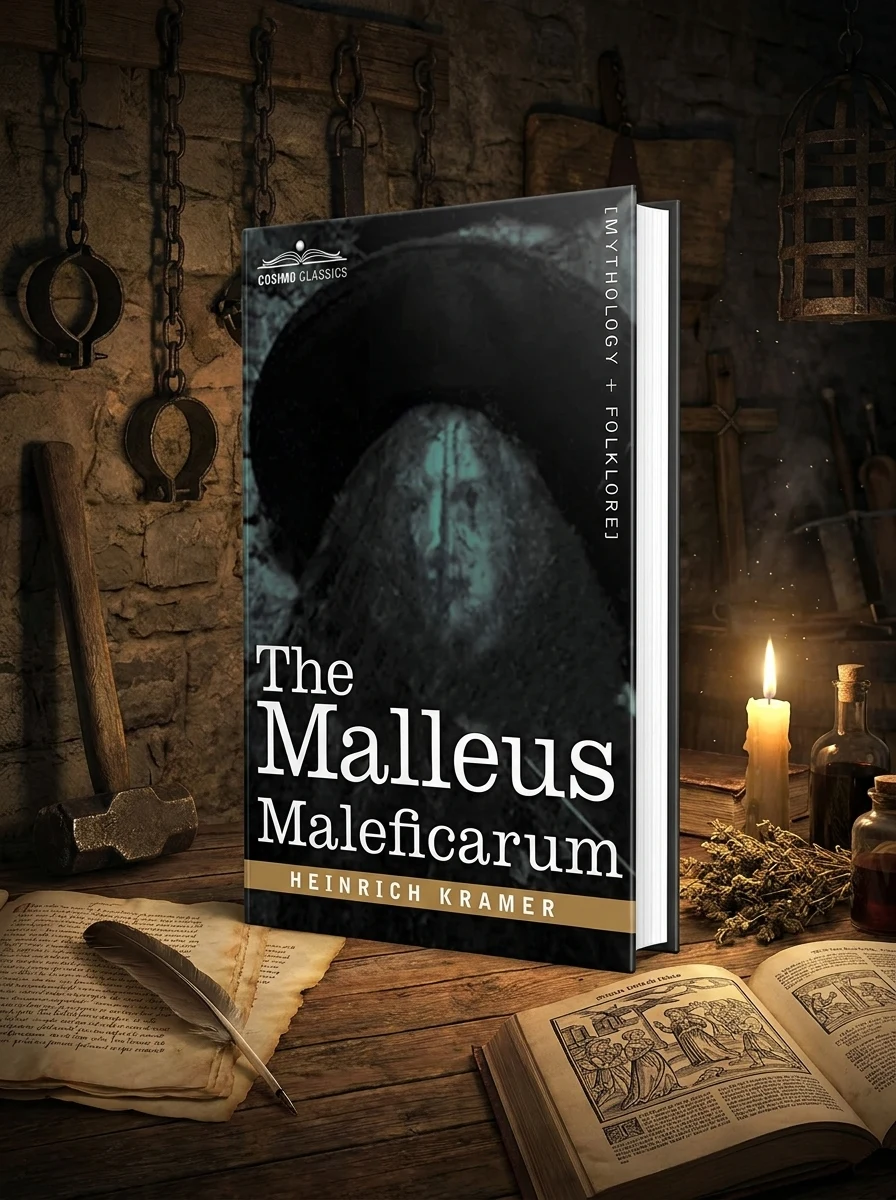
 89
89