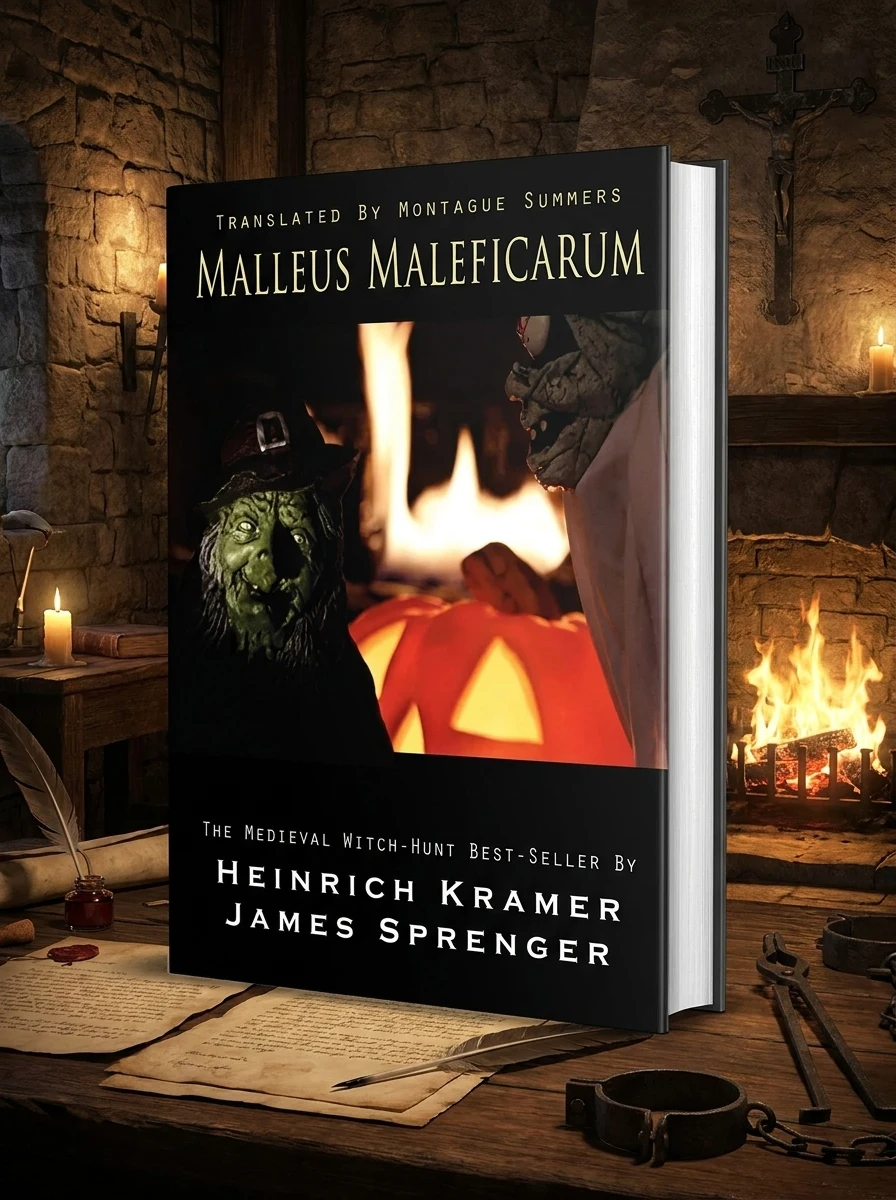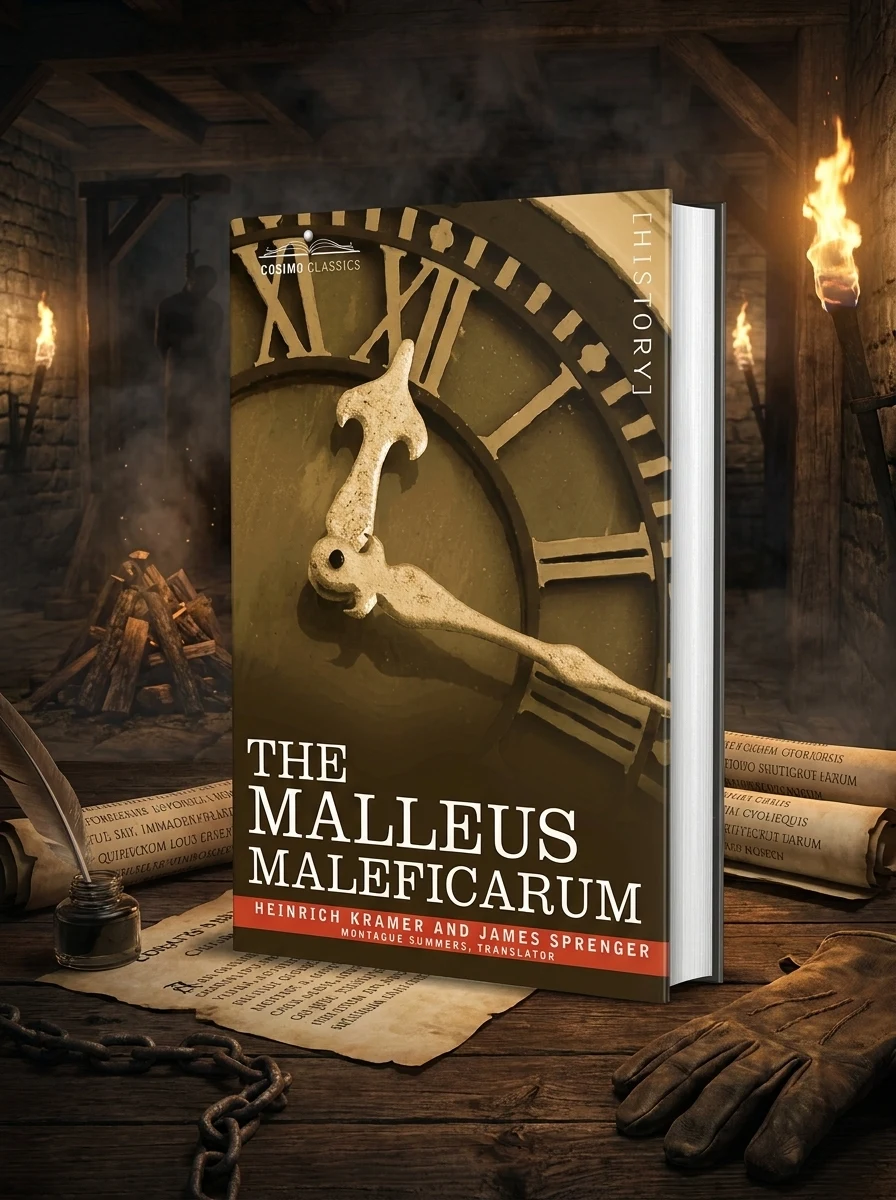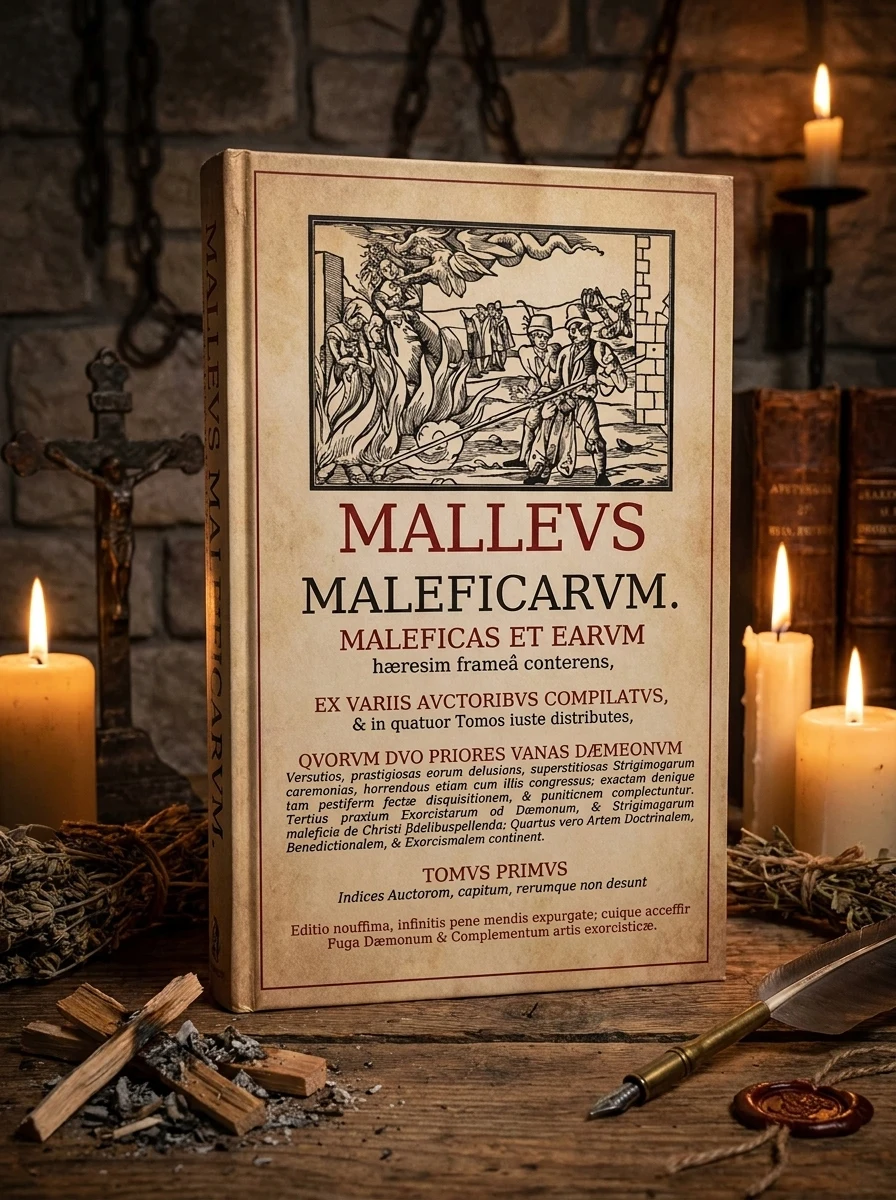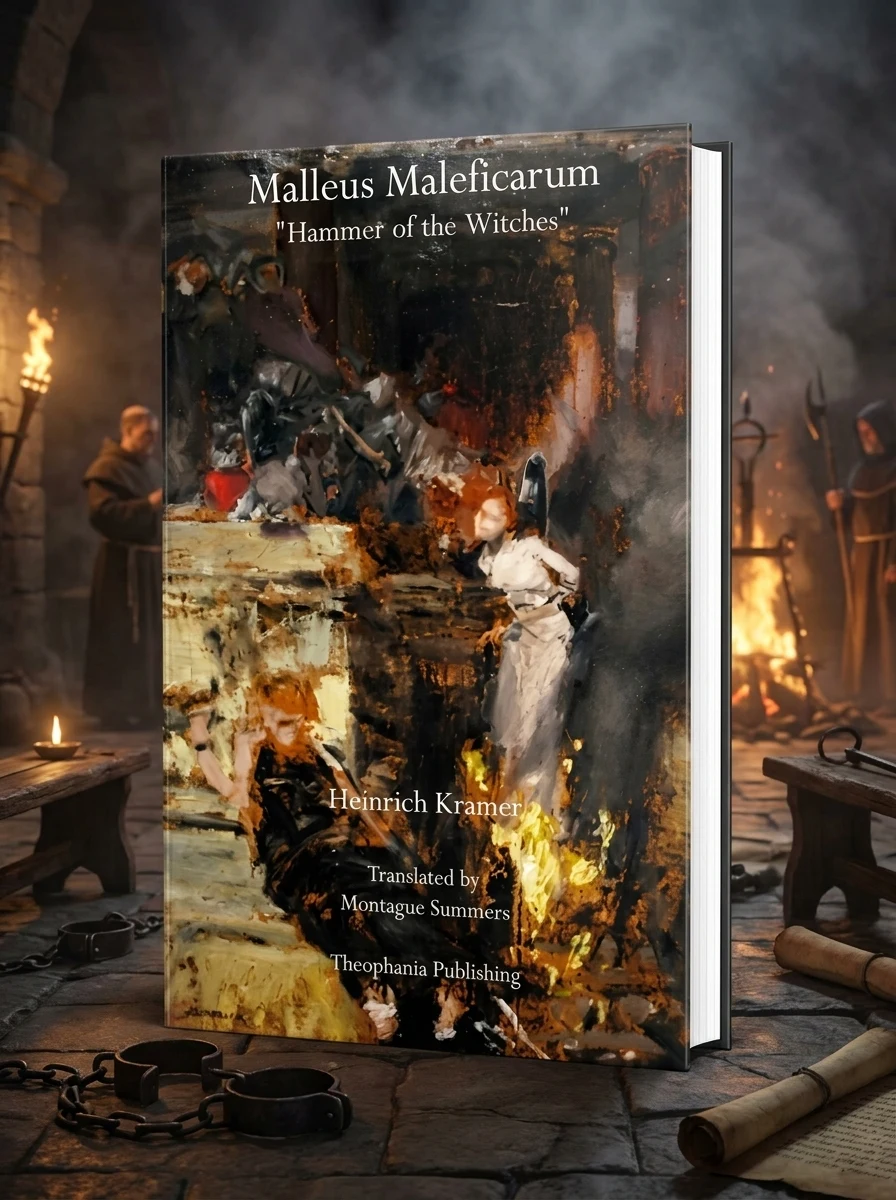
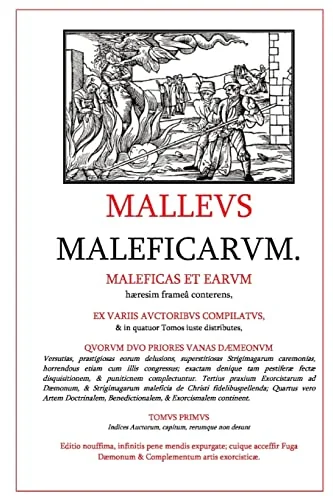
Malleus Maleficarum
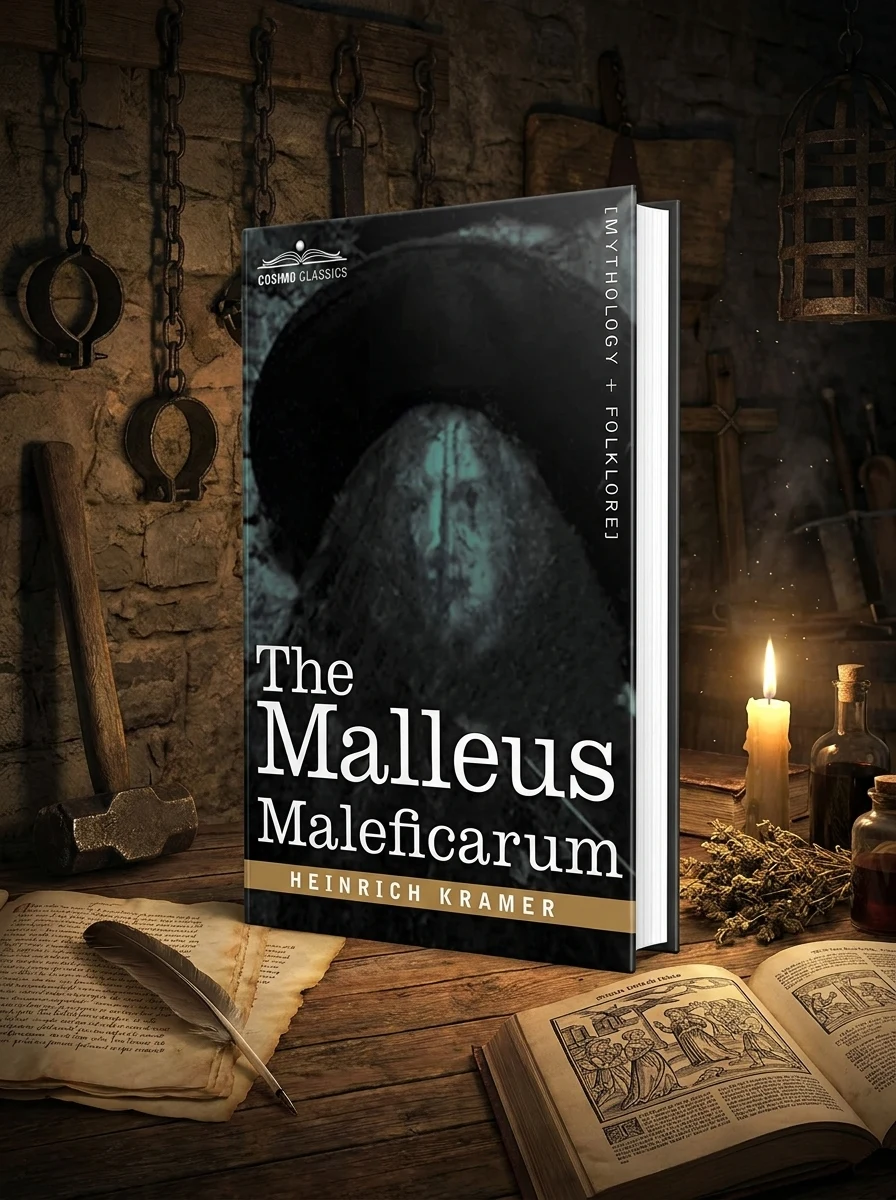
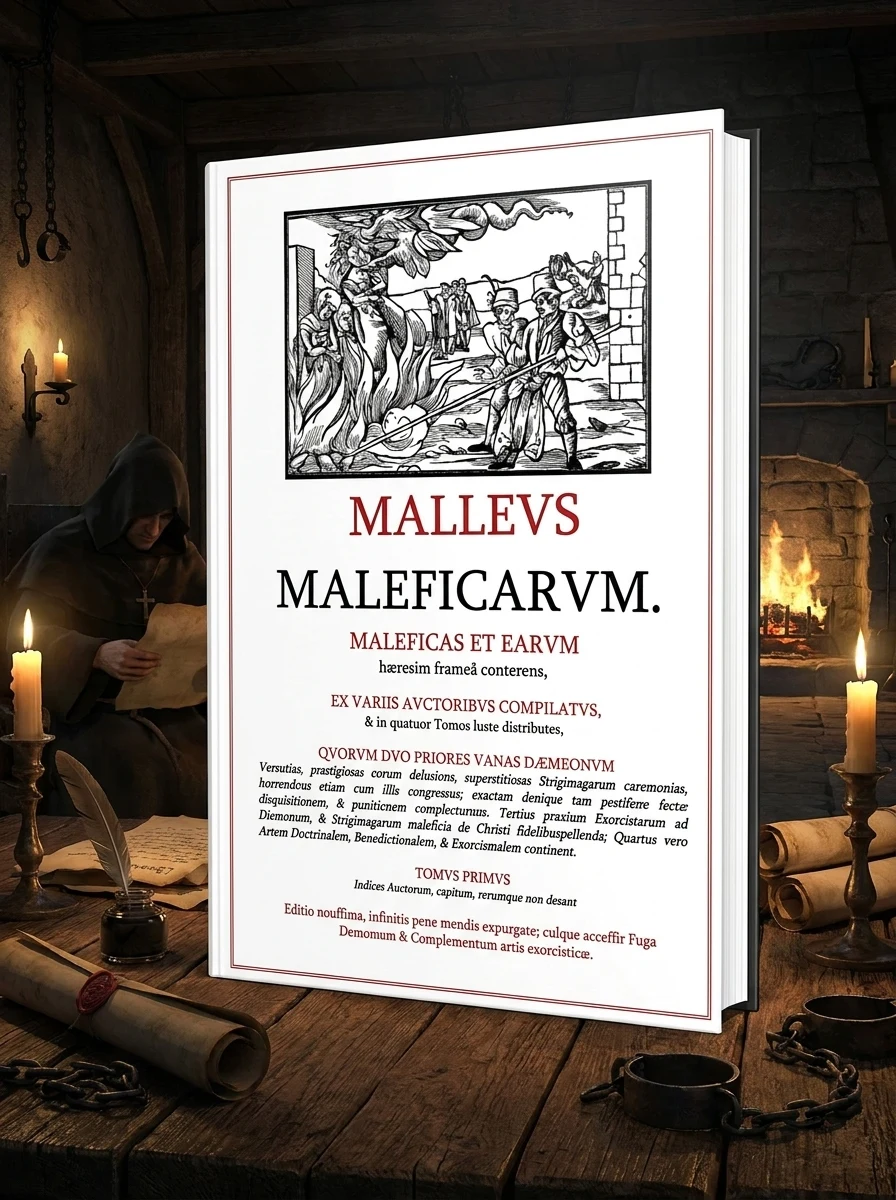
✍️ Kramer, HeinrichThis notorious text, known as "The Hammer of Witches," stands as the quintessential—and most terrifying—treatise on the supposed evils of witchcraft. Authored by the zealous German Catholic cleric Heinrich Kramer, its initial publication in Speyer in 1486 marked the beginning of a dark chapter in European history. This volume meticulously details methods for identifying, prosecuting, and eradicating those accused of sorcery, becoming a foundational document for the brutal witch trials that swept across the continent. It's a stark reminder of humanity's capacity for fear and persecution.


📝 Description: Malleus Maleficarum
💎 Expert review
📖 Why choose it
Why this book is worth reading
This volume serves as an essential, albeit harrowing, resource for those interested in the historical roots of Western esotericism and the mechanics of persecution. Readers who wish to understand the ideological framework that fueled centuries of terror will find this text indispensable. It offers a direct window into the mindset of the era, revealing how fear was weaponized through legalistic prose. While not recommended for casual reading, it provides critical context for understanding the evolution of witchcraft accusations and the societal structures that enabled them, making it vital for serious scholars of occult history.
⭐ Reader reviews
Reader rating
While historically significant, this book is a grim read best approached with caution. It is NOT suited for those seeking practical Wiccan guidance or comfort; its content is designed for prosecution, not practice. Modern readers may find the logic deeply disturbing and the tone relentlessly zealous. It lacks the nuance of contemporary occult studies, offering instead a rigid, fear-based perspective. Only engage if you are prepared to confront the brutal realities of historical witch-hunting without romanticizing the subject matter or expecting any positive spiritual value within its pages.
❓ Frequently asked questions
📖 Who should read this
If you seek to comprehend the historical roots of persecution, the chilling interplay of faith and fear, or the origins of modern occult lore, this foundational text is essential. It offers an unvarnished look into the darkest corners of human history and belief.
🎯 Key themes and symbolism
Demonic Pact & Witchcraft
This work obsessively details the alleged pacts between individuals and malevolent spirits, outlining a rigid framework for understanding demonic influence. It systematically categorizes various forms of sorcery and the supposed powers granted to those who consort with the infernal, providing a chilling blueprint for identifying the 'enemy.'
Religious Dogma & Persecution
Kramer’s text exemplifies the extreme consequences of religious fundamentalism, interpreting scripture and doctrine to justify widespread persecution. It presents a rigid, unforgiving worldview where deviation from established faith is equated with heresy and satanic conspiracy, demanding swift and brutal suppression.
Inquisitorial Justice Methods
Far from a mere theological treatise, the book functions as a grim legal manual, offering detailed instructions for the interrogation, torture, and conviction of accused witches. It codified procedures for the Inquisitorial courts, effectively legitimizing the use of extreme duress to extract confessions and ensure convictions, leaving an indelible stain on legal history.
📜 Historical context
📚 Glossary
- Malleus Maleficarum
- Inquisitor
- Daemonology
📔 Questions to reflect on
- What can the historical context of the Malleus Maleficarum teach us about the dangers of unchecked power and religious zealotry in any era?
- How do societal fears and prejudices, similar to those exploited by Kramer, manifest in contemporary forms of scapegoating or persecution?
- Reflect on the role of 'expert' opinion, as represented by Kramer, in shaping public perception and justifying atrocities throughout history.