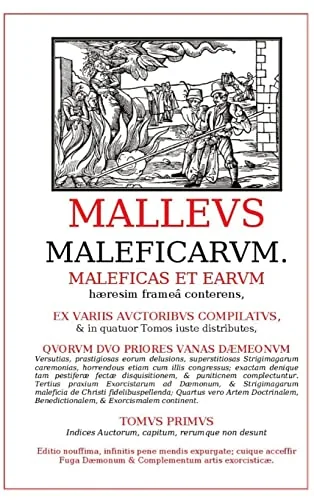
Malleus Maleficarum
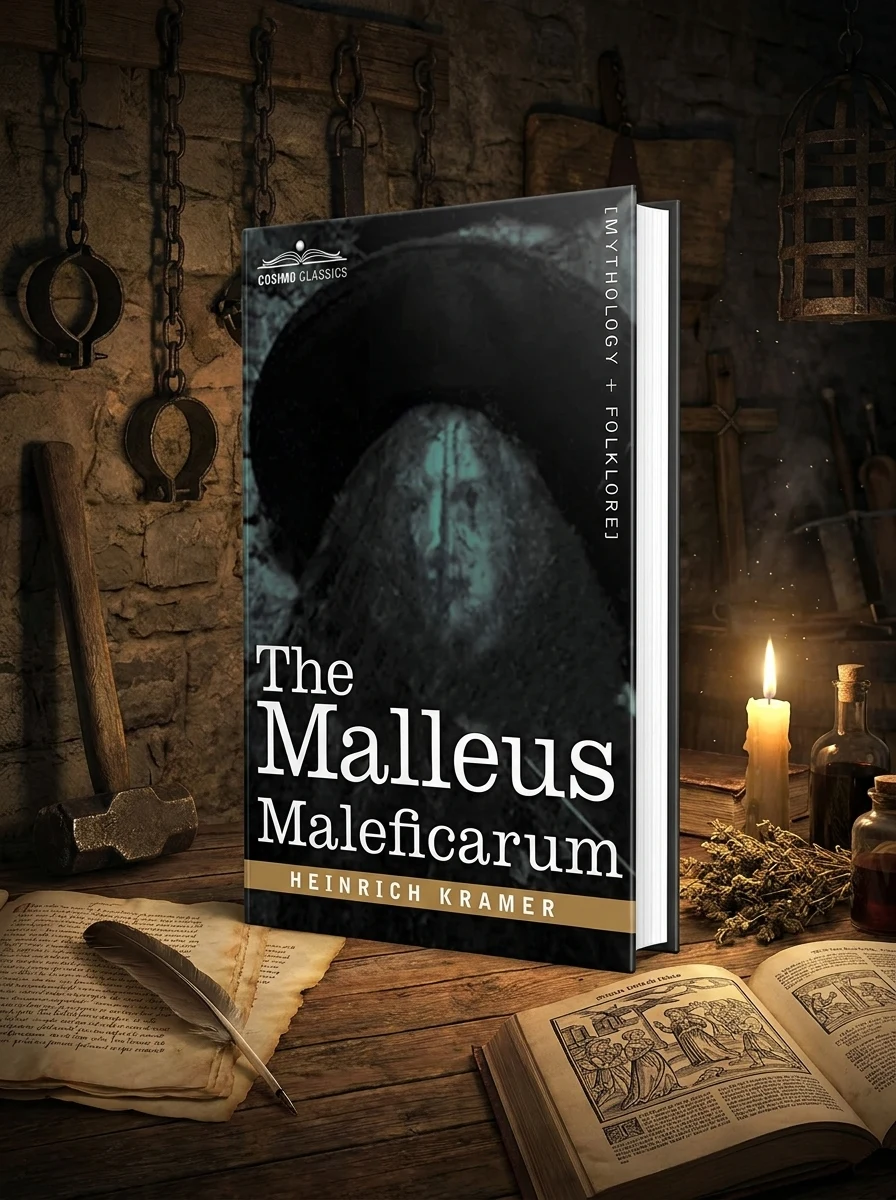
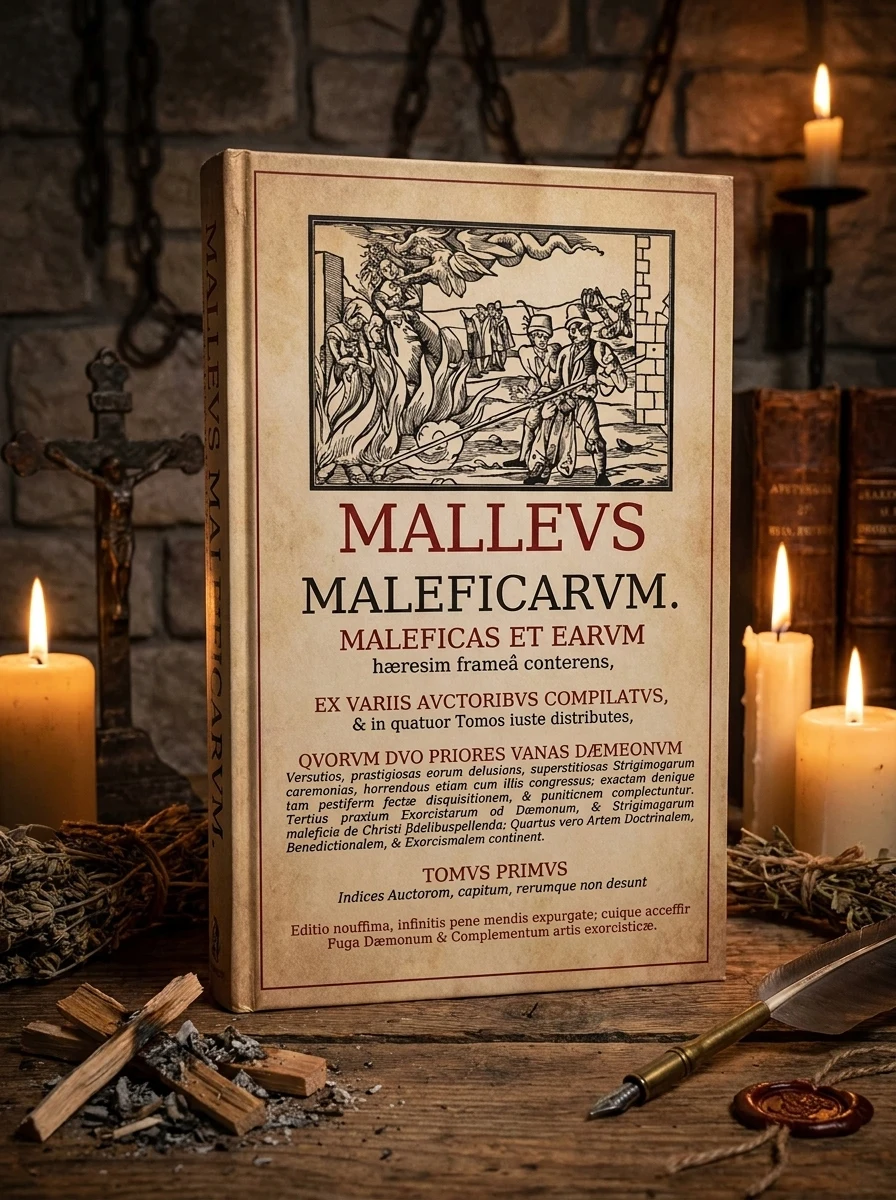
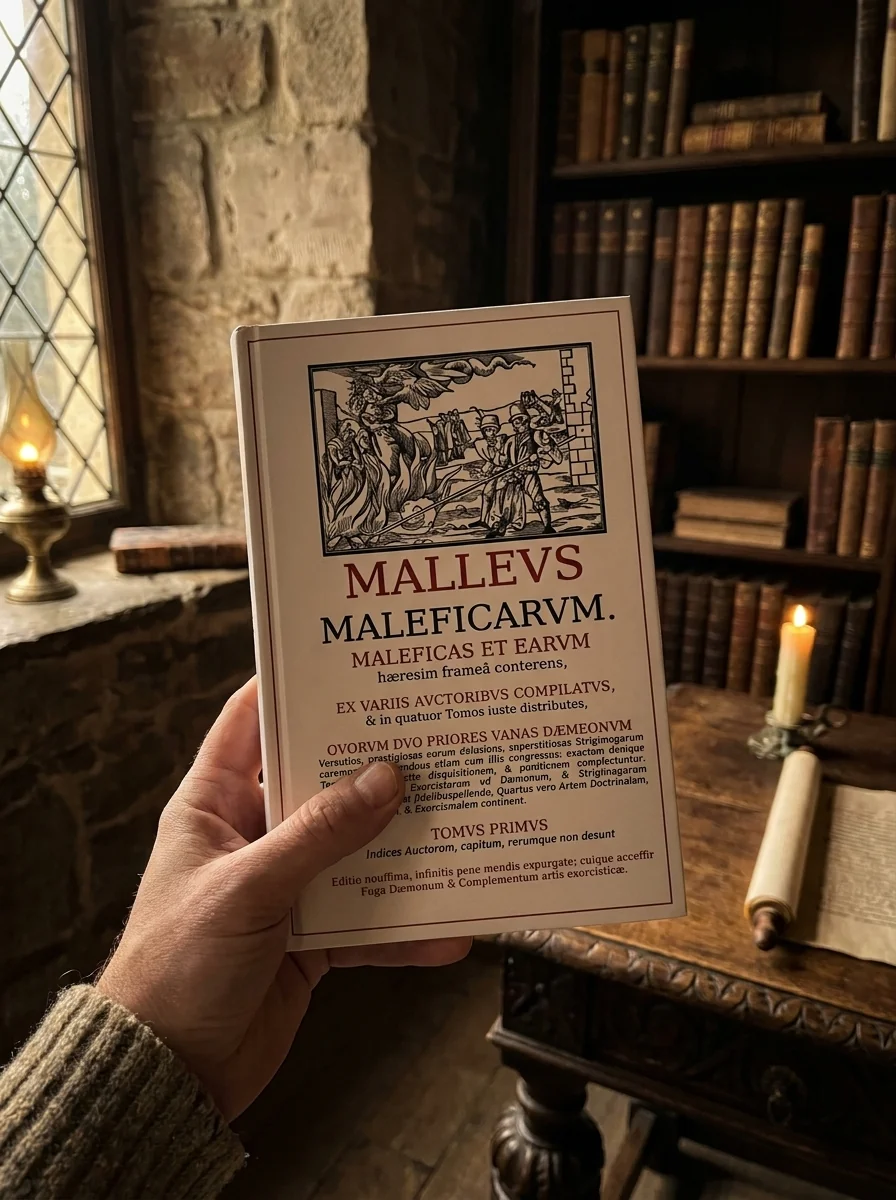
✍️ Kramer, HeinrichA 1486 German Catholic treatise on demonology and witchcraft written by clergyman Heinrich Kramer.
First published in Speyer in 1486 by German Catholic clergyman Heinrich Kramer, this work is commonly translated as the Hammer of Witches and stands as the best known treatise on witchcraft. Its historical scope focuses on European medieval history, fundamentalism, Satanism, demonology, and occultism. While highly suitable for readers interested in medieval religion and early demonological studies, it is not suitable for modern practitioners seeking practical guidebooks on Wicca or contemporary spiritual traditions.
Created by German Catholic clergyman Heinrich Kramer, this work was first published in Speyer, Germany, in 1486. It reflects medieval European religious views on demonology and occultism.


📝 Description: Malleus Maleficarum
💎 Expert review
📖 Why choose it
Why this book is worth reading
Readers seeking to understand the roots of historical injustice will find this book invaluable. It offers a crucial, albeit disturbing, window into medieval legal and theological thought, revealing how doctrine fueled centuries of witch hunts. By exposing the chilling doctrine behind these persecutions, it serves as a powerful warning against the abuse of power. Those interested in the intersection of religion, law, and social control will gain deep insight into how fear was institutionalized. It is essential for anyone wishing to comprehend the mechanisms of historical oppression and the tragic outcomes of unchecked religious zeal.
⭐ Reader reviews
Reader rating
This treatise is a dense, heavy document not suitable for casual readers seeking entertainment or modern witchcraft practices. It is strictly for those prepared to engage with grim, systematic justifications for brutality. The text is academically rigorous but emotionally taxing, lacking narrative comfort. It does not suit readers looking for empowering Wiccan traditions or light historical fiction. Instead, it serves as a stark reminder of history’s darkest chapters. Readers should approach it with caution and critical distance, recognizing its role in legitimizing violence rather than offering spiritual guidance. It is a necessary but difficult read for serious scholars.
❓ Frequently asked questions
📖 Who should read this
If you are drawn to the darker corners of history, the evolution of religious fundamentalism, or the origins of societal paranoia, this book is essential. It's not for the faint of heart, but for those seeking to understand the devastating power of belief.
🎯 Key themes and symbolism
Persecution of Heresy
This text provides an unparalleled window into the medieval mindset that conflated perceived dissent with demonic pacts. It outlines the theological and legal arguments used to justify the violent suppression of those accused of witchcraft, effectively codifying a system of state-sanctioned terror against individuals deemed heretical or dangerous to the established order.
Theological Justification for Evil
Kramer’s work is a chilling example of how religious doctrine can be twisted to rationalize extreme cruelty. It constructs an elaborate theological framework, drawing on scripture and established Church teachings, to 'prove' the reality of witchcraft and the necessity of its eradication, thereby legitimizing the most horrific acts of torture and execution.
Demonology and Witchcraft
The book meticulously categorizes various forms of alleged demonic activity and the supposed pacts made by witches. It delves into the perceived powers of sorcerers, methods of malevolent magic, and the specific ways they were believed to inflict harm, establishing a comprehensive, albeit terrifying, taxonomy of supernatural evil.
📜 Historical context
📚 Glossary
- Malleus Maleficarum
- Demonology
- Inquisition
📔 Questions to reflect on
- Reflect on how fear and superstition can be weaponized by authority. What modern parallels, if any, can you draw?
- Consider the power of a written text to shape public opinion and legal practice over centuries. How does the Malleus Maleficarum illustrate this?
- Explore the concept of 'othering' as presented in this text. How does it dehumanize and justify violence against a targeted group?