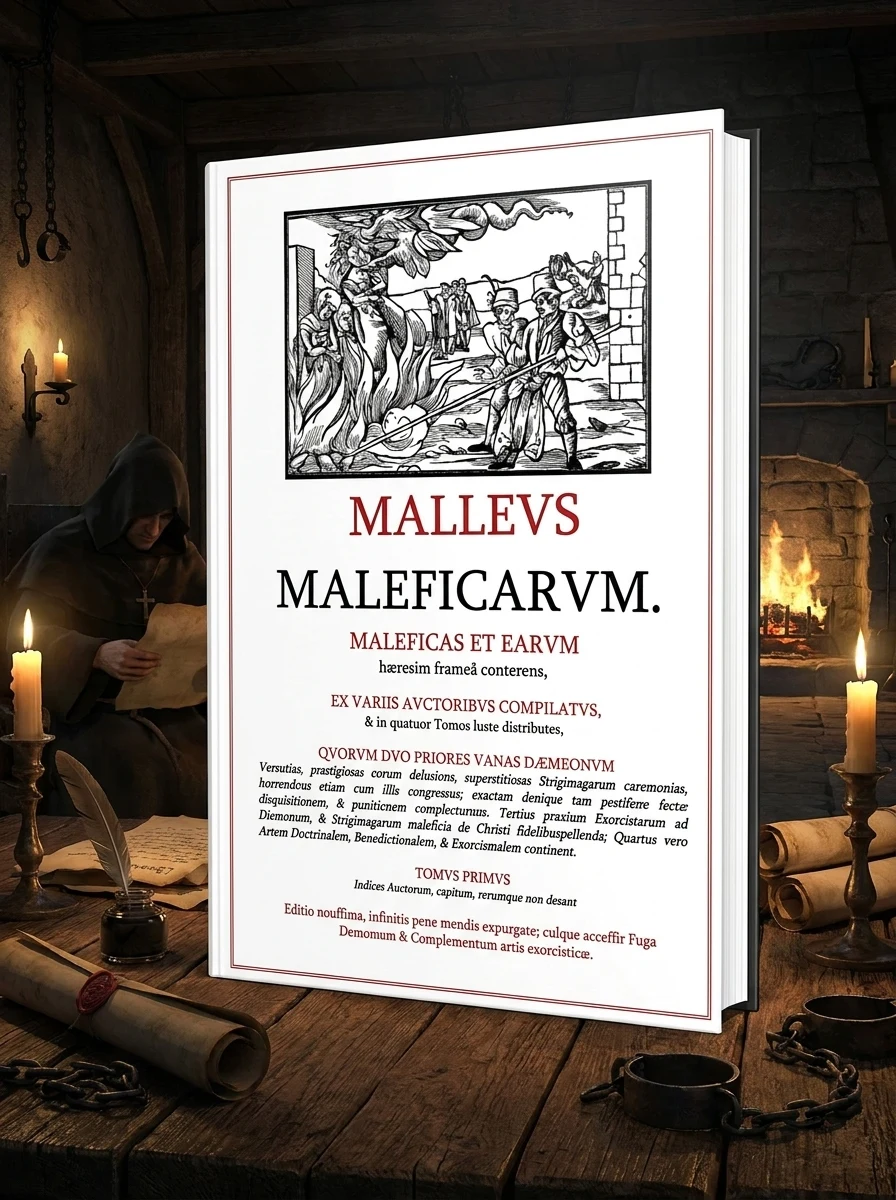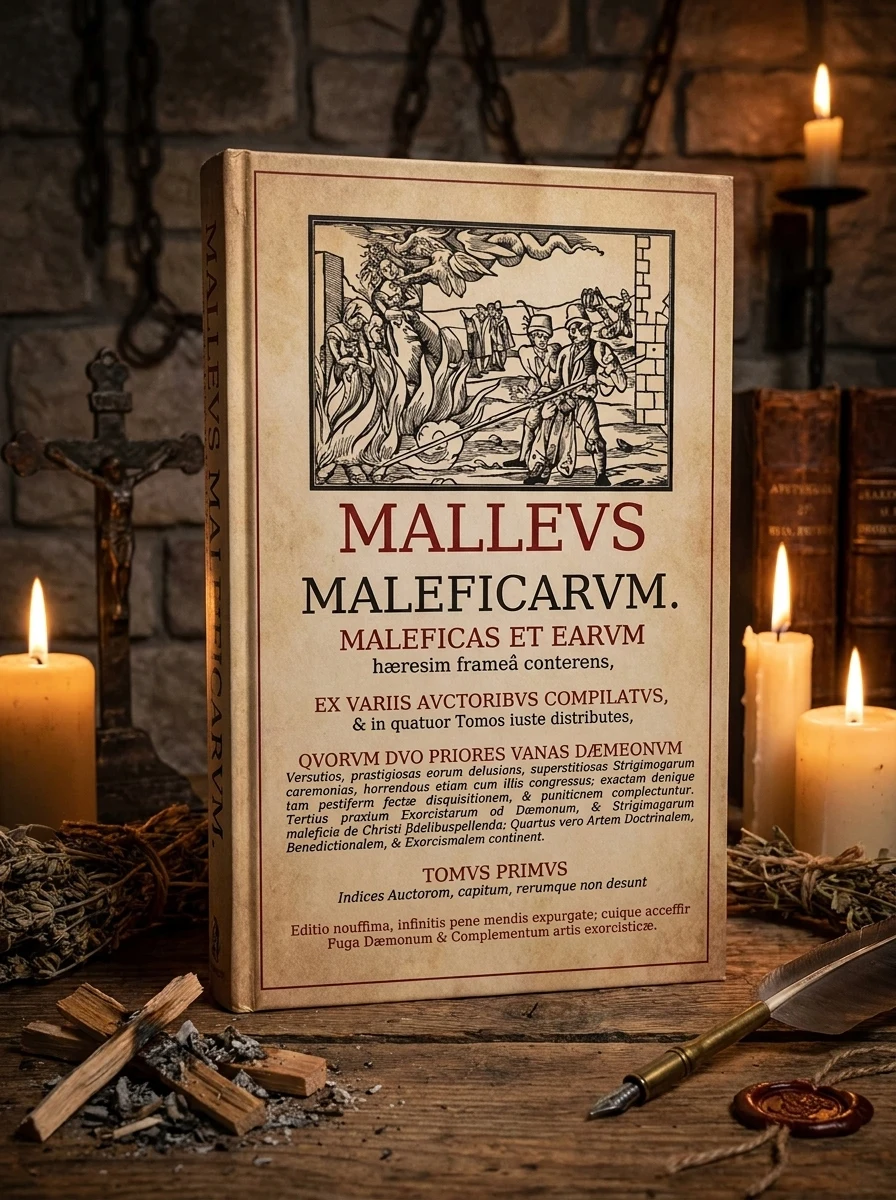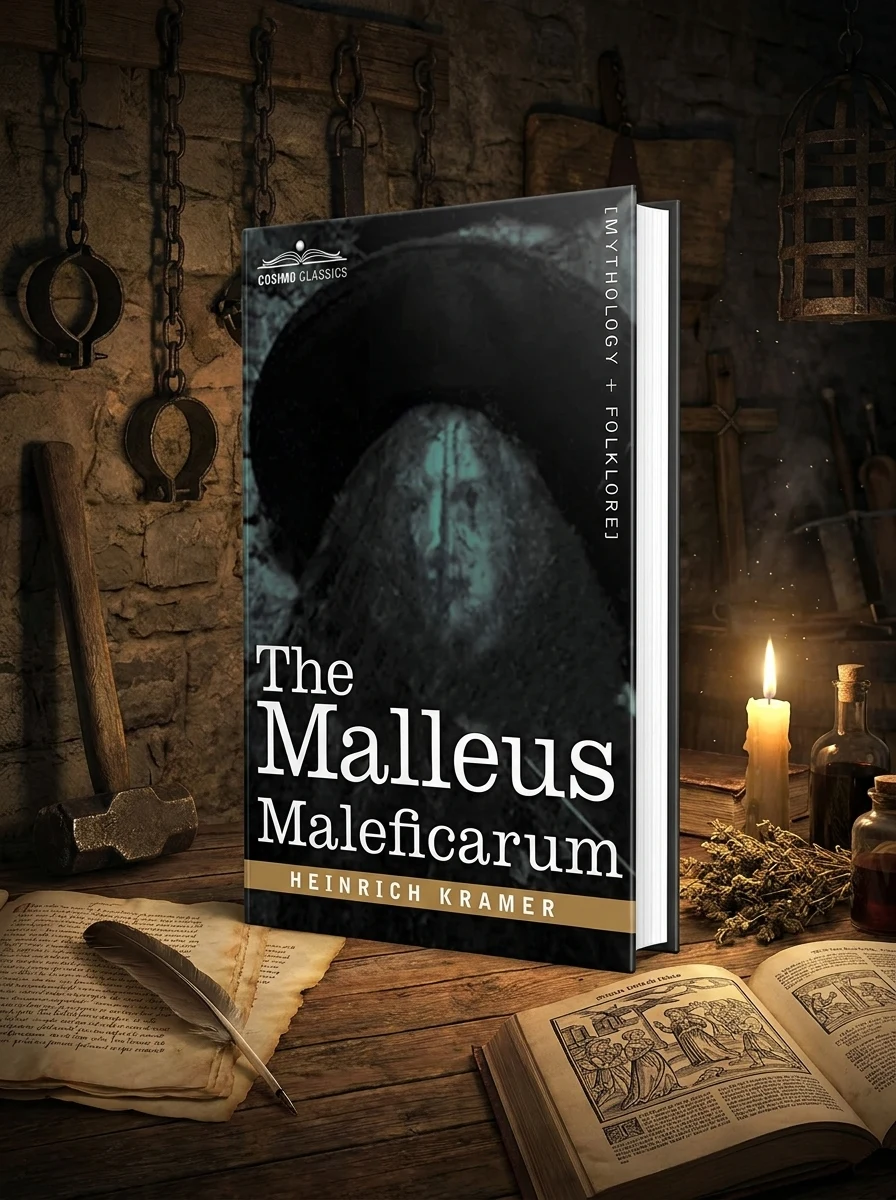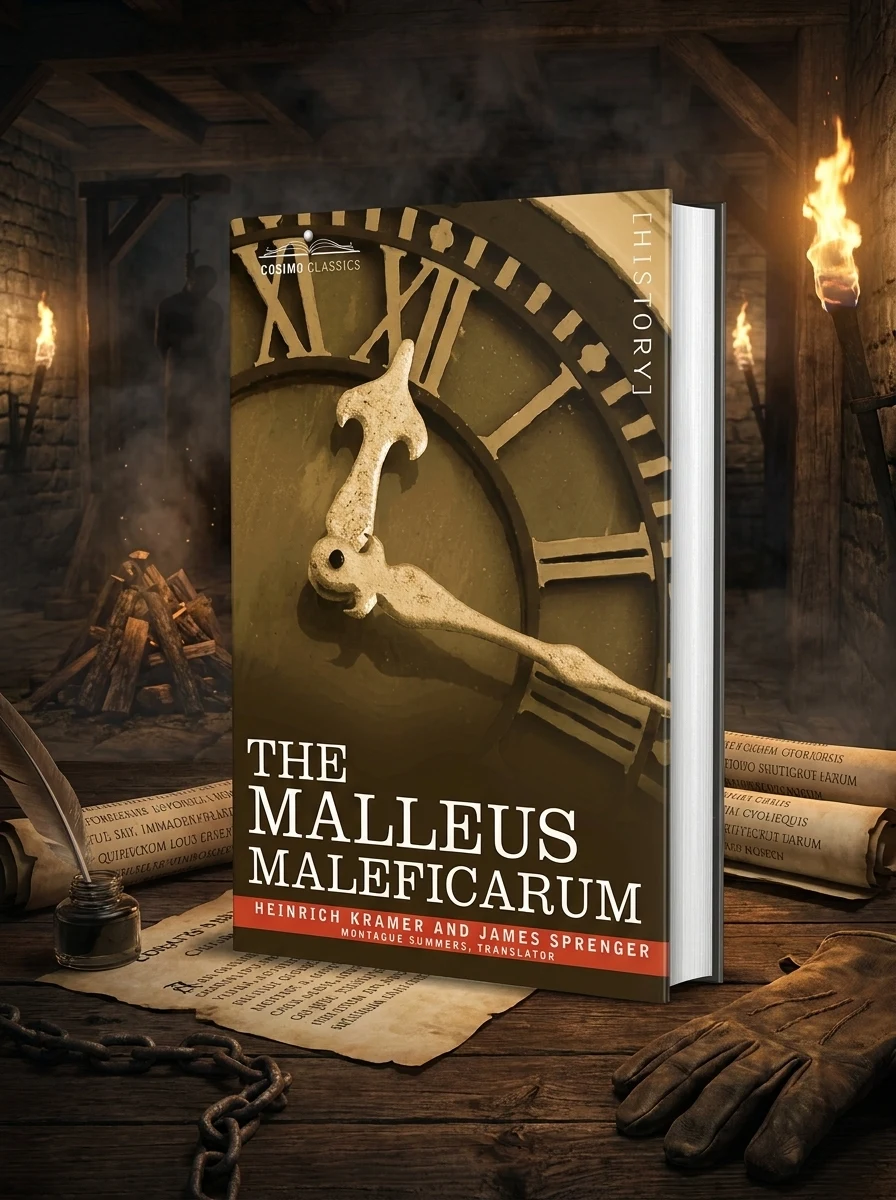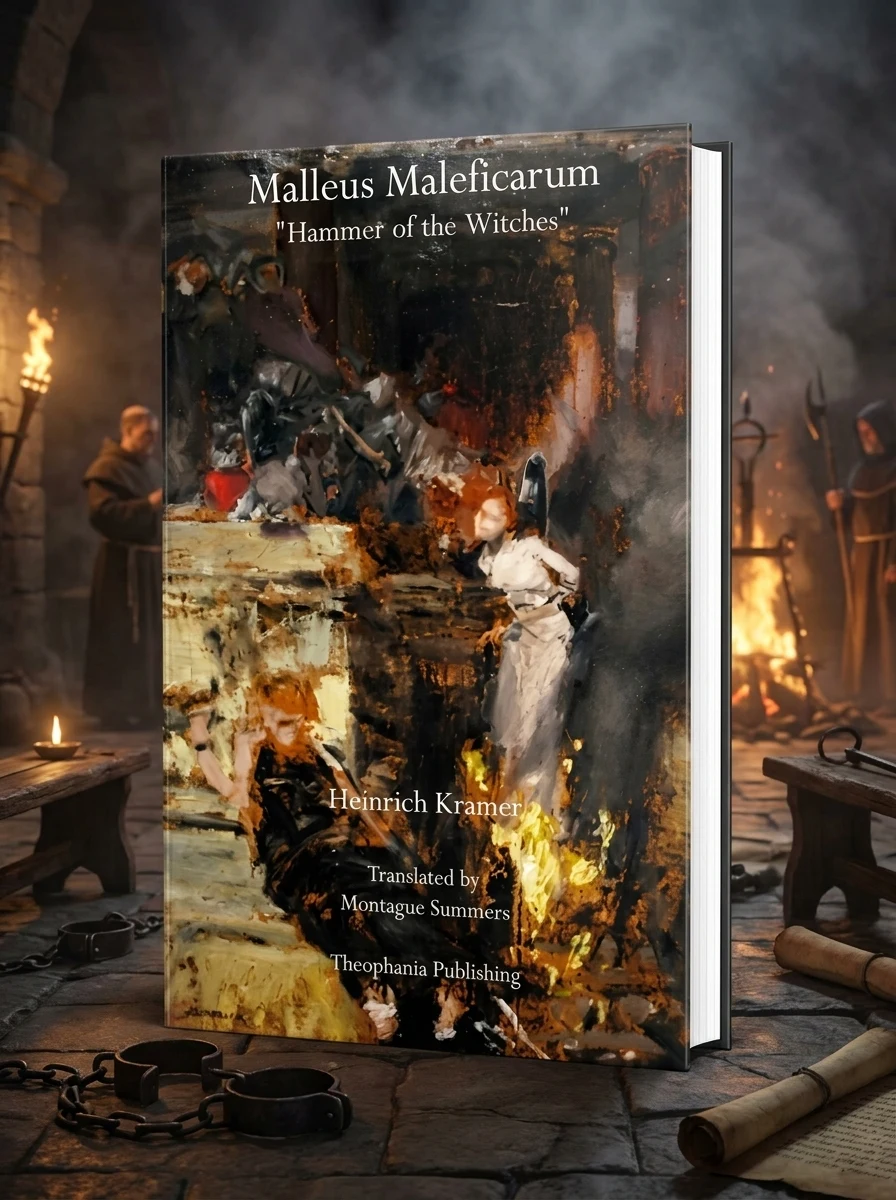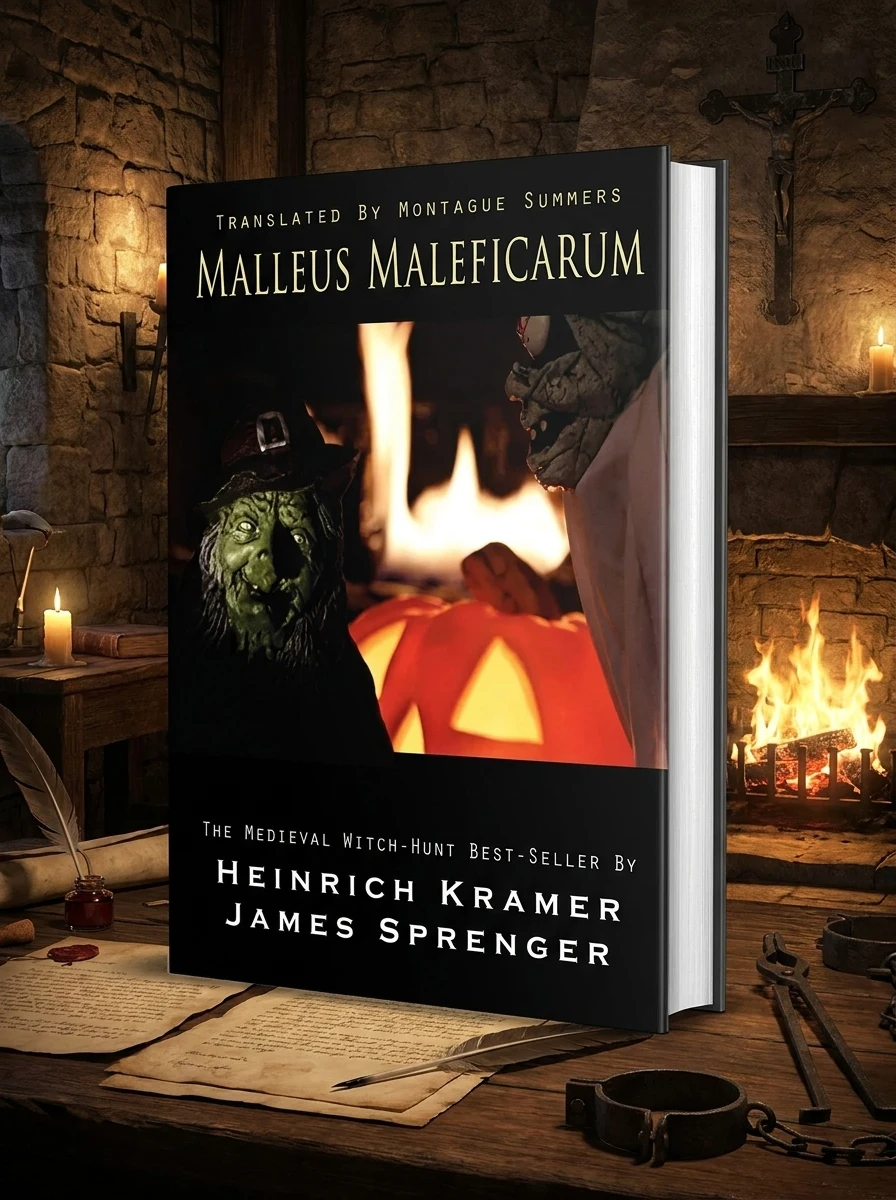
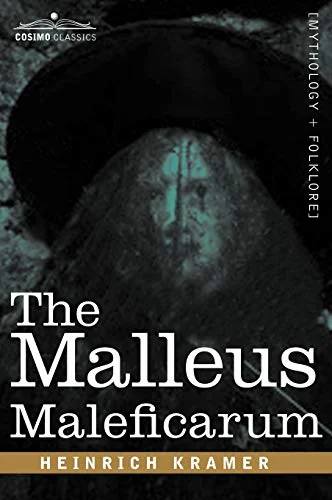
Malleus Maleficarum
Kramer, Heinrich

Stock reported in the catalog; fulfillment is confirmed with your request.
Kramer's 1487 inquisitorial manual codified witch-hunting with chilling, legalistic precision.
This 1487 treatise serves as the definitive architectural blueprint for the European witch trials. Kramer constructs a terrifying theological framework that links heresy, magic, and female sexuality, arguing that women are inherently more susceptible to demonic seduction. The text functions not merely as philosophy but as a practical legal guide for inquisitors, detailing interrogation techniques and evidence standards designed to secure convictions. It rationalizes the persecution of thousands, blending medieval scholasticism with paranoid religious fervor to create a machinery of state-sanctioned terror that would haunt Christendom for centuries.
This 1487 inquisitorial manual codified witch-hunting with chilling, legalistic precision within the context of medieval scholasticism and religious fervor. It serves as a definitive architectural blueprint for European witch trials, blending theological frameworks with practical legal guidance for state-sanctioned terror.


📝 Description: Malleus Maleficarum
💎 Expert review
📖 Why choose it
Why this book is worth reading
Readers seeking to understand the historical mechanisms behind the European witch trials will find immense value in this text. It offers a raw, unfiltered look at how theological paranoia was institutionalized into law. Those interested in the intersection of gender studies and religious history will appreciate its explicit linkage of heresy with female sexuality. It is essential for anyone wishing to comprehend the intellectual foundations of state-sanctioned terror in Christendom, providing insight into how medieval scholasticism was weaponized to justify persecution.
⭐ Reader reviews
Reader rating
Perfect companion for my morning study sessions. Solid binding, decent paper — holds up to heavy use. A keeper.
I've read excerpts online before, but having the full text is different. You can tell why this work has endured. Plenty of passages worth underlining; my copy is already full of margin notes. Definitely recommend.
Ordered this after seeing it referenced in another book I was studying. The text itself is dense but rewarding — you get out what you put in. The ideas are old but land with surprising force today.
Added this to my reference shelf. The material is presented clearly and the structure makes it easy to revisit key passages. My only quibble is the cover feels thinner than expected. Solid, if not essential.
Took a chance on this and glad I did. Plenty of passages worth underlining; my copy is already full of margin notes. A text you study rather than simply read. My only regret is not ordering it sooner.
This treatise is a dense, terrifying document that functions more as a legal guide than philosophy. It is not suitable for readers seeking comfort, moral clarity, or gentle historical narratives. The text’s explicit argument that women are inherently susceptible to demonic seduction makes it deeply unsettling and morally repugnant by modern standards. It is strictly for the academically minded who can withstand its chilling precision and paranoid religious fervor without being overwhelmed by its horrific content or biased theological arguments.
❓ Frequently asked questions
📖 Who should read this
Readers interested in the intersection of medieval canon law, the sociological mechanisms of mass hysteria, and the historical roots of gender-based persecution.
🎯 Key themes and symbolism
Inquisitorial Procedure
Anti-Female Theology
Demonic Pacts
💬 Quotes from the book
“Since witches can do all these things and much more, no wonder that they are more numerous than can be believed.”
“Women are naturally more carnal than men.”
📜 Historical context
📚 Glossary
- Inquisitor
- Demonolatry
- Canon Law
📔 Questions to reflect on
- How does the language of law in this text serve to dehumanize its subjects?
- What role does fear of the unknown play in the construction of this theological argument?
- How might the historical context of the 15th century explain the specific targets of this persecution?
✍️ More books by this author Kramer, Heinrich
All books by this author →
You might also like
See more →