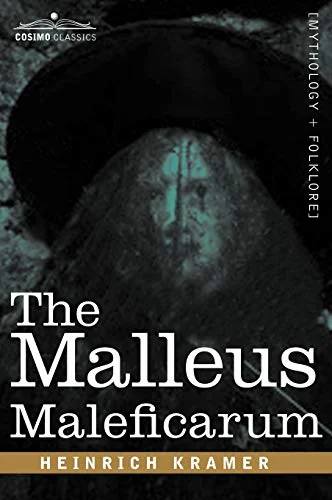
The Malleus Maleficarum
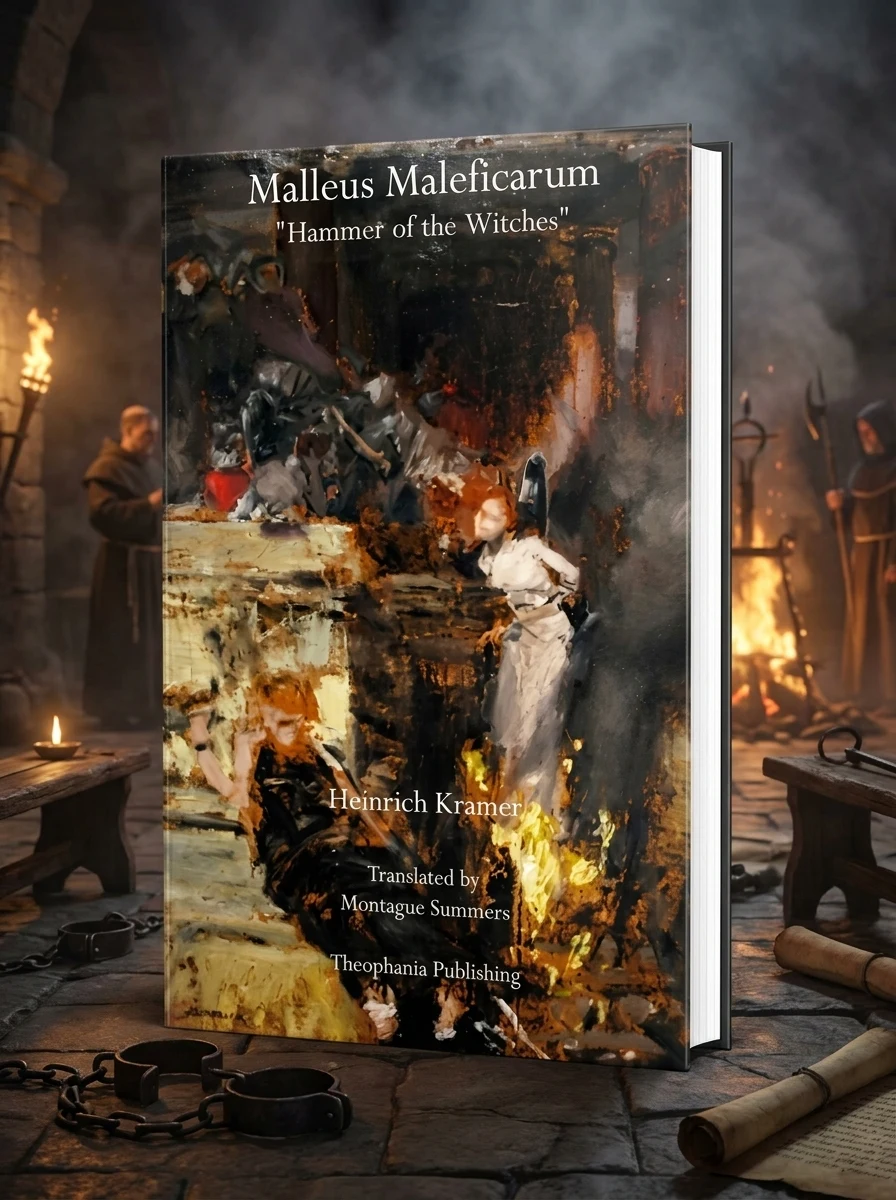
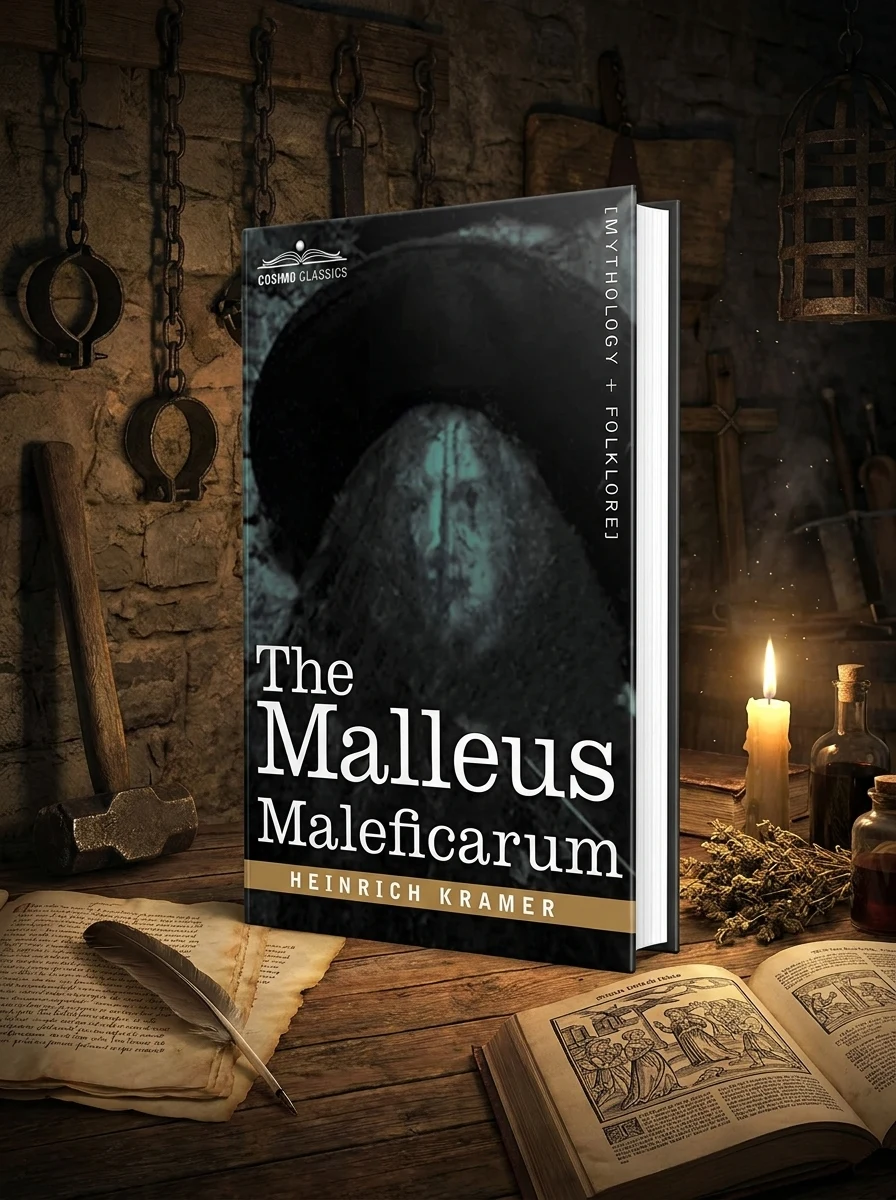
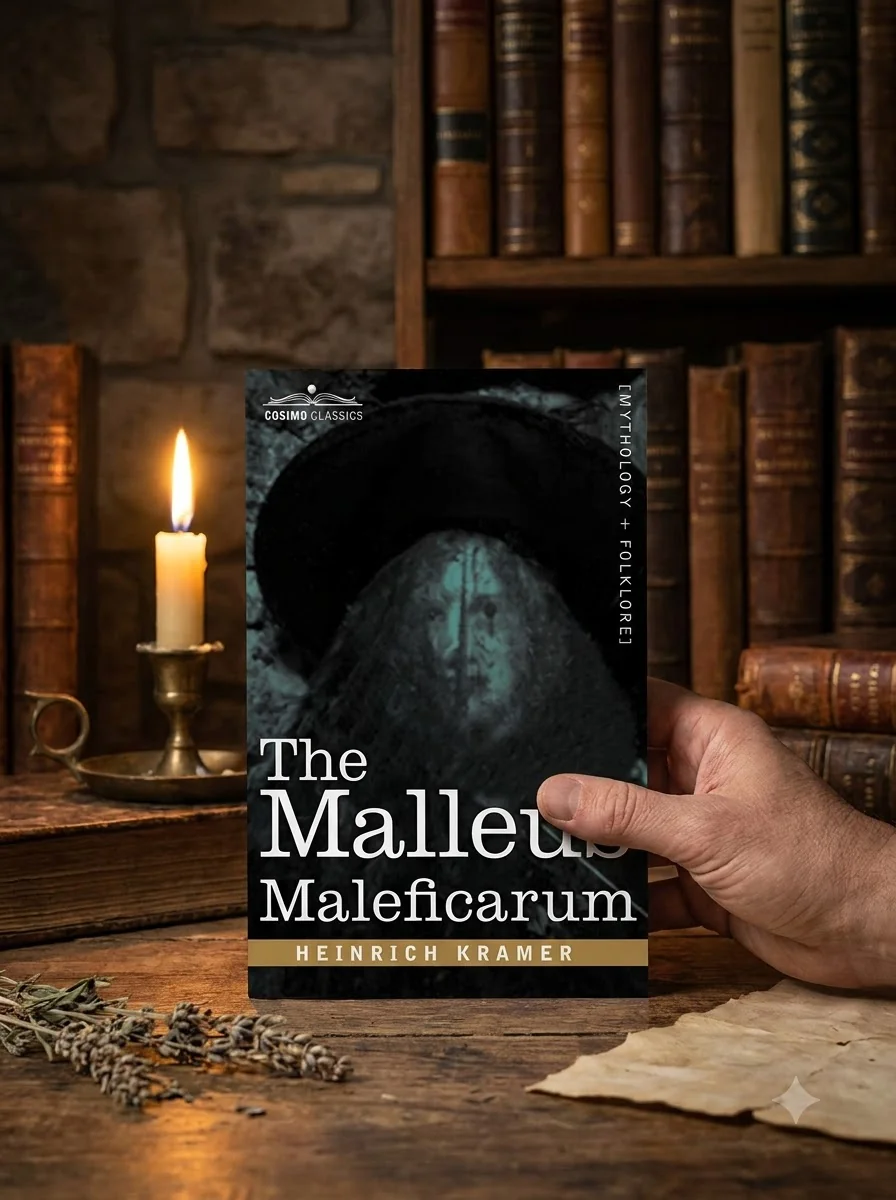
✍️ Kramer, HeinrichThis infamous 15th-century treatise, often called "The Witch Hammer," served as the definitive guide for identifying, prosecuting, and executing alleged witches. Penned by Inquisitors Heinrich Kramer and James Sprenger, it codified prevailing superstitions and theological justifications into a legalistic framework. While its bizarre assertions might seem absurd today, it was once a deadly serious judicial instrument, leading to untold suffering across Europe. Montague Summers' 1928 translation offers a stark window into a dark period of religious extremism and social terror, making it essential reading for understanding historical fanaticism.


📝 Description: The Malleus Maleficarum
💎 Expert review
📖 Why choose it
Why this book is worth reading
Readers seeking to understand the mechanics of historical fanaticism will find this volume indispensable. It offers a stark, unvarnished window into a dark era where theology and legalistic frameworks converged to justify persecution. By examining this chilling manual, scholars and enthusiasts can grasp how prevailing superstitions were codified into deadly serious judicial instruments. It is essential for anyone wishing to comprehend the roots of witchcraft persecutions in Europe, providing context that transforms abstract historical concepts into tangible realities of suffering and control.
⭐ Reader reviews
Reader rating
This work is an intense, often disturbing read that demands resilience from its audience. While it provides crucial insight into the theological justifications for centuries of persecution, its content is steeped in bizarre assertions and brutal logic that may repel modern sensibilities. It is not suitable for those seeking gentle occult practices or lighthearted folklore; rather, it confronts readers with the grim reality of religious extremism. Only those prepared to engage with heavy historical material and the disturbing depths of human cruelty should approach this text, as it serves more as a warning than an invitation.
❓ Frequently asked questions
📖 Who should read this
If you're fascinated by the dark chapters of European history, the psychology of fear, or the origins of religious fundamentalism, this book is for you. Scholars of occultism, demonology, and legal history will find it an indispensable primary source for understanding medieval thought and the horrors of the witch trials.
🎯 Key themes and symbolism
Demonology & Witchcraft
Delve into the elaborate theological and superstitious framework crafted by Kramer and Sprenger. This text meticulously outlines the perceived nature of demonic influence, the methods by which individuals (predominantly women) supposedly entered pacts with evil, and the various malefic acts attributed to them. It reveals a worldview profoundly shaped by fear of the unseen and a zealous commitment to rooting out perceived spiritual corruption.
Inquisition & Persecution
Explore the chilling operational blueprint provided for ecclesiastical and secular courts. The book details interrogation techniques, legal procedures, and justifications for torture, all designed to secure confessions and condemn the accused. It stands as a stark testament to the institutionalized violence and terror wielded by authorities against those deemed heretical or dangerous, demonstrating the brutal efficiency of the period's justice system.
Religious Fundamentalism's Grip
Witness the extreme consequences of unchecked religious dogma. The authors intertwine folk beliefs with scriptural interpretations to build an unshakeable case for the reality and inherent evil of witchcraft, compelling believers to participate in its eradication. This work exemplifies how a rigid theological perspective can justify widespread cruelty and transform societal anxieties into a mandate for persecution, highlighting the dangers of absolute belief.
📜 Historical context
📚 Glossary
- Malleus Maleficarum
- Inquisition
- Demonology
📔 Questions to reflect on
- Reflect on how fear and superstition, when combined with institutional power, can lead to widespread societal violence. Can you identify any modern parallels?
- Consider the role of the individual versus the authority in historical persecutions. How might one resist or challenge such a dominant narrative during that era?
- The book’s claims often seem absurd to a modern mind. What does this tell us about the evolution of knowledge, religious belief, and legal reasoning over centuries?