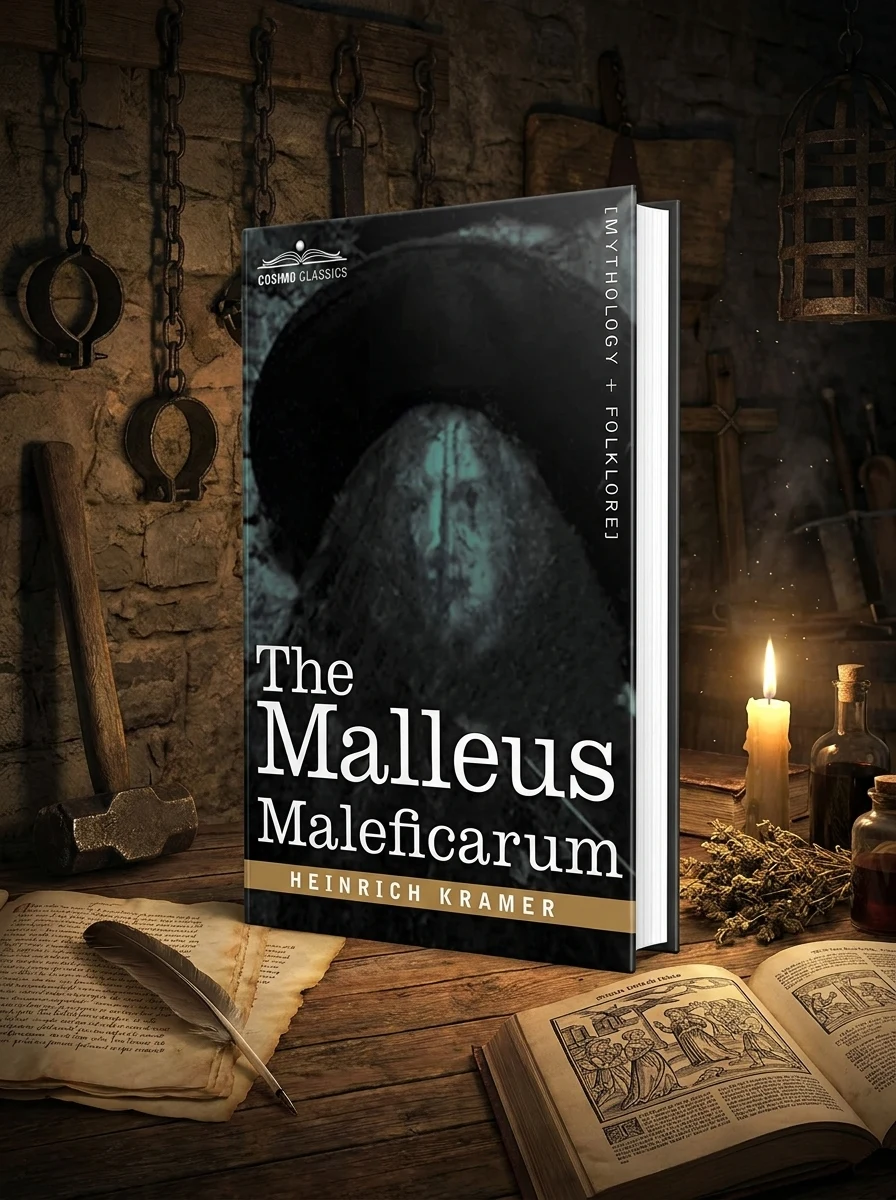
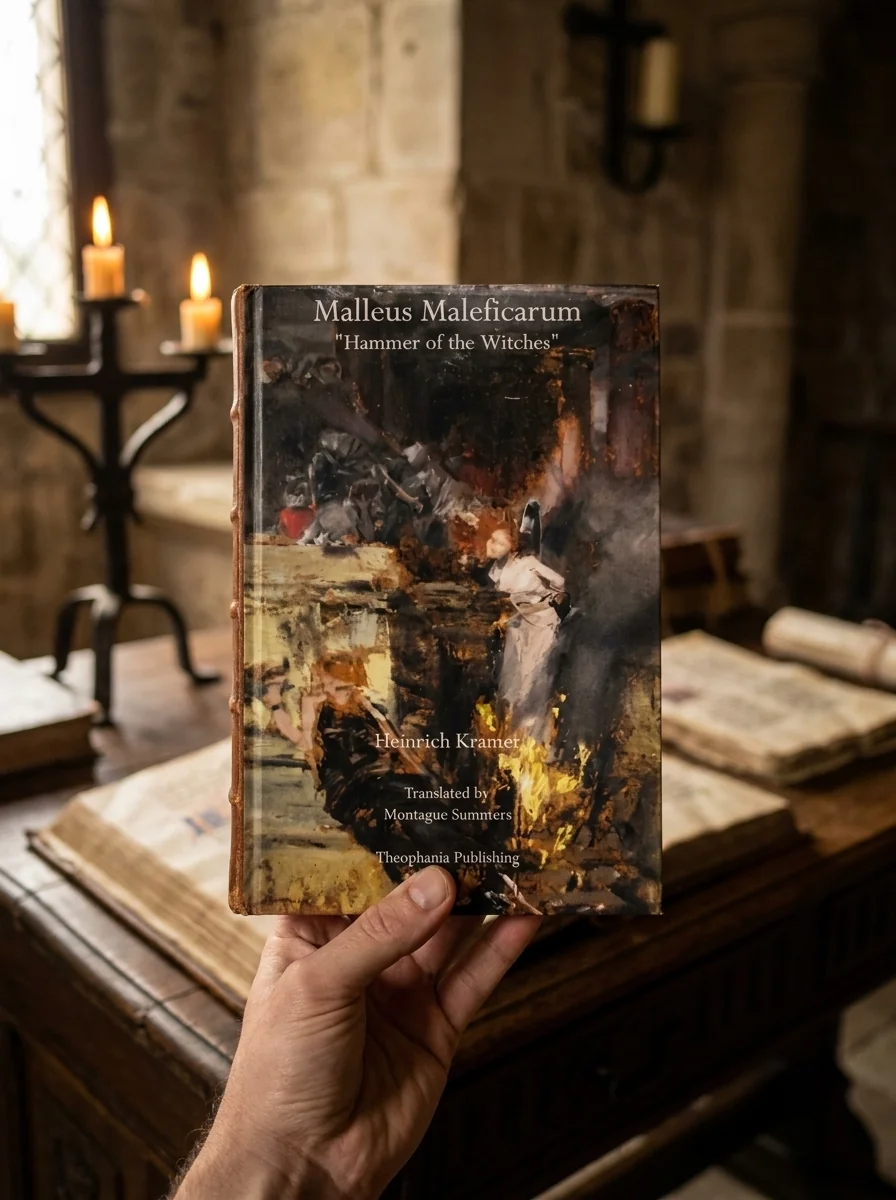
Malleus Maleficarum: Hammer of the Witches
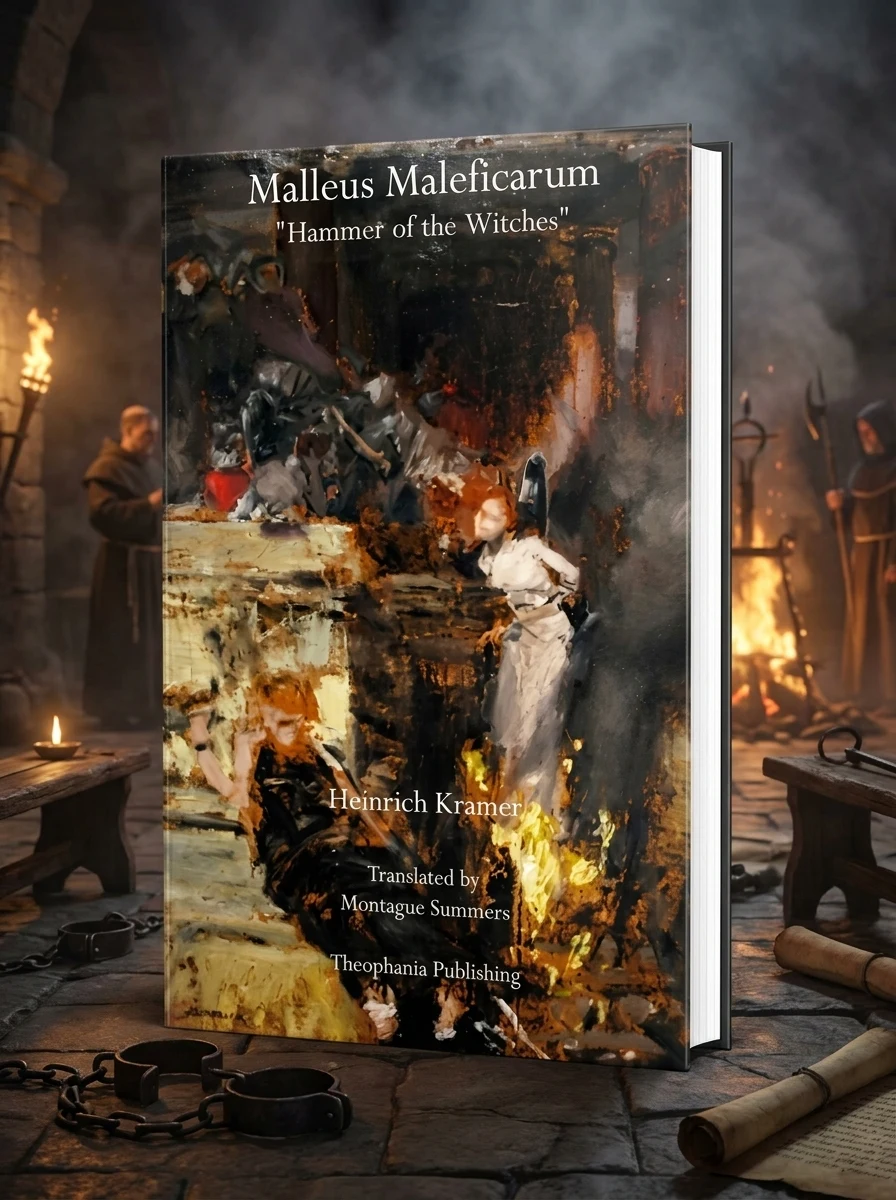
✍️ Kramer, HeinrichA famous 1486 Catholic treatise written by Inquisitor Heinrich Kramer to refute skeptics and prosecute witches.
This medieval text provides a detailed look into fifteenth-century European demonology and church prosecution procedures. Heinrich Kramer authored the work following his failed persecutions in Tyrol, where a bishop called him a senile old man. Seeking to justify his actions, Kramer produced a manual designed to instruct magistrates on convicting suspects. The volume includes a papal bull in its preface to establish official church backing for inquisitorial actions. Readers gain direct access to the historical arguments used to justify late-medieval witch trials.
Written in 1484 or 1485 and published in Germany in 1487, this treatise reflects late medieval European Catholic inquisitorial efforts. It emerged directly from Kramer's failed attempt at systematic witch persecution in Tyrol during 1484.


📝 Description: Malleus Maleficarum: Hammer of the Witches
💎 Expert review
📖 Why choose it
Why this book is worth reading
Readers fascinated by the dark undercurrents of European history will find this text indispensable for understanding how fear was weaponized to enforce social order. It offers a raw, unvarnished look at the mindset that drove centuries of persecution, providing critical context for modern discussions on misogyny and systemic injustice. Those interested in the evolution of legal systems or the psychological mechanisms of mass hysteria will gain profound insight into how a single treatise could shape generations of suffering. It is essential for scholars and enthusiasts who wish to confront the chilling reality of how superstition was institutionalized, transforming personal vendettas into state-sanctioned terror through rigorous, albeit horrific, logic.
⭐ Reader reviews
Reader rating
This volume serves as a stark historical document rather than entertainment, making it unsuitable for readers seeking lighthearted fare or those easily disturbed by graphic depictions of injustice. It is not a guide to modern Wiccan practice, but rather an examination of the machinery that sought to destroy such traditions. Readers expecting a sympathetic narrative will be disappointed; the text is inherently hostile and steeped in the biases of its time. However, for those willing to engage with difficult material, it offers an unflinching look at the intellectual framework of the witch trials. It demands a critical eye and a strong stomach, rewarding only those prepared to analyze the terrifying intersection of faith, law, and cruelty without romanticizing the horror.
❓ Frequently asked questions
📖 Who should read this
For scholars of medieval history, students of religious fundamentalism, or occultists seeking to understand the dark roots of persecution, this book offers an unparalleled, albeit disturbing, primary source document. It's essential reading for anyone exploring the historical intersection of fear, faith, and institutional power.
🎯 Key themes and symbolism
Systematic Witch-Hunting
This text provides a meticulous, albeit horrifying, methodology for the detection, interrogation, and condemnation of individuals accused of witchcraft. It outlines elaborate procedures for gathering evidence, extracting confessions through torture, and ensuring convictions, presenting a chillingly thorough manual for persecution that left little room for mercy or doubt in the minds of its readers.
Religious Justification
Kramer masterfully weaves together biblical passages, patristic writings, and scholastic arguments to present witchcraft not merely as a crime, but as the ultimate heresy against God. The book frames the fight against witches as a holy war, thus legitimizing the most brutal methods of extermination under the guise of defending Christian faith and order from diabolical influence.
Authorial Vengeance
Beyond its theological and legal frameworks, the "Malleus Maleficarum" is deeply rooted in the personal grievances of Heinrich Kramer. Following his ignominious expulsion from Tyrol after a failed witch hunt, the book served as his personal vindication and a desperate attempt to restore his authority, transforming his failures into a fervent, systematic call for widespread persecution.
📜 Historical context
📚 Glossary
- Malleus Maleficarum
- Inquisitor
- Demonology
📔 Questions to reflect on
- How does the historical context of late medieval Europe inform the extreme views presented in the 'Malleus Maleficarum'?
- Consider the psychological impact of such a text on both the accusers and the accused during the witch hunts. What does it reveal about human fear?
- In what ways can a text like the 'Malleus Maleficarum' be seen as a weapon, and what lessons can be drawn about the dangers of unchecked authority and fundamentalism?