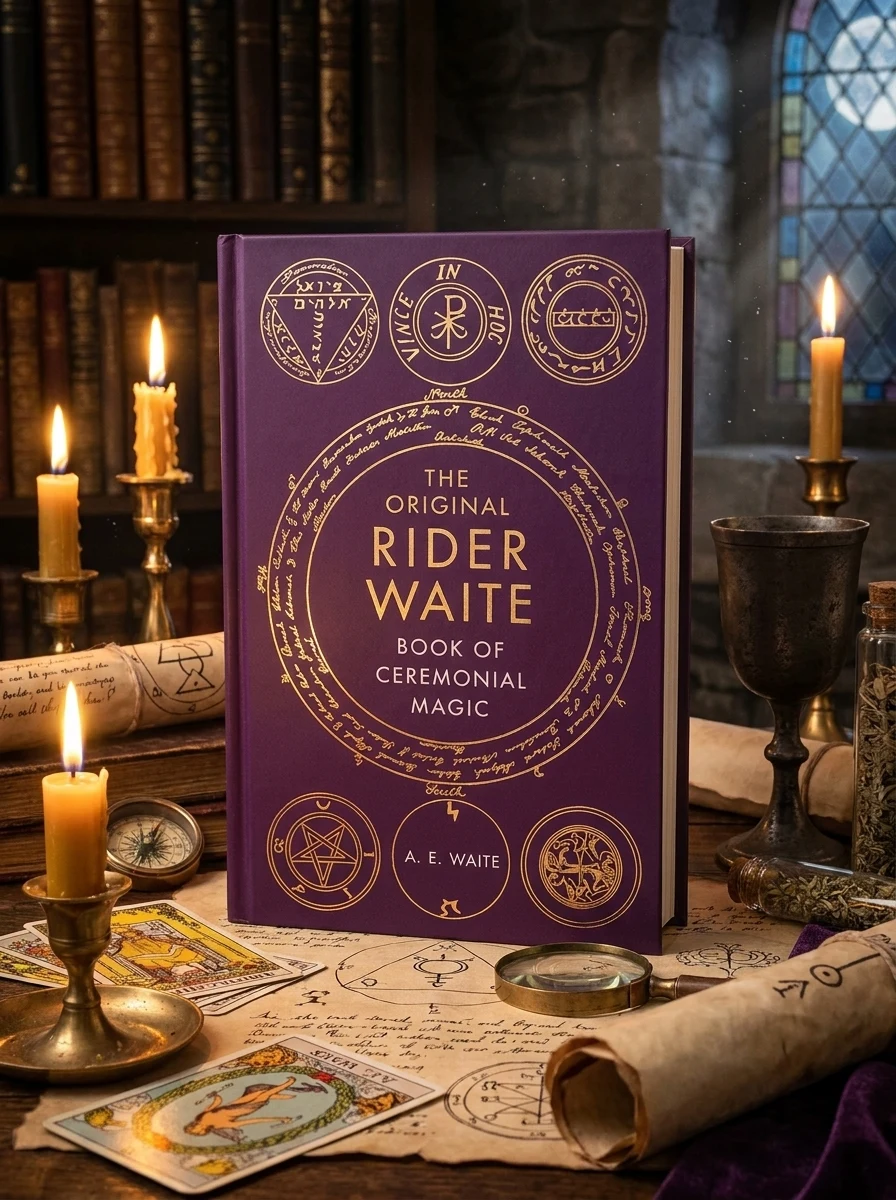
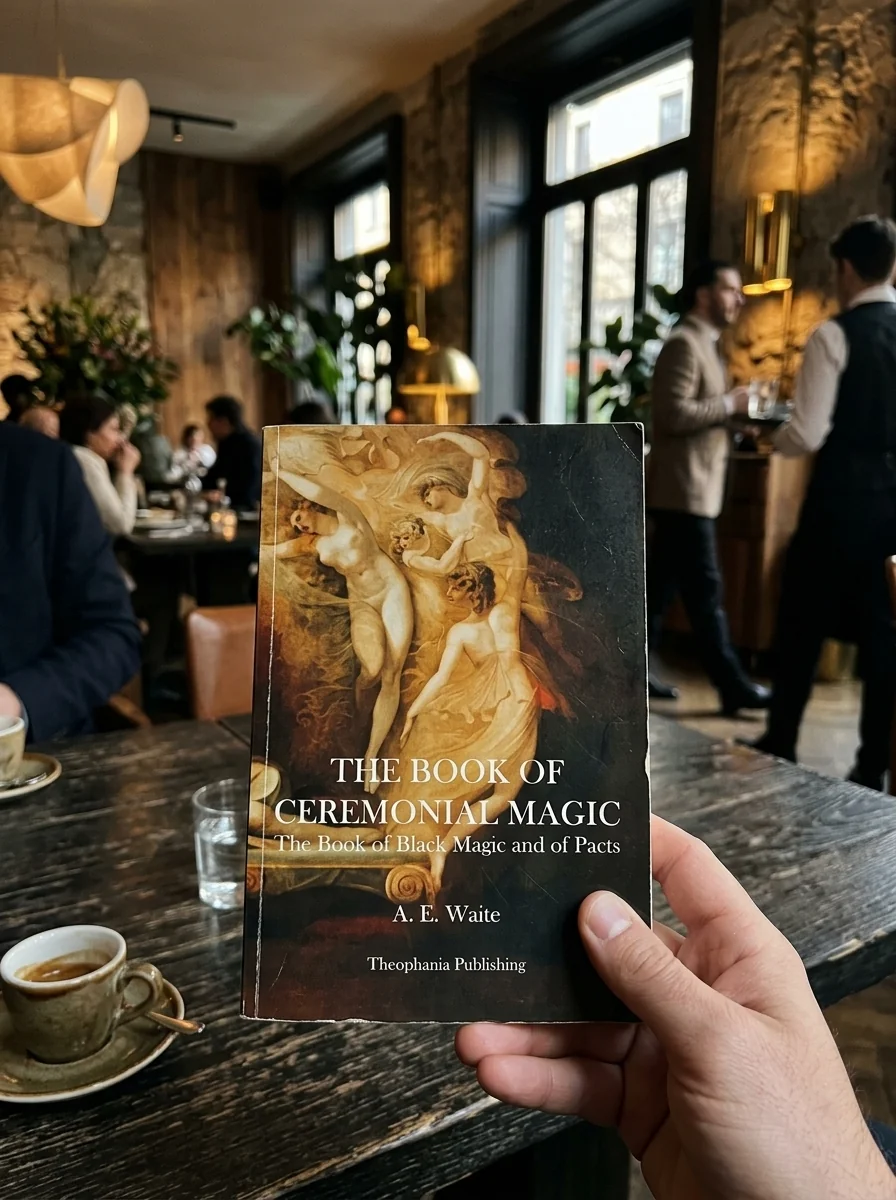
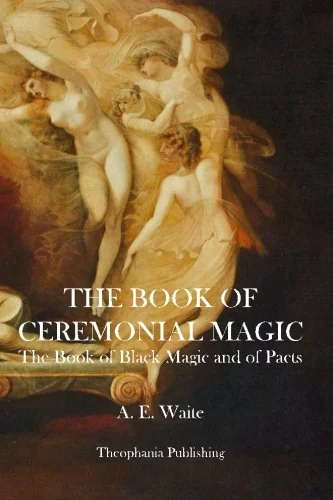
The Book of Ceremonial Magic
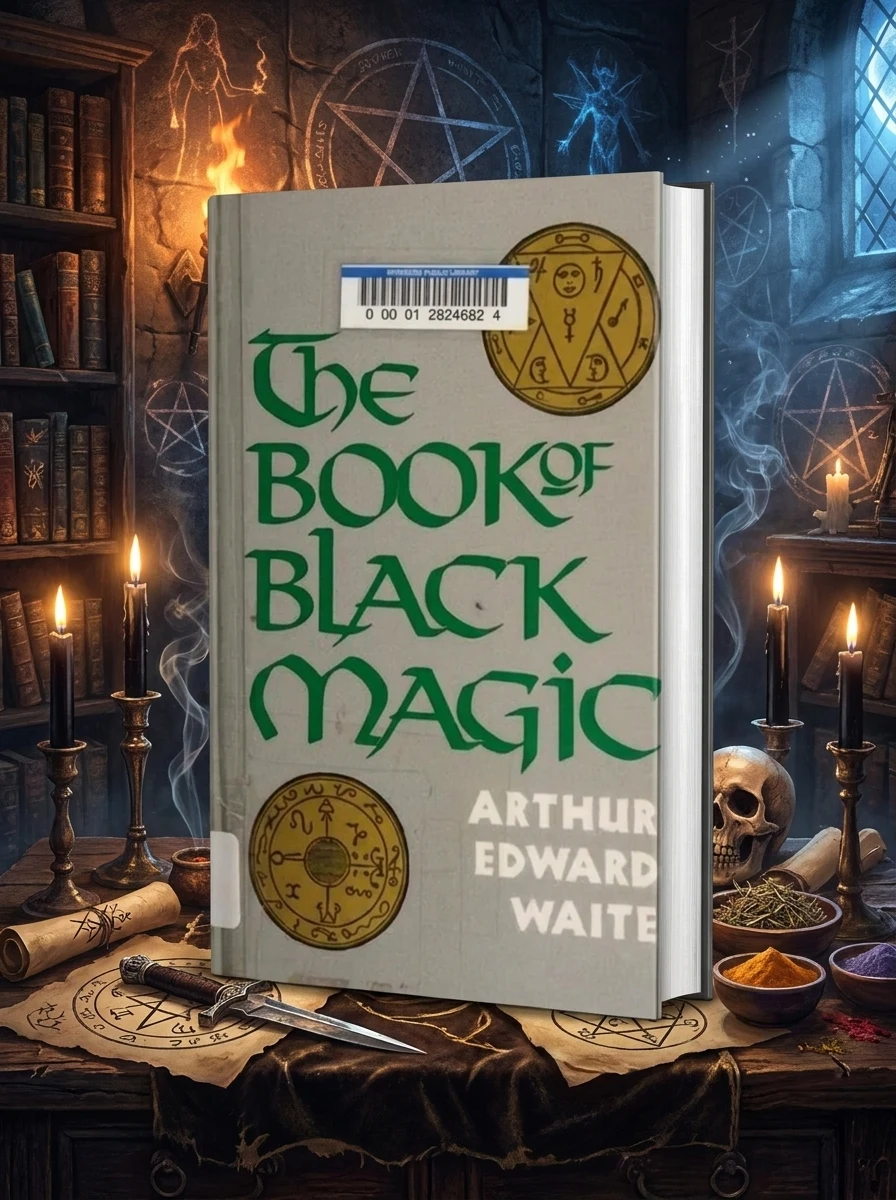
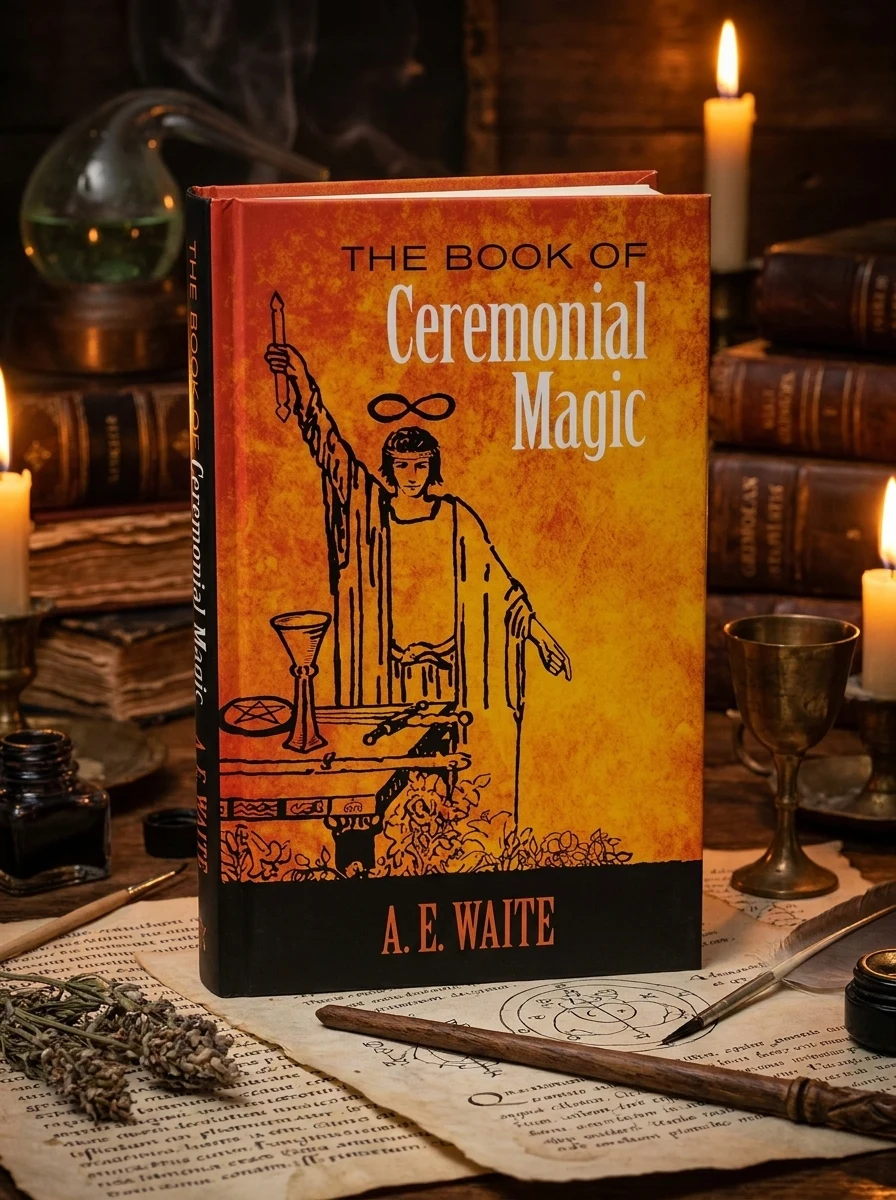
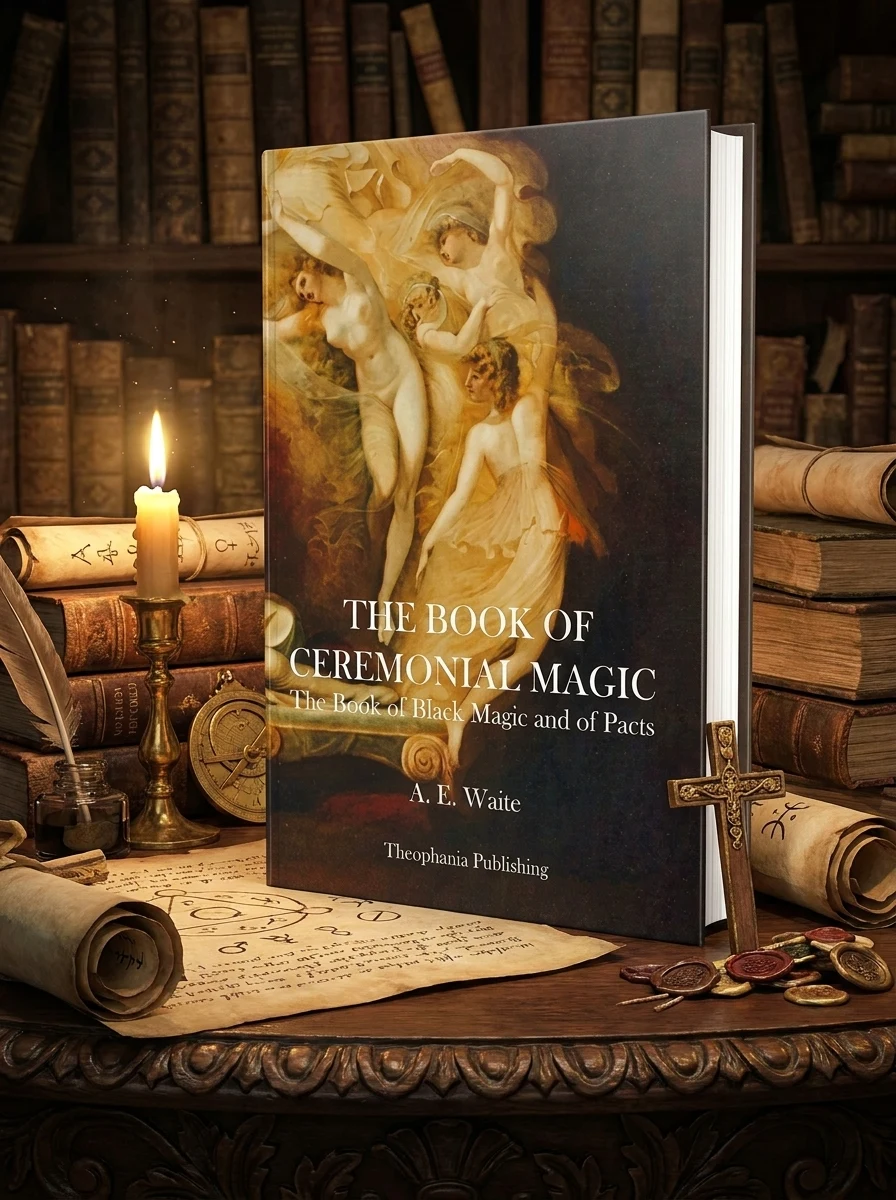
✍️ Waite, A EThis edition published by Theophania Publishing presents A E Waite's study of the mystic path through Christian mystical theology and occult traditions. The material investigates the inward discipline required for spiritual attainment, defining contemplation, meditation, recollection, and the renunciation of lower impulses. It addresses divination, tarot, demonology, Satanism, and magick studies through scattered historical literature. Waite treats the collection as an open path, framing the documents around fundamental truths of mystical theology. The text requires sustained focus on complex source materials that have long lacked codification.


📝 Description: The Book of Ceremonial Magic
💎 Expert review
📖 Why choose it
Why this book is worth reading
This book is an essential resource for serious students of the Western magical tradition who seek a scholarly, rather than sensationalized, understanding of their craft. A.E. Waite meticulously surveys the historical landscape, offering readers a discerning eye upon the origins and practices of ceremonial magic. Those interested in demystifying infamous grimoires will find immense value in this comprehensive study. It provides necessary context for invocations and entities often misunderstood in popular culture. By analyzing these texts through an erudite lens, Waite helps practitioners appreciate the philosophical depth behind the rituals. It is particularly beneficial for those who wish to ground their magical knowledge in historical reality rather than myth. This volume ensures that the arcane rites are viewed with respect and intellectual rigor, making it a vital tool for any library dedicated to the serious study of esotericism.
⭐ Reader reviews
Reader rating
Waite’s seminal survey offers a rigorous examination of ceremonial magic’s historical landscape, appealing primarily to academic occultists and historians of religion. The text excels in its erudite analysis of grimoires, stripping away sensationalism to reveal philosophical underpinnings. However, readers seeking immediate, practical spell-casting instructions or novice-friendly introductions will likely find this work dry and overly dense. It is not suited for those expecting simple ritual guides; rather, it demands a willingness to engage with complex historical contexts and scholarly critique. The book serves best as a reference text for understanding the evolution of Western magic, providing depth that practical manuals often lack, though its academic tone may alienate casual enthusiasts looking for accessible entry points into the esoteric arts.
❓ Frequently asked questions
📖 Who should read this
If you're a serious student of Western esotericism, occult history, or comparative religion, this work is indispensable. It's for those who seek deep academic understanding rather than a practical guide, offering a scholarly lens on often-misunderstood magical traditions.
🎯 Key themes and symbolism
History of Grimoires
Waite traces the lineage of magical texts, from ancient manuscripts to their evolution through the medieval and early modern periods. He meticulously documents how these grimoires, often shrouded in secrecy and misconception, reflect evolving beliefs about spiritual entities and human agency within the cosmos, offering a chronological and analytical perspective on their development and influence.
Ritual Practice & Invocation
The book dissects the elaborate ceremonies and specific invocations found within various magical traditions. It explores the symbolic components, materials, and precise steps involved in summoning spirits, whether angelic or demonic. Waite's analysis moves beyond mere description, examining the underlying intentions and perceived efficacy of these complex ritualistic endeavors, highlighting their structured nature.
Demonology and Theurgy
This volume extensively covers the interaction with both benevolent and malevolent entities as depicted in historical magical texts. It distinguishes between practices aimed at commanding infernal spirits (demonology) and those seeking communion with divine or angelic beings (theurgy). Waite scrutinizes the ethical and spiritual implications attributed to these practices by their original practitioners and subsequent scholars.
📜 Historical context
📚 Glossary
- Ceremonial Magic
- Grimoire
- Invocation
📔 Questions to reflect on
- How does Waite's analytical approach to ceremonial magic reshape your understanding of historical occult practices, moving beyond popular misconceptions?
- Consider the ethical implications of 'invocation' and 'evocation' as described in historical grimoires. How do these compare to modern spiritual or psychological practices?
- Reflect on the role of symbolism and ritual in human attempts to connect with the divine or supernatural, as evidenced by the magical traditions Waite explores.


![The Classic Rider Waite Smith Tarot Book & Card Deck: Includes 78 Cards and 128-Page Book [With Book(s)]](/img/the-classic-rider-waite-smith-tarot-book-card-deck-includes-78-cards-and-128-page-book-with-book-s-scene.webp)