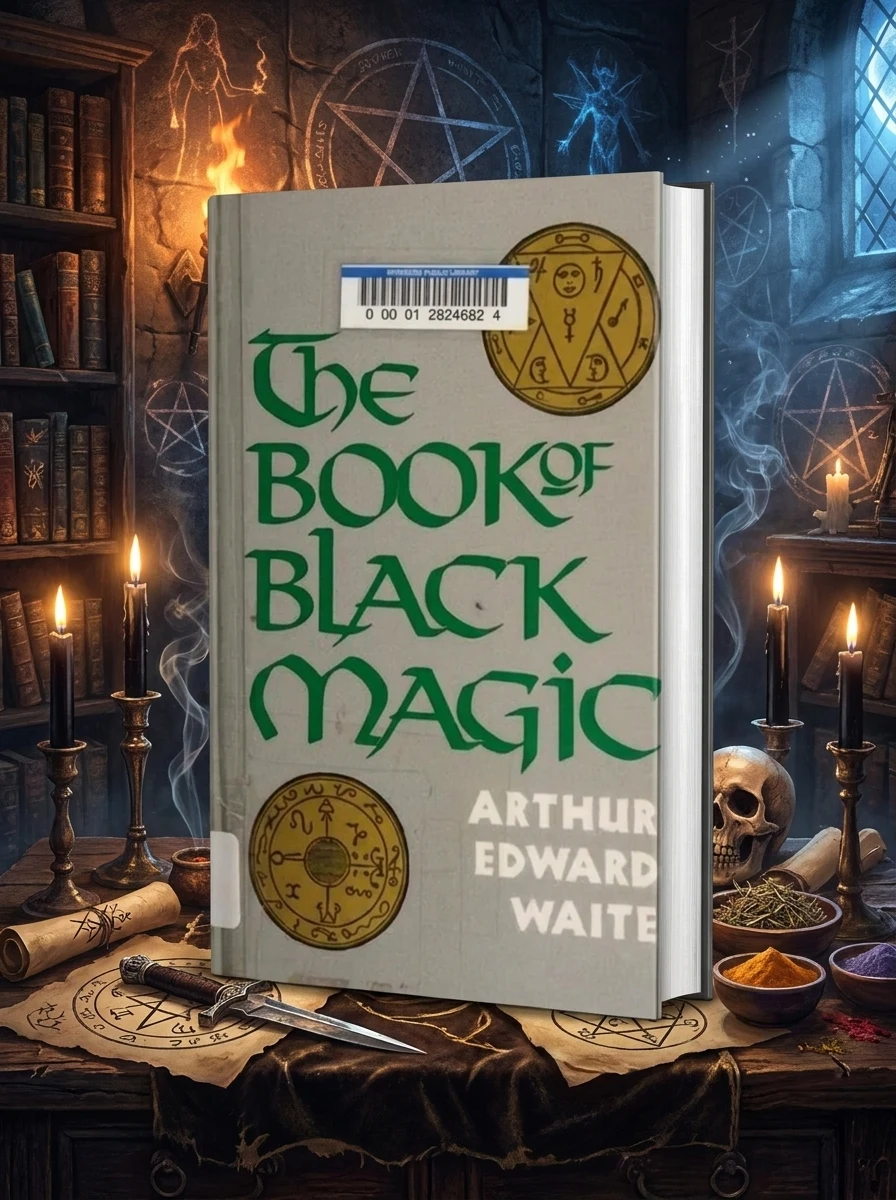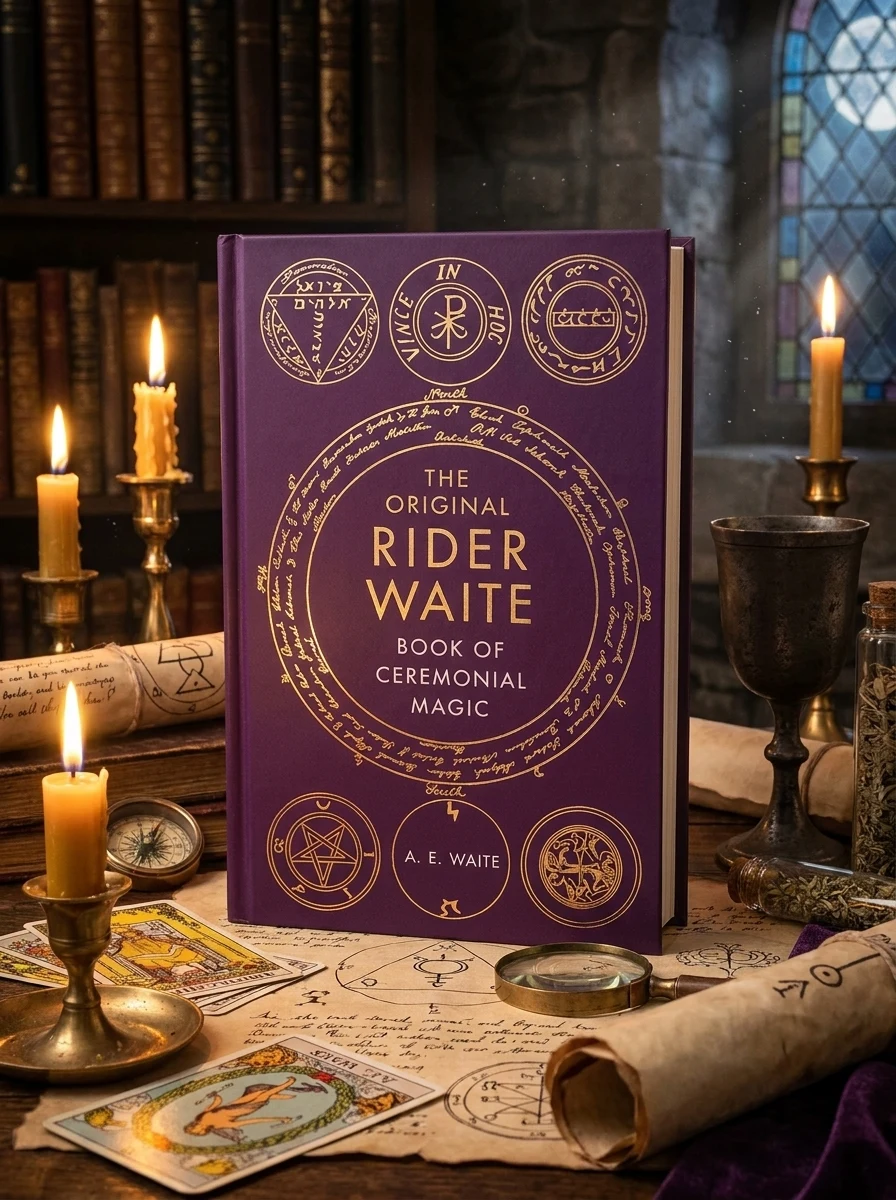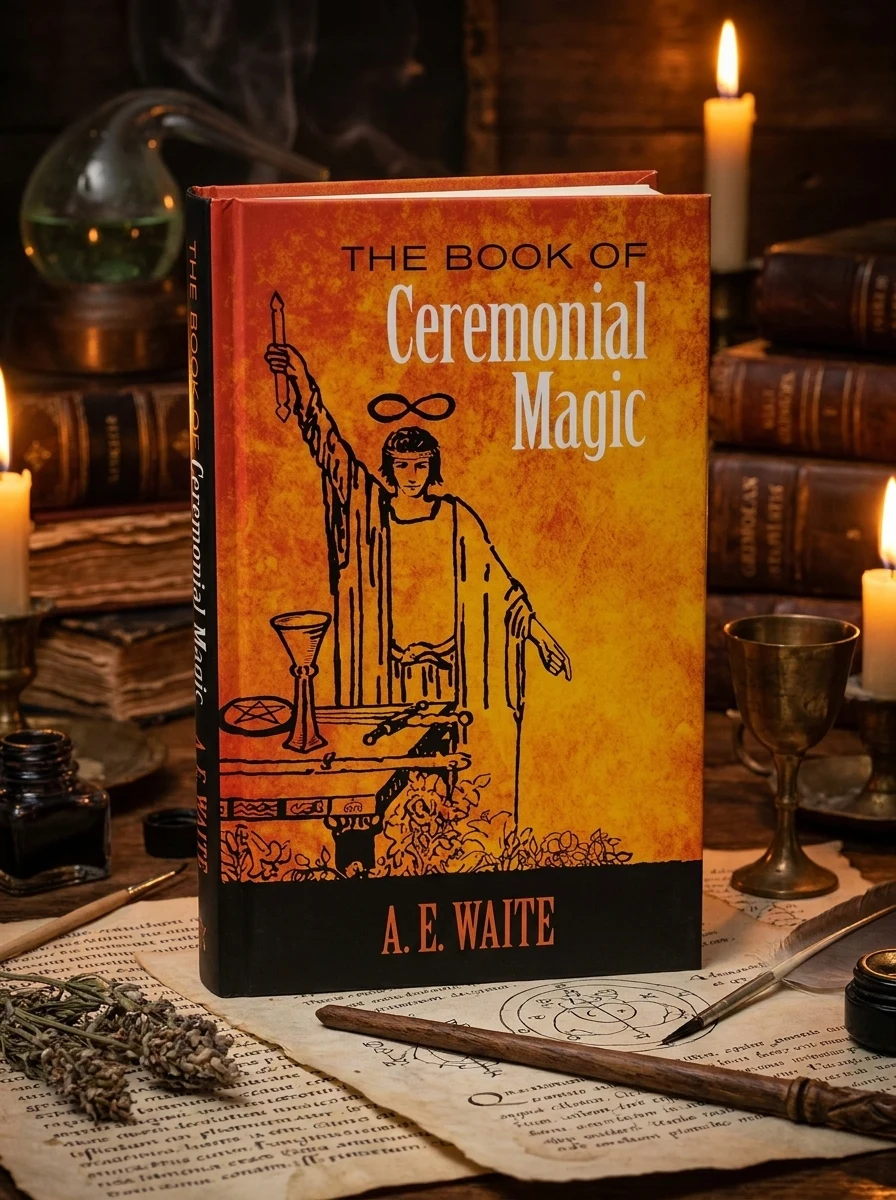
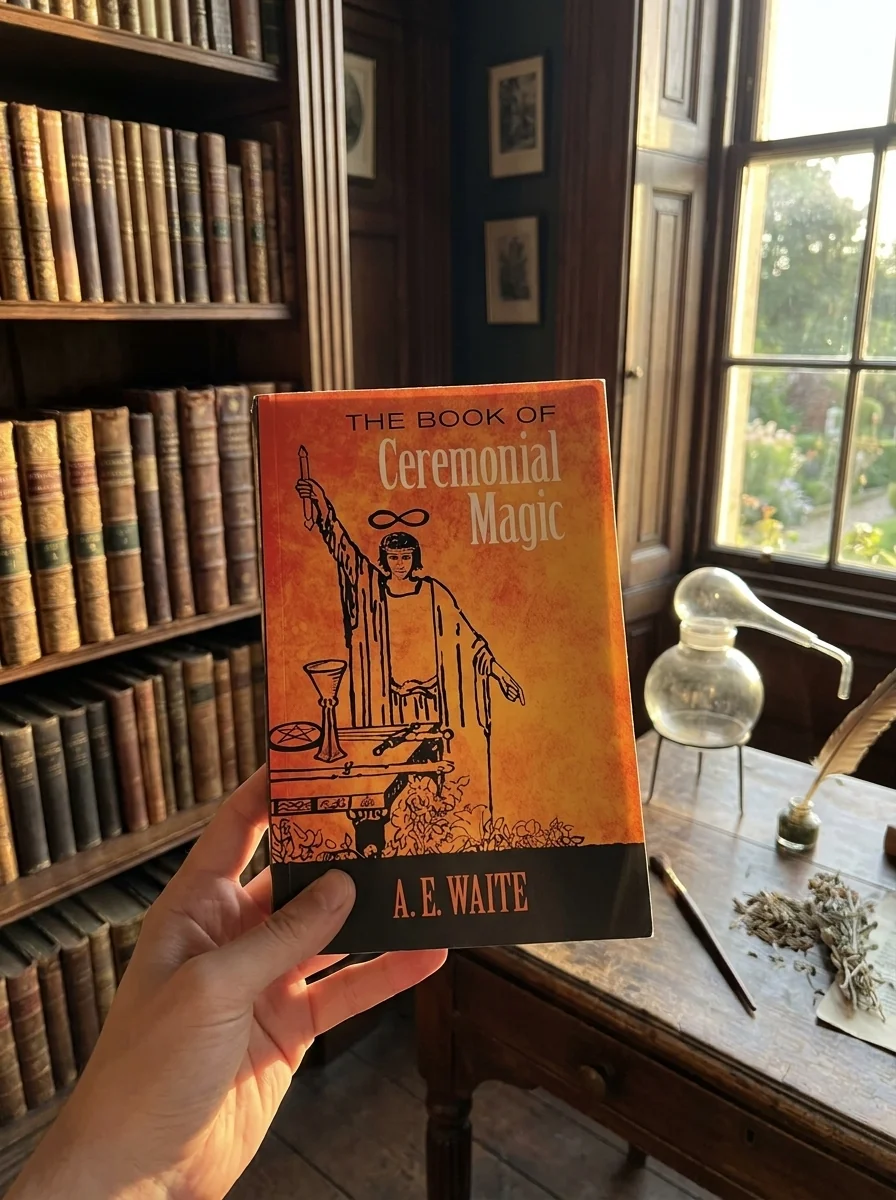
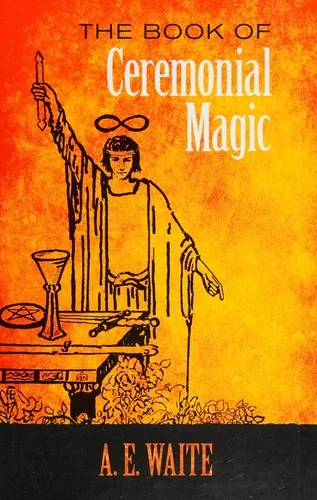
The Book of Ceremonial Magic Waite, A E
✍️ Waite, A EA. E. Waite's monumental survey meticulously compiles and interprets the often-obscure traditions of ceremonial magic. This two-part work first presents crucial excerpts from 14th to 16th-century magical texts, followed by Waite's own insightful analysis, bridging historical practice with modern understanding. Still a definitive resource a century later, it offers an exhaustive exploration of magical history, covering everything from spirit conjuration to casting spells. While not endorsing dark arts, Waite passionately defends genuine occult practitioners and champions disciplines like astrology and alchemy, providing unparalleled depth for serious students.


📝 Description: The Book of Ceremonial Magic Waite, A E
💎 Expert review
📖 Why choose it
Why this book is worth reading
Serious students of the occult will find this book indispensable for its exhaustive exploration of magical history and theory. A. E. Waite offers an unparalleled depth of insight, defending genuine practitioners while covering diverse disciplines such as astrology and alchemy. It is ideal for those who wish to understand the arcane secrets of ancient magic through a master scholar's discerning eye. By compiling crucial excerpts from historical texts and providing insightful analysis, it bridges the gap between past practices and contemporary study. Readers seeking a definitive resource on spirit conjuration and spell-casting will appreciate its rigorous approach. It provides the necessary context for anyone wishing to delve deeply into the foundational traditions of ceremonial magic without resorting to superficial summaries.
⭐ Reader reviews
Reader rating
This is a monumental survey that demands patience and focus from its readers. While it offers invaluable insights into the traditions of ceremonial magic, it is not suited for casual readers or those seeking quick, practical instructions. The dense historical analysis and extensive compilation of obscure texts may overwhelm beginners. It is best reserved for dedicated scholars who appreciate rigorous academic treatment of occult topics. Those looking for modern interpretations or easy-to-follow guides will likely find this work too academic and dry. However, for the serious student, it remains an essential, definitive resource that provides unparalleled depth.
❓ Frequently asked questions
📖 Who should read this
If you are a serious student of occult history, a researcher into esoteric traditions, or a practitioner seeking to understand the historical roots of magic, this compendium is an indispensable addition to your library. It's for those who crave scholarly depth.
🎯 Key themes and symbolism
Ancient Grimoires Unveiled
Waite meticulously gathers and presents primary source material from significant magical traditions of the late medieval and early modern periods. This section offers direct access to the practices and philosophies that shaped historical ceremonial magic, allowing readers to engage with the original wisdom and rituals directly, providing a foundation for deeper study.
Modern Occult Interpretation
Beyond mere compilation, Waite critically examines these historical texts through a lens informed by his profound understanding of occult history. This analytical approach helps contextualize complex magical systems, demystifying their often-obscure language and practices for contemporary students, while still respecting their esoteric origins and profound implications.
Reclaiming Esoteric Dignity
A. E. Waite, despite his scholarly rigor, advocates for the integrity of occult studies, distinguishing genuine spiritual inquiry from sensationalism. He champions the intellectual and spiritual value of disciplines like astrology and alchemy, offering a nuanced perspective that defends practitioners against mischaracterization, even as he cautions against darker, ill-advised paths.
📜 Historical context
📚 Glossary
- Ceremonial Magic
- Grimoire
- Demonology
📔 Questions to reflect on
- How does understanding the historical context of magical practices alter your perception of their efficacy or ethical implications in a modern context?
- Waite distinguishes between legitimate occultism and 'black magic.' How do you personally define and differentiate these concepts, and what are the implications of such distinctions?
- Consider the role of detailed ritual and symbolism in historical magic. What might be their psychological, spiritual, or even social functions for practitioners and communities?


![The Classic Rider Waite Smith Tarot Book & Card Deck: Includes 78 Cards and 128-Page Book [With Book(s)]](/img/the-classic-rider-waite-smith-tarot-book-card-deck-includes-78-cards-and-128-page-book-with-book-s-scene.webp)