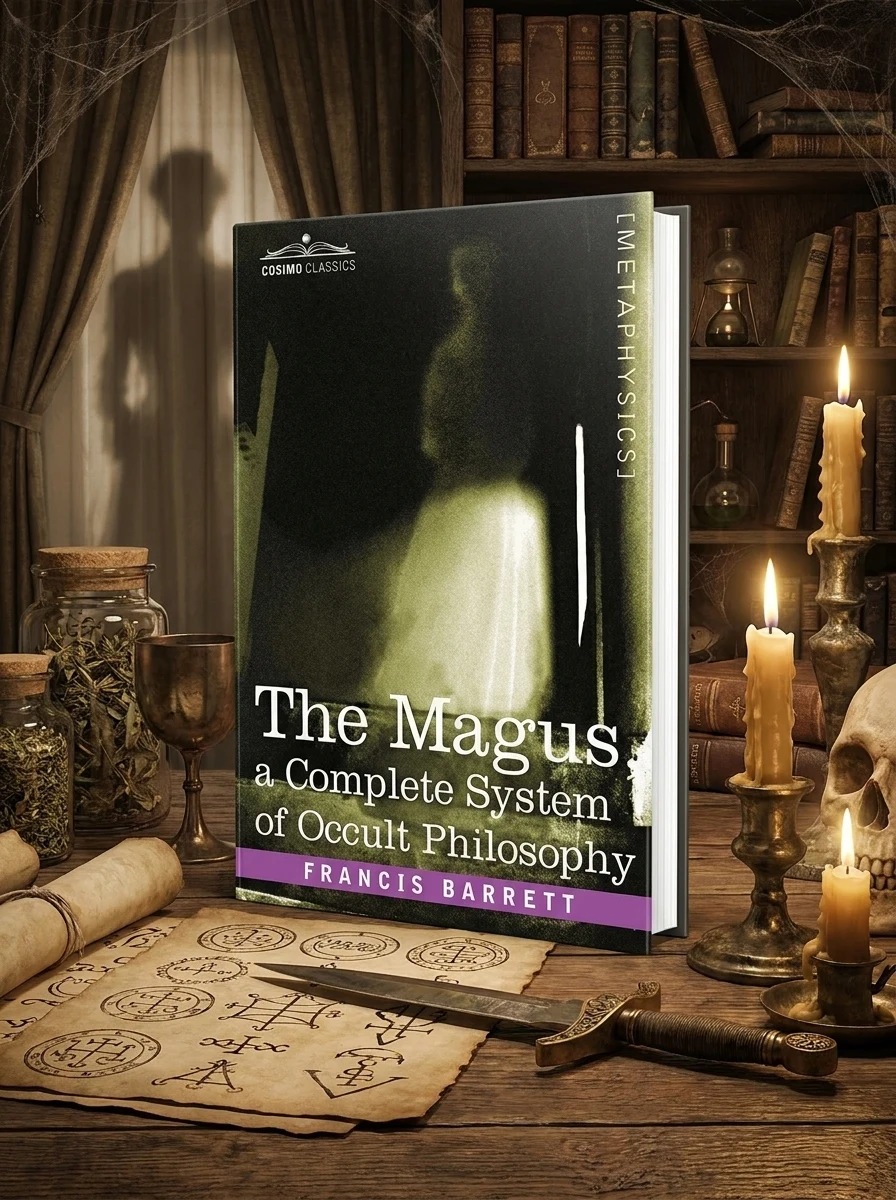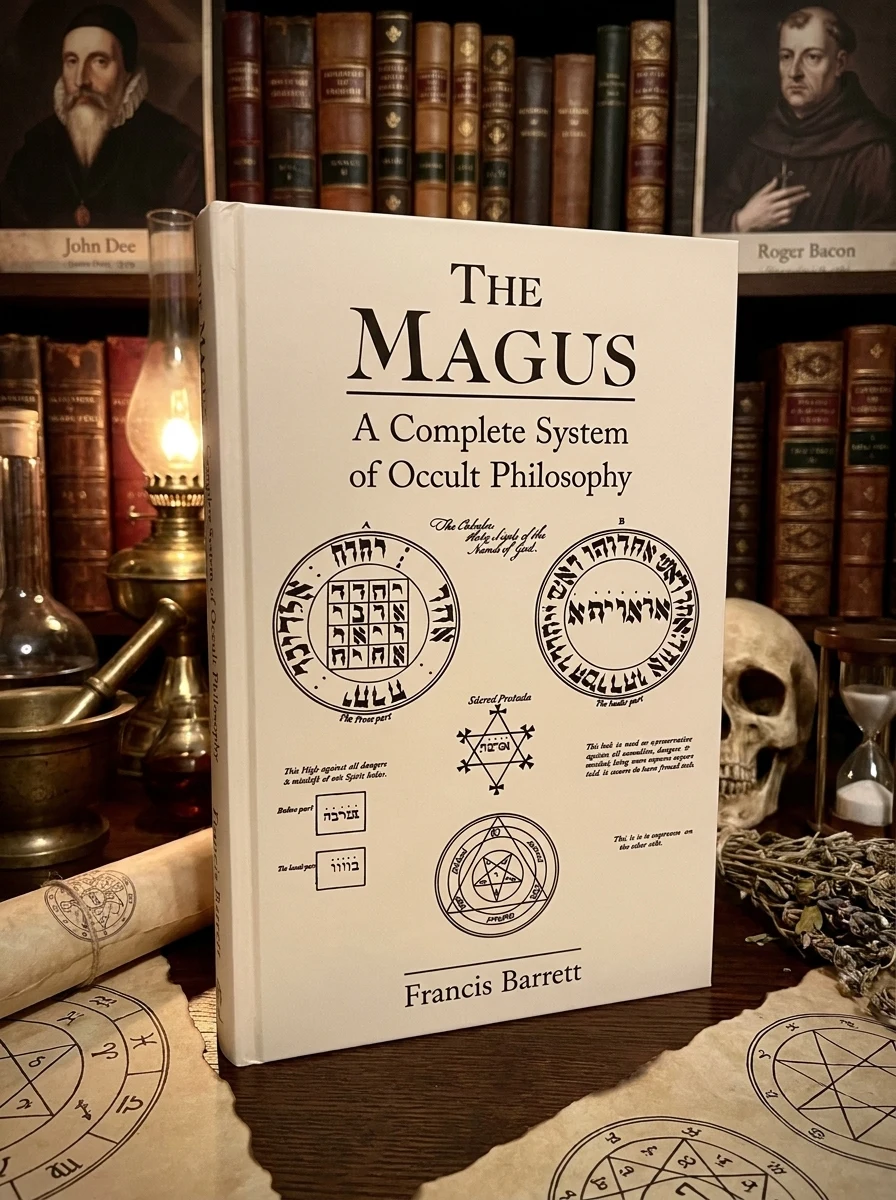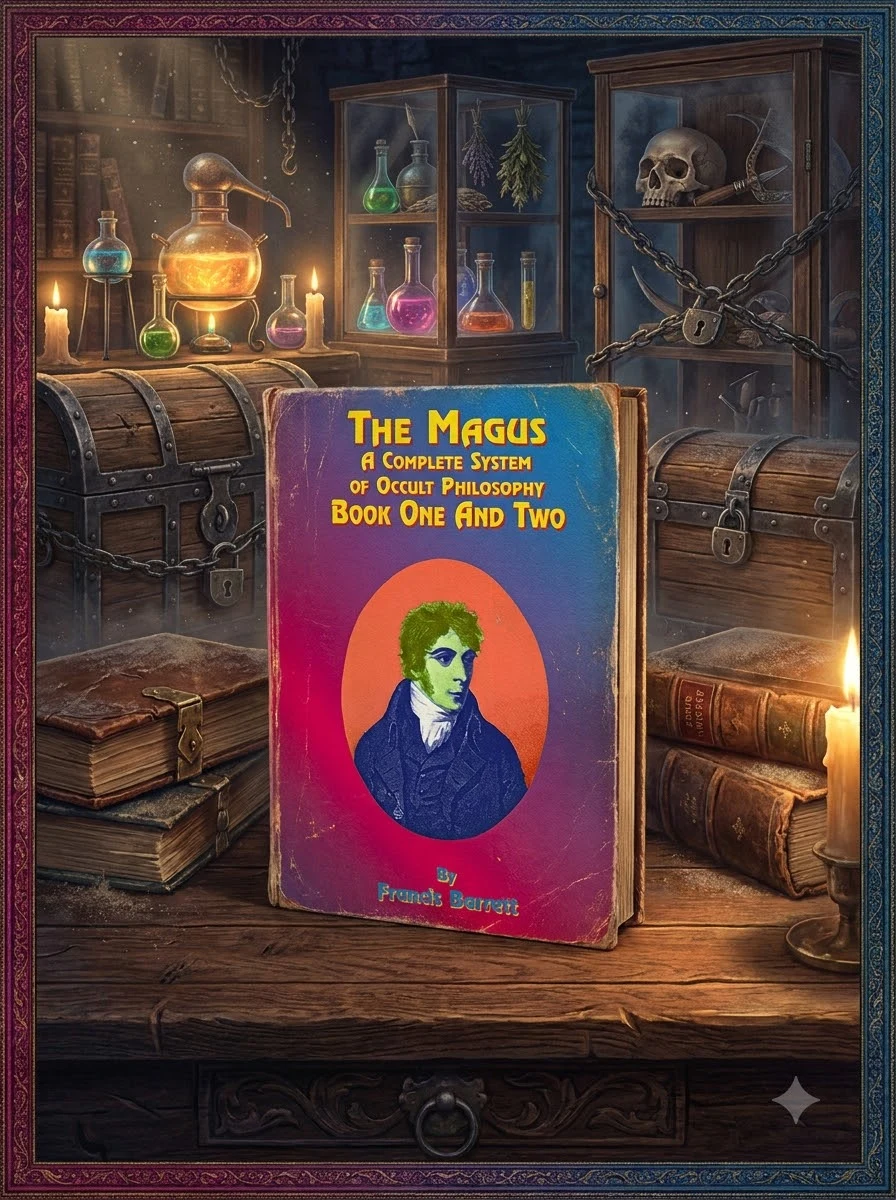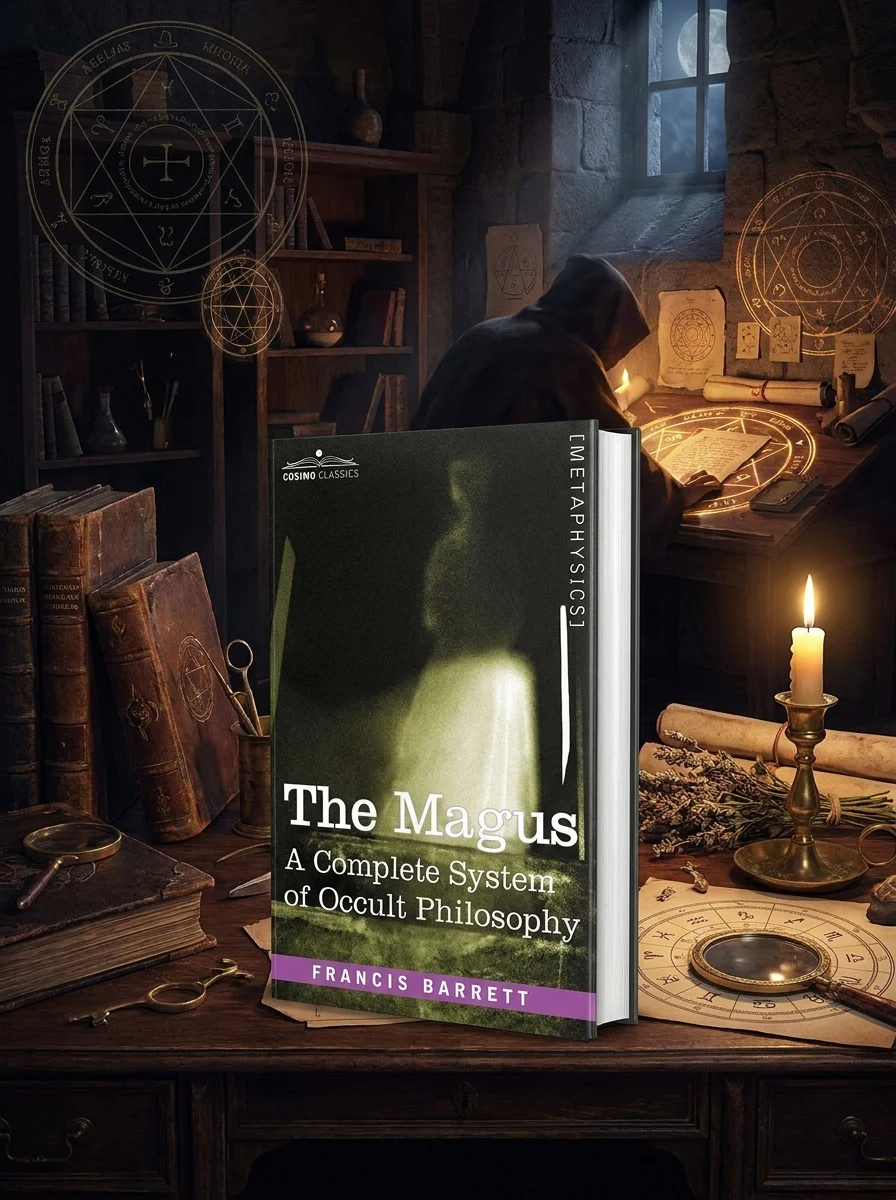
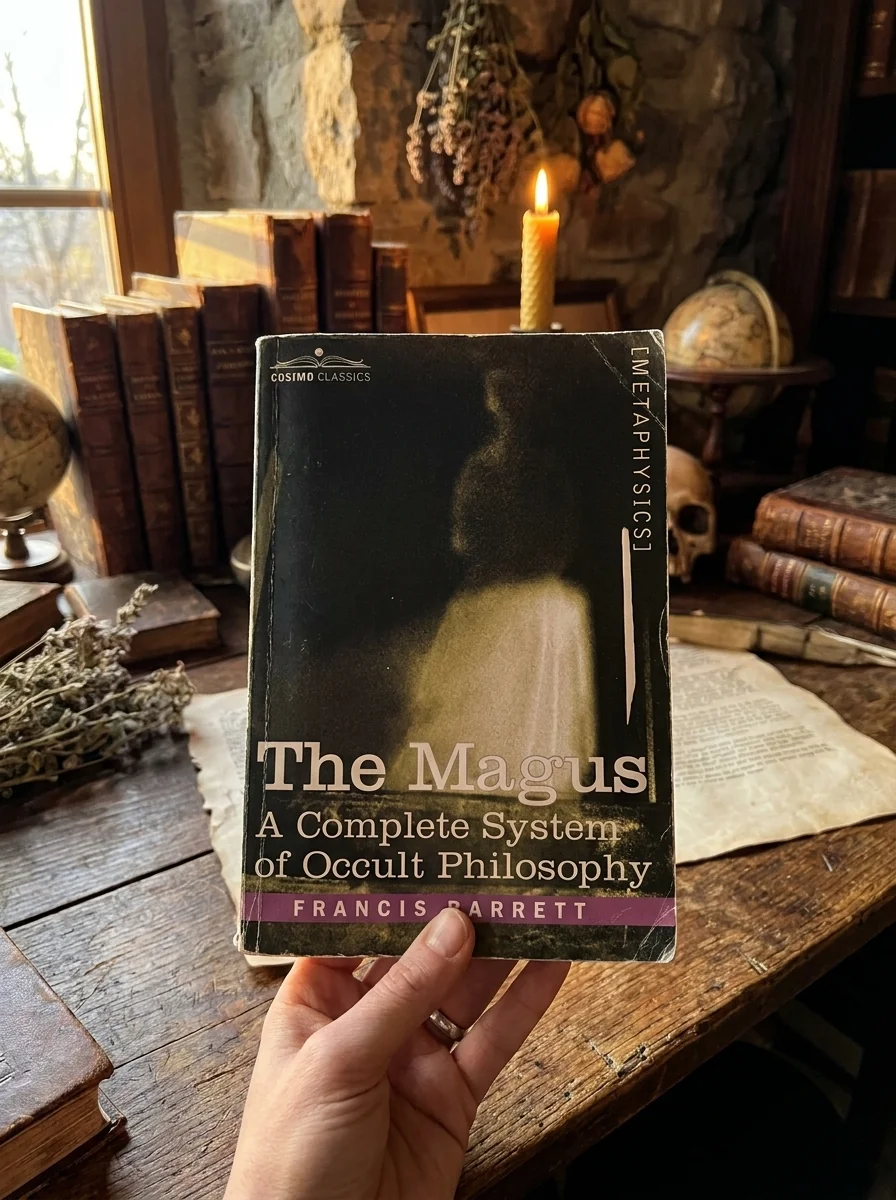
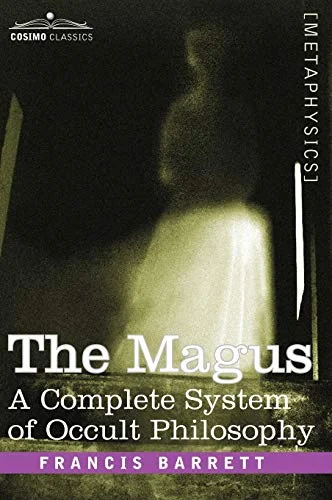
The Magus, a Complete System of Occult Philosophy
✍️ Barrett, FrancisDive into a foundational 1801 compendium of esoteric wisdom, penned by the enigmatic Francis Barrett. This monumental work meticulously unravels the complete spectrum of ritual magic, exploring both its hands-on methodologies and the profound philosophical principles that govern its efficacy. 'The Magus' stands as a singular, comprehensive guide, an ambitious attempt to consolidate the scattered tenets of occult philosophy into a coherent, accessible system for the serious student of the hidden arts.


📝 Description: The Magus, a Complete System of Occult Philosophy
💎 Expert review
📖 Why choose it
Why this book is worth reading
This book is essential for the serious student of the hidden arts who seeks to understand the foundational underpinnings of Western esotericism. It offers a comprehensive guide that consolidates scattered tenets into an accessible system, making it invaluable for those dedicated to mastering ritual magic. Readers will gain profound insight into the philosophical principles governing efficacy, moving beyond mere technique to grasp the deeper wisdom. It is ideal for scholars and practitioners who desire a complete, authoritative resource that bridges historical context with practical application, ensuring a thorough education in the forgotten arts.
⭐ Reader reviews
Reader rating
Barrett’s work stands as a singular monument in occult literature, meticulously unraveling the spectrum of ritual magic. However, it is not suited for casual readers seeking quick answers or light entertainment. The text demands patience and intellectual rigor, focusing on dense philosophical principles rather than immediate gratification. Those looking for simplified spellbooks will find little here; this is a scholarly consolidation of complex ideas. It appeals only to those willing to engage with the profound depth of esoteric tradition. While ambitious and coherent, its density may alienate anyone without a strong interest in historical occultism or rigorous philosophical study.
❓ Frequently asked questions
📖 Who should read this
If you seek a foundational, encyclopedic text on traditional Western ceremonial magic and its philosophical underpinnings, this is essential. Aspiring magicians and scholars of esotericism will find an unparalleled depth of knowledge within these pages.
🎯 Key themes and symbolism
Ritual Magic Practice
Barrett meticulously details the practical application of magical rites. From the preparation of tools and symbols to the invocation of spirits, this volume provides a step-by-step guide to ceremonial workings, emphasizing the precise actions and intentions required to manifest desired outcomes in the physical and spiritual realms. It's a handbook for the serious practitioner.
Theoretical Occult Principles
Beyond mere instruction, 'The Magus' delves deeply into the underlying philosophy of magic. Barrett explores the cosmic laws, correspondences, and universal forces that govern all esoteric phenomena. Readers gain insight into the intricate web of creation, the nature of spiritual entities, and the ethical considerations that underpin all genuine magical endeavor, grounding practice in understanding.
Synthesis of Esoteric Knowledge
This work stands out for its ambitious attempt to unify diverse strands of occult thought. Barrett draws from ancient texts, Kabbalah, astrology, and alchemy, weaving them into a cohesive narrative. He presents magic not as isolated spells, but as a grand, interconnected system of knowledge, aiming to offer a complete curriculum for spiritual and magical development.
📜 Historical context
📚 Glossary
- Occultism
- Mysticism
- Ritual Magic
📔 Questions to reflect on
- Reflect on a modern belief or practice that might be considered 'occult' by a historical figure like Barrett. What are its hidden principles?
- How do you perceive the balance between 'theory' and 'practice' in your own spiritual or esoteric interests? Where might you seek more depth in either area?
- Consider the idea of a 'complete system' of knowledge. What are the advantages and disadvantages of such an ambitious undertaking in any field of study?