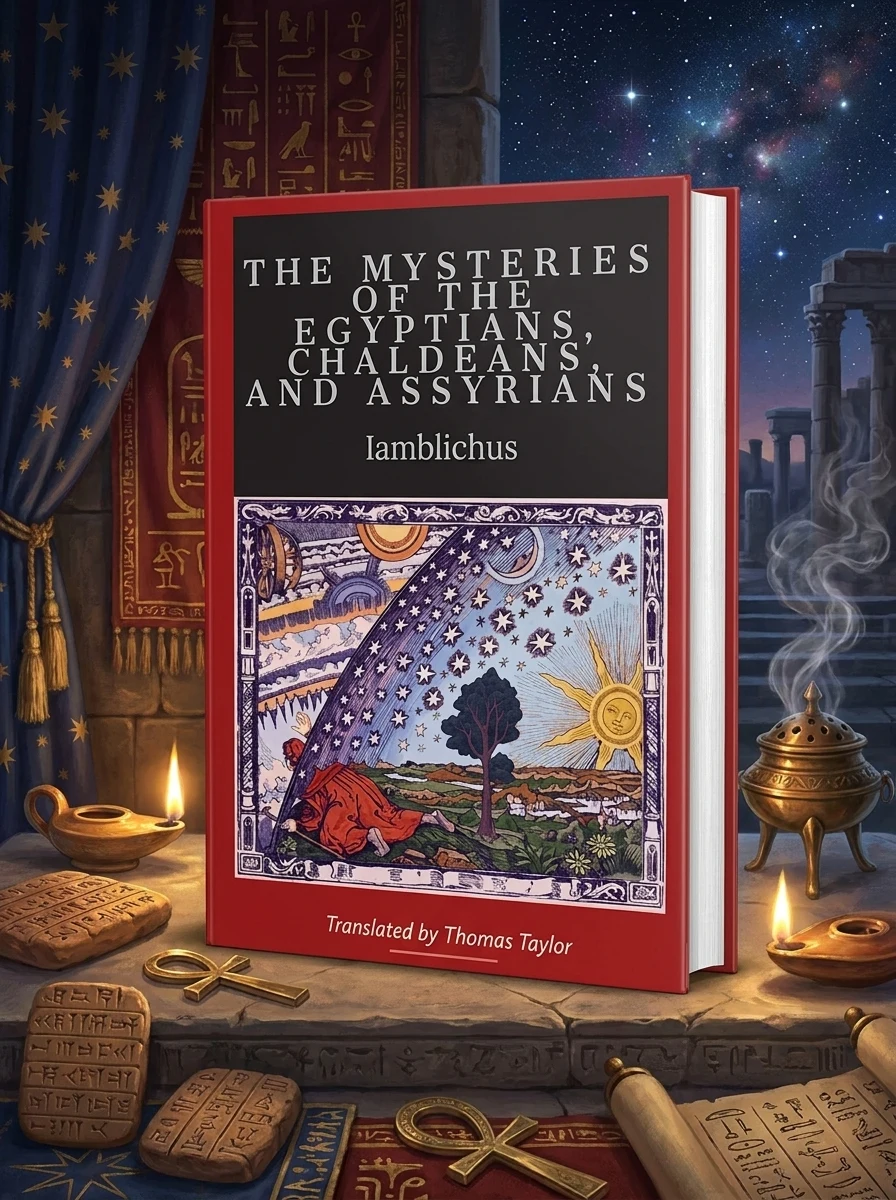
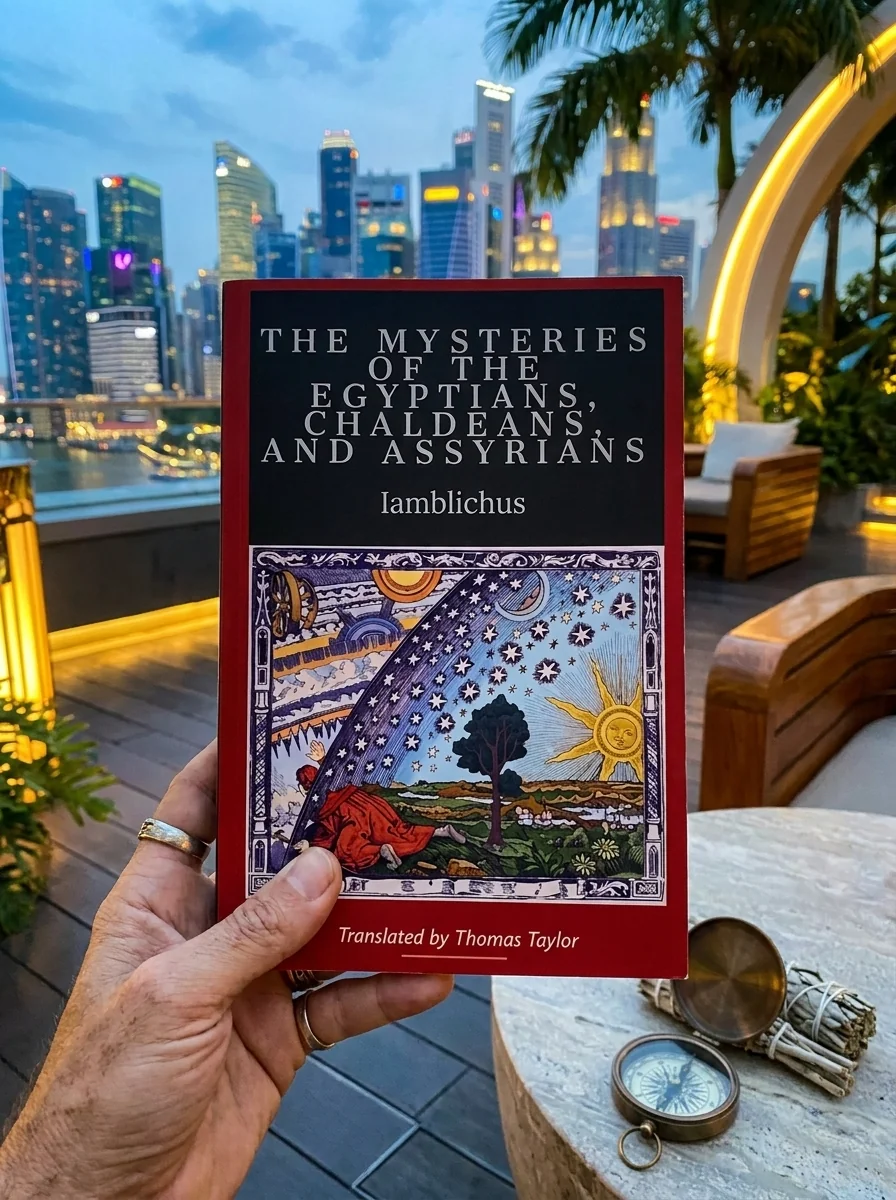
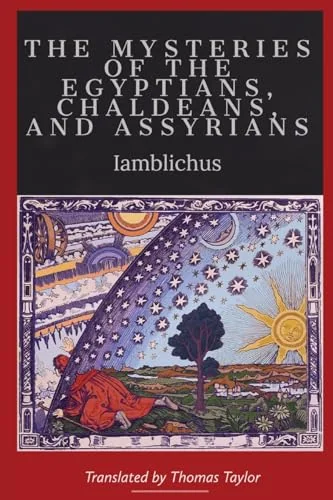
On the Mysteries of the Egyptians, Chaldeans, and Assyrians
✍️ IamblichusDelve into the profound depths of ancient spiritual practices with Iamblichus's seminal Neoplatonic treatise, "On the Mysteries." This foundational text, also known by its Latin title "De Mysteriis Aegyptiorum," explores the intricate relationship between humanity and the divine through the lens of Egyptian, Chaldean, and Assyrian wisdom traditions. It presents a robust defense and detailed exposition of theurgy – the divine science of ritual magic – as a pathway to spiritual ascent and direct communion with higher powers, offering unparalleled insights into the philosophical underpinnings of mystical engagement.


📝 Description: On the Mysteries of the Egyptians, Chaldeans, and Assyrians
💎 Expert review
📖 Why choose it
Why this book is worth reading
Readers deeply interested in the historical evolution of spiritual ascent will find profound value in this work. It offers unparalleled insights into how ancient thinkers viewed the relationship between humanity and the divine through ritual magic. Those seeking to understand the philosophical underpinnings of direct communion with higher powers will appreciate its detailed exposition of theurgy. This book is essential for scholars and practitioners who wish to delve into the intricate mechanisms of mystical engagement as understood by early Neoplatonists. It provides a robust framework for viewing ritual not merely as performance, but as a vital pathway for spiritual elevation and understanding of ancient divine sciences.
⭐ Reader reviews
Reader rating
Iamblichus presents a complex and dense argument for the necessity of ritual in spiritual life. While intellectually rigorous, it may frustrate readers seeking straightforward practical instruction or modern psychological interpretations. Those expecting accessible contemporary occultism will likely find the philosophical structure overly abstract and archaic. The text is best suited for academic study or serious historical inquiry rather than casual reading. It demands patience and a willingness to engage with Neoplatonic metaphysics. Readers looking for simple answers to mystical questions should look elsewhere, as this work prioritizes doctrinal defense over immediate gratification.
❓ Frequently asked questions
📖 Who should read this
For the serious student of ancient philosophy, ritual magic, or spiritual development, this volume is indispensable. If you seek to understand the intellectual foundations of theurgy and the mystical practices of the ancient world, Iamblichus offers profound and challenging insights.
🎯 Key themes and symbolism
Theurgy and Divine Ritual
Iamblichus meticulously outlines the principles and efficacy of theurgy, distinguishing it from mere magic. He argues that sacred rites are not superstitious acts but divinely ordained methods for the soul to purify itself and ascend, facilitating genuine interaction with gods and daemons, rather than compelling them.
Neoplatonic Mysticism
This text serves as a cornerstone of late Neoplatonic thought, advocating for a practical, ritualistic path to spiritual enlightenment alongside intellectual contemplation. Iamblichus synthesizes earlier Platonic ideas with a defense of traditional polytheistic practices, positing that material rituals are essential for the soul's ascent to the One.
Ancient Esoteric Traditions
The author draws extensively upon the perceived wisdom of Egyptian, Chaldean, and Assyrian priests and sages. He posits that their ancient mysteries contain profound truths about the cosmos and humanity's place within it, offering a defense of their religious practices as legitimate conduits for divine knowledge and power.
📜 Historical context
📚 Glossary
- Theurgy
- Neoplatonism
- Daemons
📔 Questions to reflect on
- How might the modern understanding of "magic" differ from Iamblichus's concept of "theurgy," and what are the implications of this distinction for spiritual practice?
- Consider the role of ritual in your own spiritual or daily life. Does Iamblichus's defense of sacred rites resonate with your experiences or challenge your assumptions?
- If, as Iamblichus suggests, ancient traditions hold profound truths, what contemporary practices or beliefs might be considered modern "mysteries" worthy of similar defense?