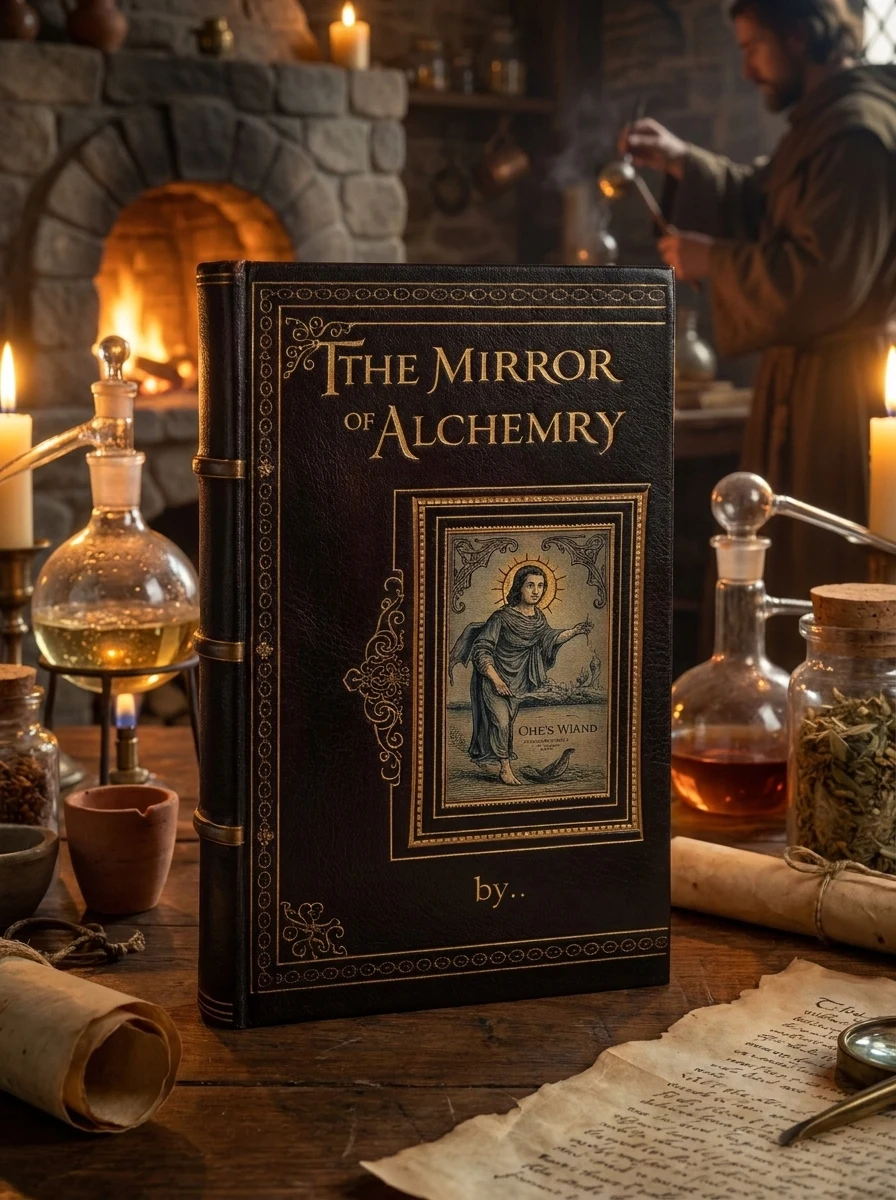
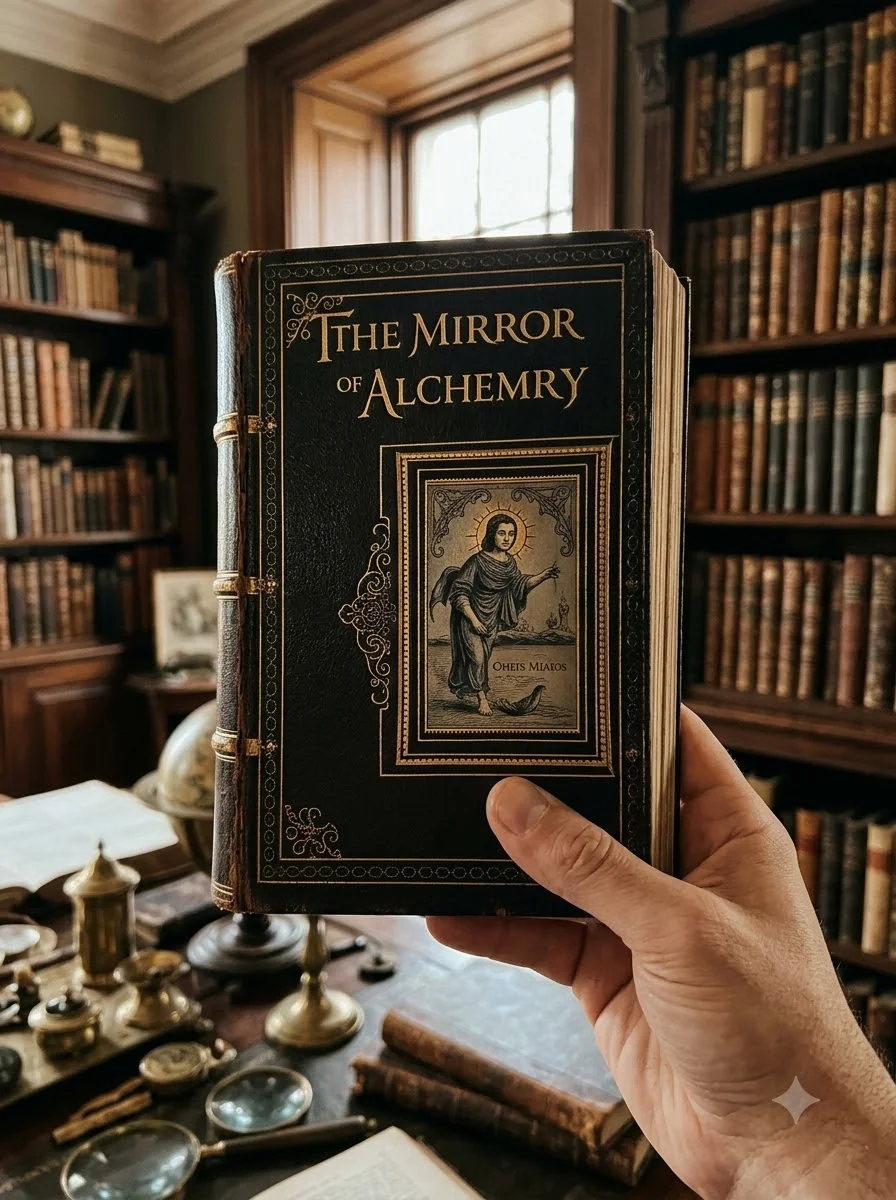

The Mirror of Alchemy
✍️ Bacon, RogerStep into the foundational world of Western alchemy with this pivotal text, traditionally linked to the legendary Roger Bacon. First appearing in English in 1597, this concise yet profound manual, known in Latin as "Speculum Alchemiae," offers a rare glimpse into the intellectual currents that shaped early esoteric thought. It explores the principles of the Great Work, not merely as a quest for material riches, but as a philosophical and spiritual journey toward perfection, laying bare the theoretical underpinnings of alchemical practice.


📝 Description: The Mirror of Alchemy
💎 Expert review
📖 Why choose it
Why this book is worth reading
Readers seeking the intellectual roots of Western esotericism will find profound value in this concise manual. It is ideal for those who view alchemy not merely as a precursor to chemistry, but as a serious philosophical and spiritual discipline aimed at inner perfection. This book appeals to scholars and practitioners alike who wish to understand how matter and spirit converge in the quest for transformation. By exploring the theoretical underpinnings of the Great Work, it offers a rare glimpse into the currents that shaped early esoteric thought. It is essential for anyone interested in the historical development of occult sciences and the enduring legacy of Roger Bacon's legendary contributions to this mysterious field.
⭐ Reader reviews
Reader rating
This volume provides an insightful look into the philosophical dimensions of alchemy, making it a valuable resource for students of history and spirituality. However, it does not suit readers seeking practical laboratory instructions or straightforward narrative fiction. Those expecting modern scientific explanations or purely materialistic outcomes will likely find its abstract nature frustrating. The text demands patience and a willingness to engage with dense theoretical concepts rather than actionable steps. It is best appreciated by those already familiar with the broader context of Western esoteric traditions who can appreciate its role in shaping early intellectual currents regarding spiritual perfection.
❓ Frequently asked questions
📖 Who should read this
If you are fascinated by the origins of Western esotericism, the philosophical underpinnings of alchemy, or the intellectual history of science and magic, this foundational work is an indispensable addition to your library. Delve into the mind of a pivotal figure in occult history.
🎯 Key themes and symbolism
The Great Work Unveiled
This text illuminates the multifaceted nature of the alchemical Great Work, moving beyond superficial interpretations. It posits that true alchemy is a process of perfecting natural substances, aiming for a heightened state of existence. Readers will discover the philosophical underpinnings of this magnum opus, understanding it as both a physical and metaphysical endeavor for ultimate refinement.
Pursuit of the Philosopher's Stone
Central to the alchemical tradition, the Philosopher's Stone is presented here not just as a mythical object, but as the ultimate goal of the art. The book discusses its conceptual properties: a universal panacea, a catalyst for transmuting base metals into gold, and a key to eternal youth. It delves into the theoretical pathways to its creation, encouraging deep contemplation.
Alchemy as Natural Philosophy
The Mirror of Alchemy positions alchemical practice within the broader context of natural philosophy. It argues that understanding the hidden laws and processes of nature is essential for successful alchemical operations. This theme highlights how observation, reason, and esoteric insight intertwine to unlock the universe's deepest secrets, revealing a cosmos interconnected and alive with potential.
📜 Historical context
📚 Glossary
- Alchemy
- Philosopher's Stone
- Magnum Opus
📔 Questions to reflect on
- Consider a personal 'base metal' in your life – a habit, belief, or aspect of self – and reflect on what processes or insights might transform it into 'gold'.
- How do you perceive the 'hidden correspondences' in your own environment or experiences? What does Bacon's approach suggest about unlocking deeper meaning in the everyday?
- If the Philosopher's Stone represents ultimate wisdom or perfection, what would your personal quest for such a 'stone' entail in today's world?




![How to Manifest: Bring Your Goals Into Alignment with the Alchemy of the Universe [A Manifestation Book]](/img/how-to-manifest-bring-your-goals-into-alignment-with-the-alchemy-of-the-universe-a-manifestation-book-scene.webp)