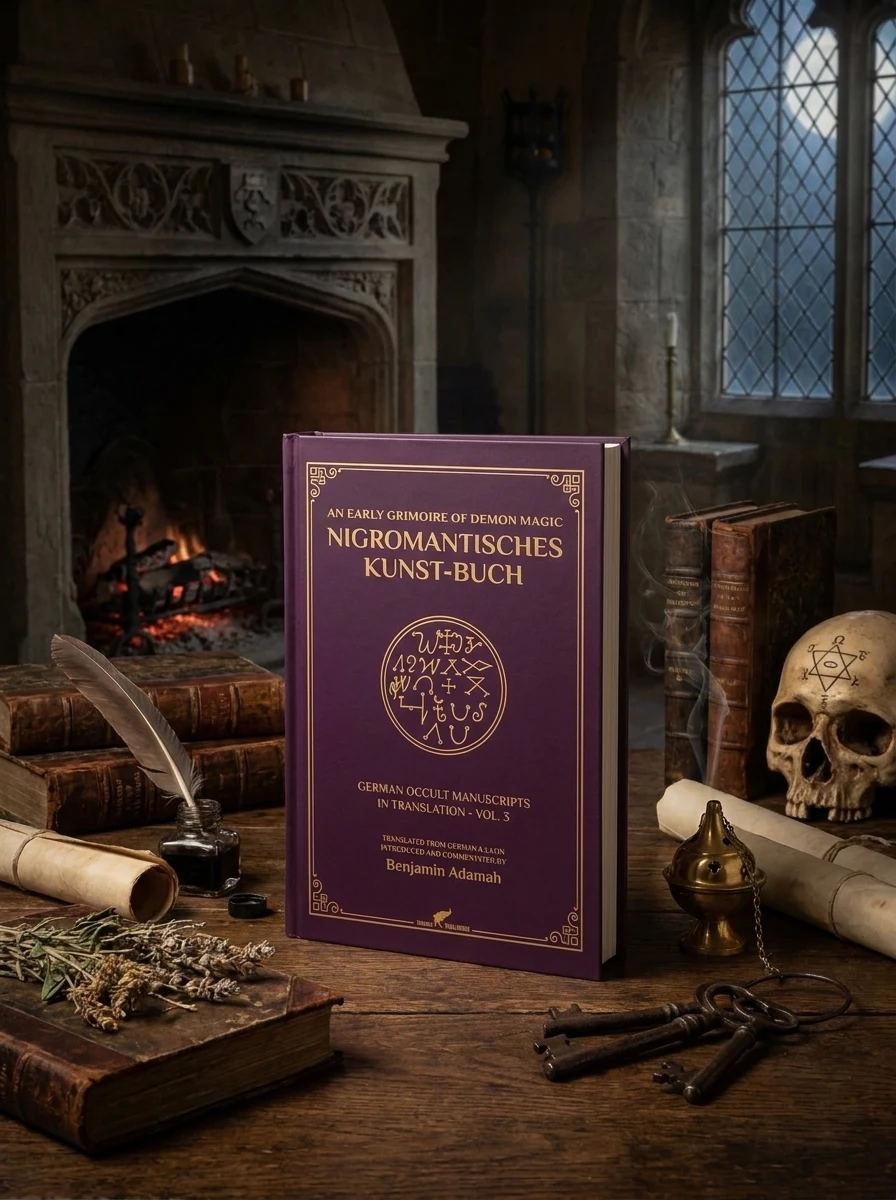
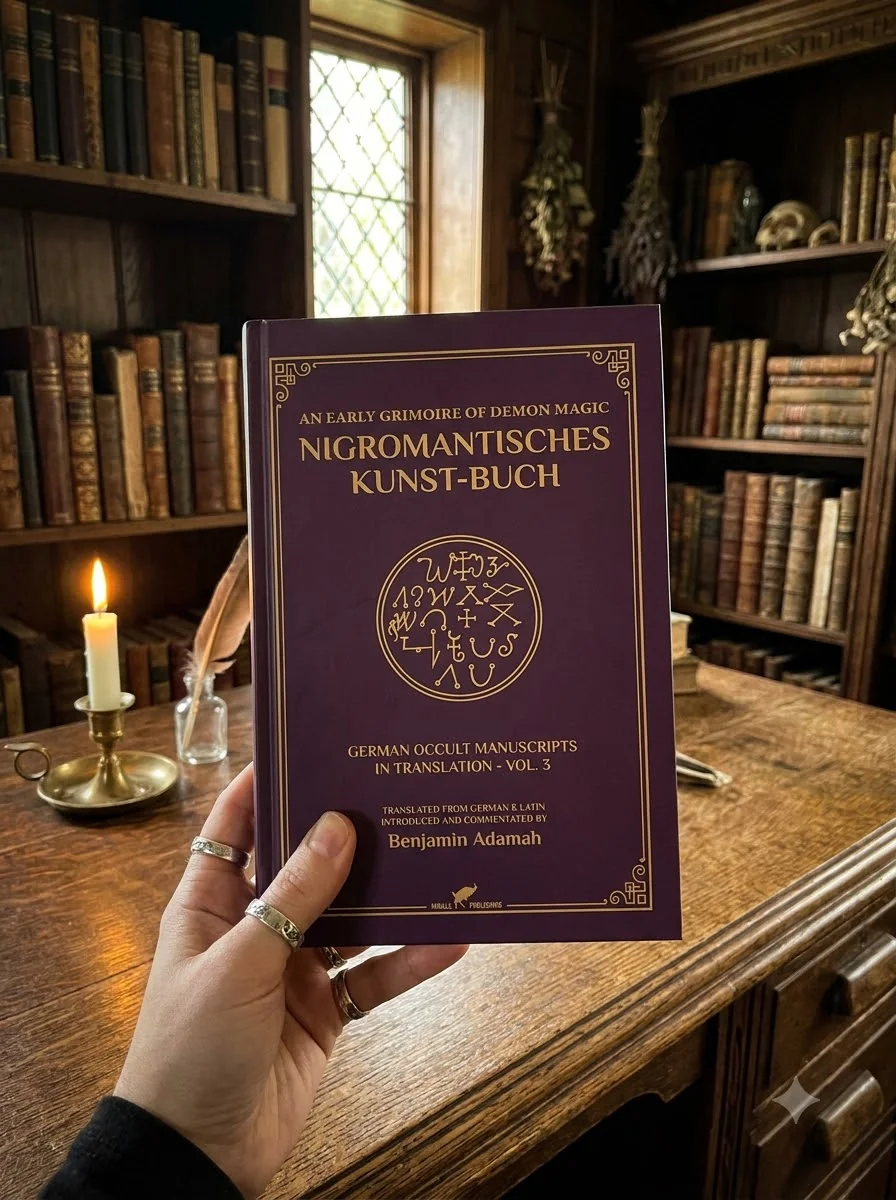
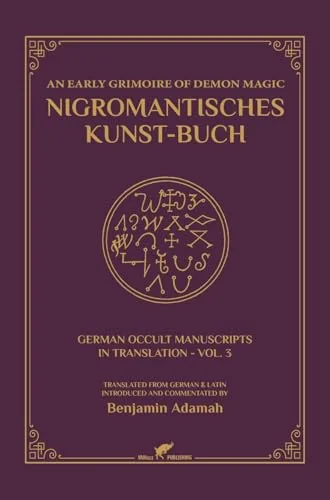
Nigromantisches Kunst-Buch: An Early Grimoire of Demon Magic
✍️ Adamah, Benjamin; , Adamah, BenjaminThis groundbreaking first English translation unveils the "Nigromantisches Kunst-Buch," a significant German grimoire devoted to demon magic. Likely dating from the 17th century with even older roots, its pages resonate with a distinct Faustian energy. Scholars and practitioners alike will find its more than 80 original illustrations compelling, featuring intricate magical circles and unique sigils of great infernal princes like Astaroth and Beelzebub, each detailed with their specific tasks. This volume offers an unprecedented look into a rare and historically vital magical text.


📝 Description: Nigromantisches Kunst-Buch: An Early Grimoire of Demon Magic
💎 Expert review
📖 Why choose it
Why this book is worth reading
Scholars and serious practitioners seeking to understand the historical roots of demonology will find this volume indispensable. The first English translation makes this rare 17th-century German grimoire accessible, offering more than just text but over eighty original illustrations that provide visual context for the rituals. Readers interested in the specific tasks associated with infernal princes like Astaroth and Beelzebub will appreciate the detailed sigils and magical circles included here. It serves as a unique window into a distinct Faustian energy, preserving wisdom that might otherwise remain locked in obscure archives. This is not for casual readers but for those dedicated to uncovering the tangible history of ceremonial magic.
⭐ Reader reviews
Reader rating
This translation is a significant contribution to esoteric studies, unveiling a historically vital text with compelling visual aids. However, it is strictly for those with an academic or serious practical interest in the darker aspects of ceremonial magic. It does not suit casual readers seeking lighthearted fantasy or modern self-help occultism. The dense historical context and specific ritualistic nature may alienate those unfamiliar with grimoire structures. While the illustrations are a highlight, the text requires patience and prior knowledge to fully appreciate its value in the lineage of infernal conjuration.
❓ Frequently asked questions
📖 Who should read this
For serious scholars of demonology, historical occultists, or those fascinated by Europe's secret magical traditions, this volume offers an unparalleled glimpse. Not for the faint of heart, it provides authentic knowledge of historical infernal arts.
🎯 Key themes and symbolism
Infernal Conjuration Arts
Delve into the intricate methodologies for summoning and commanding demonic entities. This grimoire provides specific instructions and detailed sigils for a pantheon of infernal princes, outlining their attributed powers and the tasks they can be compelled to perform, offering a unique glimpse into historical demonological practice and belief systems.
Grimoire Tradition & Lineage
Explore the historical trajectory of magical texts through this rare German example. With roots reaching back further than its 17th-century estimated origin and a mysterious journey through monastic collections, the book exemplifies the enduring and often hidden lineage of European occult knowledge, connecting it to earlier 'Faustian' traditions.
Visual Esoterica & Sigils
Discover the profound importance of visual elements in historical magic. The extensive collection of over 80 original illustrations, including elaborate magical circles and unique sigils for prominent demons, is central to the grimoire's efficacy and aesthetic. These intricate designs serve not merely as decoration, but as potent tools for ritual and connection.
📜 Historical context
📚 Glossary
- Nigromantisches Kunst-Buch
- Grimoire
- Sigil
📔 Questions to reflect on
- How does the historical context of a text like the 'Nigromantisches Kunst-Buch' influence our modern understanding of demonology and magic?
- Reflect on the ethical implications of seeking knowledge or power through the conjuration of infernal entities, both historically and in contemporary thought.
- Consider the role of visual elements, such as sigils and magic circles, in conveying magical power and intention within ancient grimoires.