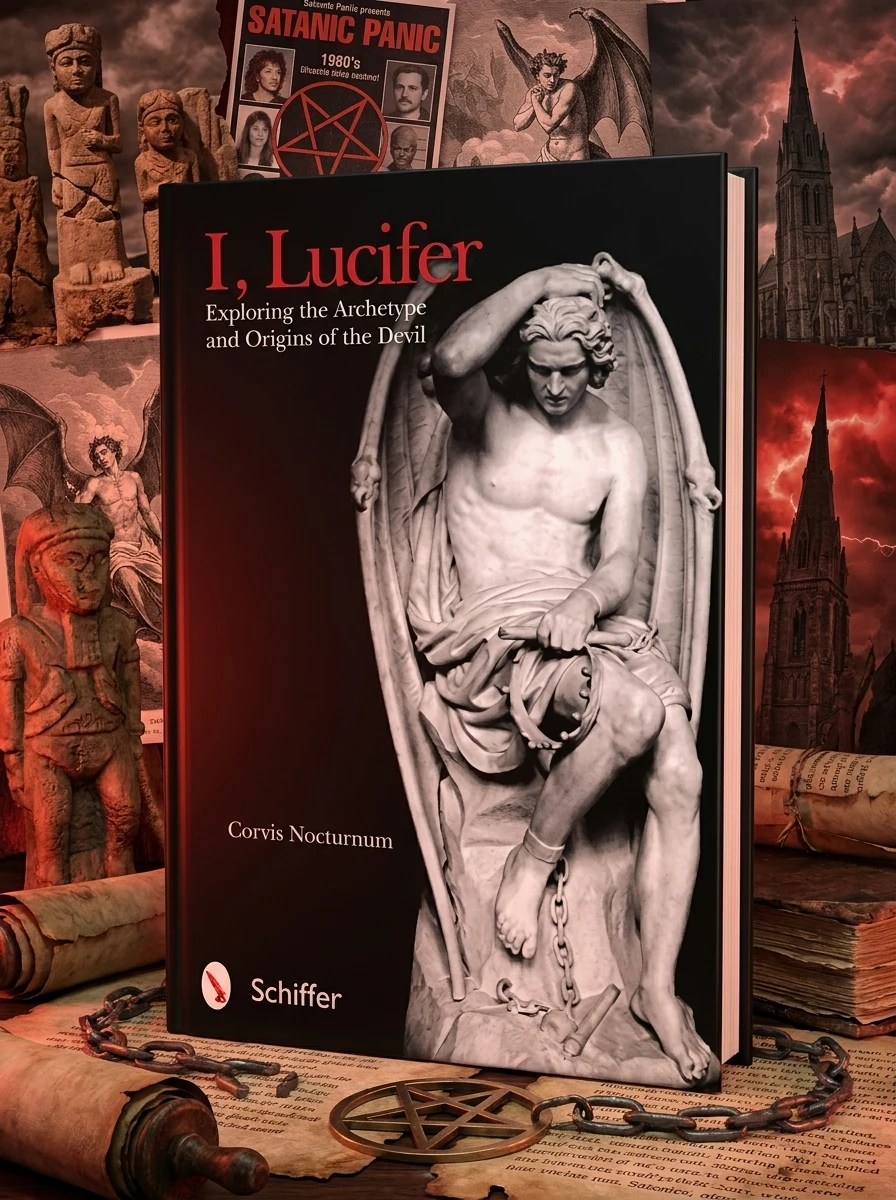

I. Lucifer: Exploring the Archetype and Origins of the Devil
This edition can be ordered. No arrival date is confirmed.
Unmask the evolving enigma of Lucifer, from ancient myth to modern charm, within this daring exploration.
This compelling volume invites readers to transcend traditional dogma and embark on a comprehensive journey through the complex archetype of Lucifer. From his ancient, diverse origins across various spiritual traditions to his surprising modern allure, the book meticulously traces his transformation. It delves into how cultural shifts, from the suppression of pagan beliefs to the "Satanic Panic" era, have reshaped his image. Examining his reinterpretation by Romantic poets and the Church of Satan, alongside his portrayal in popular media, Corvis Nocturnum unveils the profound impact of this mythic figure on human consciousness.
This work sits firmly within the realm of occult philosophy and esoteric history, challenging traditional religious dogmas by re-examining mythic archetypes through a secular and historical lens.


📝 Description: I. Lucifer: Exploring the Archetype and Origins of the Devil
💎 Expert review
📖 Why choose it
Why this book is worth reading
Readers seeking to understand the deeper psychological and cultural roots of Western mythology will find this volume particularly rewarding. It is ideal for those weary of rigid religious interpretations who wish to explore the nuanced evolution of the Lucifer archetype from ancient times to modern pop culture. By tracing his transformation through pagan suppression, Romantic poetry, and contemporary media, the book offers a liberating perspective on how myth shapes human consciousness. If you are curious about the intersection of spirituality, history, and psychology, this daring exploration provides a comprehensive journey that transcends traditional boundaries, offering insight into why this figure remains so compelling and relevant today.
⭐ Reader reviews
Reader rating
Corvis Nocturnum delivers a meticulous and engaging study that successfully bridges ancient myth with modern allure. The analysis of cultural shifts, from the 'Satanic Panic' to Romantic reinterpretations, is thorough and insightful. However, readers expecting a theological defense or a simple guide to Satanism may find this historical and archetypal approach too academic or detached. It does not suit those who prefer dogmatic religious texts or straightforward fantasy narratives. Instead, it appeals to the intellectually curious mind ready to deconstruct a complex symbol. While some might desire more practical application of these concepts, the scholarly depth makes it a valuable addition to any serious collection on esoteric history and mythological studies.
❓ Frequently asked questions
📖 Who should read this
If you're ready to challenge entrenched beliefs about a foundational mythic figure and explore the complex interplay between religion, culture, and psychology, this book is essential. It's for those who seek depth beyond dogma, curious about the enduring power of archetypes.
🎯 Key themes and symbolism
Archetypal Evolution of Lucifer
This book meticulously charts how the figure of Lucifer has transformed across millennia. It examines his shifting roles from diverse ancient pantheons to his contemporary interpretations, showcasing how this potent symbol adapts to cultural anxieties and intellectual currents, continuously mirroring humanity's evolving understanding of rebellion and enlightenment.
Cultural Echoes & Repression
Delve into the profound societal influence of Lucifer's image. The text explores historical instances of dogmatic suppression against alternative spiritualities, tracing its lineage through the "Satanic Panic" of recent decades. It highlights how fear and prejudice have frequently shaped and distorted public perception of this controversial figure.
Reimagining the Adversary
Explore how artists, philosophers, and alternative spiritual movements have actively recontextualized Lucifer. From the Romantic poets who saw him as a symbol of intellectual rebellion to Anton LaVey's philosophical Satanism, and his nuanced portrayals in modern media, this theme reveals how the adversary's narrative is continually being rewritten.
💬 Quotes from the book
“The Luciferian current is not static; it is a river of symbolism, constantly reshaped by human fears, aspirations, and the shifting sands of cultural narrative.”
“To truly understand the figure we call 'the Devil,' one must journey beyond Sunday school narratives and recognize the interwoven threads borrowed from countless ancient deities and forgotten pantheons.”
📜 Historical context
📚 Glossary
- Archetype
- Dogmatic Repression
- Satanic Panic
📔 Questions to reflect on
- How have your own preconceived notions about 'the Devil' been challenged or affirmed by this exploration?
- In what contemporary cultural expressions do you see the Luciferian archetype manifesting today, and what does it reveal about our society?
- Consider the historical periods discussed; how might the societal anxieties of those times have influenced the shaping of the Lucifer myth?
🏛 Books from this publisher Redfeather
All books from this publisher →

 89
89
 86
86




You might also like
See more → 91
91
 89
89

 88
88