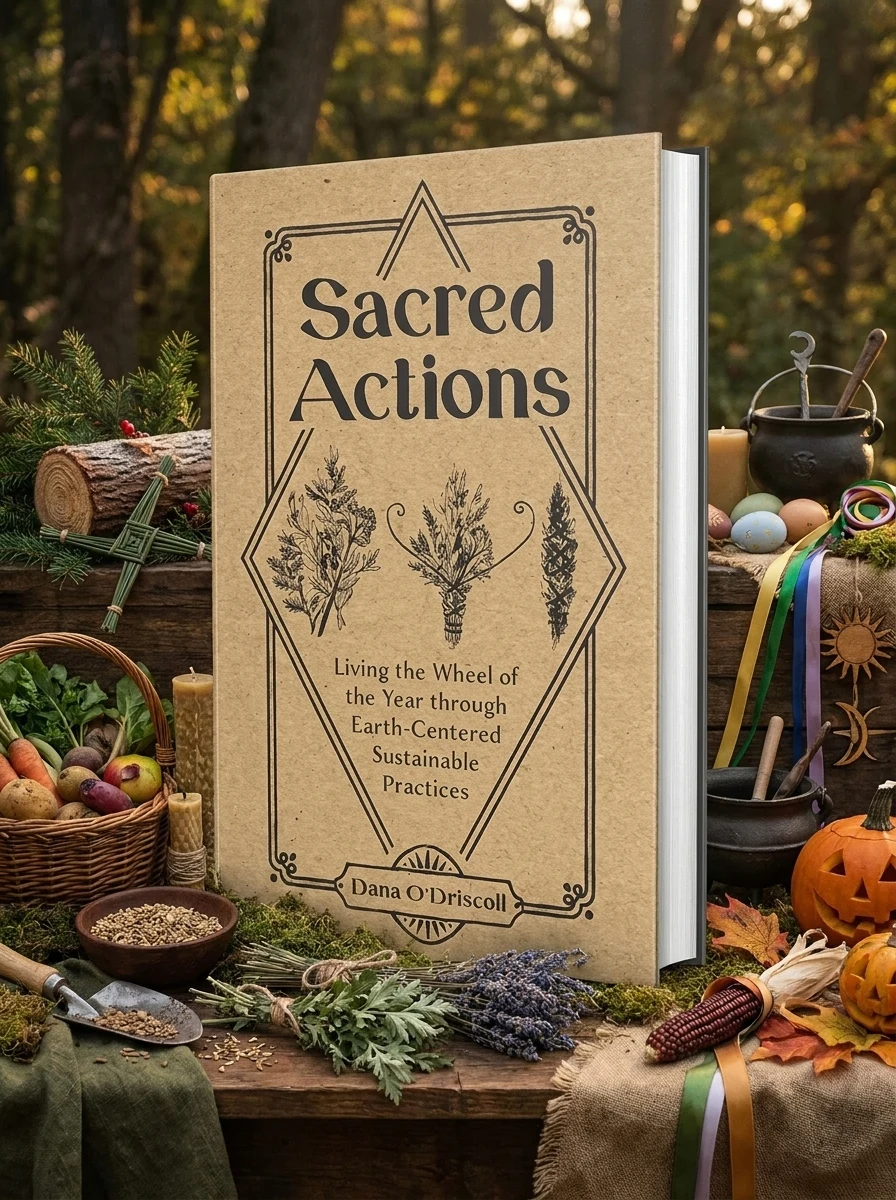
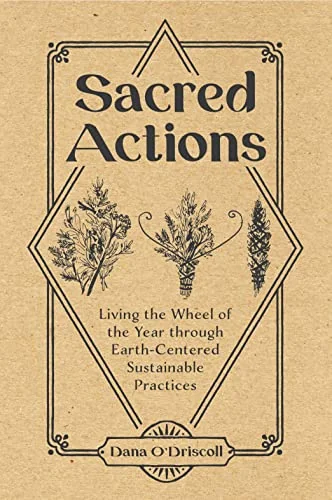
Sacred Actions: Living the Wheel of the Year Through Earth-Centered Sustainable Practices
Dana O'Driscoll's insightful guide addresses a common challenge for Earth-centered practitioners: how to seamlessly weave sustainable living into spiritual practice. This book introduces "sacred actions," a concept that merges ecological responsibility with pagan principles. Drawing upon the "people care, earth care, fair share" ethics, it provides a comprehensive framework for living sustainably through a neopagan lens. Readers will discover a wealth of accessible activities, rituals, and tools, all thoughtfully organized around the eight festivals of the Wheel of the Year, making personal empowerment through sustainability a tangible, spiritual journey.


📝 Description: Sacred Actions: Living the Wheel of the Year Through Earth-Centered Sustainable Practices
💎 Expert review
📖 Why choose it
Why this book is worth reading
Readers who feel a deep spiritual pull toward nature but struggle to reconcile their eco-conscious values with traditional ritual will find this book invaluable. It is perfect for the neopagan seeking practical ways to embody 'earth care' without feeling overwhelmed by abstract theory. If you desire to transform mundane daily choices into profound spiritual acts, this guide offers a structured yet accessible framework. It empowers those who wish to align their sustainable living with the Wheel of the Year, turning ecological responsibility into a tangible path of personal growth and spiritual connection.
⭐ Reader reviews
Reader rating
O'Driscoll successfully bridges the gap between pagan spirituality and practical environmentalism through the concept of 'sacred actions.' The organization around the eight festivals makes the content highly usable for ritual planning. However, it may not suit readers seeking dense theological debate or those who prefer rigid, traditional Wiccan structures over flexible, modern adaptations. It is also less relevant for non-earth-centered traditions. While some might find the 'fair share' ethics slightly idealistic, the actionable advice remains a strong resource for integrating sustainability into daily pagan life.
❓ Frequently asked questions
📖 Who should read this
If you seek to deepen your connection to the Earth through practical, spiritual living, or wish to integrate your pagan beliefs with sustainable practices, this guide offers actionable insights and inspiration to infuse your daily life with sacred intent.
🎯 Key themes and symbolism
Integrated Sustainable Spirituality
This work explores how everyday eco-conscious decisions can be elevated into acts of devotion. It champions a holistic approach where environmental stewardship isn't a separate duty but an intrinsic part of one's spiritual path, bridging the gap between pagan belief and practical, sustainable living.
Seasonal Rhythms & Ritual
The book meticulously structures its teachings around the Wheel of the Year, offering specific themes and activities tied to each of the eight seasonal holidays. This framework guides practitioners to align their sustainable efforts with natural cycles, from home and hearth practices to garden care and mindful consumption.
Ethical Living Framework
At its core, the book delves into the "people care, earth care, and fair share" ethics. It demonstrates how these principles form a foundational guide for comprehensive sustainable living, ensuring that ecological practices are not only good for the planet but also equitable and beneficial for communities.
📜 Historical context
📚 Glossary
- Wheel of the Year
- Neopaganism
- Earth-Centered Spirituality
📔 Questions to reflect on
- Consider one daily habit you could transform into a 'sacred action.' What intention would you bring to it, and how would that shift your perspective?
- Which aspect of the Wheel of the Year resonates most with your current sustainable living goals? How might you deepen that connection through a specific practice?
- Reflect on the 'people care, earth care, fair share' ethics. Where do you find your greatest strengths in these areas, and where might you consciously choose to grow?