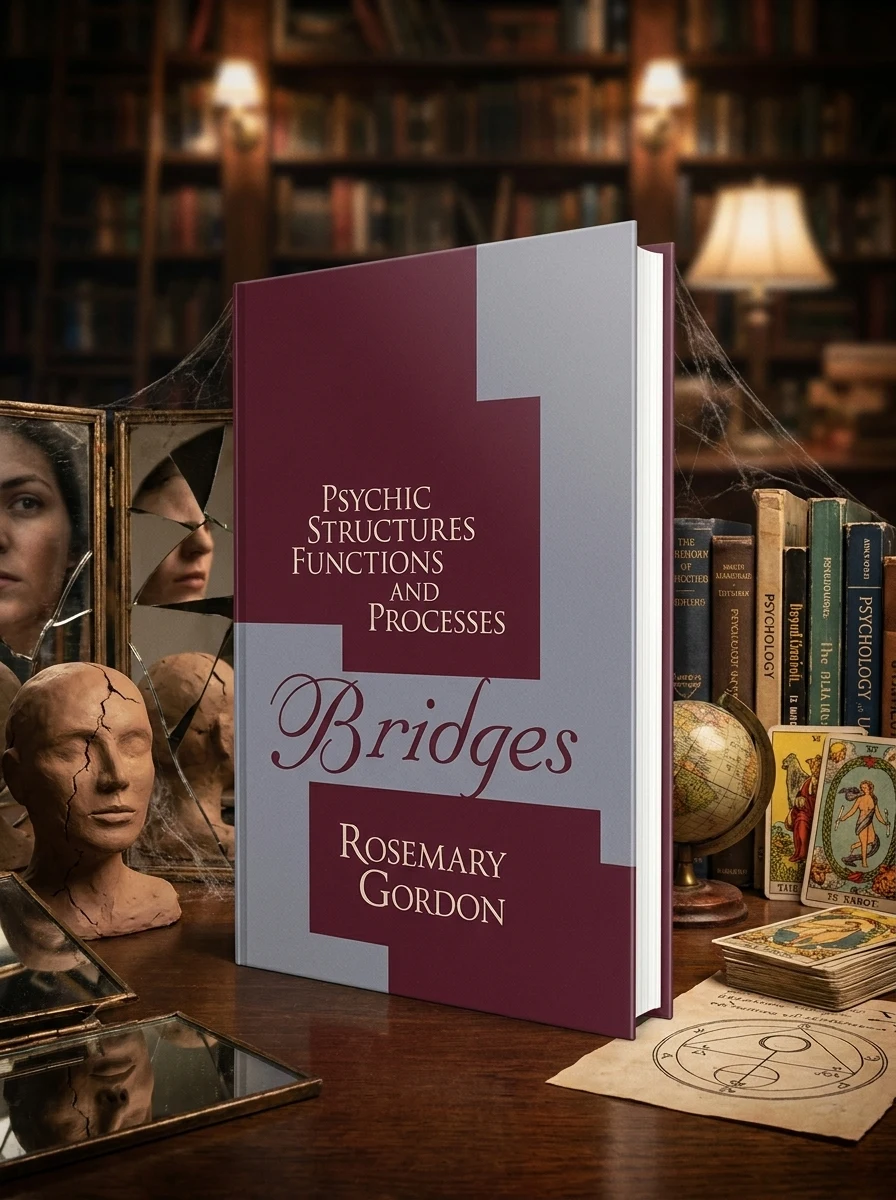
Bridges: Psychic Structures, Functions, and Processes Gordon, Rosemary
Gordon, RosemaryStock reported in the catalog; fulfillment is confirmed with your request.
Rosemary Gordon maps the hidden architecture of the soul in this profound exploration of psychic bridges.
Rosemary Gordon dismantles the rigid boundaries between clinical psychology and spiritual experience, offering a fresh lens through which to view the psyche. She challenges conventional notions of the self, arguing that our internal reality is not static but fluid, constructed through dynamic psychic structures. By carefully distinguishing between the symbol itself and the visceral experience of symbolism, Gordon invites readers to look beyond surface interpretations. This text serves as both a scholarly resource and a meditative guide, encouraging a deeper engagement with the mysterious processes that bind mind, body, and spirit into a cohesive, albeit complex, whole.
This work sits at the intersection of clinical psychology and esoteric philosophy, reflecting a modern scholarly effort to bridge empirical mental health studies with spiritual experience. It belongs to a tradition of depth psychology that seeks to validate internal, subjective realities through rigorous structural analysis.


📝 Description: Bridges: Psychic Structures, Functions, and Processes Gordon, Rosemary
💎 Expert review
📖 Why choose it
Why this book is worth reading
Readers seeking to understand the complex interplay between their inner emotional landscapes and broader spiritual frameworks will find immense value here. Rosemary Gordon offers a vital service by dismantling rigid boundaries, allowing those who feel disconnected from traditional clinical or purely mystical approaches to find a cohesive middle ground. This book is essential for therapists, psychologists, and deep seekers who wish to view the psyche not as a static entity but as a fluid construction of dynamic processes. It provides the tools to distinguish between mere symbols and the visceral experience of symbolism, fostering a deeper, more authentic engagement with the mysterious forces binding mind, body, and spirit together in a meaningful whole.
⭐ Reader reviews
Reader rating
I keep coming back to this one. You can tell why this work has endured. The ideas are old but land with surprising force today. Glad I finally picked this up.
Arrived faster than expected and well packaged. Some sections stopped me cold in the best way. A keeper.
Grabbed this during a weekend order. The ideas are old but land with surprising force today. The typesetting is comfortable for study, with good margins for notes. It assumes more background than a beginner might have.
Added this to my reference shelf. The text itself is dense but rewarding — you get out what you put in.
My book club chose this last month. The symbolism is layered and generous to patient readers. Well worth it.
My third book from this store and this one might be the best. It pairs well with more modern commentaries on the same tradition. It assumes more background than a beginner might have. Good, with the caveats above.
Gordon’s text is a dense, scholarly resource that demands patience and intellectual rigor from its audience. While it offers a profound exploration of psychic structures, it may frustrate readers looking for accessible self-help advice or straightforward spiritual dogma. The distinction between symbol and visceral experience requires careful, meditative reading rather than casual consumption. It does not suit those seeking quick fixes or simplistic interpretations of the soul’s architecture. However, for those willing to engage with its complex theoretical framework, it provides a fresh, vital lens for viewing the psyche beyond conventional clinical or spiritual binaries.
❓ Frequently asked questions
📖 Who should read this
Readers who feel the limitations of traditional psychoanalysis and seek a more holistic, spiritually integrated approach to understanding human behavior. Ideal for therapists, occultists, and anyone interested in the intersection of depth psychology and metaphysical inquiry.
🎯 Key themes and symbolism
Reimagining the Self
Gordon moves beyond the ego-centric view of identity, proposing that the self is a bridge rather than a fortress. She explores how personal history and collective unconscious interact, suggesting that our sense of 'I' is constantly negotiated through psychic connections with others and the archetypal world.
Symbol vs. Experience
The author draws a critical line between the intellectual understanding of a symbol and the raw, transformative power of actually living through it. This distinction is vital for therapists and seekers alike, as it highlights the difference between knowing about a mystery and being altered by it.
Clinical Meets Cultural
Bridging the gap between the therapy room and the broader cultural landscape, Gordon shows how individual psychic structures reflect and are shaped by societal norms. She argues that clinical issues cannot be fully understood without acknowledging the cultural symbols that give them meaning and form.
💬 Quotes from the book
“The self is not a destination, but a bridge crossed in the act of becoming.”
“To know the symbol is to map the territory; to live it is to walk the land.”
📜 Historical context
📚 Glossary
- Psychic Structure
- Symbolic Experience
- Psyche
📔 Questions to reflect on
- When was the last time you felt a symbol change you emotionally, rather than just intellectually?
- How do the 'bridges' in your life connect your personal history to your current sense of self?
- In what ways does your cultural environment shape the way you perceive your own psychic structures?
✍️ More books by this author Gordon, Rosemary
All books by this author →
🏛 Books from this publisher Routledge
All books from this publisher →
 89
89
You might also like
See more →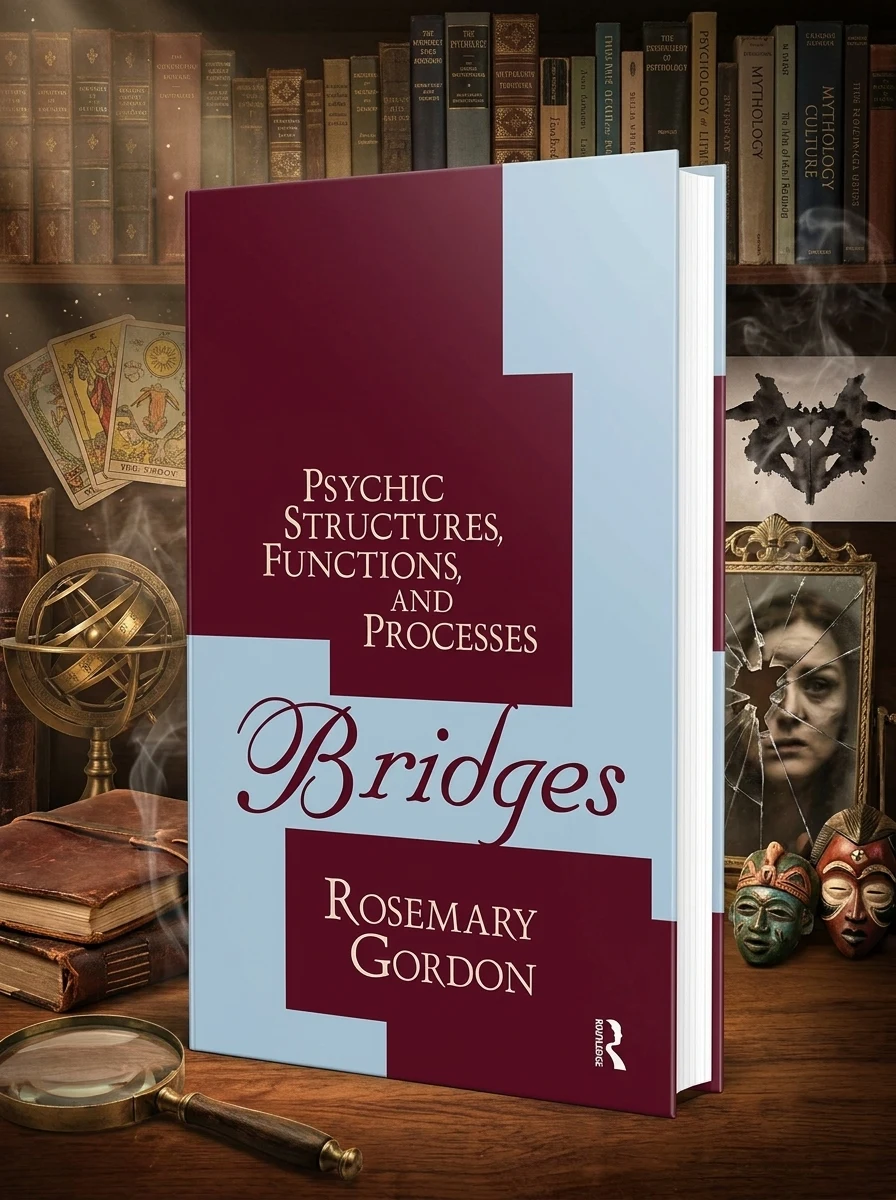

 91
91
 91
91