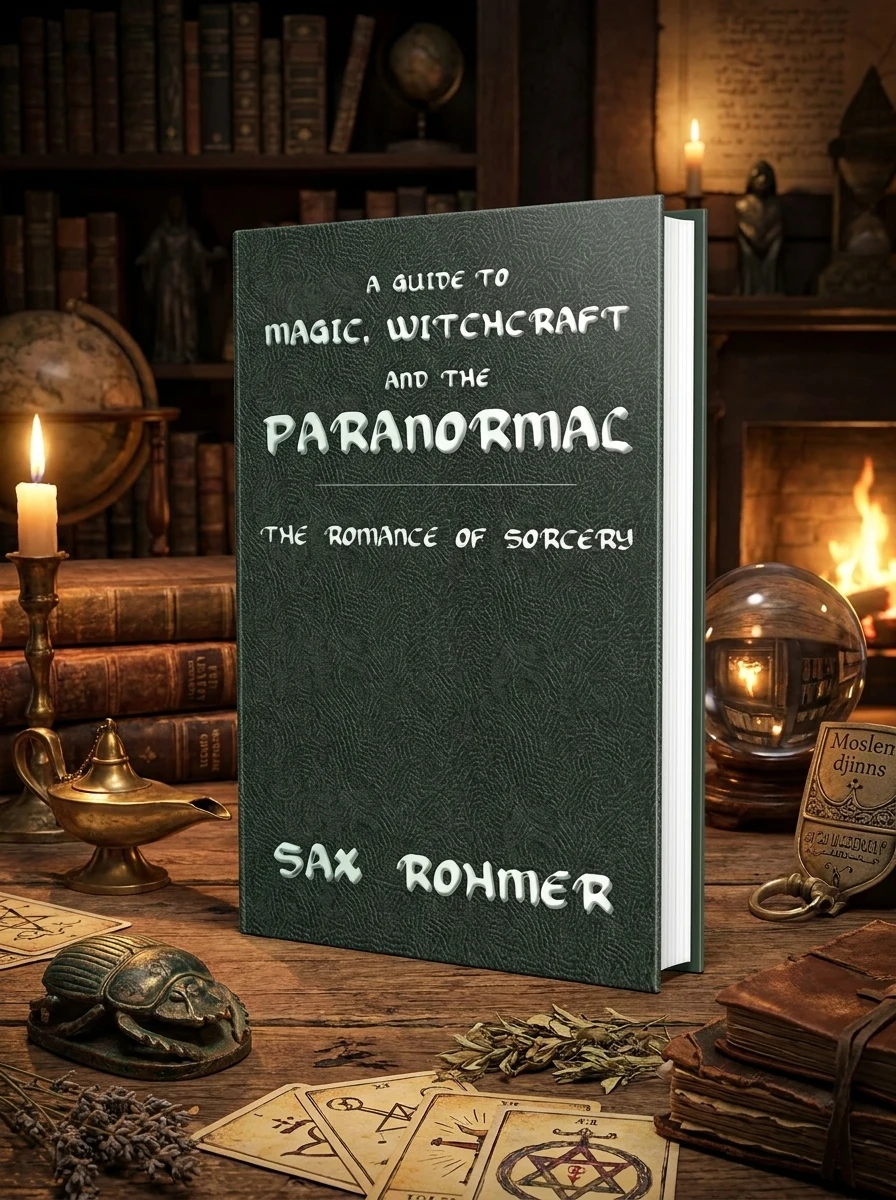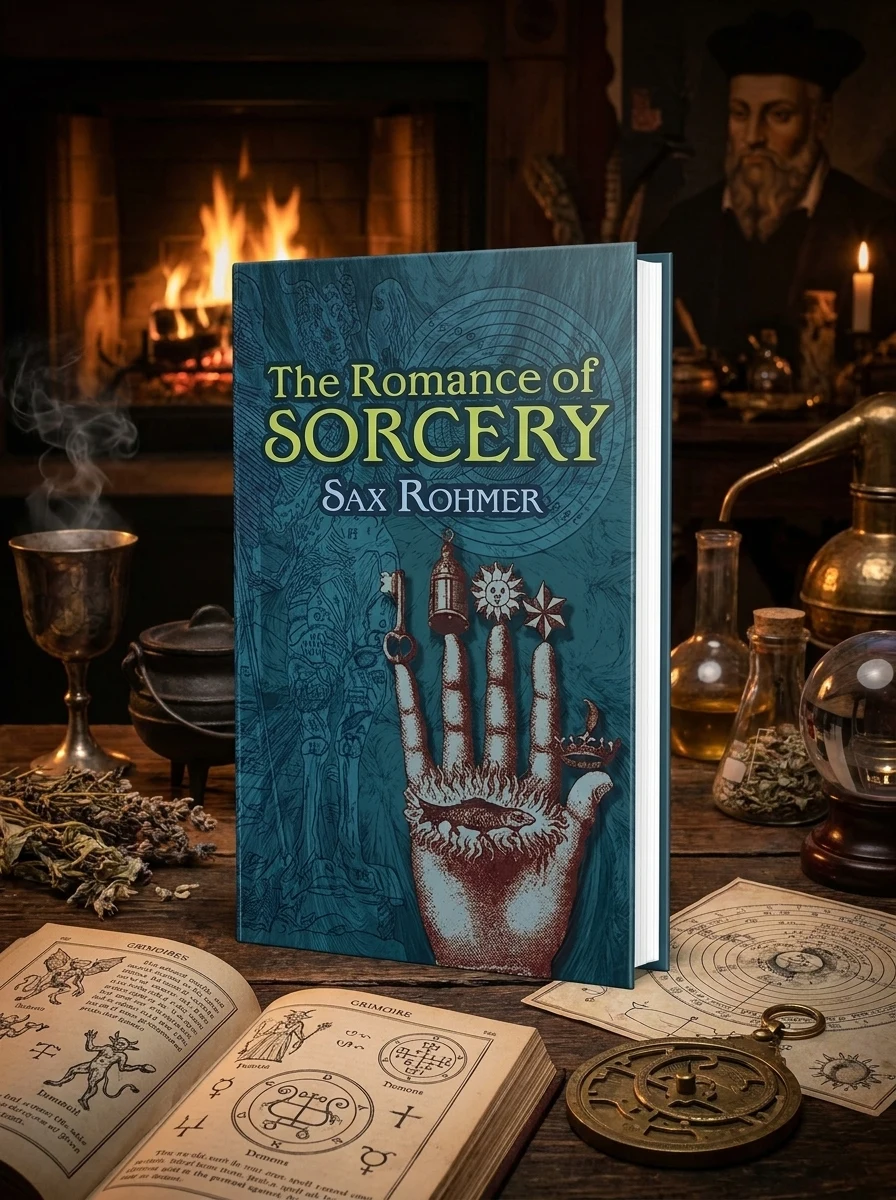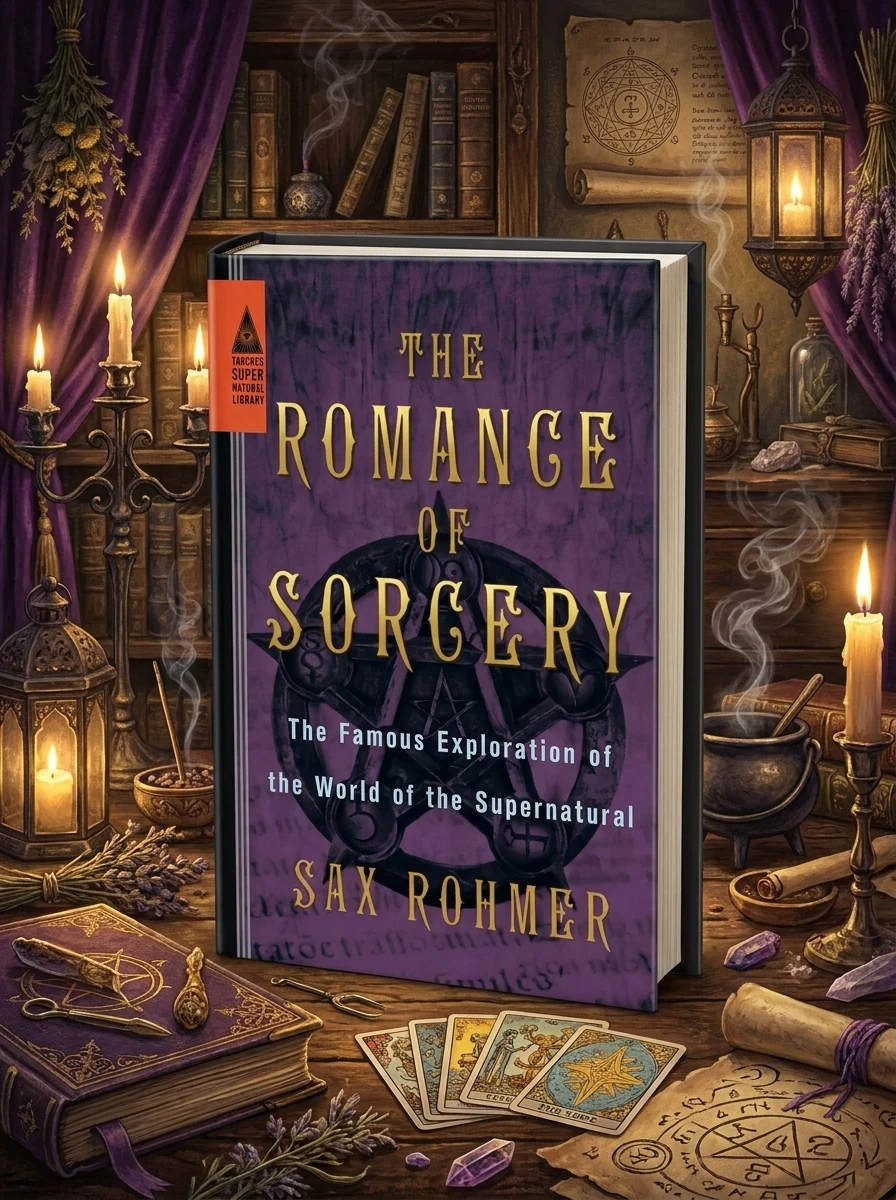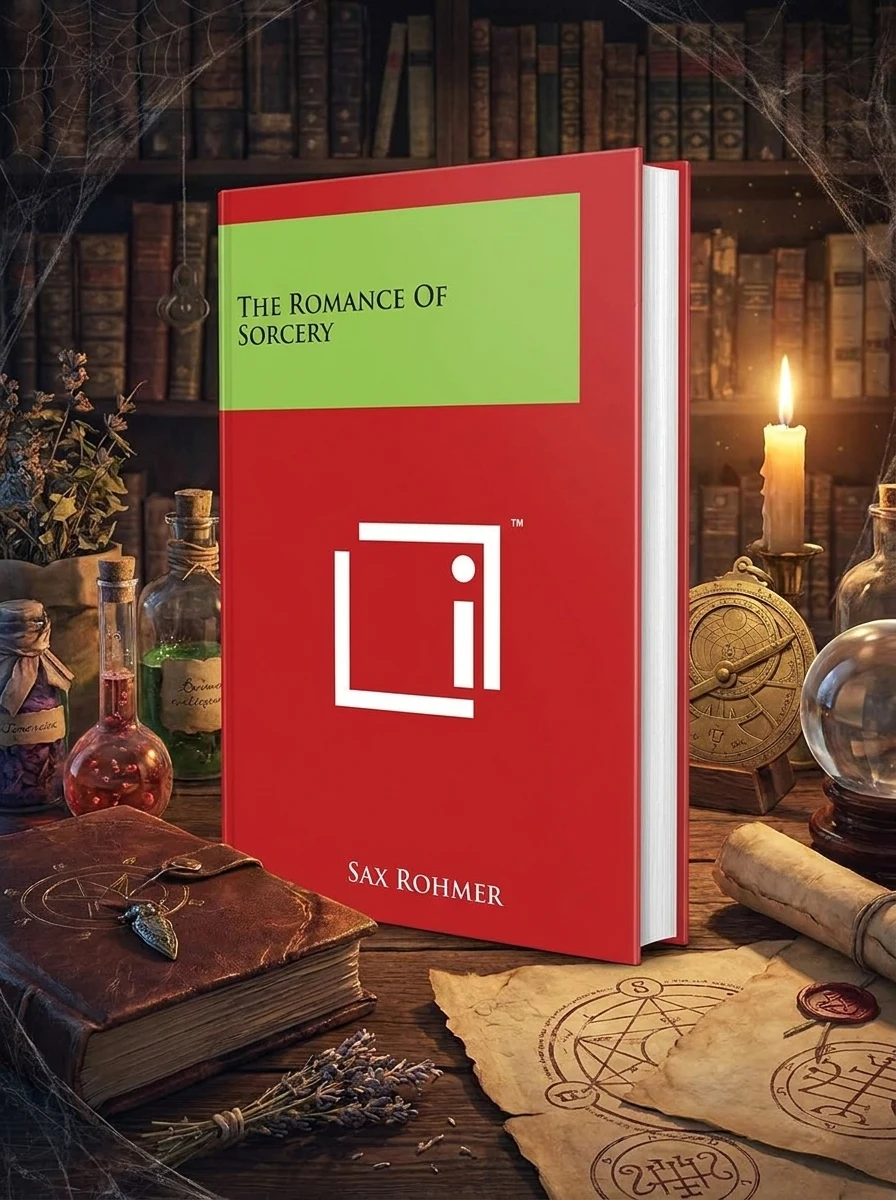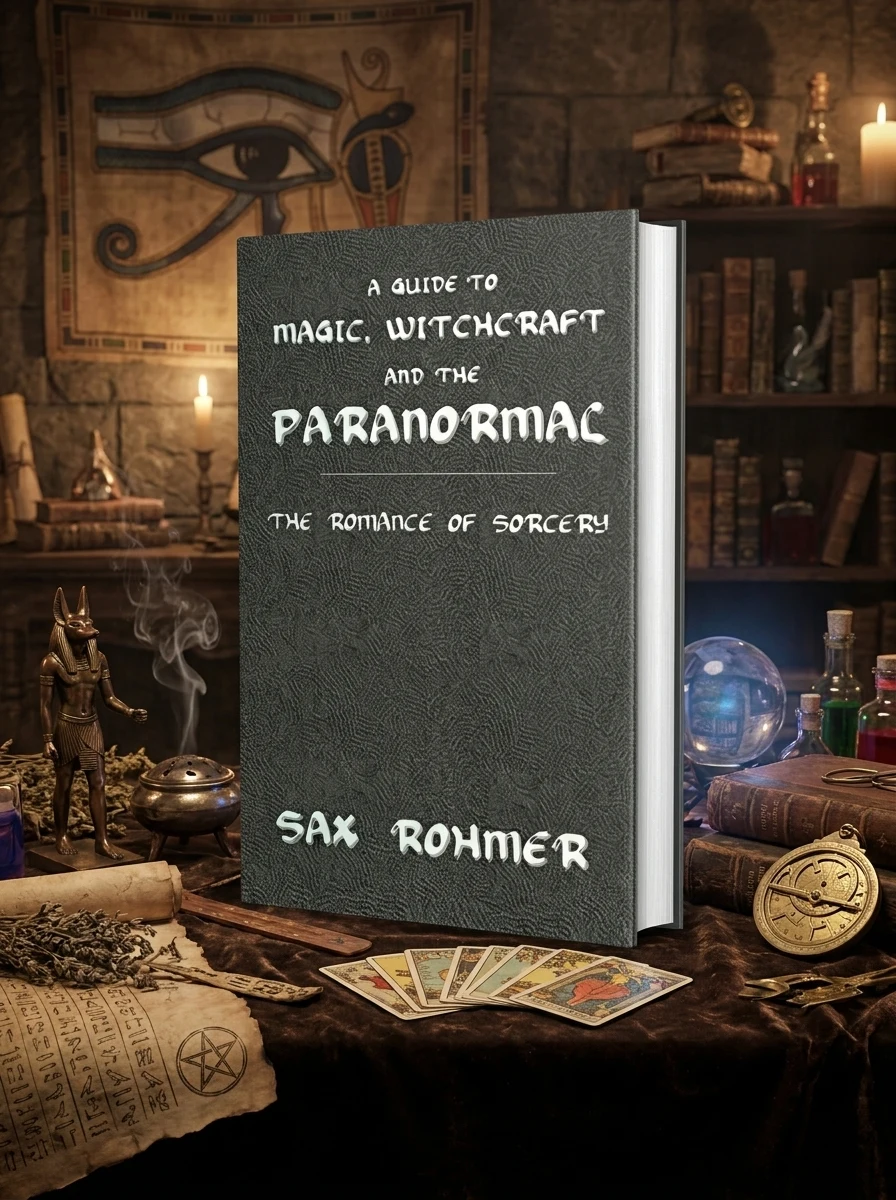
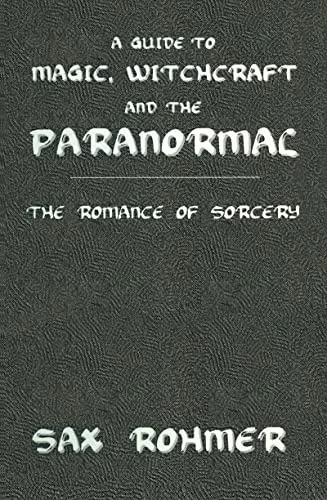
A Guide to Magic, Witchcraft and the Paranormal: The Romance of Sorcery Rohmer, Sax
✍️ Rohmer, SaxStep into the esoteric mind of Sax Rohmer, famously known for his Fu Manchu thrillers, as he unveils his singular non-fiction exploration into the world of magic. This long-sought-after volume, penned by an adept scholar of the mystic arts, offers a comprehensive journey from the earliest Egyptian sorcery to European witchcraft trials. Rohmer meticulously examines diverse traditions, from Islamic djinns and the wisdom of the Magi to various forms of divination and Brahminical magic. It's an accessible, sweeping overview designed to introduce the uninitiated to the profound and often misunderstood history of the paranormal.


📝 Description: A Guide to Magic, Witchcraft and the Paranormal: The Romance of Sorcery Rohmer, Sax
💎 Expert review
📖 Why choose it
Why this book is worth reading
This book is an ideal entry point for the curious novice who finds dense grimoires or academic treatises intimidating. Sax Rohmer, leveraging his prowess as a master storyteller, transforms the potentially dry history of sorcery into an engaging narrative journey. Readers will appreciate how he connects diverse threads—from Egyptian rituals and Islamic djinns to European witchcraft trials—into a cohesive whole. It serves those seeking a broad, sweeping overview rather than technical instruction. If you have always wondered about the roots of magic but lacked the patience for scholarly jargon, this accessible guide offers a welcoming doorway into the profound history of the paranormal without overwhelming you with complexity.
⭐ Reader reviews
Reader rating
Rohmer delivers a sweeping, accessible survey that successfully introduces uninitiated readers to the vast landscape of esoteric history. However, practitioners seeking detailed ritual instructions or rigorous academic citations will likely find this work superficial. It is primarily a historical and cultural overview rather than a practical manual. The narrative style prioritizes readability over depth, making it unsuitable for those demanding scholarly precision or advanced occult theory. While excellent for context, it lacks the technical substance required by serious students of the mystic arts who wish to move beyond general interest into specific magical traditions or detailed historical analysis.
❓ Frequently asked questions
📖 Who should read this
If you're a curious seeker or a seasoned occultist looking for an engaging historical overview of magic, sorcery, and the paranormal, this book is for you. It's an excellent starting point for understanding the diverse global tapestry of esoteric traditions, written with clarity and insight.
🎯 Key themes and symbolism
Global Arcana Throughout Ages
Rohmer meticulously charts the evolution of magical practices across millennia and continents. From the ancient Nile's mystic rituals to the philosophical insights of the Magi and the intricate systems of Indian Brahmins, the book provides a panoramic view of humanity's enduring quest for arcane knowledge and its varied expressions across different cultures and eras.
Portraits of Noted Practitioners
Delve into the compelling narratives of pivotal figures who shaped the course of occult history. Rohmer brings to life the stories of legendary sorcerers and mystics like Apollonius of Tyana, the prophetic Nostradamus, the enigmatic Dr. John Dee, and the controversial Cagliostro, offering insights into their contributions and controversies within the magical tradition.
Bridging Ancient Wisdom, Modernity
At its core, this work aims to reconcile the ancient, revealed truths of esoteric traditions with the prevailing skepticism of the modern age. Rohmer advocates for a renewed understanding of these timeless principles, suggesting that despite advancements, humanity's spiritual and mystical inquiries remain deeply relevant in an increasingly secular world.
📜 Historical context
📚 Glossary
- Sorcery
- Djinns
- Divination
📔 Questions to reflect on
- Reflect on how modern scientific understanding has shaped or challenged your personal beliefs about the paranormal. Where do you find common ground or irreconcilable differences?
- Consider one historical figure discussed in the book (e.g., Nostradamus, Cagliostro). How might their contributions or controversies resonate in today's esoteric landscape?
- Rohmer suggests a 'gulf' between revealed religion and ancient truths. In what ways do you see this divide manifest in contemporary spirituality or occult practices?