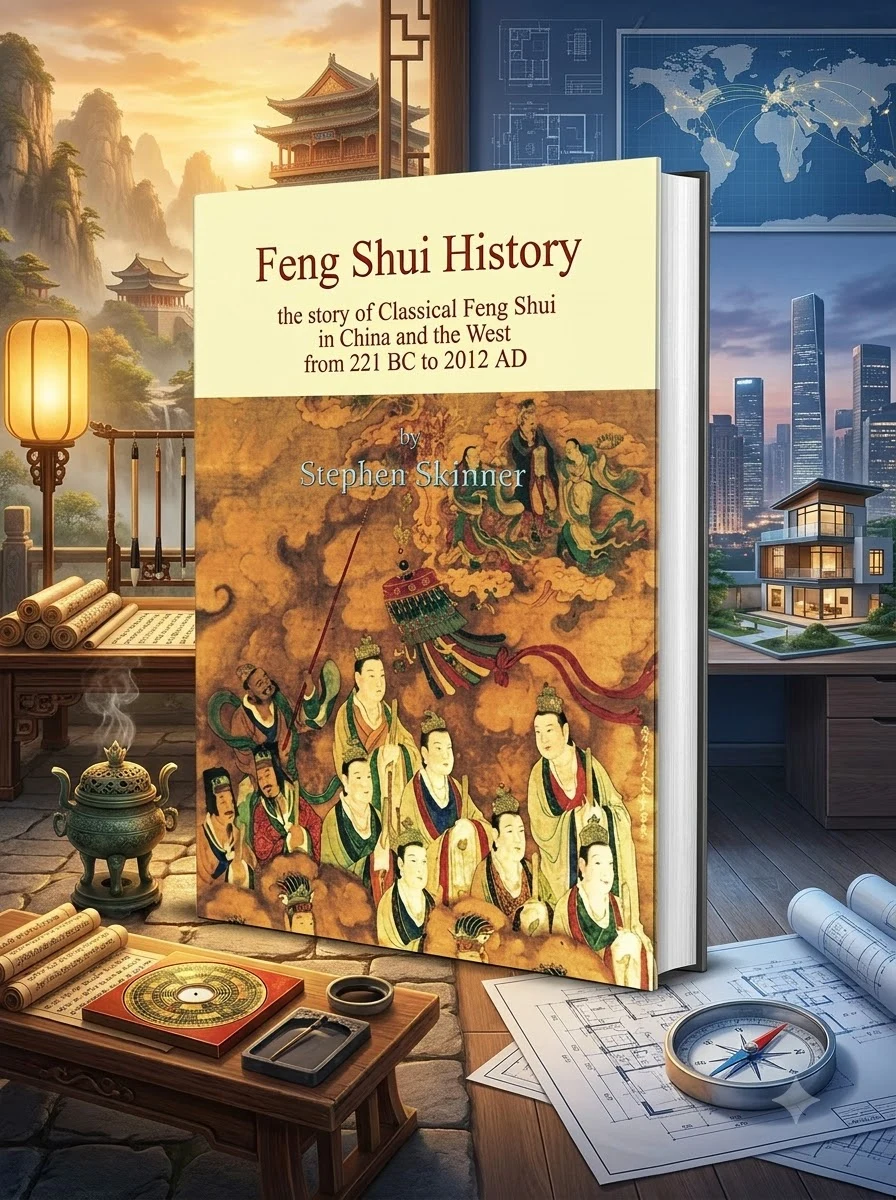
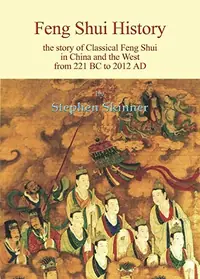
Feng Shui History: The Story of Classical Feng Shui in China and the West from 221 BC to 2012 AD
Skinner, StephenThis edition can be ordered. No arrival date is confirmed.
Unearth the ancient lineage of Feng Shui, from imperial China to its global contemporary influence.
This groundbreaking volume meticulously charts the complete historical trajectory of Feng Shui, an art form deeply rooted in ancient Chinese tradition. From its earliest recorded practices during the Qin Dynasty in 221 BC, the narrative unfolds through centuries of imperial patronage, philosophical evolution, and cultural adaptation. It illuminates the pivotal moments and influential practitioners who shaped its principles, eventually tracing its westward migration and widespread adoption across the globe by 2012 AD. A definitive chronicle for understanding this complex discipline's enduring legacy.
This volume situates Feng Shui within the broader narrative of esoteric history, bridging ancient Chinese imperial traditions with its modern global reception. It serves as a historical bridge between classical metaphysical practices and contemporary Western interest in spatial harmony.


📝 Description: Feng Shui History: The Story of Classical Feng Shui in China and the West from 221 BC to 2012 AD
💎 Expert review
📖 Why choose it
Why this book is worth reading
Scholars and practitioners seeking a rigorous chronological framework for Feng Shui will find this text indispensable. It offers a unique perspective by tracing the lineage from its Qin Dynasty origins through imperial patronage to its current global status. Readers interested in the cultural adaptation of esoteric arts will appreciate the detailed account of its westward migration. This book provides essential context for understanding how ancient principles evolved into modern practice, making it vital for those who wish to grasp the discipline's enduring legacy and philosophical depth beyond superficial applications.
⭐ Reader reviews
Reader rating
While Skinner’s chronicle is thorough, it may not suit readers seeking practical application guides or quick tips for home decor. The text focuses heavily on historical trajectory rather than instructional methodology, which might frustrate those looking for immediate spatial adjustments. Additionally, the dense academic tone could alienate casual enthusiasts preferring lighter, more accessible introductions to Feng Shui. It is best suited for historians and serious students of esoteric traditions who value comprehensive contextualization over actionable advice. Those expecting a simple 'how-to' manual will likely find the extensive historical analysis too slow-paced and theoretically oriented for their needs.
❓ Frequently asked questions
📖 Who should read this
If you seek to understand the deep historical currents and philosophical underpinnings of Feng Shui, beyond superficial applications, this book is for you. An essential read for anyone interested in Chinese cultural history, the transmission of esoteric knowledge, or a serious student of geomancy's evolution.
🎯 Key themes and symbolism
Ancient Origins & Evolution
Explores Feng Shui's genesis in ancient China, detailing its development from pragmatic agrarian wisdom and geomancy into a sophisticated system. It covers its transformation through various dynasties and philosophical schools, illustrating how its core tenets were shaped over millennia, laying the groundwork for its enduring principles.
East-West Propagation
Chronicles the fascinating journey of Feng Shui beyond its Chinese homeland. The book examines the forces and individuals responsible for its spread to Western cultures, highlighting how this ancient art was interpreted, adapted, and sometimes transformed as it crossed geographical and cultural boundaries, shaping its modern identity.
Classical Practice Foundations
While historical, the book implicitly grounds its narrative in "classical" Feng Shui, distinguishing it from modern interpretations. It delves into the foundational concepts and methodologies that defined its practice for centuries, offering insight into the authentic, traditional applications before its global popularization, emphasizing its core, timeless wisdom.
💬 Quotes from the book
“The earliest manifestations of what would become Feng Shui were not grand philosophical treatises, but pragmatic observations rooted in the imperative for survival and prosperity within a given landscape.”
“The journey of Feng Shui across continents was less a direct transfer and more a series of reinterpretations, each culture filtering ancient principles through its own unique worldview.”
📜 Historical context
📚 Glossary
- Feng Shui
- Geomancy
- Qin Dynasty
📔 Questions to reflect on
- How might a deeper understanding of Feng Shui's historical evolution influence your perception or practice of its principles today?
- Consider the challenges and adaptations involved when an ancient Eastern art like Feng Shui is introduced and popularized in Western cultures. What might be gained or lost in translation?
- Reflect on the interplay between practical environmental observation and esoteric philosophy in the development of Feng Shui throughout history. Which aspect seems more dominant at different periods?
✍️ More books by this author Skinner, Stephen
All books by this author →


🏛 Books from this publisher Llewellyn Publications
All books from this publisher →


 89
89




You might also like
See more →
 84
84

 91
91