US shipping Secure card payment Occult and esoteric books

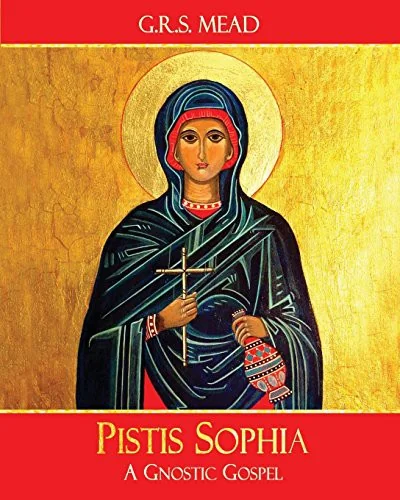
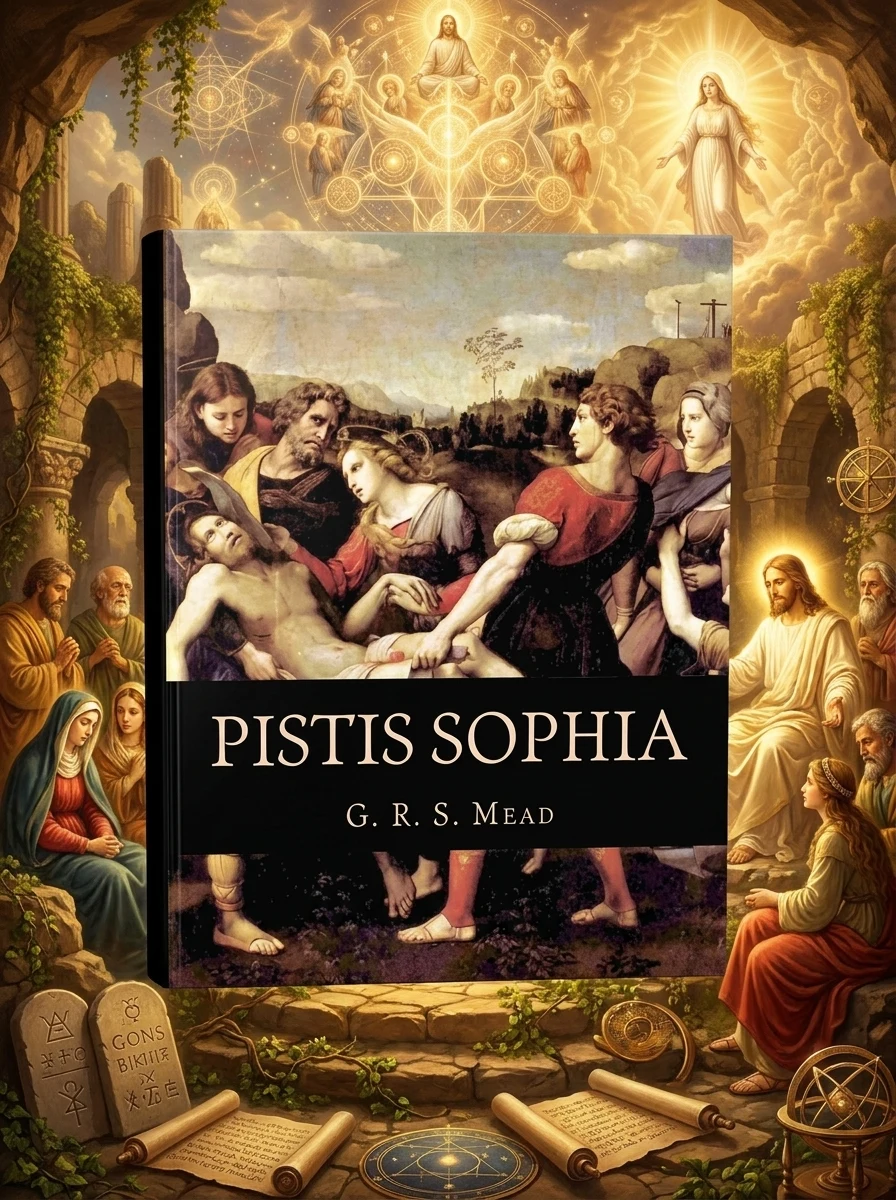
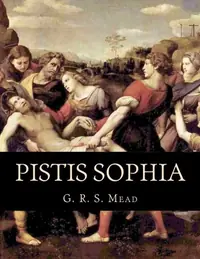
Pistis Sophia

Mead, G R S
Reader rating
4.5
(1 reviews) 107 sold
In stock

Stock reported in the catalog; fulfillment is confirmed with your request.

📚 ABOUT THE BOOK

Unveil celestial secrets whispered by the risen Christ to his most devoted disciples.

This profound Gnostic scripture, potentially dating to the 2nd century, transmits the esoteric teachings of the resurrected Jesus. Over eleven post-resurrection years, Christ reveals intricate cosmic architecture and the divine role of Sophia to an intimate circle including Mary Magdalene and Martha. It is a foundational text for understanding Gnostic cosmology, the journey of the soul, and the multifaceted nature of the divine feminine within this ancient mystical tradition, outlining the complex celestial hierarchies and the path to spiritual liberation.

Key themes
Gnostic Revelation The Divine Feminine Cosmic Hierarchies
Historical context

This text is a foundational Gnostic scripture potentially dating to the 2nd century, preserving esoteric teachings attributed to the resurrected Jesus. It serves as a critical document for understanding ancient mystical traditions and the complex cosmology of early Christian heterodoxy.


Difficulty
●●● Demanding
Fans will love it
The Gnostic gospels · Valentinian theology · Neoplatonic philosophy · Carl Jung's works on alchemy
📿 Sacred Texts
🏛 Createspace Independent Publishing Platform 📅 2011 📖 238 pages 🌐 en 📐 Paperback ISBN: 9781463644642
Fun fact
Mead's rendition of Pistis Sophia offers an essential window into early Gnostic thought, presenting complex spiritual truths with scholarly rigor. Its strength lies in revealing a unique, deeply mystical Christology and a profound understanding of the divine feminine. However, those seeking conventional Christian theology will find this text challenging, as it diverges significantly from orthodox doctrines. It holds a crucial place for scholars and serious students of esoteric traditions, providing a rich tapestry of ancient cosmology and soul-craft, though it demands a patient and open mind.

📝 Description: Pistis Sophia

Pistis Sophia is an important Gnostic text, possibly written as early as the 2nd century. The five remaining copies, which scholars place in the 5th or 6th centuries, relate the Gnostic teachings of the transfigured Jesus to the assembled disciples (including his mother Mary, Mary Magdalene, and Martha), when the risen Christ had accomplished eleven years speaking with his disciples. In it the complex structures and hierarchies of heaven familiar in Gnostic teachings are revealed. The female divinity of gnosticism is Sophia, a being with many aspects and names. She is sometimes identified with the Holy Spirit itself but, according to her various capacities, is also the Universal Mother, the Mother of the Living or Resplendent Mother, the Power on High, She-of-the-left-hand (as opposed to Christ, understood as her husband and he of the Right Hand), as the Luxurious One, the Womb, the Virgin, the Wife of the Male, the Revealer of Perfect Mysteries, the Holy Dove of the Spirit, the Heavenly Mother, the Wandering One, or Elena (that is, Selene, the Moon). She was envisaged as the Psyche of the world and the female aspect of Logos. The title Pistis Sophia is obscure, and is sometimes translated Faith wisdom or Wisdom in faith or Faith in wisdom. A more accurate translation taking into account its gnostic context, is the faith of Sophia, as Sophia to the gnostics was a divine syzygy of Christ, rather than simply a word meaning wisdom. In an earlier, simpler version of a Sophia, in the Berlin Codex and also found in a papyrus at Nag Hammadi, the transfigured Christ explains Pistis in a rather obscure manner: Again, his disciples said: Tell us clearly how they came down from the invisibilities, from the immortal to the world that dies? The perfect Saviour said: Son of Man consented with Sophia, his consort, and revealed a great androgynous light. Its male name is designated 'Saviour, begetter of all things'. Its female name is designated 'All-begettress Sophia'. Some call her 'Pistis'. The best-known of the five manuscripts of Pistis Sophia is bound with another Gnostic text titled on the binding "Piste Sophiea Cotice". This "Askew Codex" was purchased by the British Museum (now British Library) in 1795 from a Dr. Anthony Askew. Until the discovery of the Nag Hammadi library in 1945, the Askew Codex was one of three codices that contained almost all of the gnostic writings that had survived the suppression of such literature both in East and West, the other two codices being the Bruce Codex and the Berlin Codex. Aside from these primary sources, everything written about Gnosticism before the Nag Hammadi library became available is based on quotes, characterizations, and caricatures in the writings of the enemies of Gnosticism. The purpose of these heresiological writings were polemical, presenting Gnostic teachings as absurd, bizarre, and self-serving, and as an aberrant heresy from a proto-orthodox and orthodox Christian standpoint. The text proclaims that Jesus remained on earth after the resurrection for 11 years, and was able in this time to teach his disciples up to the first (i.e. beginner) level of the mystery. It starts with an allegory paralleling the death and resurrection of Jesus, and describing the descent and ascent of the soul. After that it proceeds to describe important figures within the gnostic cosmology, and then finally lists 32 carnal desires to overcome before salvation is possible, overcoming all 32 constituting salvation. Pistis Sophia includes quotes from five of the Odes of Solomon, found in chapters between 58 and 71. Pistis Sophia was the only known source for the actual wording of any of the Odes until the discovery of a nearly-complete Syriac text of the Odes in 1909. Because the first part of this text is missing, Pistis Sophia is still the only source for Ode 1.

💎 Expert review

💎
Esoterica Books editorial team
Occult literature desk
This volume presents a dense exploration of Gnostic cosmology and divine hierarchies, appealing primarily to those with a scholarly or serious esoteric interest. While historically significant for its transmission of resurrected Jesus's teachings to figures like Mary Magdalene, it is not suitable for casual readers seeking straightforward narrative or modern spiritual self-help. The complex celestial structures and archaic theological arguments may alienate those unfamiliar with ancient hermetic traditions. It demands patience and a willingness to engage with abstract metaphysical concepts rather than offering immediate comfort or simple moral guidance.
✓ EDITOR'S REVIEW

📖 Why choose it

📖

Why this book is worth reading

Readers deeply invested in the history of Christian mysticism and Gnostic cosmology will find this text indispensable. It offers a rare glimpse into the celestial secrets whispered by the risen Christ to his most devoted disciples over eleven post-resurrection years. Those seeking to understand the multifaceted nature of the divine feminine, particularly the role of Sophia, will gain profound insight here. The book outlines intricate cosmic architecture and the path to spiritual liberation, making it essential for scholars and practitioners exploring the journey of the soul within ancient mystical traditions.

⭐ Reader reviews

The starting rating comes from the team Esoterica Books —
⭐ Esoterica editorial review Editorial rating 4.5/5
★★★★
If you're drawn to ancient mysticism, the esoteric origins of Christianity, or the profound concept of the divine feminine, this text offers unparalleled insight. It's for those ready to explore the complex, often challenging, depths of Gnostic thought and its unique spiritual cosmology.

Reader rating

4.5
Based on 1 reviews
5
0
4
1
3
0
2
0
1
0
E
Esoterica Books editorial team

This volume presents a dense exploration of Gnostic cosmology and divine hierarchies, appealing primarily to those with a scholarly or serious esoteric interest. While historically significant for its transmission of resurrected Jesus's teachings to figures like Mary Magdalene, it is not suitable for casual readers seeking straightforward narrative or modern spiritual self-help. The complex celestial structures and archaic theological arguments may alienate those unfamiliar with ancient hermetic traditions. It demands patience and a willingness to engage with abstract metaphysical concepts rather than offering immediate comfort or simple moral guidance.

❓ Frequently asked questions

The text primarily details the esoteric teachings of the resurrected Jesus to his disciples, focusing on Gnostic cosmology, the nature of Sophia, and the path to spiritual enlightenment.
Sophia represents the divine feminine principle in Gnosticism, embodying wisdom and the world's soul. Her journey of error and redemption is central to understanding the Gnostic narrative of humanity's spiritual struggle and ultimate salvation.

📖 Who should read this

If you're drawn to ancient mysticism, the esoteric origins of Christianity, or the profound concept of the divine feminine, this text offers unparalleled insight. It's for those ready to explore the complex, often challenging, depths of Gnostic thought and its unique spiritual cosmology.

🎯 Key themes and symbolism

Gnostic Revelation

Delve into the unique post-resurrection dialogues where Jesus, having spent eleven years with his disciples, imparts advanced spiritual knowledge. This isn't merely a recounting of earthly parables but a direct transmission of the hidden wisdom concerning the cosmos, the soul's origin, and the divine plan for salvation, intended for those ready for deeper truths.

The Divine Feminine

Explore Sophia, the central female deity, presented with numerous names from Universal Mother to the Wandering One. This text illuminates her vital role as the world's soul (Psyche) and feminine counterpart to the Logos, guiding seekers through her suffering, fall from grace, and yearning for redemption, which mirrors humanity's spiritual journey.

Cosmic Hierarchies

Discover the elaborate structures of the heavens as revealed by the transfigured Christ. The book meticulously details the various aeons, spheres, and spiritual entities that comprise the Gnostic cosmos, offering a complex map of divine emanations and lower realms, essential for comprehending the soul's descent and potential ascent back to the Light.

💬 Quotes from the book

“And the Savior said, 'Verily, I say unto you, beyond the thirteen aeons lies the Treasury of Light, where dwell the perfect emanations, unblemished by the shadows of matter.'”

“Then Sophia cried out, 'Oh Light of Lights, I have wandered in the chaos, seeking the truth, yet entangled in the illusion of the lower spheres!'”

📜 Historical context

The Pistis Sophia stands as one of the most significant surviving Gnostic texts, likely originating in the 2nd century CE. Its discovery in the 18th century provided invaluable insight into early Christian Gnosticism, a movement often suppressed by orthodox traditions. It showcases the rich intellectual and spiritual diversity of early religious thought, challenging conventional narratives.

📚 Glossary

Gnosticism
Pistis Sophia
Aeons

📔 Questions to reflect on

  1. How does the concept of a divine feminine figure like Sophia resonate with or challenge your existing spiritual understanding?
  2. Reflect on the idea of 'hidden knowledge' being revealed only to a select few disciples. What implications does this have for personal spiritual practice?
  3. Consider the complex cosmic hierarchies presented. How might such a detailed mapping of the heavens influence one's perception of their own place in the universe?

🏛 Books from this publisher Createspace Independent Publishing Platform

All books from this publisher →

You might also like

See more →
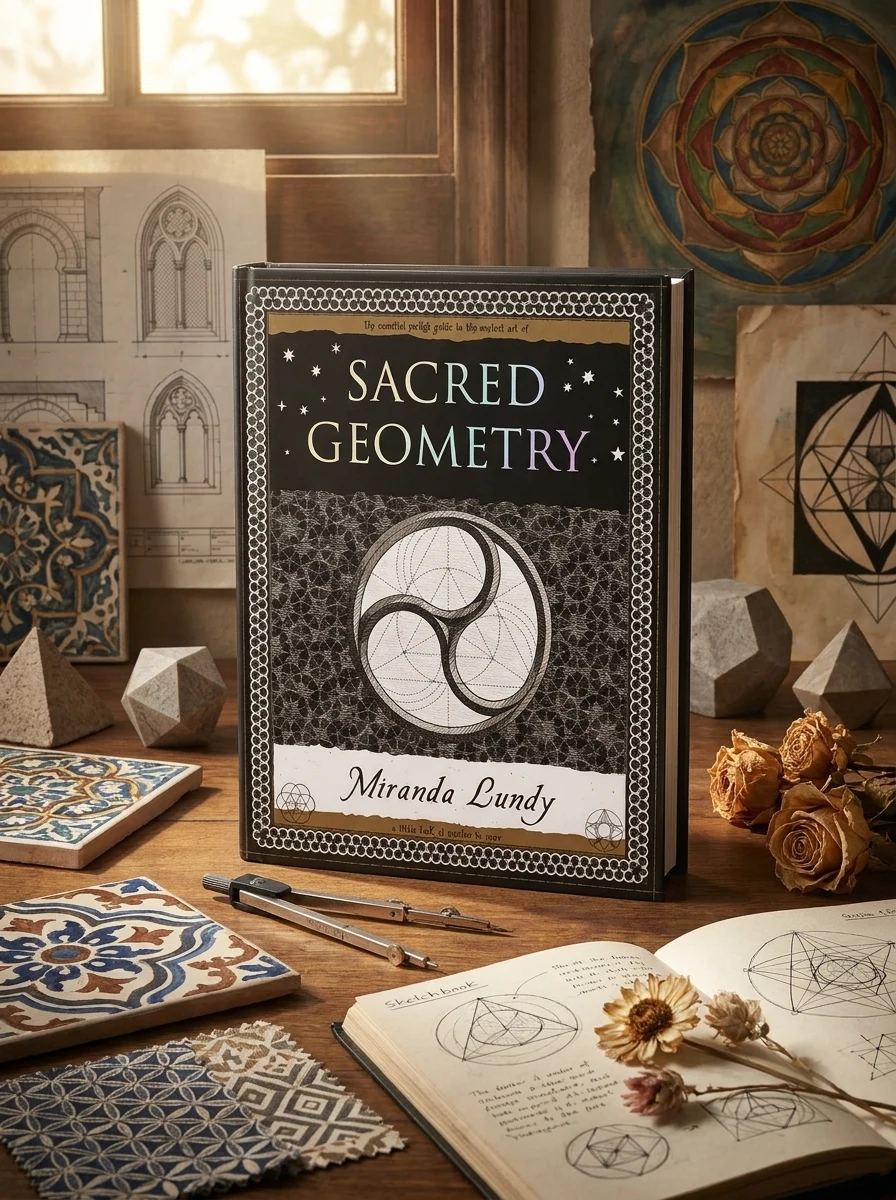
Cover unavailableSacred GeometryLundy, Miranda Sacred Geometry
✨ New
Lundy, Miranda
Sacred Geometry
$9.00
91
Cover unavailableThe DhammapadaEaswaran, Eknath The Dhammapada
✨ New
Easwaran, Eknath
The Dhammapada
$13.00
90