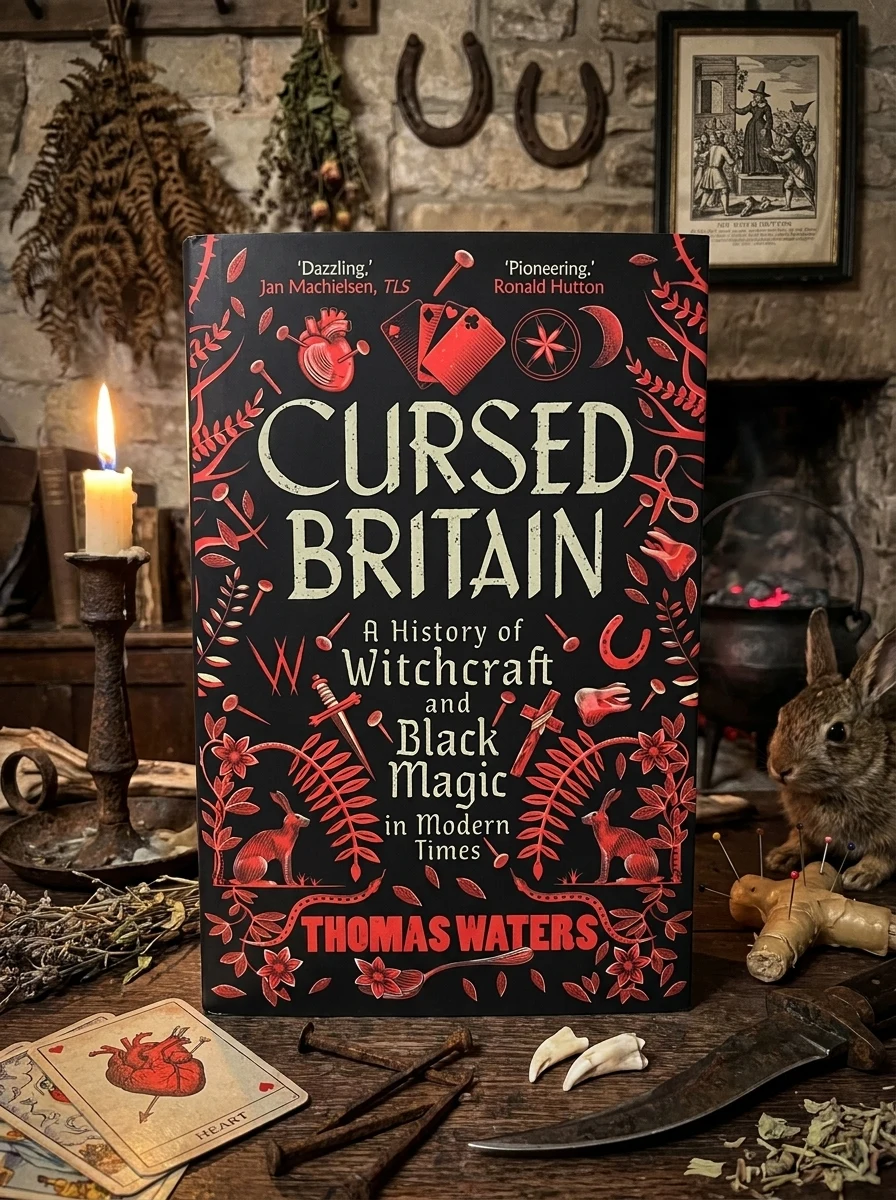
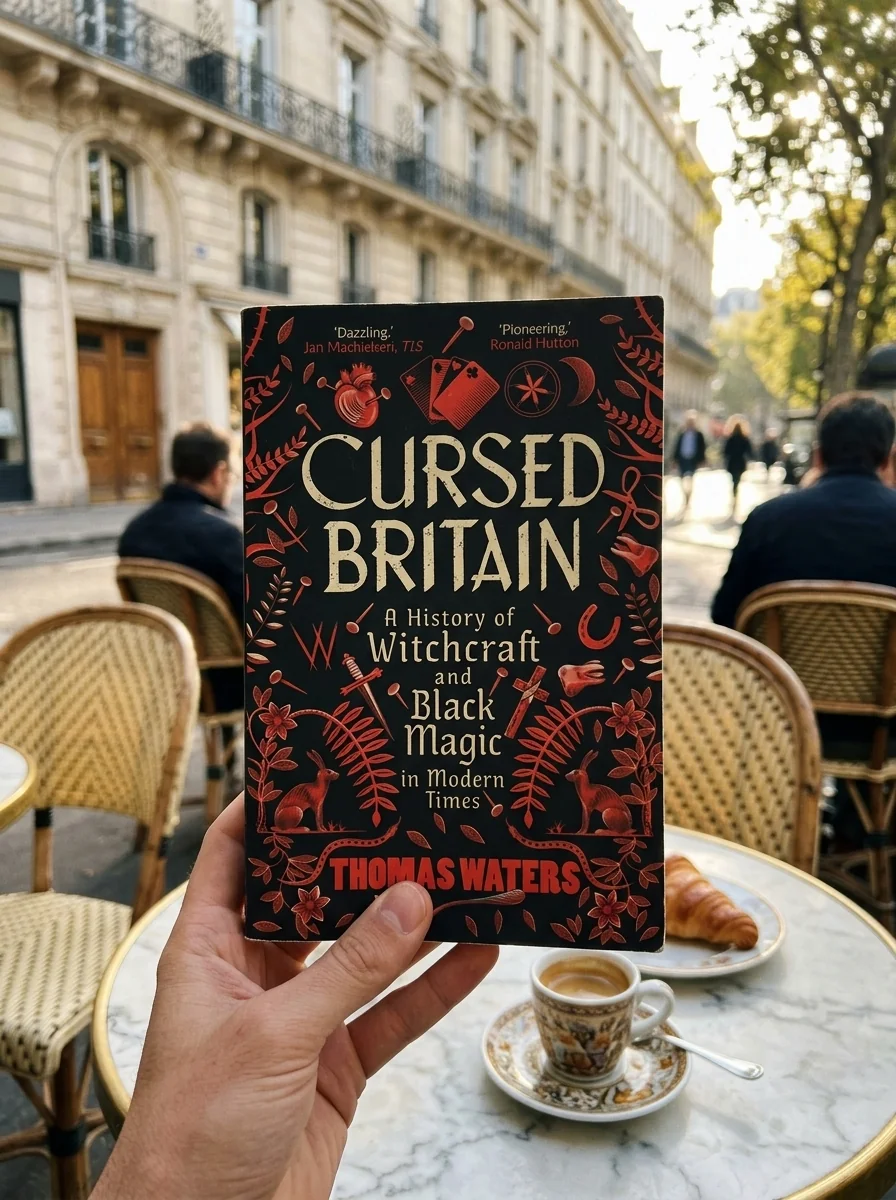
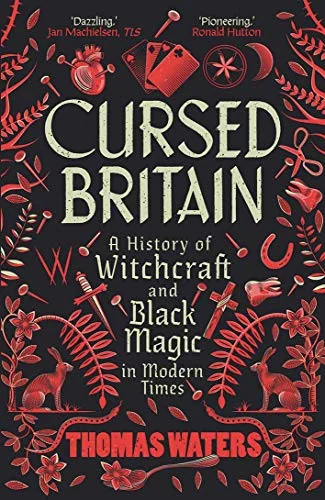
Cursed Britain: A History of Witchcraft and Black Magic in Modern Times
✍️ Waters, ThomasThomas Waters meticulously unearths the persistent presence of witchcraft and black magic across Britain, from the 18th century to the present. He reveals how, even in an age of reason, individuals grappling with disaster or personal hardship often sought solace or explanation in supernatural forces. This compelling study navigates through diverse landscapes and belief systems, exploring the lives of those who felt cursed and the practitioners, both sincere and cynical, who engaged with these ancient powers. It's a testament to magic's adaptability and its deep-seated connection to fundamental human needs.


Praise for this book
“Built around numerous intriguing case studies, Cursed Britain charts the continued fear of witchcraft and harmful magic in Britain and beyond over the last two centuries. Authoritative and engaging, Waters' book explores and explains why we should seek to understand the magical beliefs of our recent ancestors, and also requires us to reflect on the continued belief in malign forces.”
“An important and timely investigation into how malevolent magic and counter magic has survived, adapted, declined, and revived in the modern age. This is also a very human history of fear, power, influence and imagination. Fascinating.”
“This is one of those pioneering studies which immediately establishes a mastery of its field. It is broad, adventurous, subtle, painstaking and in places perhaps controversial: at once a glittering debut and a monument of scholarship.”
📝 Description: Cursed Britain: A History of Witchcraft and Black Magic in Modern Times
💎 Expert review
📖 Why choose it
Why this book is worth reading
Readers fascinated by the intersection of human psychology and supernatural belief will find immense value in this text. It is particularly suited for those who question the assumption that modernity has entirely eradicated magical thinking. By exploring how individuals in crisis turned to witchcraft, the book offers a profound look at resilience and the enduring need for agency in the face of disaster. It appeals to historians and occultists alike who wish to understand the practical, often desperate, application of black magic in recent British history, revealing the deep-seated human needs that drive such practices.
⭐ Reader reviews
Reader rating
This is a scholarly yet accessible exploration of a niche but vital aspect of cultural history. However, it may not suit readers seeking practical spellwork or those who expect a purely academic, dry sociological treatise devoid of narrative engagement. It might also disappoint those looking for a definitive debunking of magic's efficacy, as Waters presents these beliefs with serious historical weight rather than skepticism. The book is best appreciated by those interested in the 'how' and 'why' of magical persistence rather than its metaphysical truth.
❓ Frequently asked questions
📖 Who should read this
If you're fascinated by the hidden currents of history, the persistence of belief in the face of modernity, and the complex human relationship with the unknown, this book is for you. It's an essential read for anyone interested in occult history, folklore, and the societal impact of magical thinking.
🎯 Key themes and symbolism
Magic's Enduring Modernity
This work demonstrates that far from vanishing with the rise of modern thought, magical beliefs profoundly adapted and continued to thrive across British society. It showcases how folk practices and darker arts maintained a subtle, yet powerful, influence on people's lives and perceptions throughout centuries of societal change and scientific advancement, evolving with the times rather than disappearing.
Human Need for Belief
Waters delves into the psychological and emotional reasons why individuals turned to witchcraft, curses, or magical remedies during times of crisis. He illustrates how deep-seated human needs for control, explanation, or vengeance often led people to embrace concepts of dark supernatural intervention when faced with misfortune, revealing the enduring power of belief beyond rational explanation.
Diversity of Practices
The book offers a fascinating panorama of magical traditions, tracing their manifestations from the remote Scottish Isles to the urban sprawl of London, and even extending to the British Empire's influence. It examines a wide array of beliefs, from traditional British folk magic to the introduction of spiritualities originating from African and Asian cultures, highlighting the rich tapestry of magical thought.
📜 Historical context
📚 Glossary
- Black Magic
- Folk Magic
- Witch-busters
📔 Questions to reflect on
- Reflect on a time in your own life, or in history, when seemingly irrational beliefs provided comfort or explanation during a crisis. How does this connect to the enduring human need for magic?
- Consider how modern society, despite its scientific advancements, still harbors or creates new forms of 'magical' thinking or superstitions. What parallels can you draw with the historical examples in the book?
- If you were a 'witch-buster' in a historical context, what ethical dilemmas might you face? How would you distinguish between genuine belief, charlatanism, and societal scapegoating?