
US shipping Secure card payment Thousands of titles
👤 Sign in

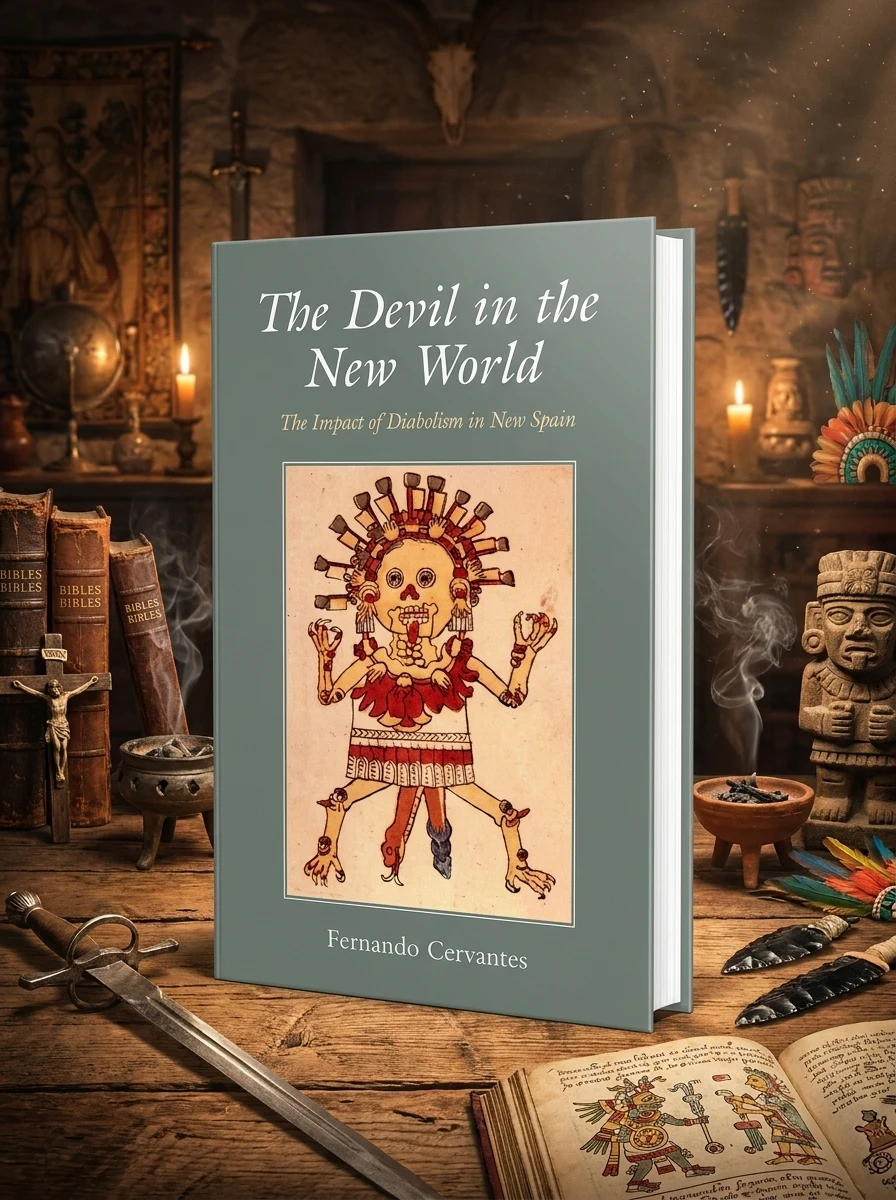
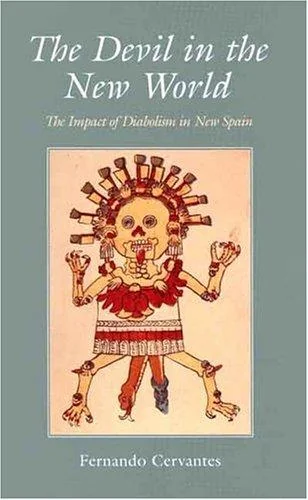
The Devil in the New World: The Impact of Diabolism in New Spain

✍️ Cervantes, Fernando
27 $
📚 ABOUT THE BOOK

Uncover the chilling, overlooked role of diabolism in shaping the spiritual conquest of New Spain.

Fernando Cervantes masterfully unearths the profound yet largely ignored influence of diabolism within the evangelization of the New World. While modern scholarship often overlooks this aspect, missionaries themselves, until the late 18th century, perceived the devil as the very foundation of indigenous spiritual practices and the primary obstacle to their Christian mission. This compelling study delves into how this perception of diabolism became central to understanding non-Christian faiths and fueled the arduous campaign to suppress them. It also critically examines how Native Americans engaged with, and often resisted, these imposed Christian frameworks, revealing a complex spiritual encounter.


Key themes
{'title': "The Devil's New World Dominion", 'body': "This work meticulously details how the concept of the devil wasn't just a peripheral idea but a foundational lens through which European missionaries viewed indigenous belief systems in New Spain. It became the dominant explanation for anything non-Christian, profoundly shaping evangelical strategies and the violent subjugation efforts, revealing a deep-seated theological conviction."} {'title': 'Missionary Obstacles & Failures', 'body': "The book illuminates how the missionaries' unwavering conviction that Amerindian faiths were inherently diabolical ultimately undermined their own efforts. Their inability to purge what they saw as Satanic influence led to persistent frustration and a perception of failure, highlighting the deep chasm between European theological assumptions and the spiritual realities they encountered."} {'title': 'Clash of Spiritual Worlds', 'body': 'Cervantes explores the profound ideological collision between European monotheism and indigenous cosmologies. He demonstrates how Native Americans actively received, processed, and often subverted the Christian doctrine presented to them, refusing to abandon their multifaceted deities for a dualistic worldview. This dynamic reinterpretation underscores the resilience of native spirituality.'}
🏛 Yale University Press 📅 1997 📖 192 pages 📔 Paperback 📐 Paperback ISBN: 9780300068894
In stock — ready to ship
Fun fact
Cervantes's "The Devil in the New World" is a groundbreaking examination, expertly illuminating a neglected dimension of colonial history. Its strength lies in meticulously detailing the pervasive role of diabolism in European thought and indigenous encounters, offering a nuanced view of religious conflict. Those seeking a straightforward narrative of Christian triumph or indigenous victimhood might be challenged, but scholars and curious readers will find it an indispensable, richly researched contribution to the history of religion and empire, shifting our understanding of the 'spiritual conquest'.

📝 Description: The Devil in the New World: The Impact of Diabolism in New Spain

Despite the extensive modern literature on the evangelization of the New World, the devil has received little attention. Yet until the end of the eighteenth century, missionaries themselves saw diabolism as the root of the Amerindian belief system and as the principal reason for their own failure to establish a church purged of Satan and pagan superstition. This book explores the nature of diabolism and describes how it occupied a central place in assessments of all non-Christian religious systems, as well as in the bitter fight to subdue them. In illuminating a neglected aspect of the European encounter with America, Cervantes sets the full history of the 'spiritual conquest' in a rich and original context. He shows how native Americans themselves received and re-interpreted the view of Christianity presented to them; how they refused to see the world as the missionaries saw it. Based on an exhaustive examination of archival sources, the book brings into clear focus the complex, often bewildering, and sometimes tragic clash between a theology which presumed the existence of competing forces, and one which insisted that all deities were multiform beings within which good and evil coexisted. The book goes on to do much more: it deals, in compelling and persuasive detail, with the social history of the interaction between the two cultures, explaining not only the impact of European ideas upon the New World, but the influence of diabolism on the conceptual apparatus of the Old. And it provides a subtle account of the role of diabolism in the emerging baroque culture of the seventeenth and eighteenth centuries which strikingly challenges conventional explanations of the growth of scepticismin the period. In giving the devil his due, Cervantes's elegant and sensitive analysis transforms our bleak picture of the contact between the American and European cultures.

⭐ Reader reviews

The starting rating comes from the team Esoterica Books — add yours →
⭐ Esoterica editorial review Editorial rating 4.6/5
★★★★
If you seek to understand the intricate, often brutal, spiritual undercurrents of colonial encounters, particularly the evangelization of the Americas, this book is essential. It offers a crucial perspective for anyone interested in the historical interplay of religion, power, and indigenous…

Reader rating

Reviews yet. Be the first!

❓ Frequently asked questions

While rooted in theological concepts, this work transcends a simple religious treatise. It uses the concept of diabolism as a lens to analyze the cultural, political, and spiritual clashes inherent in the European colonization and evangelization of the Americas, offering a historical perspective rather than a dogmatic one.
Fernando Cervantes’s arguments are built upon an exhaustive investigation of original archival materials. This rigorous approach lends significant weight to his unique interpretation of the spiritual conquest, providing fresh insights derived directly from historical records.

📖 Who should read this

If you seek to understand the intricate, often brutal, spiritual undercurrents of colonial encounters, particularly the evangelization of the Americas, this book is essential. It offers a crucial perspective for anyone interested in the historical interplay of religion, power, and indigenous resistance.

🎯 Key themes and symbolism

The Devil's New World Dominion

This work meticulously details how the concept of the devil wasn't just a peripheral idea but a foundational lens through which European missionaries viewed indigenous belief systems in New Spain. It became the dominant explanation for anything non-Christian, profoundly shaping evangelical strategies and the violent subjugation efforts, revealing a deep-seated theological conviction.

Missionary Obstacles & Failures

The book illuminates how the missionaries' unwavering conviction that Amerindian faiths were inherently diabolical ultimately undermined their own efforts. Their inability to purge what they saw as Satanic influence led to persistent frustration and a perception of failure, highlighting the deep chasm between European theological assumptions and the spiritual realities they encountered.

Clash of Spiritual Worlds

Cervantes explores the profound ideological collision between European monotheism and indigenous cosmologies. He demonstrates how Native Americans actively received, processed, and often subverted the Christian doctrine presented to them, refusing to abandon their multifaceted deities for a dualistic worldview. This dynamic reinterpretation underscores the resilience of native spirituality.

💬 Quotes from the book

«For the friars, the cacophony of native rituals was not merely ignorance, but a direct, malicious orchestration by Satan himself, demanding not just conversion, but exorcism of an entire continent.»

«The indigenous peoples, far from being passive receptacles of new doctrine, filtered Christian tenets through their own rich cosmologies, often seeing Christ not as a singular savior, but as another powerful deity to be integrated or negotiated with.»

📜 Historical context

This volume significantly enriches the established literature on the spiritual conquest of the Americas. By foregrounding the previously underemphasized role of diabolism in missionary thought, Cervantes provides a vital missing piece to the puzzle of colonial religious encounters. It challenges conventional narratives by demonstrating how deeply this concept influenced both European actions and indigenous reactions until the late eighteenth century.

📚 Glossary

Diabolism
Evangelization
Spiritual Conquest

📔 Questions to reflect on

  1. How does the European perception of diabolism in the New World reflect broader anxieties about the 'other' in colonial history, and what parallels might we draw in contemporary contexts?
  2. If the missionaries genuinely believed they were fighting Satan, how does this conviction both justify their actions and explain their perceived failures in achieving a 'pure' Christian conversion?
  3. Consider the resilience of indigenous spiritual traditions. How do they adapt, resist, or incorporate foreign beliefs, and what does this tell us about the nature of faith itself?

🏛 Books from this publisher Yale University Press

All books from this publisher →
Home Genres
Cart
Favorites
Menu
Esoterica Books Esoterica Books
Sign in or create an account Orders & favorites
Book genres Collections Bestsellers Deals and off What to read
Favorites Cart Track an order
Help
Chat with Esoterica Books Call us
Information
About us Shipping & payment Returns Terms Privacy Contact