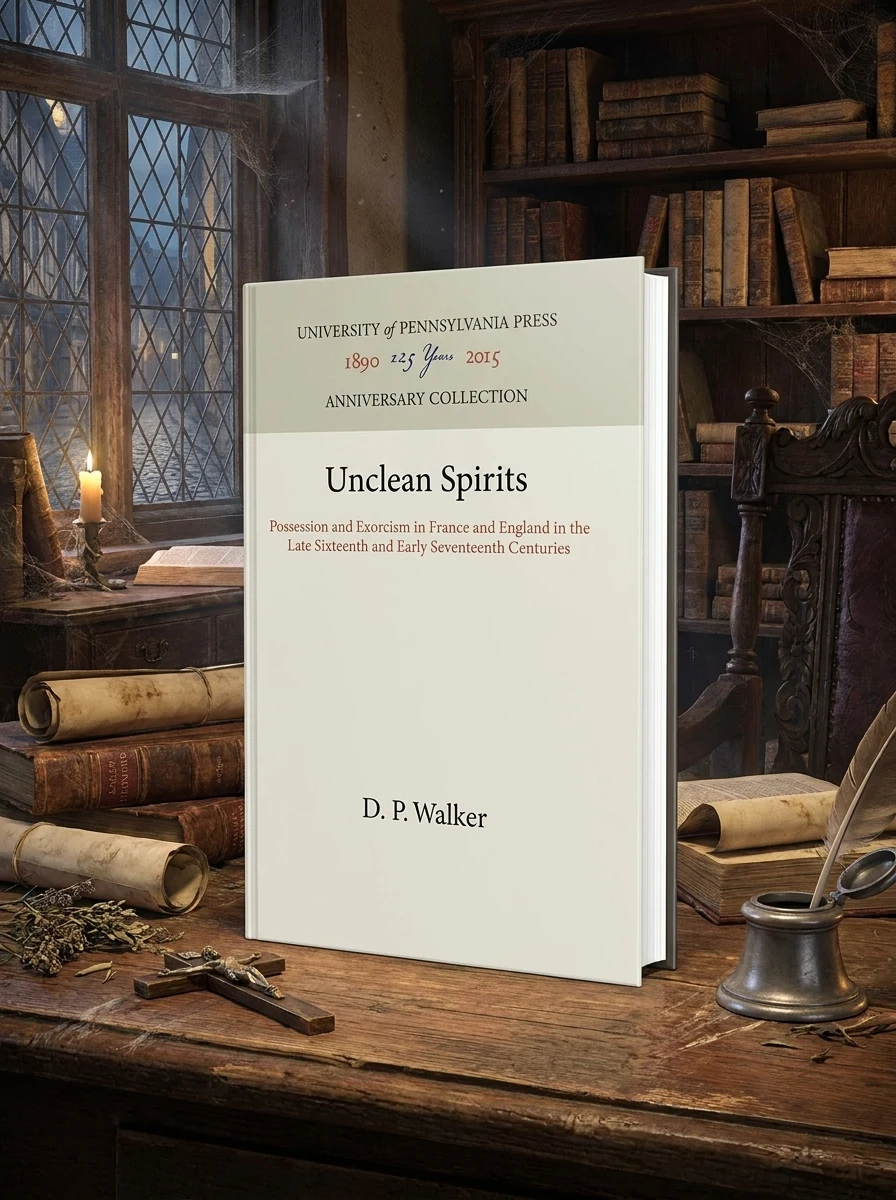
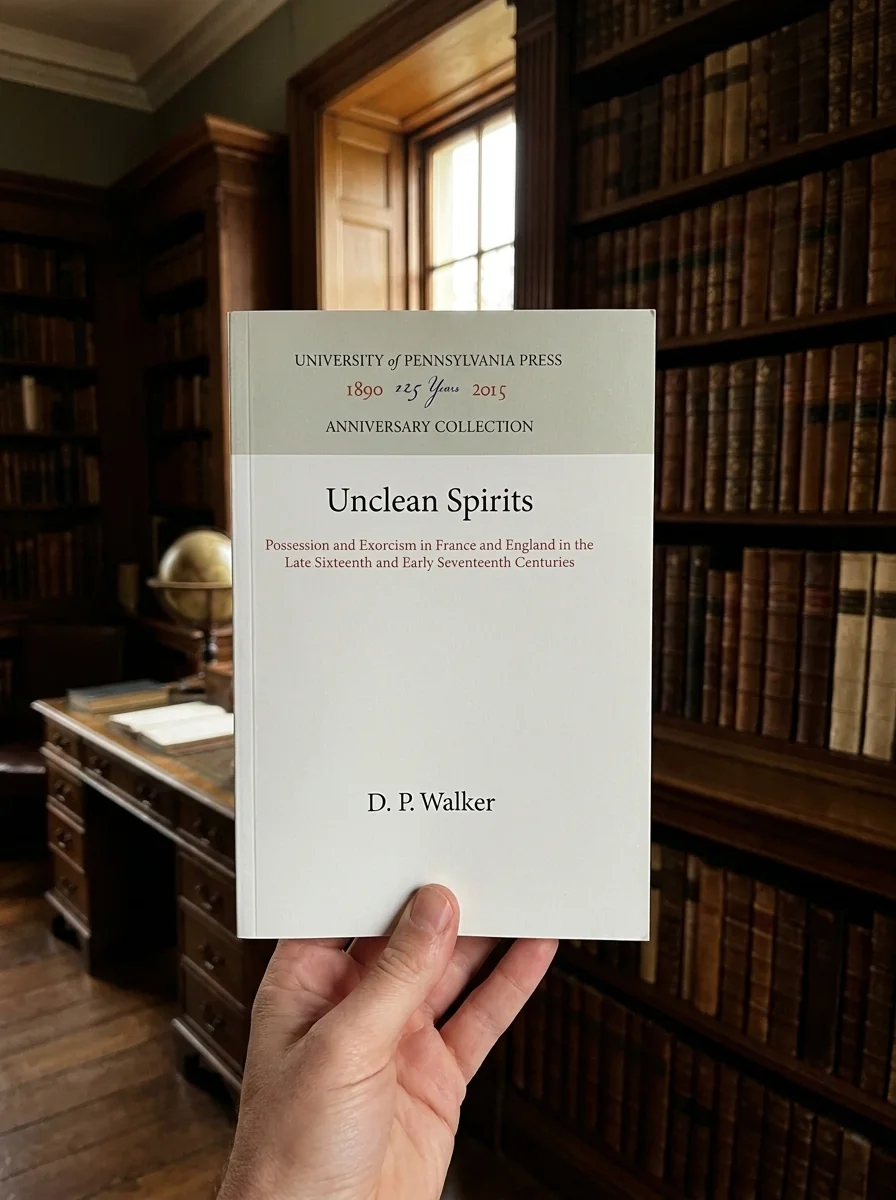
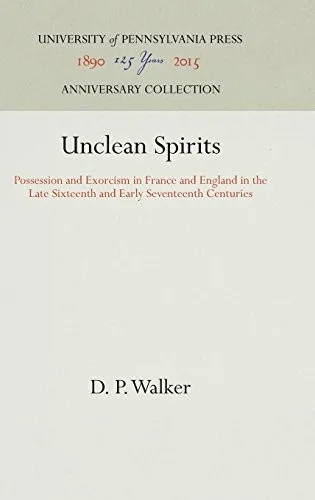
Unclean Spirits (Reprint 2016) - Ingram Academic Walker, D P
✍️ Walker, D PStep into the meticulously researched world of demonic belief and its profound societal impact throughout history. This scholarly volume delves deep into the evolution of concepts surrounding 'unclean spirits,' examining how these entities were perceived, interpreted, and confronted across various cultural and religious traditions. Far from a sensational account, it offers a critical, academic perspective on the theological, philosophical, and social ramifications of such beliefs, tracing their influence on practices, power structures, and the collective human psyche. An essential read for those seeking to understand the historical phenomenology of the spiritual unseen.


Praise for this book
“Brilliant and penetrating.”
📝 Description: Unclean Spirits (Reprint 2016) - Ingram Academic Walker, D P
💎 Expert review
📖 Why choose it
Why this book is worth reading
This book is essential for readers seeking to understand the historical phenomenology of the spiritual unseen through a rigorous academic lens. It offers a critical, scholarly perspective on the theological and social ramifications of demonic belief, tracing how these concepts influenced power structures and the collective human psyche. By unearthing the historical roots of unsettling spiritual encounters, it provides profound insights into societal impacts without resorting to sensationalism. Ideal for those interested in the philosophical underpinnings of religious traditions and the evolution of spiritual entities across cultures, this volume bridges the gap between theological study and historical analysis, making complex concepts accessible to dedicated scholars.
⭐ Reader reviews
Reader rating
Walker’s work provides a meticulously researched academic perspective on demonic belief, focusing on its profound societal impact and historical evolution. It is an intellectual treasure for those interested in the theological and philosophical ramifications of 'unclean spirits' across diverse traditions. However, readers seeking thrilling supernatural narratives or practical exorcism guides will find this text dry and overly theoretical. The scholarly tone may alienate casual occult enthusiasts looking for mystical experiences rather than critical analysis. It is strictly for the academically minded who appreciate a candid, non-sensational examination of how spiritual entities were perceived and confronted historically.
❓ Frequently asked questions
📖 Who should read this
If you are drawn to the intellectual history of esoteric beliefs, the psychology of religious movements, or the academic study of demonology, this is for you. This book offers rigorous scholarship, inviting you to critically examine the narratives and historical impact of 'unclean spirits' and their associated phenomena.
🎯 Key themes and symbolism
Historical Demonology
This book provides a comprehensive journey through the historical understanding of malevolent spiritual entities. It meticulously tracks the shifting definitions, classifications, and perceived powers of 'unclean spirits' across different eras and civilizations, revealing how these concepts evolved in response to theological doctrines, societal anxieties, and philosophical inquiry. It's a deep dive into the intellectual history of the infernal.
Belief and Social Order
Explore how beliefs in 'unclean spirits' were intricately woven into the fabric of social and religious structures. The text examines how these concepts influenced communal rituals, legal practices, and the exercise of authority within various groups, including those sometimes labeled as 'cults.' It highlights the complex interplay between spiritual narratives and the maintenance or subversion of established societal norms.
Phenomenology of Evil
Delve into the diverse ways human cultures have grappled with the manifestation and interpretation of perceived evil forces. Rather than affirming their existence, the book analyzes the *phenomenon* of belief in 'unclean spirits' – how individuals and societies have experienced, explained, and ritualized their interactions with these perceived malevolent presences, providing rich insight into human psychology and spiritual experience.
📜 Historical context
📚 Glossary
- Demonology
- Eschatology
- Heterodoxy
📔 Questions to reflect on
- Reflect on a time you encountered a belief system or group that held strong convictions about 'unclean spirits' or similar entities. How did their beliefs shape their worldview and actions?
- Consider how modern society, despite its scientific advancements, still grapples with concepts of unseen malevolence. In what forms do 'unclean spirits' or similar fears manifest today?
- If you were to trace the evolution of a specific 'evil' entity or concept from ancient times to the present, what key societal changes or philosophical shifts would you identify as influential in its transformation?