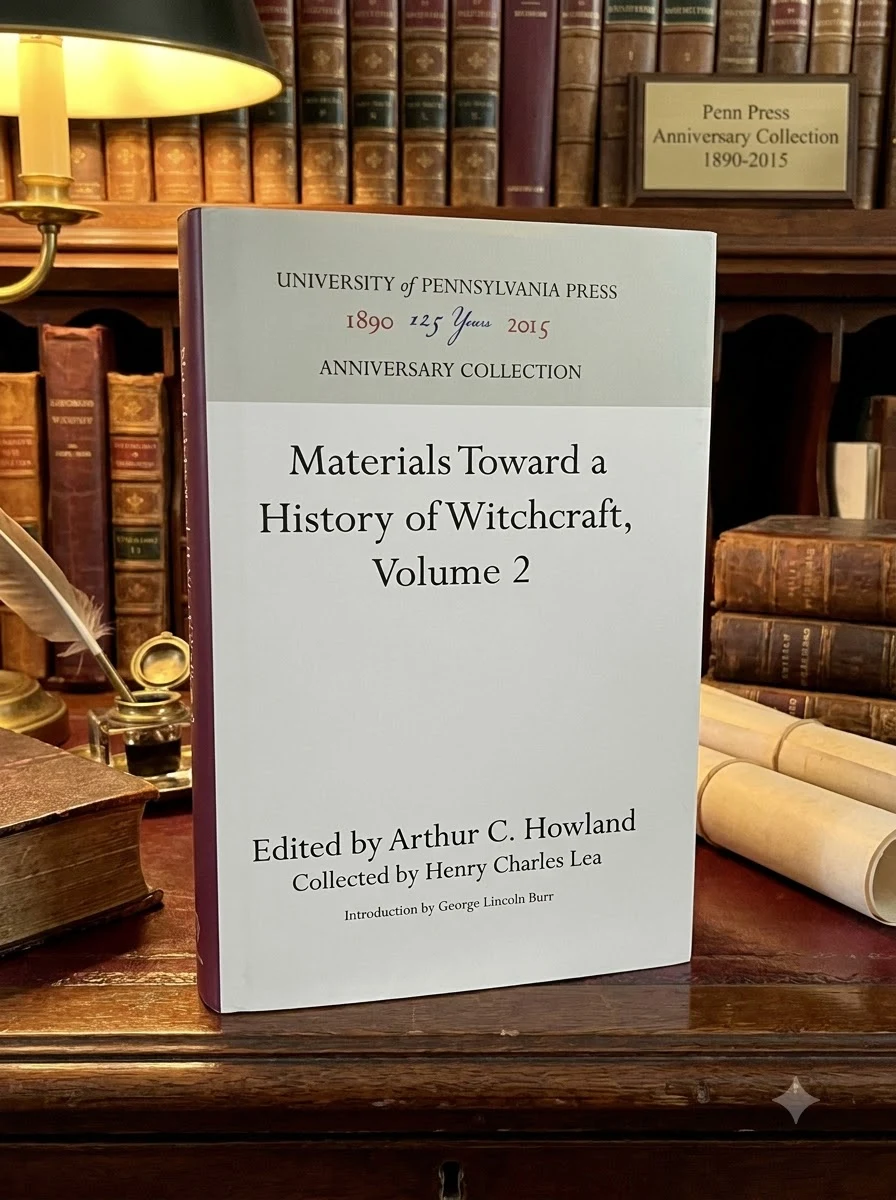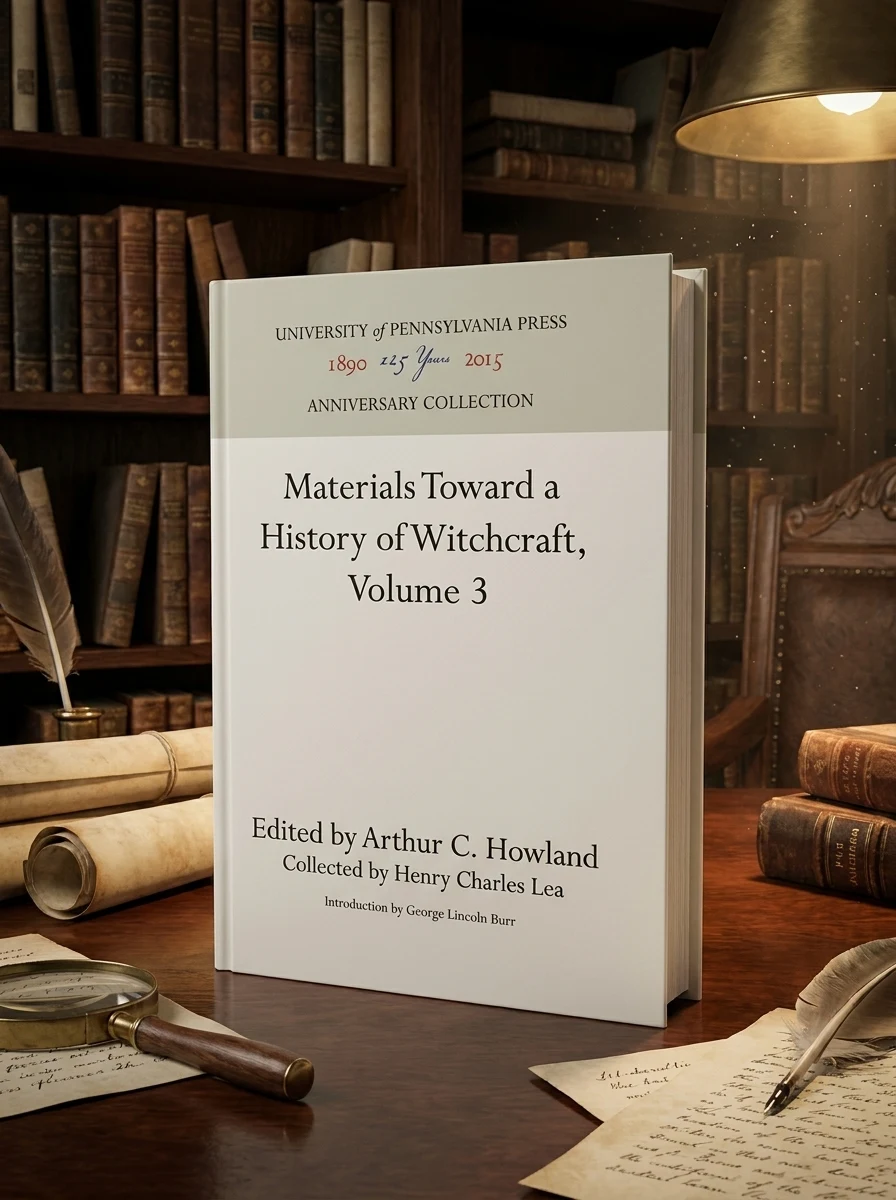
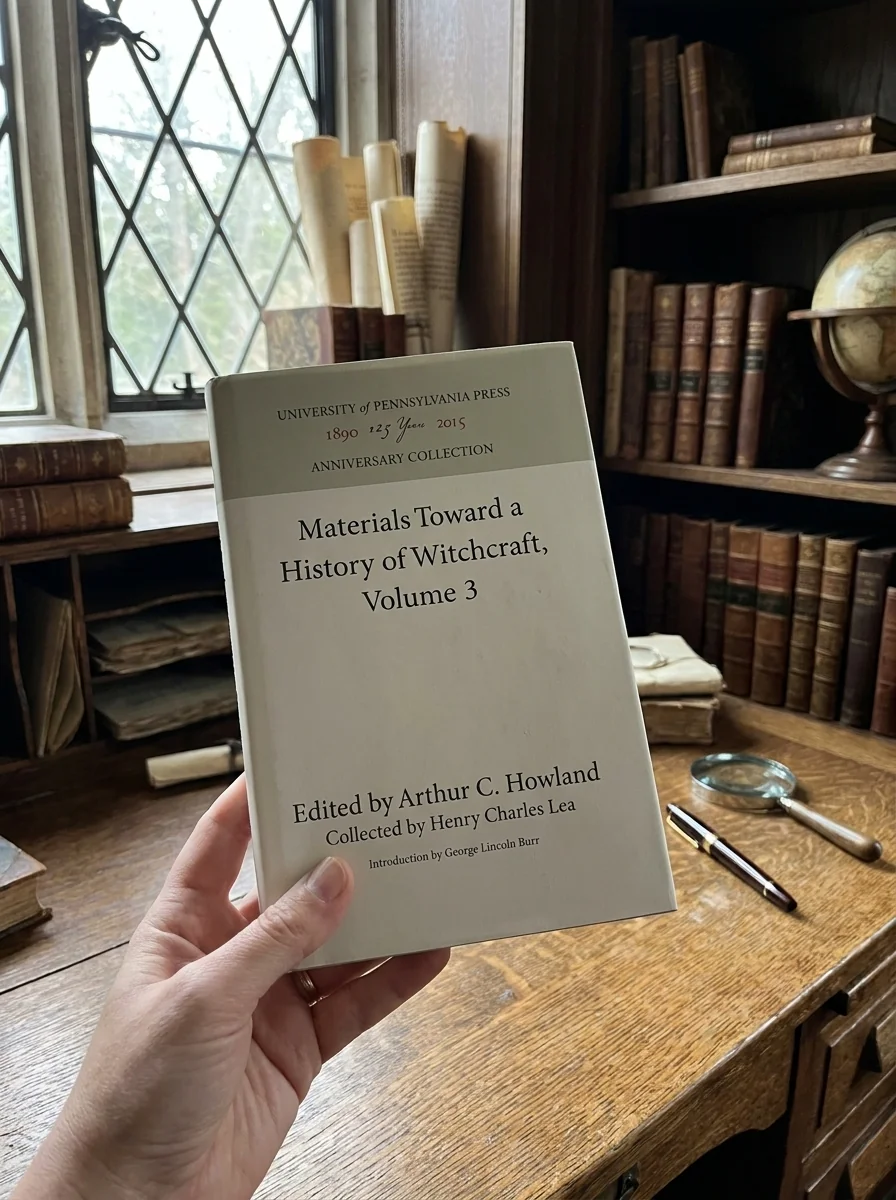

Materials Toward a History of Witchcraft (Reprint 2016) - Ingram Academic Lea, Henry Charles
This essential volume delves into the complex history of witchcraft beliefs and persecutions, meticulously assembled by Henry Charles Lea. Spanning centuries, it offers a foundational, academic exploration of how these phenomena shaped societies and religious thought. Far from a guide to magical practice, this work provides a rigorous scholarly examination, illuminating the cultural, legal, and spiritual dimensions of an enduring human fascination. It serves as an invaluable resource for anyone seeking a comprehensive understanding of this often-misunderstood subject.


📝 Description: Materials Toward a History of Witchcraft (Reprint 2016) - Ingram Academic Lea, Henry Charles
💎 Expert review
📖 Why choose it
Why this book is worth reading
This volume is an invaluable resource for serious scholars, historians, and those seeking a comprehensive understanding of the enduring human fascination with witchcraft. It serves readers who wish to look past sensationalism to uncover the dark currents of humanity's obsession across centuries. By providing a rigorous scholarly examination, it illuminates the complex legal and spiritual dimensions that defined these persecutions. Those interested in how societies constructed their fears and judgments regarding the occult will find this essential. It is not for casual readers seeking spellbooks, but for those dedicated to mastering the academic landscape of esoteric history and its profound impact on human civilization.
⭐ Reader reviews
Reader rating
This text offers a meticulous, foundational exploration of witchcraft beliefs, meticulously assembled by Henry Charles Lea. It provides a rigorous scholarly examination of cultural, legal, and spiritual dimensions, serving as an essential academic resource. However, it is strictly historical analysis, not a guide to magical practice. Readers seeking practical spells, modern Wiccan rituals, or lighthearted folklore will find this dry and unsuitable. It demands patience for its dense, academic prose and unflinching look at persecution. While invaluable for understanding the subject's gravity, it lacks accessibility for non-academics. It is a heavy, serious tome for those prepared to engage with difficult historical truths rather than entertainment.
❓ Frequently asked questions
📖 Who should read this
If you seek a profound, academic understanding of the historical roots of witchcraft, rather than a practical guide, this book is for you. It's perfect for scholars, students, and serious enthusiasts of occult history and religious studies.
🎯 Key themes and symbolism
Witchcraft's Evolution
Traces the shifting perceptions of witchcraft from ancient superstitions to organized heresy, detailing how its definition changed across different eras and cultures. It examines the intellectual and theological frameworks that underpinned these transformations, providing a detailed chronology of belief systems.
Persecution & Law
Explores the brutal legal frameworks and religious doctrines that fueled the witch hunts, examining the methods of accusation, trial, and punishment that terrorized communities. The book meticulously documents the judicial processes and the ecclesiastical justifications for these persecutions across Europe.
Societal Impact
Uncovers how the belief in witchcraft permeated all levels of society, influencing social structures, gender roles, and the power dynamics between secular and ecclesiastical authorities. It illustrates how these fears and practices shaped communal life and individual destinies.
📜 Historical context
📚 Glossary
- Witchcraft
- Esotericism
- Magick Studies
📔 Questions to reflect on
- How did the historical perception of 'witchcraft' reflect broader societal anxieties or power structures of its time?
- Consider the role of legal systems and religious institutions in shaping the historical narrative and persecution of accused witches.
- What lessons can we draw from the past about the dangers of mass hysteria and the scapegoating of marginalized groups, as illuminated by this history?