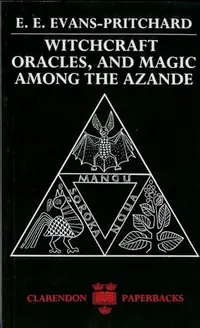
Witchcraft P
Stock reported in the catalog; fulfillment is confirmed with your request.
Unlock the profound logic behind witchcraft in a classic anthropological study.
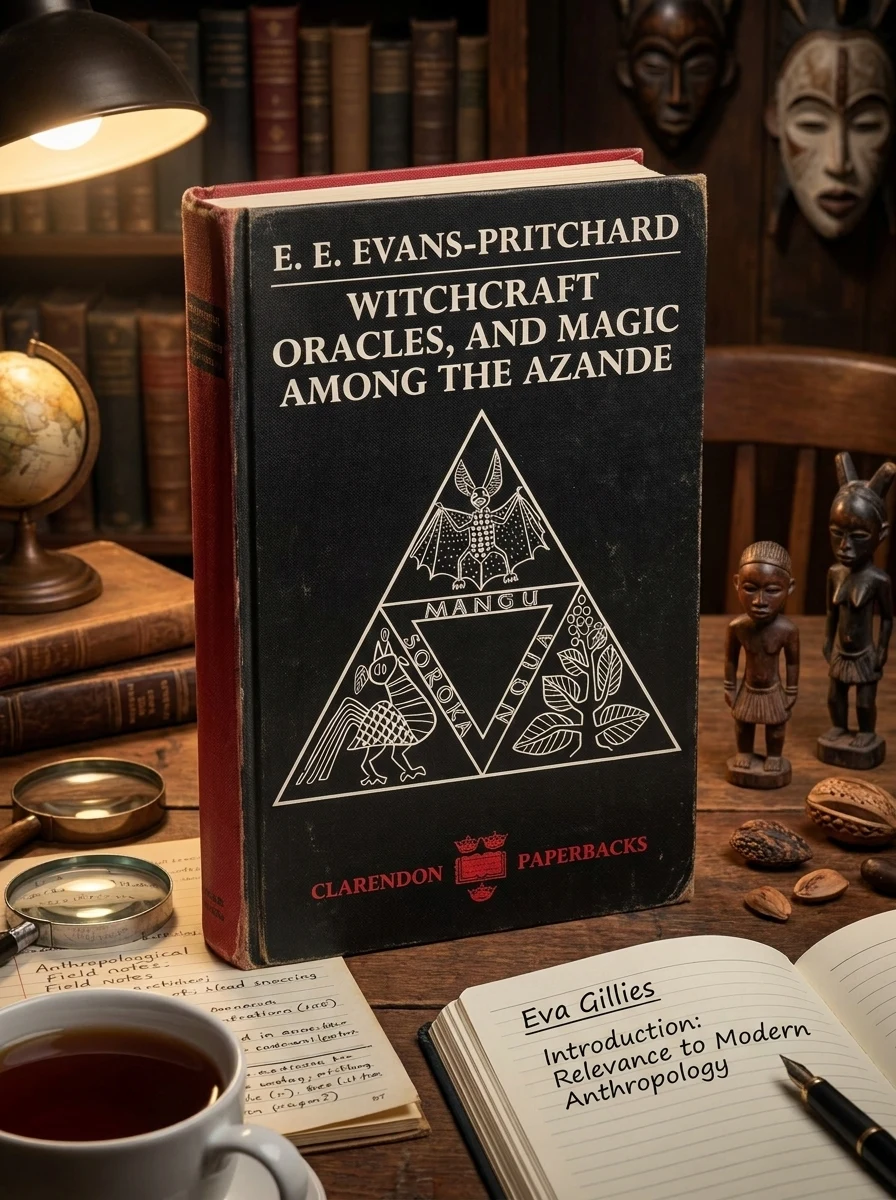
Evans-Pritchard's seminal work, "Witchcraft P," offers an unparalleled exploration into the belief systems of the Azande people of Central Africa. This meticulously observed study delves into how witchcraft, oracles, and magic are not mere superstitions, but rather form a coherent and rational intellectual framework within their culture. This abridged edition, enhanced by Eva Gillies' insightful introduction, ensures its continued relevance for contemporary students and curious readers, serving as a cornerstone for understanding the intricate relationship between mind, spirit, and social order.
This seminal anthropological study explores the rational intellectual framework of witchcraft within the Azande culture of Central Africa. It serves as a cornerstone text for understanding the intricate relationship between mind, spirit, and social order in esoteric traditions.


📝 Description: Witchcraft P
💎 Expert review
📖 Why choose it
Why this book is worth reading
This book is essential for contemporary students, curious readers, and scholars seeking to unlock the profound logic behind witchcraft through a classic anthropological lens. It offers an unparalleled exploration into the belief systems of the Azande people, demonstrating how oracles and magic function as coherent structures rather than mere superstitions. Enhanced by Eva Gillies' insightful introduction, this abridged edition ensures accessibility while maintaining academic rigor. Readers will gain a deeper appreciation for how these practices maintain social order and provide rational explanations for misfortune within their specific cultural context.
⭐ Reader reviews
Reader rating
Evans-Pritchard’s work is a meticulous observation of Azande belief systems, presenting witchcraft as a logical intellectual framework rather than irrational superstition. While this abridged edition improves accessibility for modern audiences, it remains a dense academic text that demands patience and an open mind. It may not suit readers seeking quick entertainment, casual folklore, or those who prefer practical Wiccan spellbooks over theoretical anthropology. However, for those interested in the intersection of spirit, mind, and social structure, it provides indispensable insight into how esoteric beliefs operate rationally within their native environment.
❓ Frequently asked questions
📖 Who should read this
If you are a student of anthropology, fascinated by the history of ideas, or simply curious about how different cultures construct meaning, this book offers an indispensable window into complex belief systems. It challenges assumptions about rationality and provides a foundational understanding of cultural relativism.
🎯 Key themes and symbolism
Witchcraft as Social Logic
The book brilliantly reveals how Azande witchcraft beliefs provide a comprehensive system for explaining misfortune and regulating social behavior. It demonstrates that these practices are not irrational, but possess an internal consistency that allows individuals to navigate their world and manage interpersonal tensions, offering explanations where chance or natural causes might otherwise seem random.
Foundations of Anthropology
Considered a landmark text, this work established new standards for ethnographic research by meticulously documenting and analyzing a non-Western worldview with intellectual rigor. It moved beyond simplistic interpretations of 'primitive' beliefs, paving the way for a more nuanced understanding of cultural differences and the sophisticated structures underlying diverse human societies.
Mind & Spirit in Culture
Evans-Pritchard delves deeply into the Azande's perceptions of mind, spirit, and causality. The text explores how their understanding of these concepts shapes their daily lives, judicial processes, and overall worldview, illustrating the profound interconnectedness of spiritual beliefs with practical, social, and psychological realities within a distinct cultural context.
💬 Quotes from the book
“Witchcraft among the Azande is an everyday occurrence, a pervasive reality that permeates all aspects of life, providing a cohesive framework for understanding misfortune.”
“To dismiss Azande beliefs as mere superstition is to miss the profound internal consistency and rational structure that underpins their entire worldview.”
📜 Historical context
📚 Glossary
- Azande
- Mangu
- Oracles
📔 Questions to reflect on
- How do modern Western societies, often self-described as rational, explain random misfortune or inexplicable events? What parallels or differences do you see with the Azande system?
- Reflect on how a belief system, even one you personally do not share, can provide social cohesion, moral guidance, and a framework for justice within a community.
- Consider the ethical challenges an anthropologist faces when attempting to understand and represent a culture whose fundamental assumptions about reality differ vastly from their own.
You might also like
See more →
 91
91