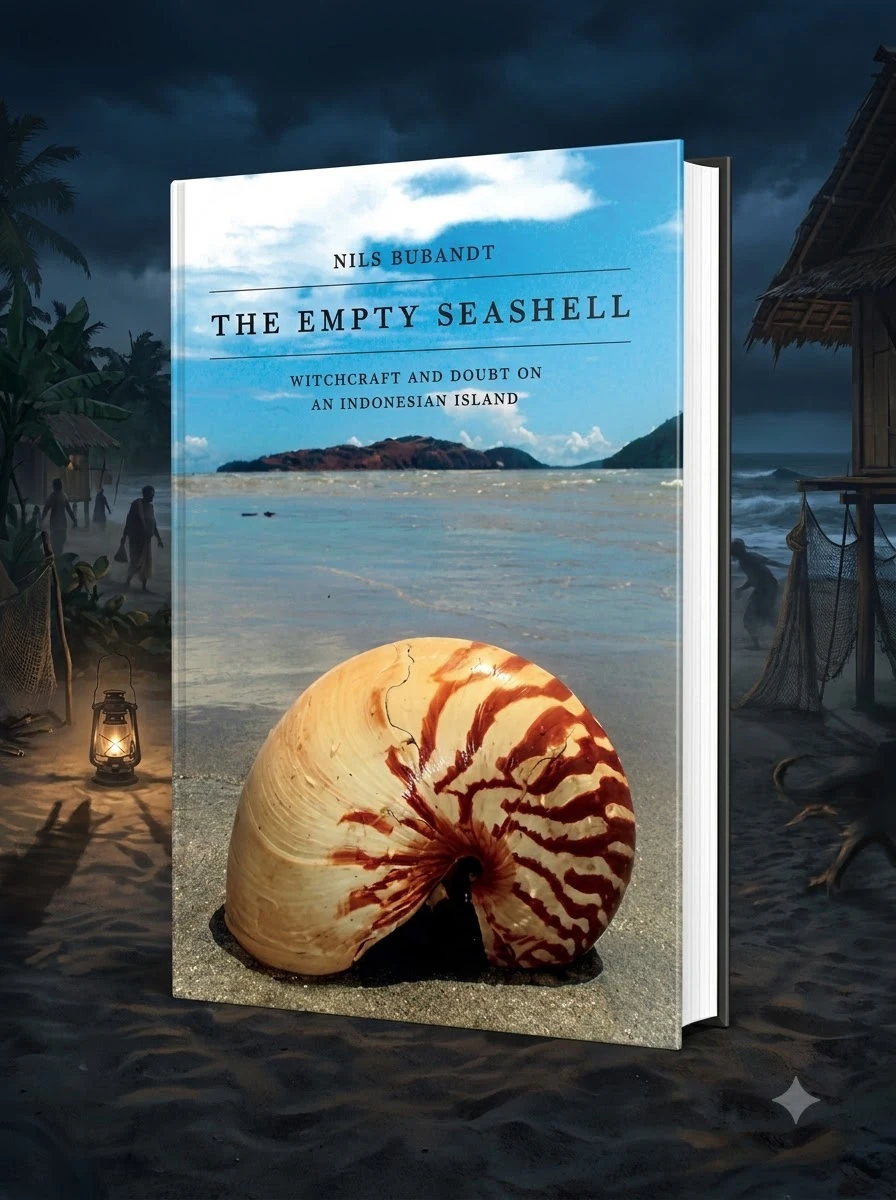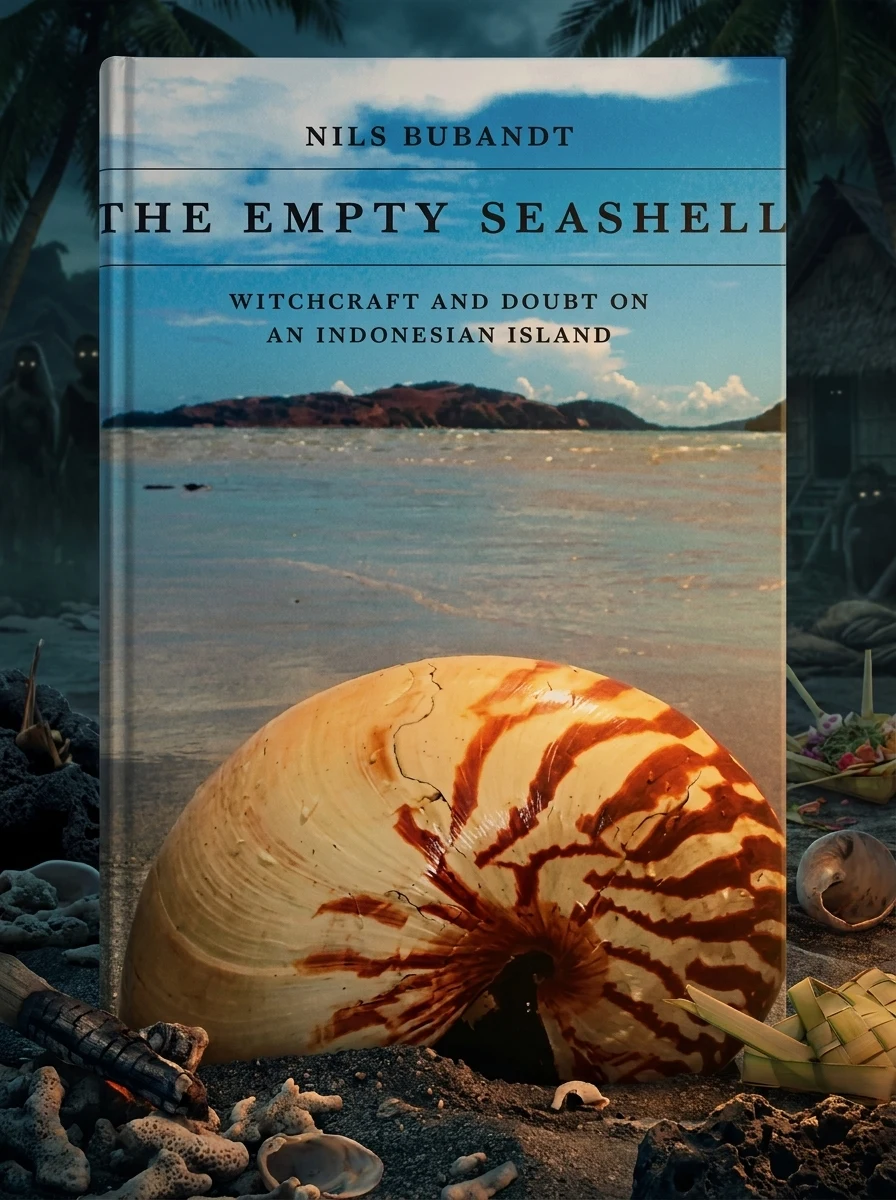
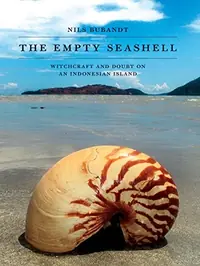
The Empty Seashell: Witchcraft and Doubt on an Indonesian Island
Bubandt, NilsStock reported in the catalog; fulfillment is confirmed with your request.
In Indonesia, witches are real, yet their truth remains an empty seashell.
Nils Bubandt's profound study delves into the perplexing reality of 'gua' witches in Indonesia's Buli community. Based on two decades of meticulous fieldwork, this book explores how these cannibalistic entities are undeniably real to local inhabitants, yet perpetually defy concrete definition. Much like the titular empty seashells washed ashore, witchcraft in Buli is both omnipresent and utterly elusive, challenging Western notions of belief and empirical evidence. Bubandt navigates this liminal space, revealing the profound implications of living with an undeniable yet unknowable threat.
This work sits firmly within the anthropological study of Indonesian esotericism, specifically examining the complex ontology of witchcraft in the Buli community. It challenges Western epistemological frameworks by exploring how reality is constructed through ambiguity rather than empirical certainty.


📝 Description: The Empty Seashell: Witchcraft and Doubt on an Indonesian Island
💎 Expert review
📖 Why choose it
Why this book is worth reading
Readers fascinated by the intersection of anthropology, philosophy, and occult studies will find this text deeply rewarding. It offers a unique window into how the Buli community navigates life with an omnipresent yet unknowable threat, reframing our understanding of belief and evidence. If you are intrigued by how cultural realities are constructed through ambiguity rather than concrete definition, this book provides profound insights. It is essential for those willing to grapple with complex theoretical arguments about the nature of truth and existence in esoteric contexts.
⭐ Reader reviews
Reader rating
Bubandt delivers a rigorous academic exploration that may alienate casual readers seeking accessible narratives or practical witchcraft guides. The text prioritizes dense anthropological theory over storytelling, making it unsuitable for those expecting empirical proof or straightforward cultural descriptions. It is best suited for scholars and serious enthusiasts of esoteric studies who appreciate nuanced discussions on ontology and belief. Readers looking for light, engaging content or actionable magical practices will likely find this work too abstract and theoretically demanding for their preferences.
❓ Frequently asked questions
📖 Who should read this
If you're fascinated by the anthropology of belief, the complexities of cultural reality, or the liminal spaces where folklore intersects with daily life, this book is for you. It challenges preconceived notions about truth and knowledge.
🎯 Key themes and symbolism
The Nature of Belief
This work meticulously examines how belief systems can operate outside the confines of empirical proof. It illustrates a reality where something can be undeniably 'true' for a community, despite being contradictory, ephemeral, and impossible to pin down, pushing the boundaries of what we understand as reality and conviction.
Anthropological Fieldwork Challenges
Bubandt candidly shares his own frustrations and confusion during his extensive fieldwork. The book offers an invaluable insight into the difficulties anthropologists face when confronting belief systems that resist Western logical frameworks, highlighting the personal and intellectual struggles inherent in cross-cultural understanding.
Indonesian Cultural Realities
Set in the coastal, predominantly Christian community of Buli in North Maluku, the book offers a deep dive into specific Indonesian spiritual realities. It introduces local terms and practices, grounding the abstract discussions of witchcraft in the vivid, lived experiences of a particular Southeast Asian society, enriching our global understanding of folklore.
💬 Quotes from the book
“The witch, like a whisper on the night wind, is never truly caught, only felt in the chilling absence of certainty.”
“My initial frustration was a Western lens trying to focus on a reality designed to remain perpetually out of frame.”
📜 Historical context
📚 Glossary
- Gua
- Suanggi
- Buli
📔 Questions to reflect on
- How do you define 'reality' in your own life, and what role, if any, do unprovable beliefs play within that definition?
- Consider a belief system or phenomenon you find contradictory. How might understanding its social or cultural function change your perspective?
- Reflect on a time you encountered something 'unknowable' or deeply ambiguous. How did you reconcile its presence with its lack of clear definition?
✍️ More books by this author Bubandt, Nils
All books by this author →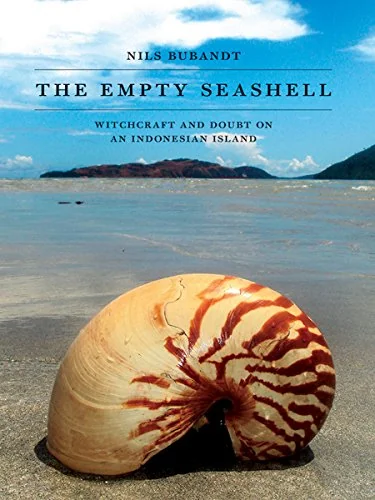
🏛 Books from this publisher Cornell University Press
All books from this publisher →
 90
90
 84
84
 75
75
You might also like
See more →