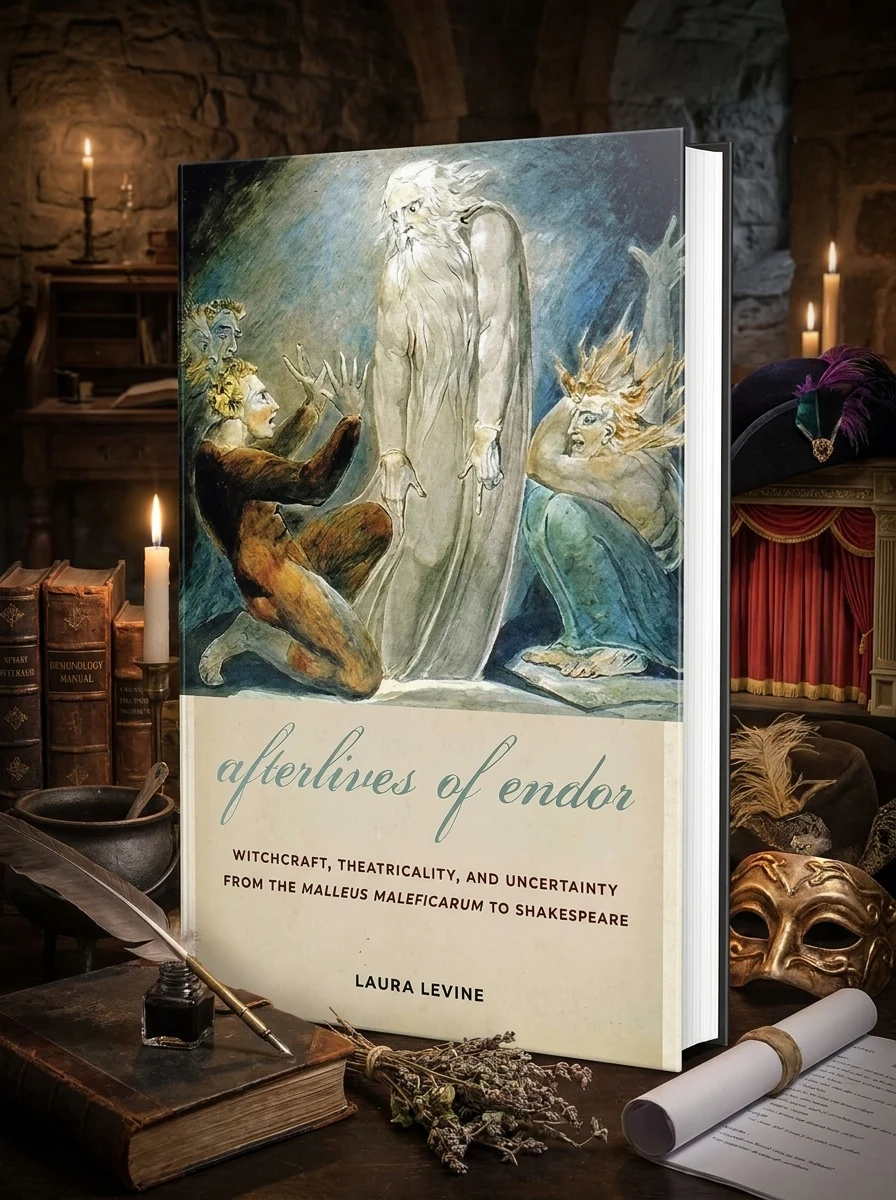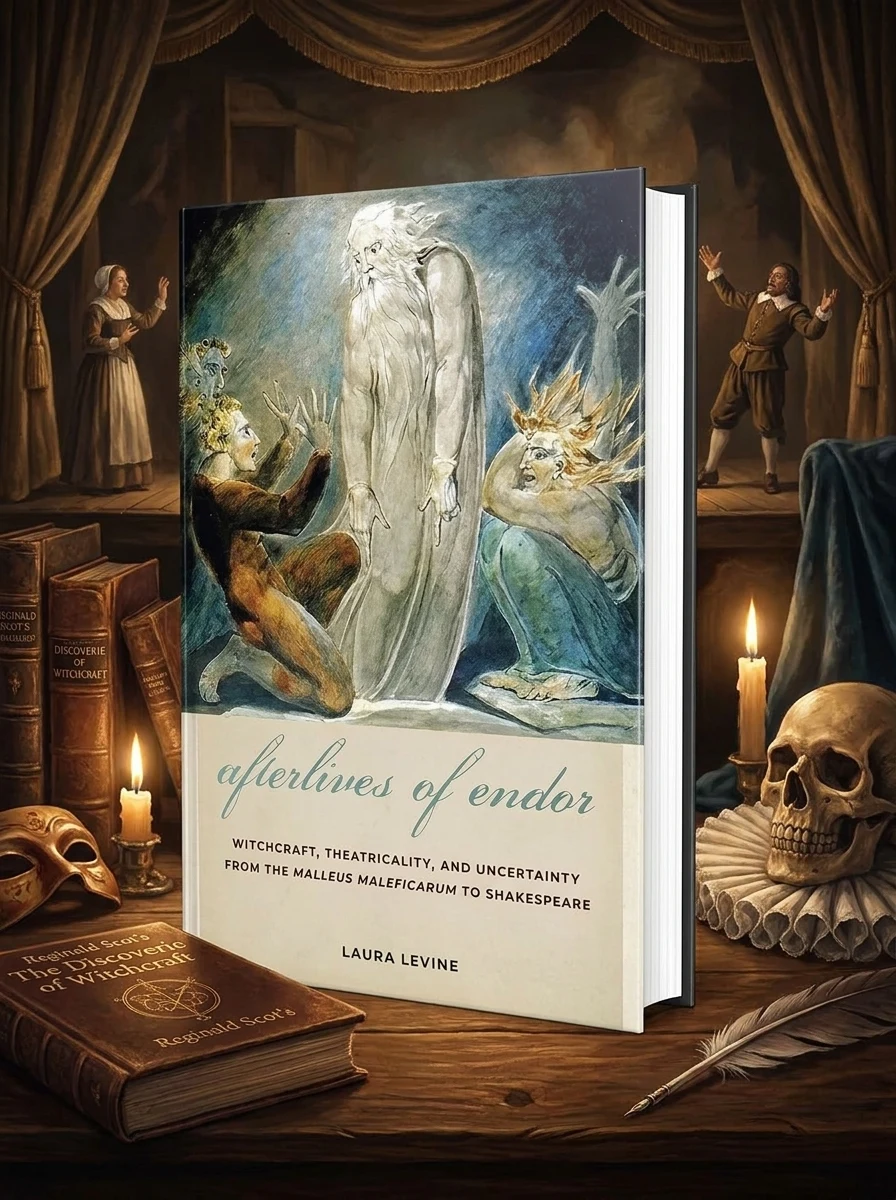
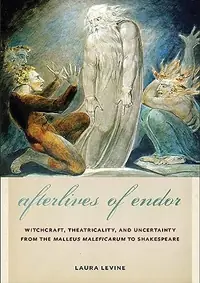
Afterlives of Endor: Witchcraft, Theatricality, and Uncertainty from the Malleus Maleficarum to Shakespeare
Levine, LauraStock reported in the catalog; fulfillment is confirmed with your request.
Unmasking how early modern drama and demonology shaped fears of witchcraft and illusion.
Laura Levine's incisive study, "Afterlives of Endor," meticulously dissects the complex interplay between early modern English literature and the era's pervasive anxieties surrounding witchcraft and performance. By scrutinizing seminal demonological texts alongside masterpieces from Shakespeare, Spenser, and Marlowe, Levine illuminates how writers grappled with defining reality, illusion, and the supernatural. This work reveals the underlying epistemological frameworks that informed both witch trials and dramatic portrayals, offering a fresh perspective on a turbulent period where the lines between belief, spectacle, and terror blurred.
This scholarly work situates itself within early modern English literary and cultural studies, exploring the intersection of demonology and theatrical performance during a period of intense social anxiety regarding witchcraft. It bridges the gap between religious texts like the Malleus Maleficarum and the dramatic arts of Shakespeare and his contemporaries.


📝 Description: Afterlives of Endor: Witchcraft, Theatricality, and Uncertainty from the Malleus Maleficarum to Shakespeare
💎 Expert review
📖 Why choose it
Why this book is worth reading
Scholars and enthusiasts of early modern history will find immense value in this rigorous examination of how literary figures navigated the blurred lines between belief, spectacle, and terror. Levine’s analysis offers a fresh perspective on the epistemological frameworks that defined witch trials and dramatic portrayals, revealing how authors grappled with defining reality versus illusion. It is essential for those seeking to understand the deep cultural anxieties of the era and the intricate relationship between demonological texts and masterpieces by Shakespeare, Spenser, and Marlowe.
⭐ Reader reviews
Reader rating
Levine delivers an incisive study that meticulously dissects the interplay between literature and demonology, offering a compelling look at how early modern writers defined the supernatural. However, readers seeking accessible narratives or casual interest in witchcraft folklore may find the dense academic focus on epistemological frameworks and textual analysis too rigorous. This book is strictly for those prepared to engage with complex theoretical discussions regarding uncertainty and theatricality. It does not suit general audiences looking for simple historical accounts or entertainment.
❓ Frequently asked questions
📖 Who should read this
For the discerning reader fascinated by the cultural history of magic, the intersection of literature and societal fear, and the origins of performance. If you seek a profound academic exploration of early modern anxieties and their theatrical and literary manifestations, this rigorous study will illuminate your understanding.
🎯 Key themes and symbolism
Witchcraft's Cultural Echoes
This book explores how the pervasive fear of witchcraft permeated early modern English society, not merely as a supernatural threat but as a cultural phenomenon. It examines the mechanisms through which these anxieties were propagated, debated, and ultimately shaped public perception, demonstrating the profound societal impact of beliefs surrounding magic and the demonic.
Theatricality and Belief
Levine intricately links the world of early modern theater with the construction of belief around witchcraft. She investigates how staged performances, both literal and metaphorical (like witch trials as spectacles), influenced understanding and interpretation of the supernatural. The book reveals how the art of illusion on stage mirrored the public's struggle to discern truth from deception in alleged magical acts.
Dissecting Demonology
A core focus lies in the rigorous analysis of influential demonological texts from figures like Reginald Scot, King James VI/I, and Jean Bodin. The book scrutinizes their rhetorical strategies, underlying assumptions, and argumentative frameworks, treating these historical documents with the critical depth usually reserved for literary works, thereby uncovering their crucial role in shaping early modern thought.
💬 Quotes from the book
“The very act of staging a witch trial, or depicting a sorceress on stage, blurred the lines between accusation and performance, truth and artifice, challenging the epistemological certainties of the age.”
“By scrutinizing the rhetorical tactics within demonological manuals, we uncover not just treatises on evil, but intricate literary constructions designed to persuade, terrify, and ultimately control societal narratives around magic.”
📜 Historical context
📚 Glossary
- Demonology
- Malleus Maleficarum
- Theatricality
📔 Questions to reflect on
- How do contemporary media portrayals of the supernatural or "other" reflect or diverge from the early modern anxieties discussed in this book?
- Consider a modern public spectacle or trial. In what ways might its presentation influence public perception, mirroring the theatricality of historical witch trials?
- Reflect on the power of language and narrative in shaping belief. How do the "rhetorical tactics" of today's authoritative texts influence how we understand complex issues?
✍️ More books by this author Levine, Laura
All books by this author →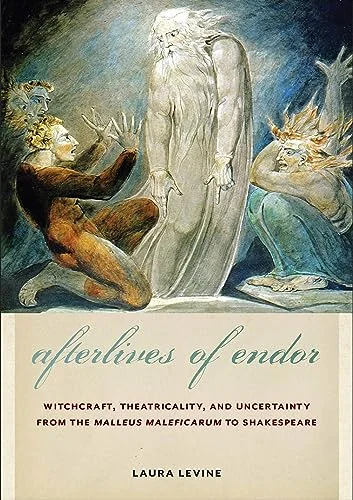
🏛 Books from this publisher Cornell University Press
All books from this publisher →
 90
90
 84
84
 75
75
You might also like
See more →