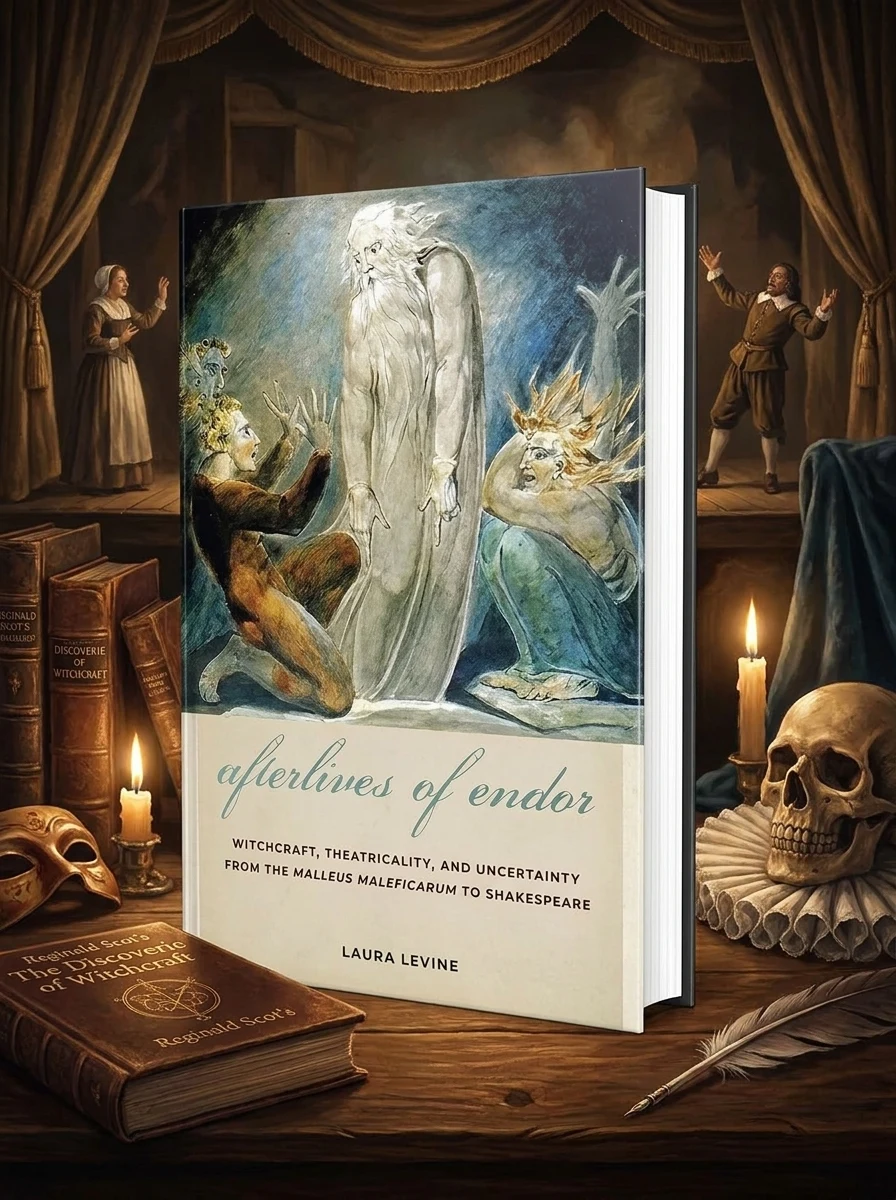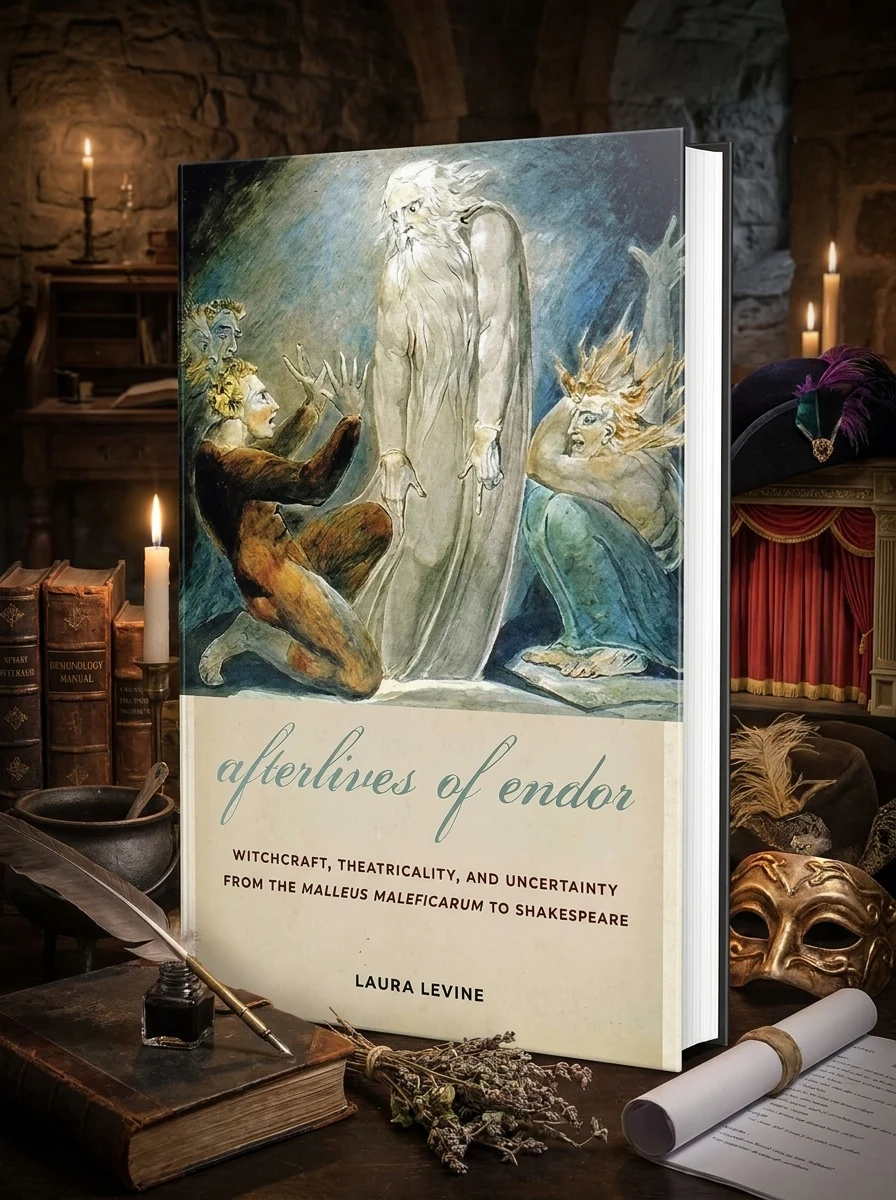
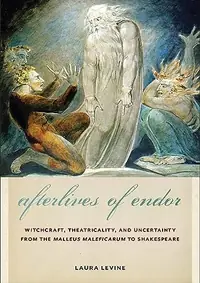
Afterlives of Endor: Witchcraft, Theatricality, and Uncertainty from the Malleus Maleficarum to Shakespeare
Levine, Laura 87
87
 Editorial score
How we rate
Editorial score
How we rate
Stock reported in the catalog; fulfillment is confirmed with your request.
Unmasking early modern fears, where witchcraft met the stage and doubt reigned supreme.
Laura Levine’s "Afterlives of Endor" delves into the profound anxieties surrounding witchcraft and theatricality in early modern England, as reflected in its literature. This astute study explores how writers grappled with the uncertain nature of demonic influence and illusion. By meticulously analyzing both influential demonological treatises and canonical literary works—including Shakespeare, Spenser, and Marlowe—Levine reveals the rhetorical strategies and underlying tensions that shaped perceptions of the supernatural. It’s a compelling journey into the intertwined worlds of belief, performance, and the precariousness of certainty during a tumultuous era.
This scholarly work situates itself within the rich tradition of early modern English literature and demonological studies, exploring the intersection of witchcraft beliefs and theatrical performance during a period of intense religious and social uncertainty.


📝 Description: Afterlives of Endor: Witchcraft, Theatricality, and Uncertainty from the Malleus Maleficarum to Shakespeare
💎 Expert review
📖 Why choose it
Why this book is worth reading
Scholars and enthusiasts of early modern culture will find immense value in Levine’s meticulous analysis of how writers navigated the precariousness of certainty during a tumultuous era. By examining the rhetorical strategies used to depict demonic influence and illusion, this book offers a profound understanding of the anxieties surrounding witchcraft and theatricality. It is essential for those interested in the historical roots of supernatural belief and its artistic representation, revealing the deep tensions between faith, doubt, and performance that defined the period’s intellectual landscape.
⭐ Reader reviews
Reader rating
Levine provides a rigorous academic exploration of the rhetorical strategies shaping perceptions of the supernatural in early modern England. While the text is intellectually stimulating for specialists in demonology or literary history, it may not suit casual readers seeking narrative entertainment or straightforward historical accounts. Those looking for accessible pop-history or fictionalized interpretations of witchcraft will likely find this dense, analytical study too specialized and theoretically demanding for their tastes.
❓ Frequently asked questions
📖 Who should read this
If you're fascinated by the cultural history of magic, the literary landscape of early modern England, or the complex interplay between belief and performance, this book is for you. Scholars and curious readers alike will find its interdisciplinary insights deeply rewarding.
🎯 Key themes and symbolism
Witchcraft & Societal Fear
The book meticulously unpacks the pervasive societal anxieties concerning witchcraft in early modern England. It examines how these fears were articulated in both official demonological texts and imaginative literature, highlighting the cultural mechanisms through which perceived magical threats were understood, codified, and often sensationalized, revealing a deep collective unease about unseen forces.
Theatricality & Illusion
Levine masterfully explores the intricate relationship between theatrical performance and the perception of witchcraft. She demonstrates how the stage, with its capacity for illusion and spectacle, mirrored the debates around the authenticity of supernatural occurrences and demonic possessions. This theme considers how dramatized events, both on stage and in trials, blurred the lines between reality and artifice.
Epistemology & Belief
This work probes the very foundations of knowledge and belief systems that governed early modern understandings of witchcraft. It investigates the underlying epistemological constraints that shaped how demonologists and writers interpreted phenomena, questioning what constituted proof, how truth was constructed, and the profound impact these frameworks had on accusations, confessions, and literary representations of magic.
💬 Quotes from the book
“The stage, much like the accused witch's trial, became a crucible where perception battled reality, reflecting deeply embedded cultural anxieties about agency and illusion.”
“Through the meticulous dissection of demonological treatises alongside dramatic performance, Levine unveils a shared epistemological landscape fraught with the precariousness of certainty.”
📜 Historical context
📚 Glossary
- Demonology
- Epistemology
- Theatricality
📔 Questions to reflect on
- How might the blurring of lines between theatrical performance and perceived reality in early modern England inform our understanding of 'fake news' or curated realities today?
- Consider a contemporary cultural anxiety. In what ways do literature and popular media reflect and shape our understanding of this fear, similar to how witchcraft was handled in the early modern period?
- If 'truth' in a witch trial was often a matter of interpretation and performance, how does this challenge modern notions of objective evidence and judicial process?
✍️ More books by this author Levine, Laura
All books by this author →
🏛 Books from this publisher Cornell University Press
All books from this publisher → 90
90
 84
84
 75
75
You might also like
See more →