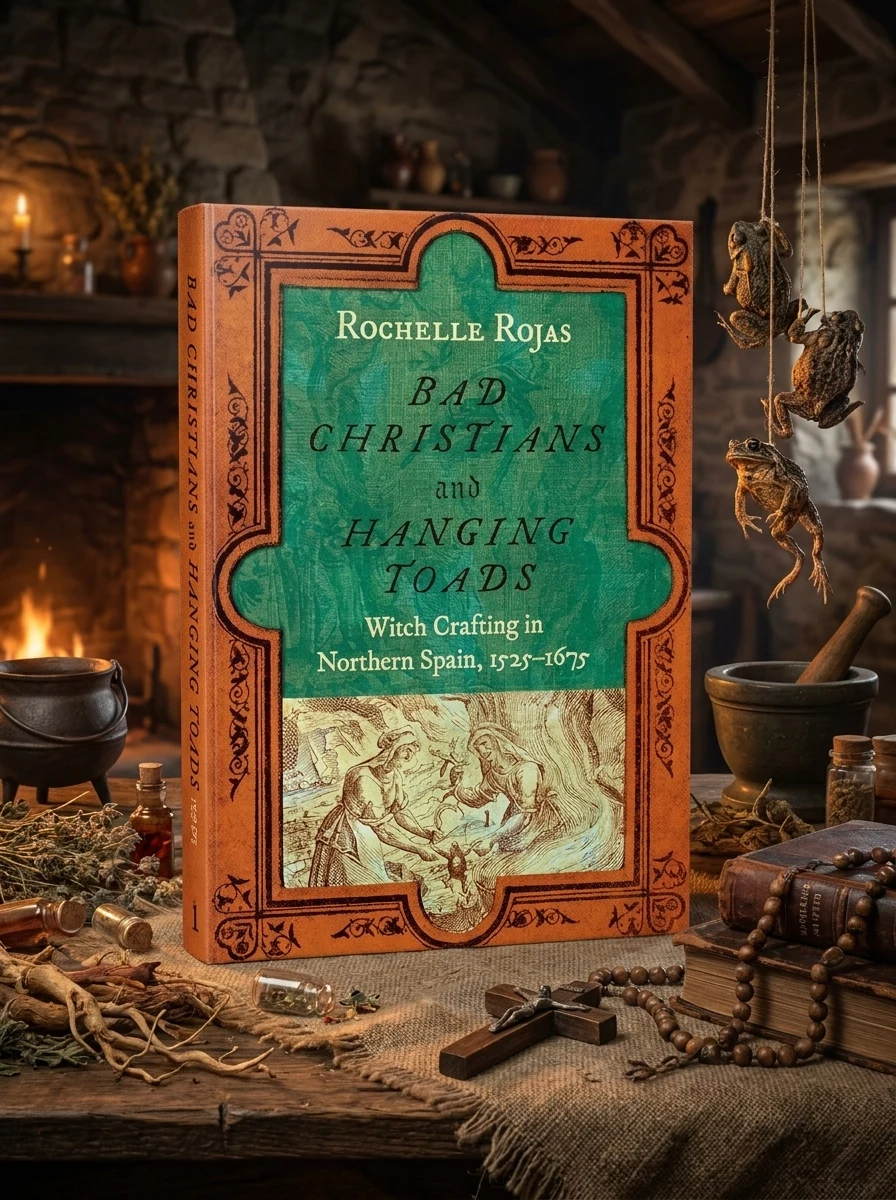
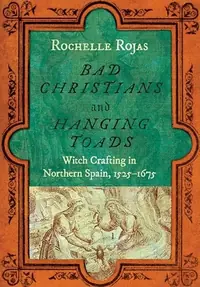
Bad Christians and Hanging Toads: Witch Crafting in Northern Spain, 1525-1675
Stock reported in the catalog; fulfillment is confirmed with your request.
Uncover the everyday magic and malice woven into early modern Spanish village life.
This compelling study unearths the pervasive reality of witchcraft in early modern Navarra, moving beyond grand inquisitorial narratives. It reveals how accusations were not isolated events of panic, but deeply woven into daily village life. Villagers harbored diverse beliefs, from witches poisoning crops and engaging in dark rituals to the infamous practice of raising toads. Often, 'witches' were simply 'mala cristianas'—those perceived as deviating from community norms. Rochelle Rojas meticulously explores the social webs of gossip and accusation through secular trial records from 1525-1675, illuminating how ordinary people became branded as witches.
This work situates itself within the historiography of early modern European witchcraft, specifically challenging grand inquisitorial narratives by focusing on the secular and social dimensions of belief in Northern Spain between 1525 and 1675. It aligns with microhistorical studies that examine how everyday village life and community norms intersected with accusations of heresy and magic.


📝 Description: Bad Christians and Hanging Toads: Witch Crafting in Northern Spain, 1525-1675
💎 Expert review
📖 Why choose it
Why this book is worth reading
Readers fascinated by the intersection of social history, gender studies, and religious persecution will find this book indispensable. It offers a rare glimpse into the mundane realities of early modern life, revealing how ordinary accusations served as tools for enforcing community norms rather than just theological concerns. Those interested in the nuanced dynamics of gossip, neighborly disputes, and the label of 'bad Christian' will appreciate the meticulous analysis of secular trial records. It provides a refreshing counter-narrative to sensationalist witch hunt tropes, making it essential for scholars and serious history enthusiasts seeking to understand the complex social webs that defined village existence in Northern Spain during this pivotal historical period.
⭐ Reader reviews
Reader rating
Rojas delivers a rigorous academic examination that demands patience from the reader. While the focus on secular records offers valuable insight into the social mechanics of accusation, those seeking dramatic tales of demonic pacts or sensational inquisitorial torture will likely find this text dry and overly analytical. The book is not for casual readers looking for quick entertainment or broad overviews; it is a dense, specialized study requiring engagement with historical methodology. It suits those willing to wade through the minutiae of village gossip and legal proceedings to understand how 'witchcraft' was actually constructed as a social tool in early modern Navarra.
❓ Frequently asked questions
📖 Who should read this
If you're fascinated by the social history of magic, the intricate dynamics of early modern communities, or the nuanced realities behind popular witch hunt narratives, this book is for you. It offers a rich, ground-level view of how accusations shaped lives and beliefs in a specific European context.
🎯 Key themes and symbolism
Everyday Witchcraft Beliefs
This work masterfully demonstrates that belief in witchcraft wasn't confined to moments of mass hysteria, but was an integral part of daily life in early modern Spanish villages. It explores the diverse local interpretations, from fears of crop blighting to diabolical pacts and the peculiar cultural phenomenon of witches raising toads for malevolent purposes, showing how these beliefs shaped community interactions.
Social Dynamics of Accusation
Rojas meticulously uncovers the intricate social mechanisms that led to witchcraft accusations. Rather than focusing solely on legal proceedings, the book highlights the powerful roles of village gossip, personal reputations, and pre-existing social tensions. It illustrates how ordinary disputes and perceived deviations from Christian norms ('mala cristianas') could escalate into serious charges, shaping individual fates.
Secular Justice vs. Inquisition
A significant contribution of this book is its focus on the royal tribunals of Navarra, offering a counterpoint to studies dominated by the Spanish Inquisition. By examining trials conducted by secular authorities over a century and a half, the author provides a fresh perspective on the prosecution of alleged witches, revealing different legal frameworks and local nuances in the enforcement of anti-witchcraft laws.
💬 Quotes from the book
“She has always been one to keep to herself, her eyes too sharp. When my cow sickened after she passed by, what else could I think but her evil intent?”
“They say she meets with the Devil, that she raises those foul toads in secret, poisoning wells and curses with their venomous breath. She is no good Christian.”
📜 Historical context
📚 Glossary
- Mala Cristianas
- Royal Tribunals
- Witch Crafting
📔 Questions to reflect on
- How might local gossip and community reputation in your own experience parallel the 'crafting' of witches described in early modern Navarra?
- Consider the diverse beliefs about witches presented. How do these compare to contemporary anxieties or scapegoating within society?
- If you were a villager during this period, how might you navigate the social pressures and fears to avoid being accused or to protect someone else?
🏛 Books from this publisher Cornell University Press
All books from this publisher →
 90
90
 84
84
 75
75
You might also like
See more →